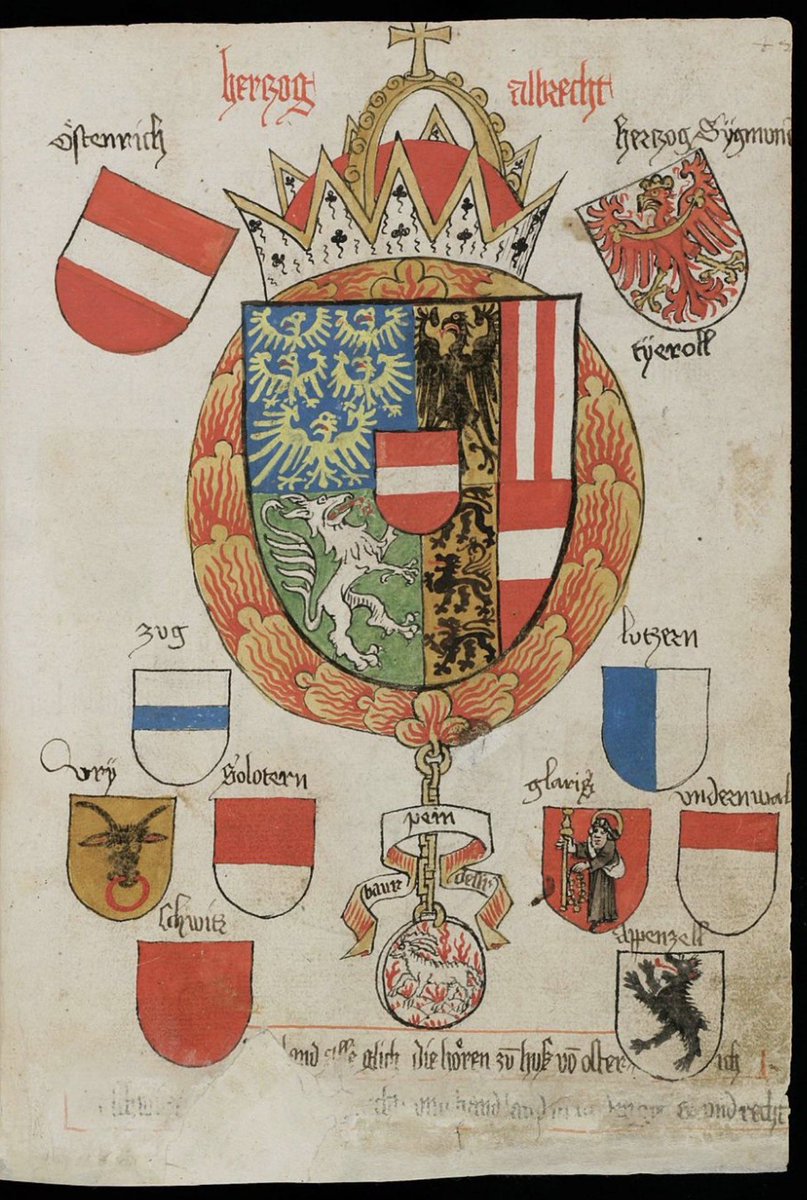
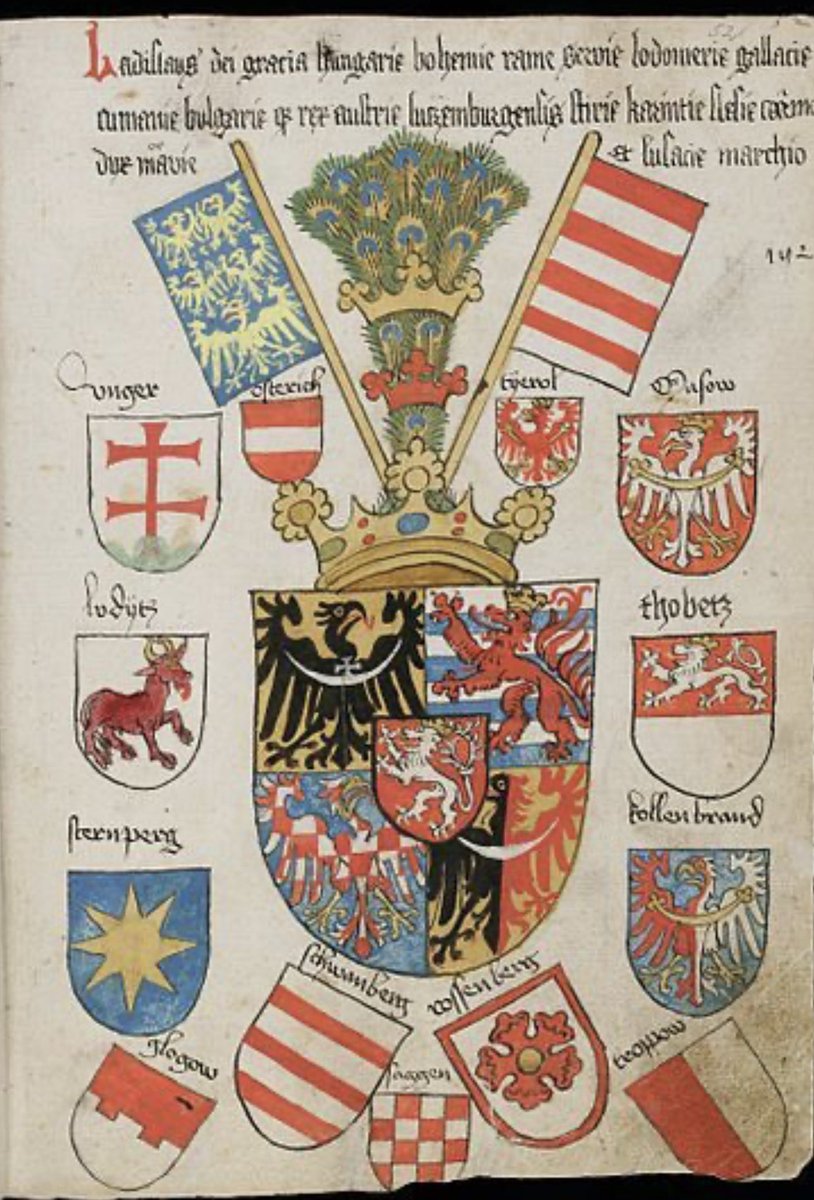
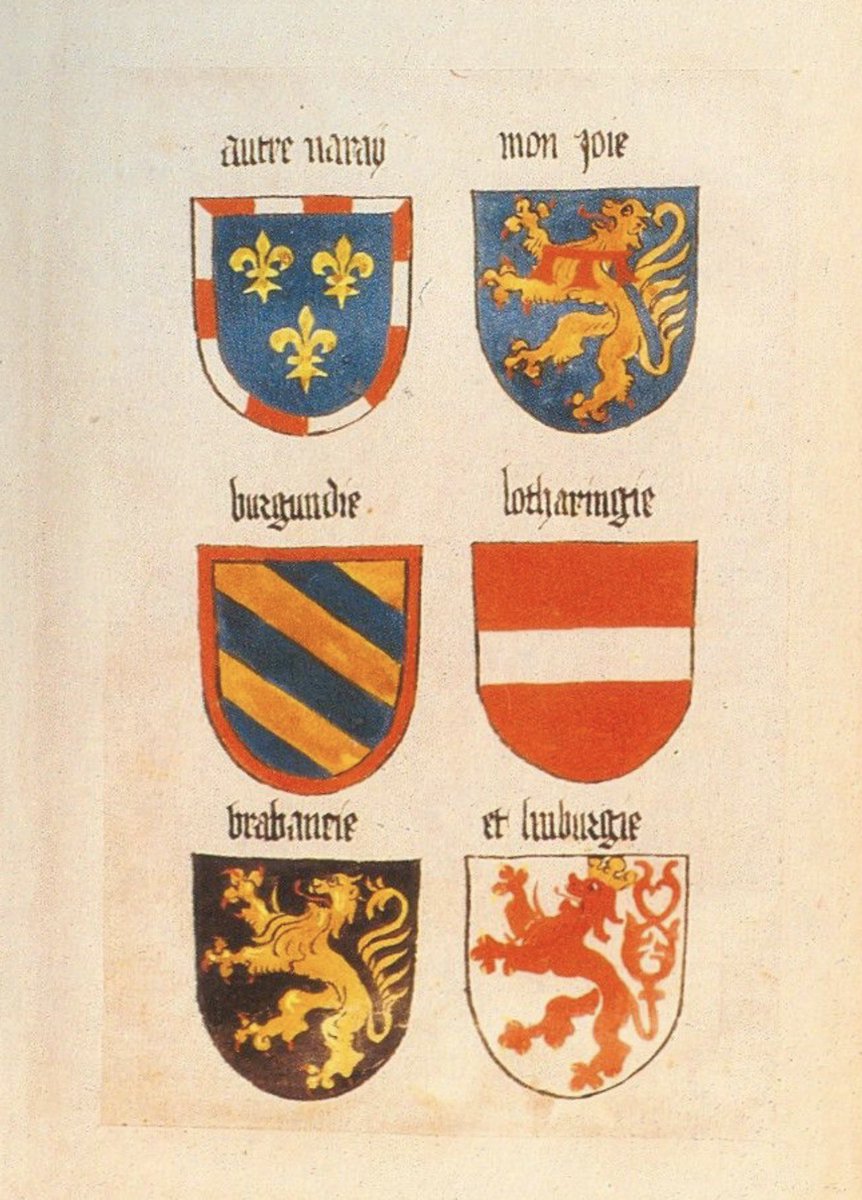
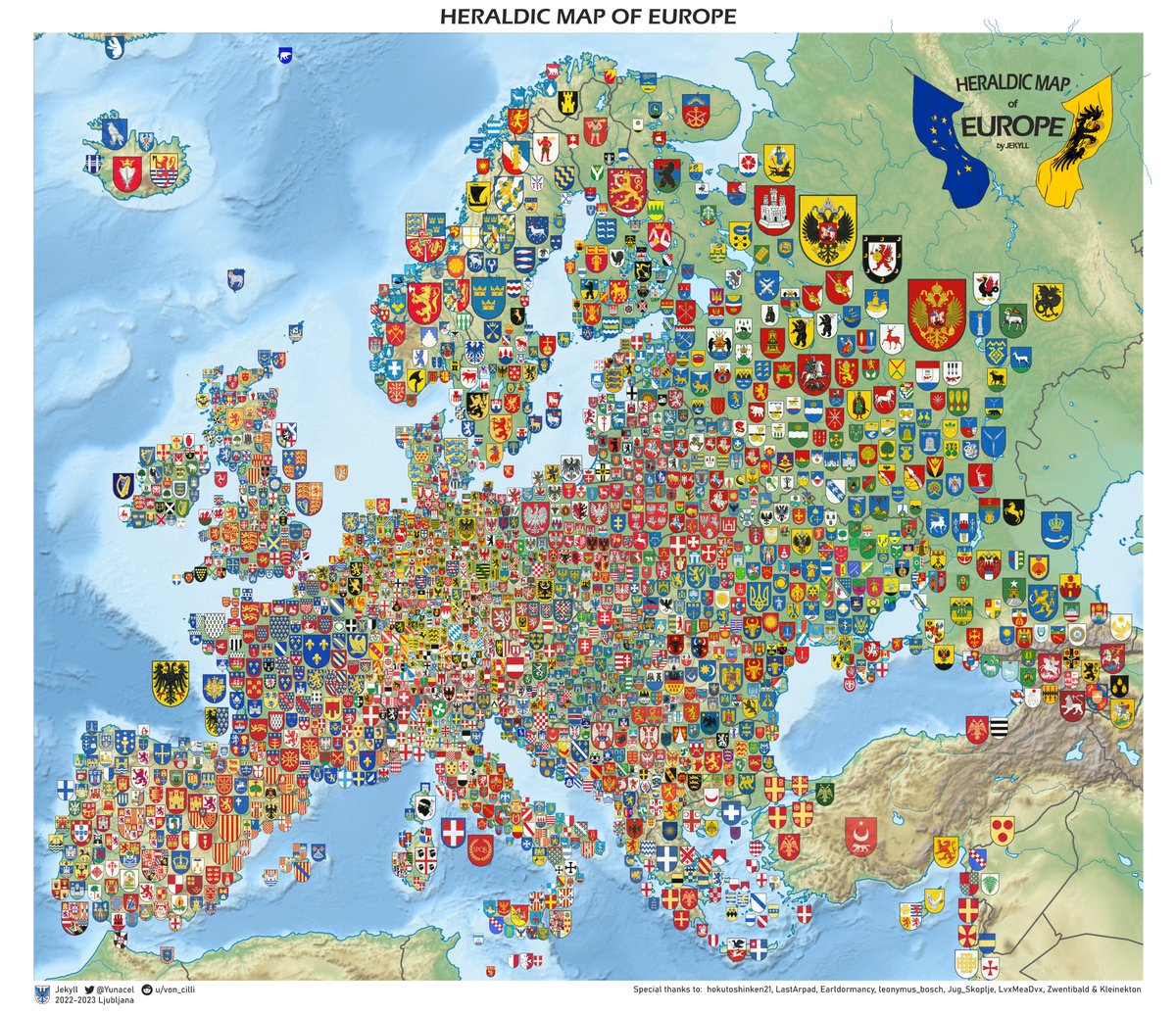
⚔️🇩🇪15th Century Heraldry & Coats of Arms Illustrations from St. Gall Abbott Rosch’s “Book of Heraldry” (1462-1491).
This codice/book is viewable digitally on the Swiss E-Codice website.
St. Gall Abbot Ulrich Rösch's (1462-1491) book of heraldry, containing 1,626 coats of arms of prominent people from the laity and the clergy, mostly from the southern region of Germany.
This heraldic book was probably prepared in the Heidelberg workshop of Hans Ingeram for an unknown customer from the area between the Neckar River and the Upper Rhine. In the 1480s St. Gall Abbot Ulrich Rösch purchased the volume and had numerous coats of arms from Swiss and German border areas added in the back pages; these were drawn by Winterthur artist Hans Haggenberg.
It is one of the most important heraldic record books of the 15th century.
@germanicgems Yes it affects what you can say, but honestly I think that is a righteous decision to make.
Anonymity promotes irresponcible, exagurated and unhinged social conditions. Peoeple dropping that veil deserve applause, as they show an example.
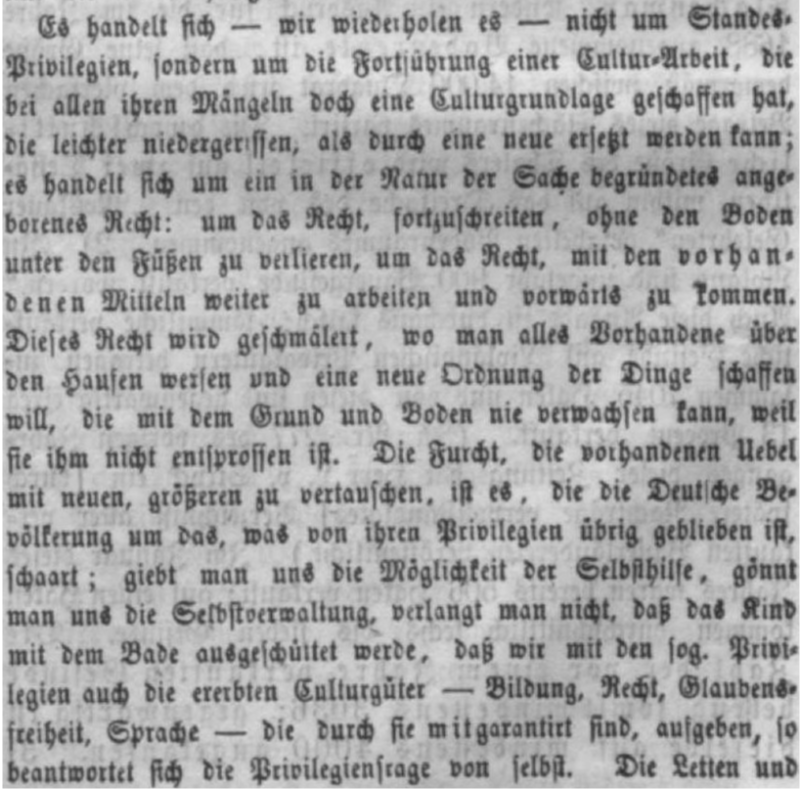
Nach dem Sturm, der gestern Nacht über die ganze lettische Küste hinweggezogen ist, haben wir das Grab unserer Urgroßeltern wieder in Ordnung gebracht.
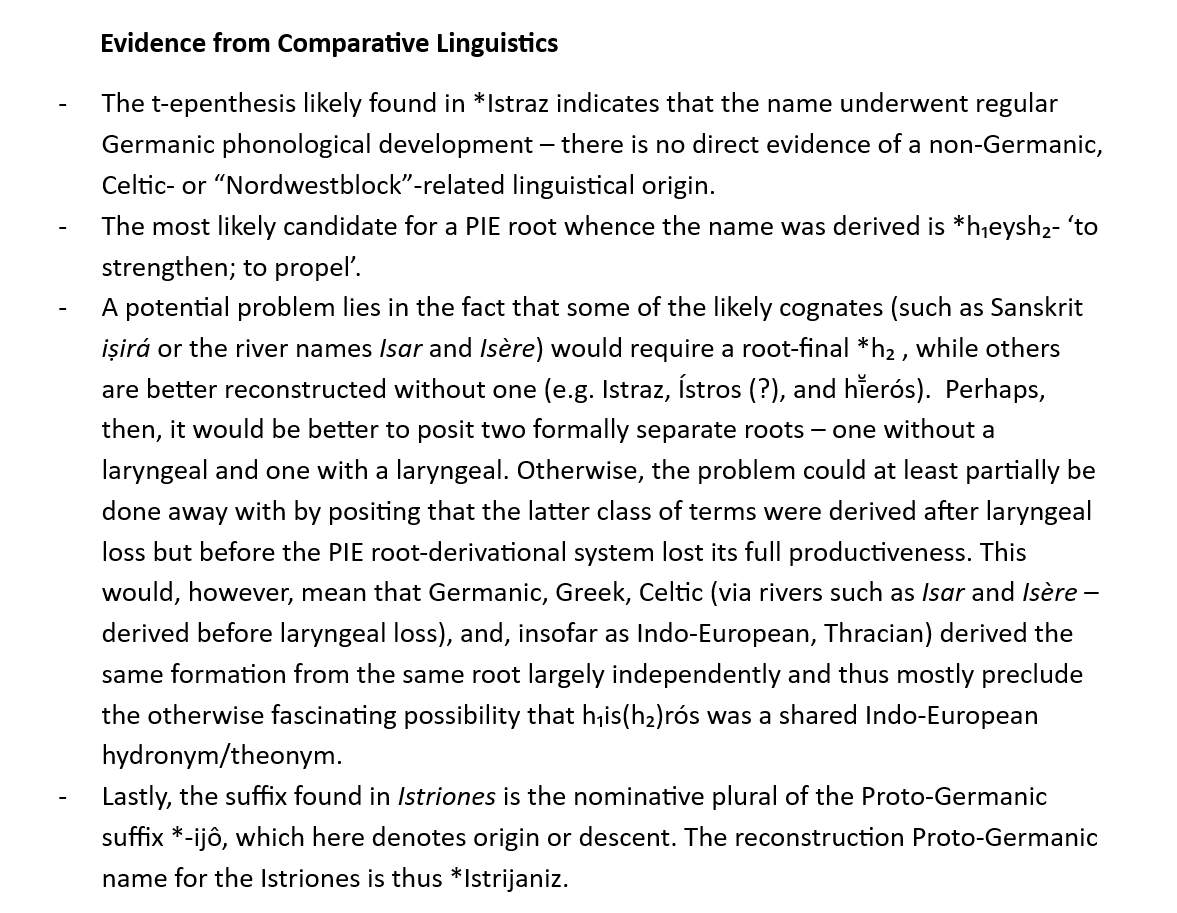
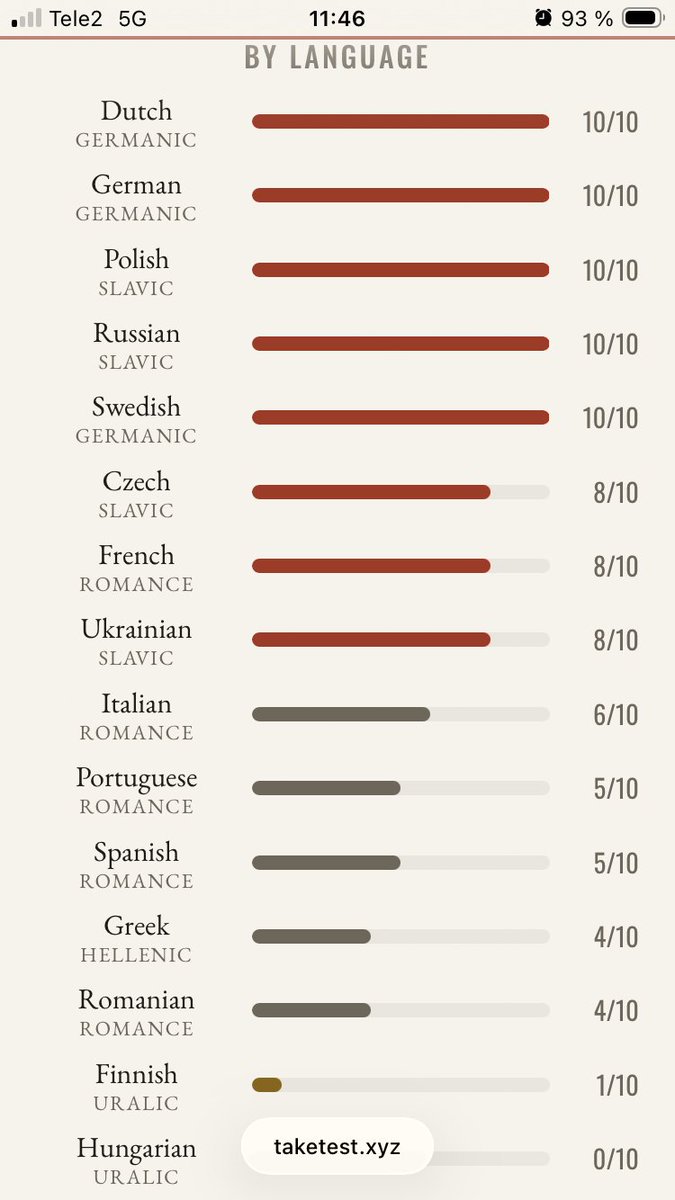
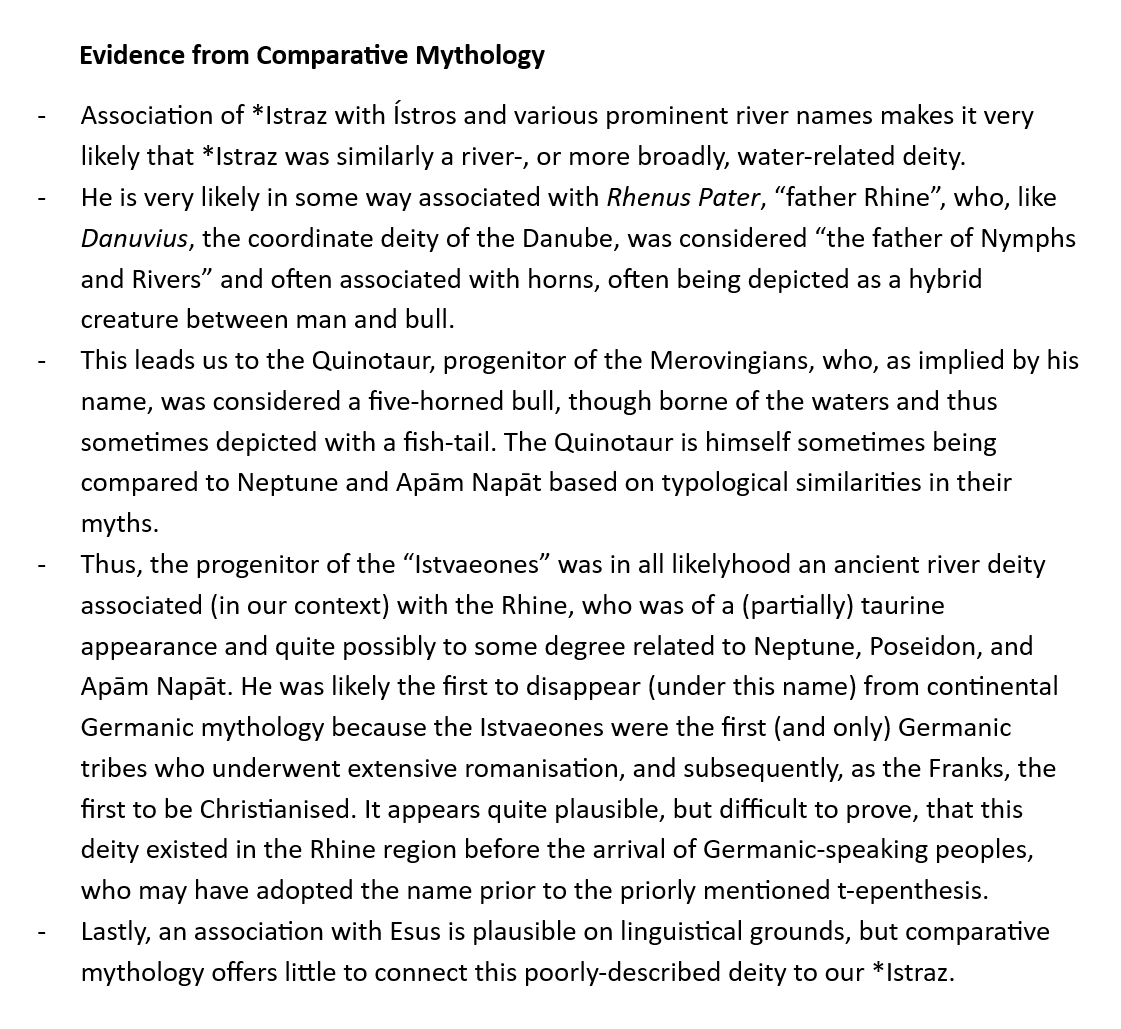
Below is a summary of the most important info relating to a god *Istraz and the "Istvaeones".
Pic 1 covers the linguistic evidence; Pic 2, the mythological.
I plan to write more about lesser-known theonyms of Germanic & Indo-European mythology, so feel free to follow for more.
The early 16th c. was a period of rapid change and transition from the old knightly order and feudalism-especially if you were a lesser knight/nobleman of the Holy Roman Empire. Lords & Knights of the HRE were highly autonomous relative to other nations, but this also meant they were under constant strain to maintain and pay for their holdings. Add to that profound religious & social changes….
Ulrich von Hutten (1488-1523) was a German knight of the HRE, scholar, & friend of Martin Luther. He was from minor nobility, and lived at Stechelberg Castle near Schluchtern, Hesse.
He wrote this letter in 1518 to a wealthy citizen of Nuremberg-
"In the cities, you can live not only peacefully, but also comfortably if you want to. But do you think that I will ever find rest among my knights? And have you forgotten what disturbances and agitations the people in our class are exposed to? Don't believe that and don't compare your life with mine! The situation around us is that the course of time would not leave me in peace, even if I had a very considerable inheritance and could live on my income. We live in the fields, in the forest and in the well-known castles on the hills. Those who feed us are destitute farmers to whom we lease our fields, vineyards, meadows and forests. The income is small compared to the effort expended; but we worry and toil very much that it will become large. Because we have to be extremely careful housefathers.”
“Then we must place ourselves in the service of a prince from whom we hope for protection. If I don't do that, everyone thinks they can do anything against me. But even if I do, this hope is associated with danger and fear on a daily basis. For if I go away from home, I am afraid of meeting people with whom the prince, however important he may be, is feuding or waging, and who will attack me and drag me away on his behalf. If my misfortune would have it, half my fortune could easily go to it as a ransom, and so an attack threatens from where I hoped protection.
That is why we keep horses and surround ourselves with numerous followers, all at great and noticeable cost. Meanwhile, we do not go out without weapons, even within a radius of a hundred meters. We cannot visit any village unarmed, go hunting and fishing only in iron. In addition, disputes often arise between foreign servants and ours; not a day goes by without a quarrel being left to us, which we then have to settle as carefully as possible. Because as soon as I assert my own too stubbornly or punish injustice, there is war. “
“But if I give in too meekly or give up something of my own, I am immediately at the mercy of the breaches of the law of all others, because then everyone wants to have as prey for his injustice what has been granted to a single one. But among which people does this happen? Not among strangers, my friend, no, between neighbors and relatives, even among brothers. These are our rural pleasures, these are our leisure and silence!
“The castle itself, whether it is on the mountain or on the plain, is not built as a pleasant stay, but as a fortress. It is surrounded by walls and ditches, inside it is narrow and crowded together by sheds and stables for cattle and horses. Next to them are dark chambers, crammed with guns, pitch, brimstone and other accessories for weapons and war equipment. Everywhere it stinks of gunpowder; and then the dogs and their filth, that, too—I must say—a lovely scent! Horsemen come and go, including robbers, thieves and highwaymen. Because our houses are open to almost everyone, because we don't know what kind of people they are, or don't inquire much about them. You can hear the bleating of the sheep, the roaring of the cattle, the barking of the dogs, the shouting of those working in the fields, the creaking and rattling of the carts and wagons; yes, even the howling of the wolves can be heard in our house, because it is close to the forest.”