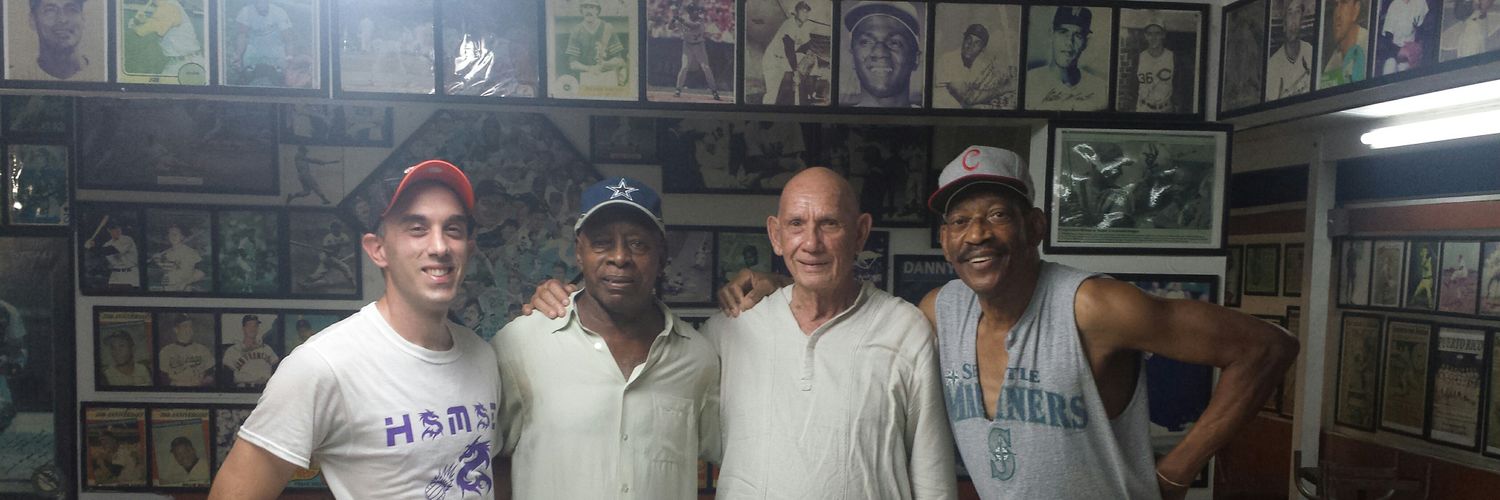
COVID took one of my best friends Thursday night. Cholly Naranjo was more than a major leaguer, he was family. Our relationship was special despite our almost 50-year age gap.
The words didn't come easy. A thread.
https://t.co/s2h3YNpEkM
@biggsdaddycool City council has basically been hijacked by Transportation Alternatives, Open Plans, Uber and Lyft. They have infiltrated community boards. The whole plan is to push people out of personal cars and into Uber/Lyft is the need to use a car.
As New Yorkers’ demand for package delivery increases, so does the need to more efficiently manage our limited public street space.
Microhubs are a smart way to prevent large, dangerous, and polluting trucks from making unnecessary trips on the streets of our city.
70 yrs before Shohei Ohtani, Double Duty Radcliffe pitched & caught two no-hitters, struck out 18 batters in a game, beat Hall of Famers Willie Foster, Andy Cooper and Hilton Smith on the mound, threw out Cool Papa Bell while catching and belted 2 homers in a game a dozen times!
By any measure, these former ballplayers have demonstrated a legacy and responsibility built on equity, loyalty and fair play.
More than 470 of these men have more that the 43 days of service time that has been the minimum vesting since the 1980 season to qualify for the MLBPA pension. Another 140+ have less than 43 days but are not eligible for health benefits.
The MLB and MLBPA can correct this at any time.
In the CBA negotiations, the @MLBPA is reportedly seeking to make the minimum salary $1.5 million a year, with 10 percent annual raises, beginning next season. Currently, the minimum is “only” $780,000. Meanwhile, no pension and benefits for 480 retirees who played before 1980.
I had a cash for keys deal finally negotiated with a squatter in NYC.
He'd been there almost 3 years and cost me about $100k in lost rent and $25k in legal fees.
He knew the end was near and agreed to take $5k to move out.
The judge took my attorney and me into a back room and said that if I didn't give the squatter $25k then he wasn't going to sign the settlement.
I already had a deal signed by the squatter at $5k. The judge forced me to pay $20k more.
The courts are in on this. It's so corrupt.
So I paid the $25k and the squatter moved out.
This just isn't right what's happening in NYC.
@pulte
@autobilia@saturn42227@chefmatt1978 I get what you are saying about these cards never being signed in front of a Fleer rep. Are you saying these cards were signed by Mays at a show / signing and then later authenticated by PSA?
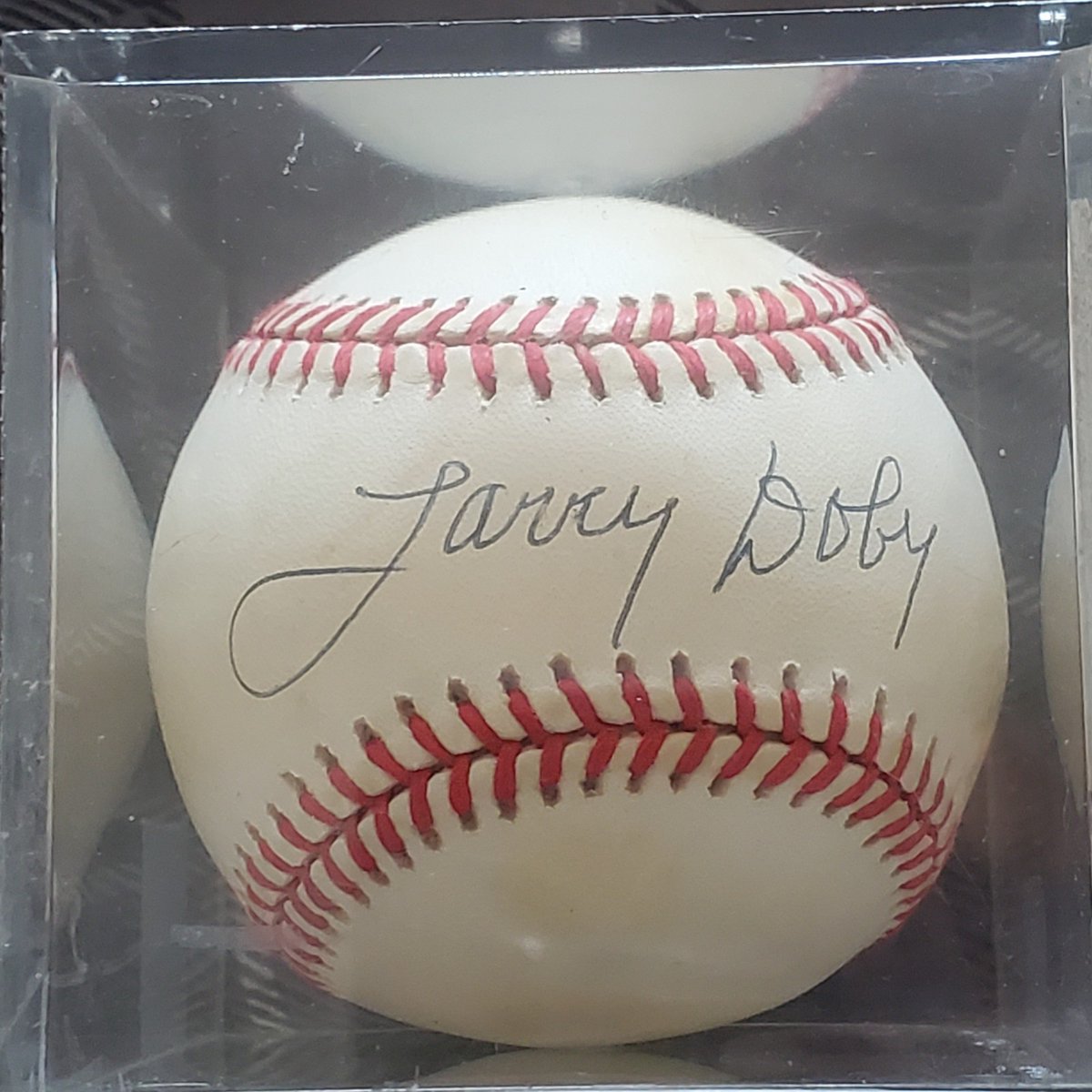
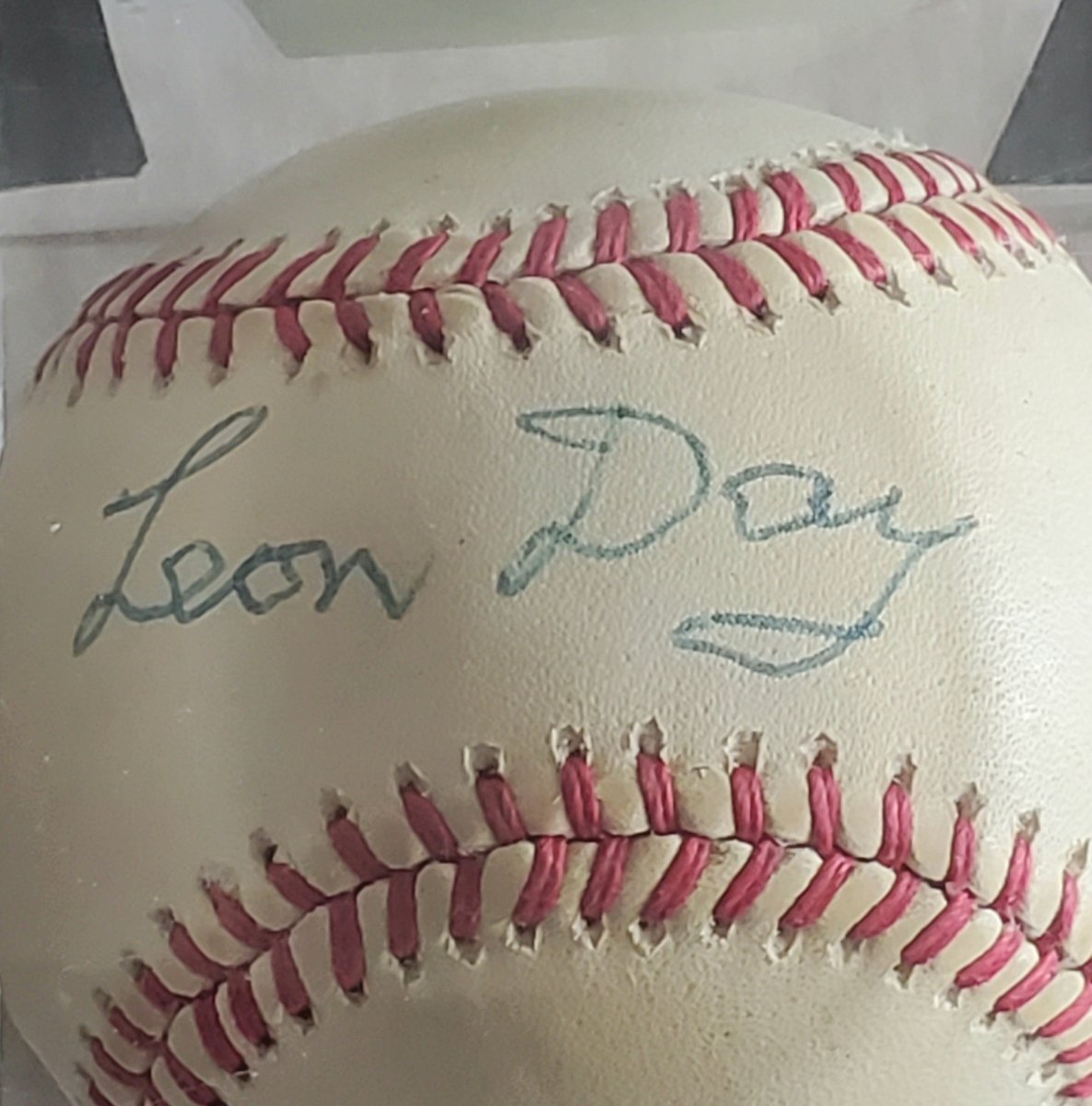
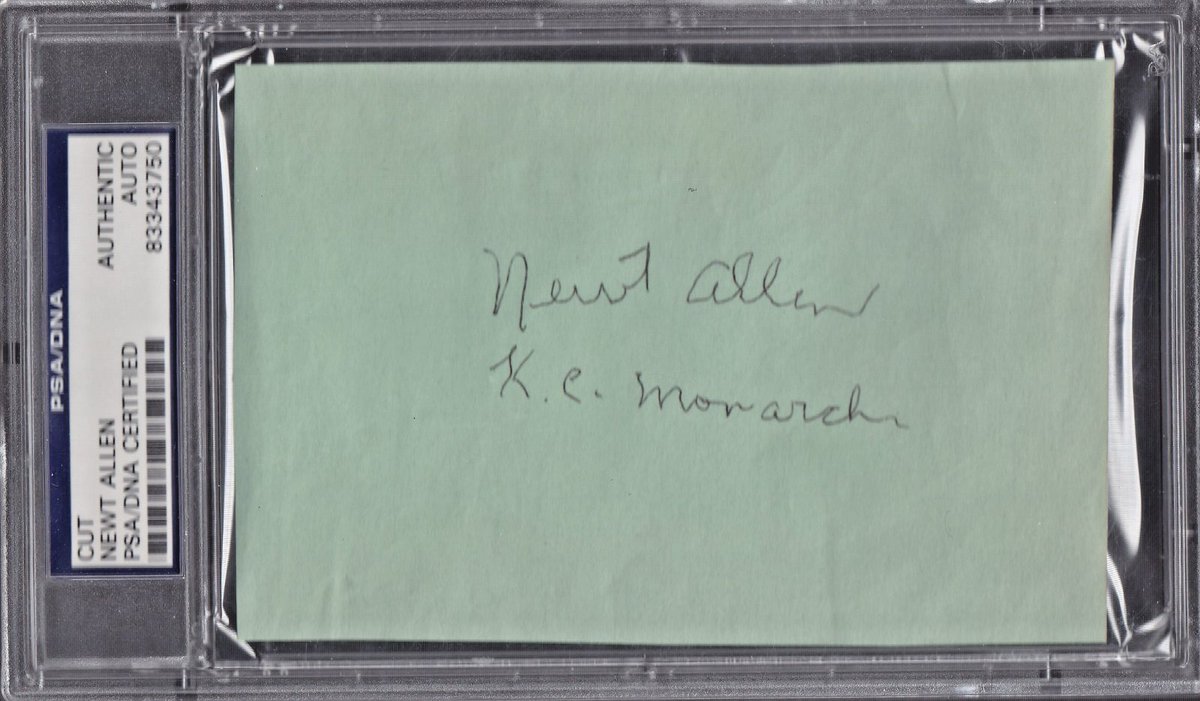
🔥 FS: Elite Negro League Autographs
🏷️ HOF Autographed Baseballs
Cool Papa Bell
Leon Day
Larry Doby
Buck Leonard
🏷️ Signed Cards & Cuts
Willie Wells
Newt Allen (PSA DNA)
Ray Dandridge
Luke Easter
Double Duty Radcliffe
Joe Black
Elston Howard
Lou Dials
Pics + Pricing Below.
While the MLBPA and MLB go back and forth over salary floors and ceilings...
...there are 476 known living elderly former players (the “Bittercupers”) from 1947-1980 left in pension limbo.
They get a tiny stipend (approx. 15% of post-1980 player pensions from the luxury tax) with no health benefits & no survivor payments — while MLB & the union virtue signal about “taking care of their own.”
These guys helped build the game and the Players Association.
Grandfathering this group in would cost $22,808,333 – $36,493,333 annually. The average age is 79 with the range of 67-97.
This is a story that your favorite sportswriter never seems to cover.
Why the silence from MLB, MLBPA?
https://t.co/SGJGIr15TJ by @OfficialMLBRFC
#MLB #MLBPA #Baseball #MLBPension #MLBHistory #thehobby #BaseballTwitter
The plan has always been to completely eliminate vehicles from 14th, 34th, 42nd, 57th, 72nd, 96th, 125th — and more streets that connect Manhattan to NJ and the boroughs — choking and congesting the city while segregating neighborhoods.
@NYCMayor@NYCCouncil@GaleBrewerNYC
For those curious about BLA, the case involving Fernando Tatis, Jr., and how we operate as a company please read this entire post that debunks several misconceptions.
BLA has operated for over 10 years, signing more than 700 players. Our founder, Michael Schwimer, was a former MLB player who built this company to help players maximize their chances of MLB success.
Misconceptions:
“BLA is investing in people.”
BLA has never invested in a person. BLA invests in a specific income stream: a player’s future earnings as a Major League professional baseball player. For example, BLA receives nothing from Fernando Tatis Jr.’s endorsement deals or any other income he earns or may earn in another field or profession.
“Players are obligated to play baseball if they do a deal with BLA.”
There is no obligation in the BLA contract that requires a player to continue to play baseball. Multiple players have signed with BLA and quit baseball within days of receiving the capital. There is no recourse to BLA if a player never reaches the Major Leagues for any reason.
“BLA does deals with minors.”
BLA has never done a deal with a player under the age of 18.
“Players do not understand BLA deals.”
Not only do players have their own lawyers review the contracts with them, but each player is also asked a series of questions confirming that they understand all material terms about the contract. If they do not answer those questions correctly on record, BLA will not sign a contract with them.
As an example, before Fernando Tatis, Jr., signed an agreement with BLA he was asked, “Do you understand, that by signing this contract, if you make $500M in the big leagues, you will owe BLA $50M throughout the course of your career?” Fernando replied “yes.”
“BLA offers loans to players.”
BLA has never offered a loan to a player. Every deal BLA does is an investment transaction. Loans have principal, interest rates, and payback schedules. Our agreements have none of these things because the funds we provide a player are a non-recourse investment.
BLA offers a player a set amount of upfront capital in exchange for a percentage of the player’s future MLB earnings. The player can choose the % (and therefore the total investment $ amount) that he is comfortable with. This means every player can do a deal for as little as 1% of future earnings if he chooses. The player makes the choice. If a player does not make it to the MLB, he owes BLA nothing.
The relationship is similar to an entrepreneur who accepts outside capital from investors to increase his business plan’s odds of success. Players seek out BLA investments to increase their odds of success as a professional athlete, just like an entrepreneur gives up financial upside in the future to improve his chances of success. BLA invests hoping that the player is successful but also knowing that the investment will be lost if the player does not make it to MLB—just like any business investor who has no guarantee he will ever see a return.
“Players do these deals because they are betting against themselves.”
Many players use BLA funds for nutritional upgrades, trainers, physical care, analytical services, mental clarity, investment opportunities, and several other things to help increase their chances of making it to the big leagues. These players are signing a deal with BLA to give themselves the highest possible chance to achieve their dream of reaching and staying in the MLB. They are betting ON themselves.
“BLA is taking advantage of players.”
As noted above, BLA works to ensure players have a full understanding of the terms of the contract. We provide guaranteed capital to players with no certainty of a player’s promotion or success in the big leagues. The truth is that only about 10% of minor league players will play even 1 day in MLB, and roughly 70% of the players who enter agreements with BLA will either not make it to the big leagues at all or, if they do, not pay BLA more than the original BLA investment.
In fact, BLA signed deals with nearly 200 players who fit this profile. They collectively received more than $40 million from BLA. What do they have in common? They were able to use and keep BLA’s investment even if they never made it to MLB and even if they never came close to paying BLA the original investment amount.
“Why is there so much bad press on BLA?”
As noted above, the vast majority of BLA players don’t make it to MLB but still get to benefit from BLA’s investment. We understand that those stories get no coverage because most readers aren’t interested to read that “Player X gets cut from professional baseball but is now able to transition easily to his next chapter in life because of the investment from BLA.” Meanwhile an isolated dispute with a high-profile player like Fernando gets thousands of clicks. We understand this reality but the facts are the facts—the public only hears about a small number of disgruntled players, not the majority of players who have worked with BLA to improve their lives and their chances.
Interestingly, this type of bad press doesn’t exist in any other industry. For example, when early investors invested in Amazon, and Jeff Bezos accepted upfront capital and gave up future financial upside in order to give his business the best chances to succeed, even though those investors have made +1000x return on their investment, no one thinks those investors took advantage of Jeff Bezos.
“Why would a player who thinks they will definitely make it to the MLB do this deal?”
99% of players that do deals with BLA believe that they will be future MLB All Stars. In our conversations with players, the most common theme is that they believe they can use the money from BLA while still in the minor leagues to help them get to the big leagues faster, ultimately increasing their career earning potential. They seek BLA’s investment to help them realize their full potential on the field and in their future earnings.
Our original relationship with Fernando is a good example. After he received $2 million, Tatis said publicly that he used the funds to hire a personal trainer, upgrade his offseason practice field, and improve his nutrition and living arrangements. He said that he wouldn’t “spend that money stupidly” and he freely acknowledged what would happen if he made “all that big money.” His own Father, also a successful former MLB player, praised what BLA did for Fernando Jr. because it allowed him to better prepare to reach the big leagues as quickly as possible.
“Have BLA’s agreements been tested legally?”
Yes. Although the vast majority of our 700+ players have used their BLA funds and lived up to their promises, a small handful have legally challenged their agreements. The agreements have been upheld by arbitrators and judges numerous times. Most recently an arbitrator and retired judge ruled against Fernando on all of his claims and awarded BLA all of the money Fernando owed plus attorneys’ fees and interest. Fernando’s lawyers then challenged that award in court and they lost again.
We are proud of the work we do with the players who enjoy long careers and earn generational wealth. But we are just as proud of our investments that go to the vast majority of players who never make it but leave the game in a better financial position because of BLA. The choice to enter a deal with BLA is always the player’s to make.
@JoePompliano@darrenrovell@heitner@Sportico@mikedeportes@ryanripkenshow@LaPelotaDeAqui@McCannSportsLaw@kbadenhausen@FOS@TheJacobTurner@DavidPSamson@jasonrmcintyre
1999 #Knicks warm up music
Rakim-New York
Norega- Superthug
Nas-Hate me now
Ja Rule- Holla Holla
EMPD- Richter scale
May be missing one but I always paid attention to that stuff as a kid so much!
TBH, the whole youth travel sports thing is a huge collective action problem. There's a strong youth league up the road, but most of the best players get pulled out around 10yo to play travel ball, costing much more $$$ & time.
But if the same parents would just agree to participate in a "select" local league for kids/parents who want to step up competition, there'd be the same level of competition & coaching at minimal expense. It's infuriating.