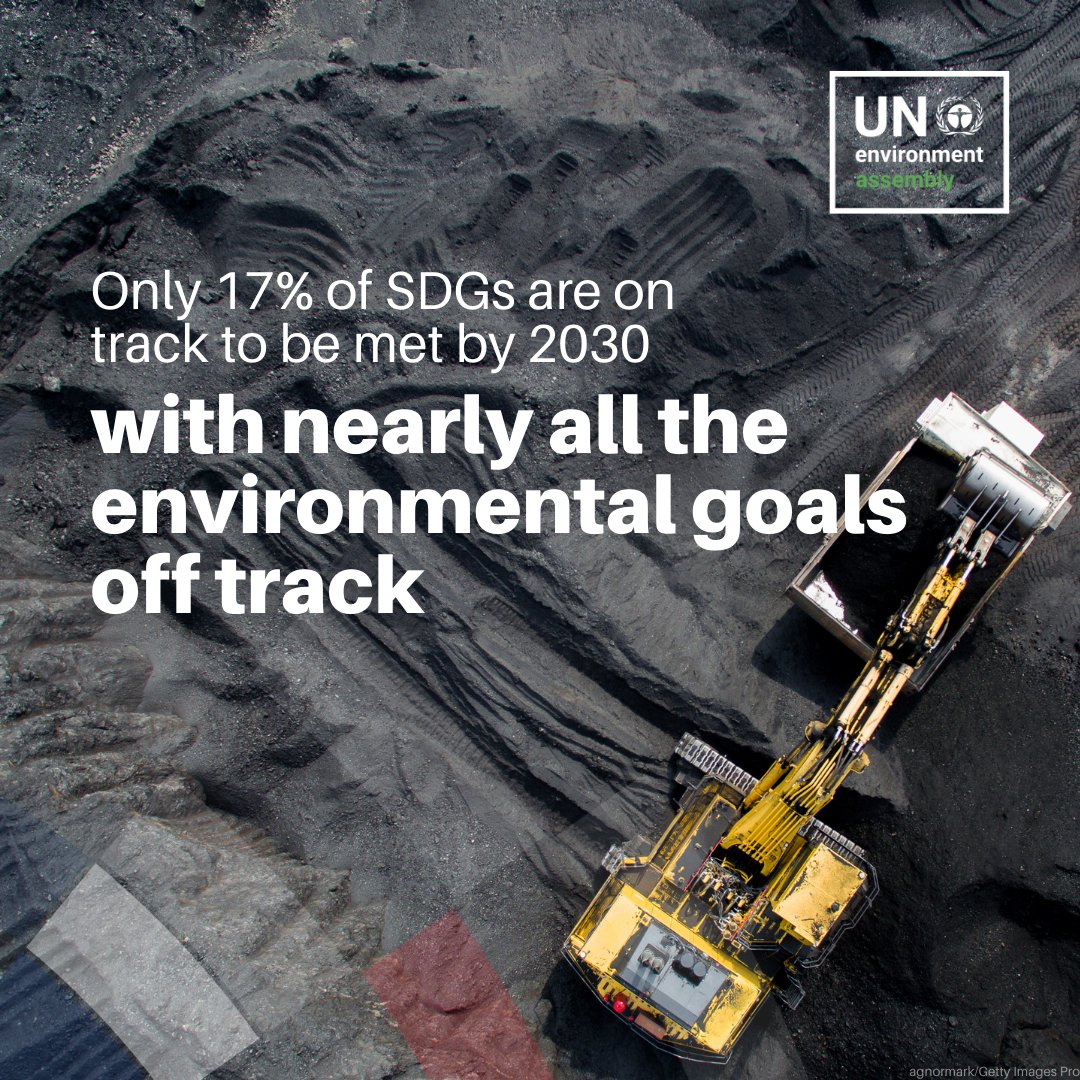
At #UNEA7 high-level segment, UNEP Executive Director @andersen_inger stressed that a safe climate and healthy nature are the basis for thriving societies.
She called on countries to move from commitments to concrete results and to scale the solutions already within reach.
Full remarks: https://t.co/EsVedrPSLJ
Our discarded plastic doesn’t disappear - it lingers, polluting our planet, and impacting people and nature🛑.
But it’s not too late to act. Governments must act to #StopPlasticPollution. #UNEA7
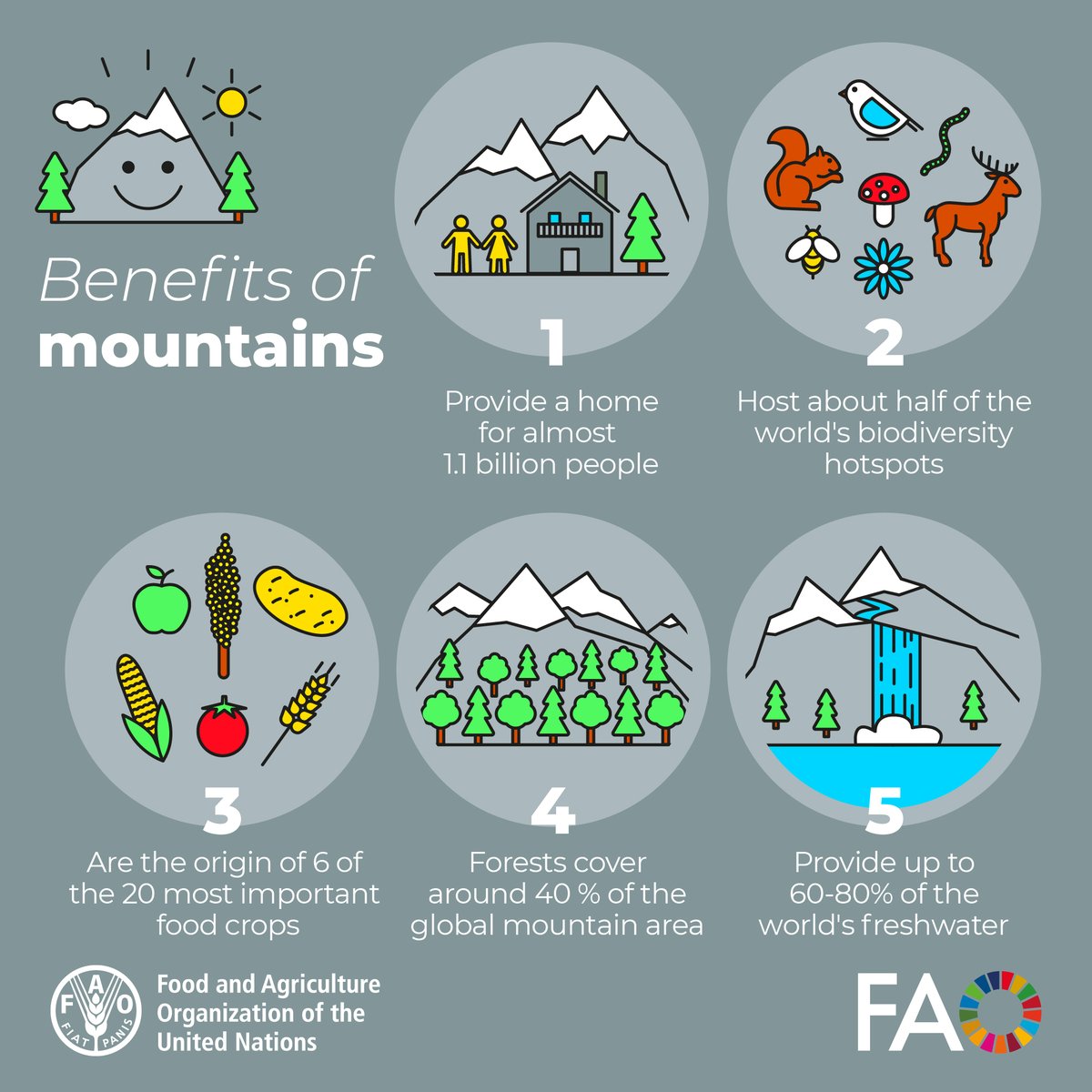
🗻 #MountainsMatter because they:
🏠 Provide homes for 1.1 billion people
🌱 Host half of the world's biodiversity hotspots
🌾 Are the origin of 6 of the top 20 food crops
🌳 Forests cover 40% of global mountain areas
💧 Provide 60-80% of the world's freshwater
@UNMountains
🌍#WRIExplains: The Land-Use Climate Change Feedback Loop👉 https://t.co/yGHqmCcR80
Land-use change is a big driver of global warming—deforestation and agriculture alone cause nearly 25% of human-made greenhouse gas emissions.
Cutting down trees, plowing up grasslands and draining wetlands release GHGs that fuel climate change. But satellite monitoring shows that this relationship is a two-way street. Climate change itself is increasingly leading to the loss and degradation of forests, grasslands, wetlands, rivers and even farms, creating a dangerous feedback loop.
How can communities track real restoration progress on the ground?
The Community-Based Restoration Monitoring System (CBRMS) gives users a simple digital tool to monitor tree growth, species, soil conditions, water levels & more, all in one place.
Explore:🔗 https://t.co/m4P6edOBWG
#Trees4Resilience
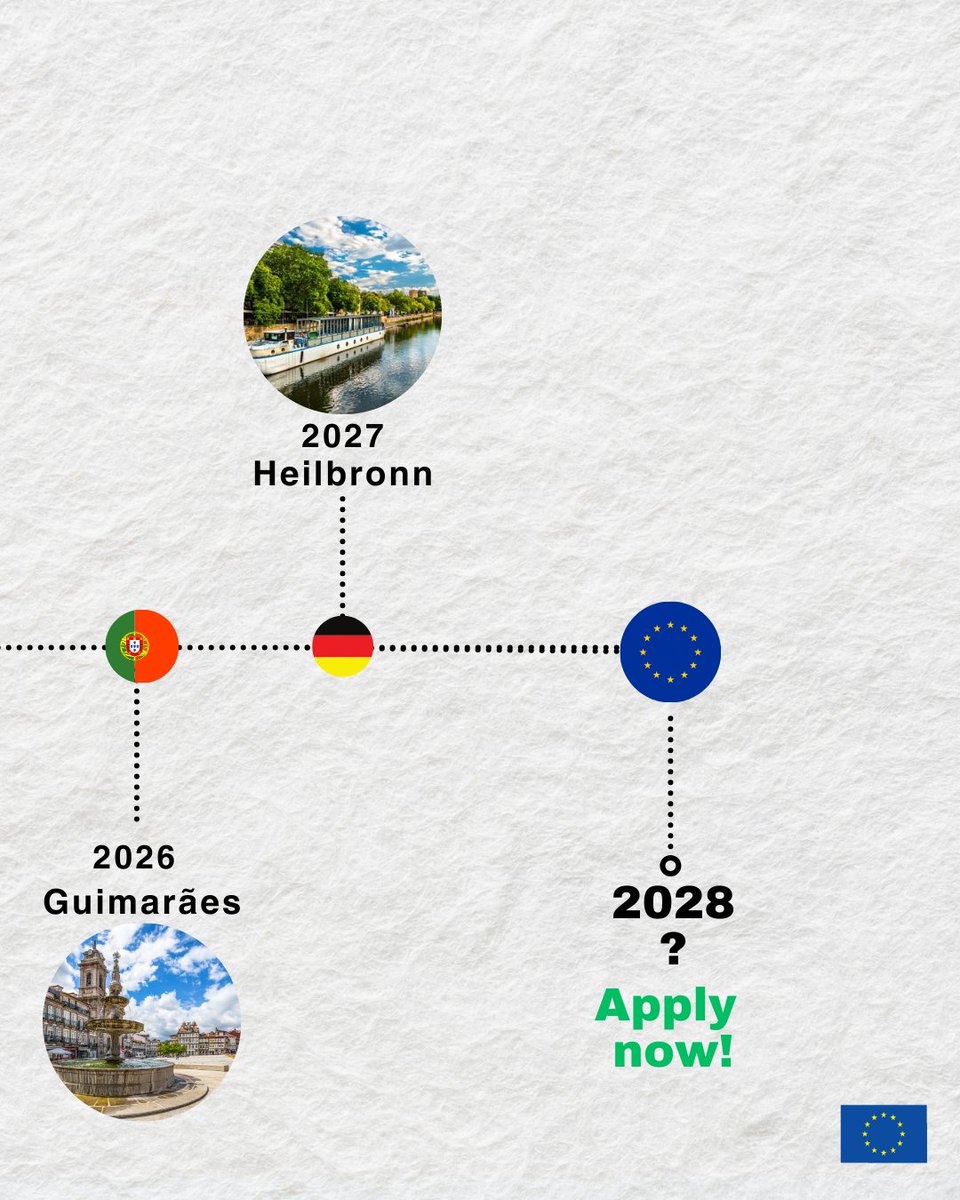
Do you live in a green city?🍃
Make it apply for the 2028 European #GreenCapital and #GreenLeaf Awards.
With more than 2/3 of Europeans living in urban areas, cities are central to addressing the climate, pollution and biodiversity crises.
More: https://t.co/JgF49xGxvy
♻️ Transitioning to a circular economy — one built on reducing, reusing and recycling — can reduce environmental pressures while building a more resilient, efficient economic system.
Here are 9 key insights from #SystemsChangeLab 👉 https://t.co/pcaaPU3WKp
🌳 Why do native trees matter?
They safeguard biodiversity, boost climate resilience, enhance ecosystem services, support livelihoods, and preserve cultural heritage.
Learn more about the benefits of native tree species. 🔗: https://t.co/tUkgX3fdD8
#Trees4Resilience
The world’s forests are mostly publicly owned.
Get more data on the world’s forests in @FAO’s Global Forest Resources Assessment 2025 👉 https://t.co/iArtixHde6
#FRA2025
🌱 Soil is more than just dirt! It is teeming with life and is essential for a healthy planet and healthy people.
Ahead of #WorldSoilDay, learn more about soil health: what it is, what it contains, and why it matters.>>>
#Trees4Resilience#SaveSoil#WSD2025
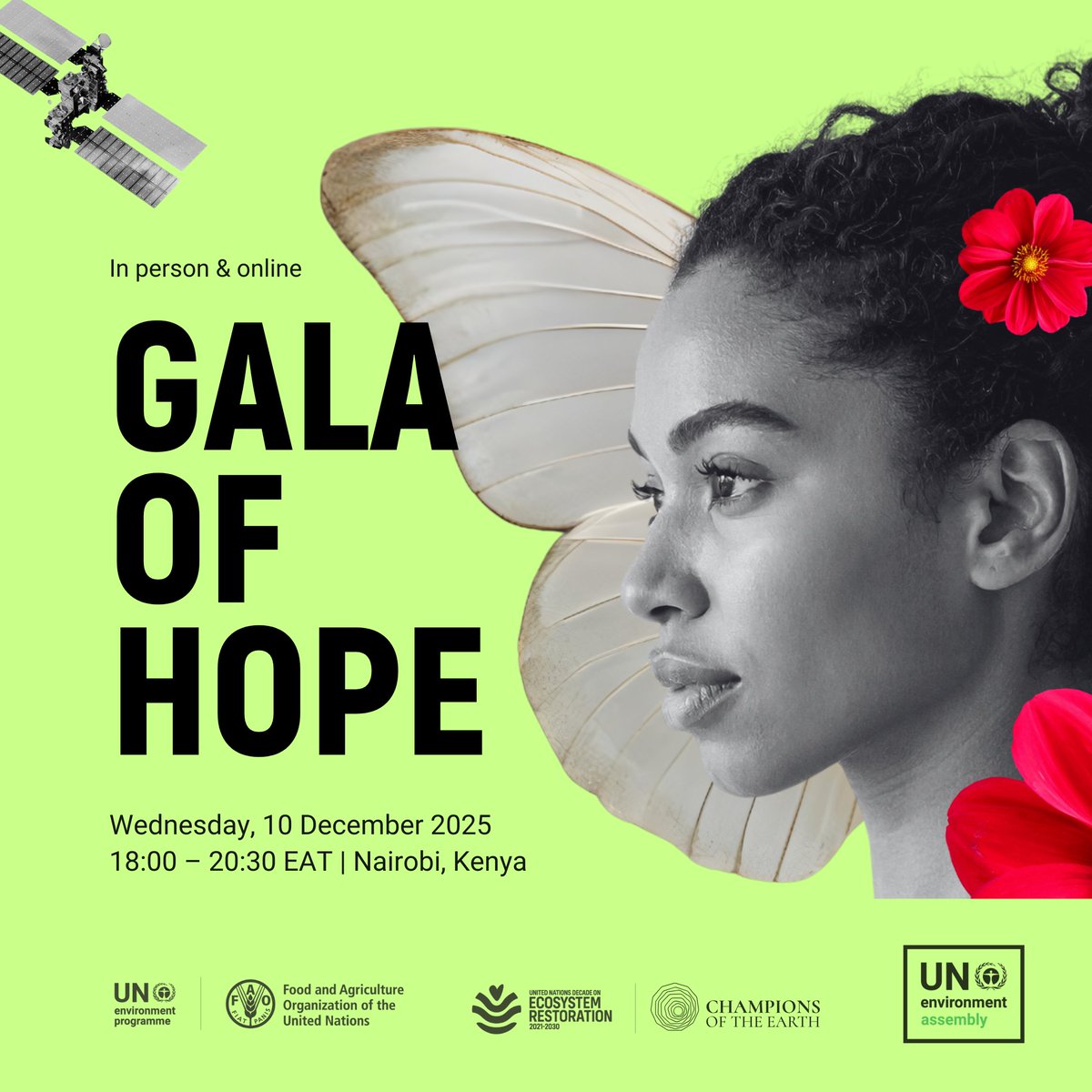
🌱 Join @FAO and @UNEP for the Gala of Hope at #UNEA7 to celebrate the unveiling of 3️⃣ new UN World Restoration Flagships!
🗓️ Weds 10 December 2025
⏰ 18:00-20:30 EAT
Register today 👉 https://t.co/3vxROdxCx3
#GenerationRestoration@Decade2Restore
The world is facing real environmental pressures, but we already know what works: restoring ecosystems, cutting pollution, and investing in clean energy all strengthen resilience.
#UNEA7 is a key moment for countries to build on this progress and step up action for a more resilient planet: https://t.co/FujOA5VAVn
The lack of recognition of the benefits provided by healthy urban soils leaves cities more vulnerable to floods, heat, and pollution.
Investing in healthy soils is a cost-effective way to save money, protect health, and strengthen urban systems.
#WorldSoilDay#GreenCities
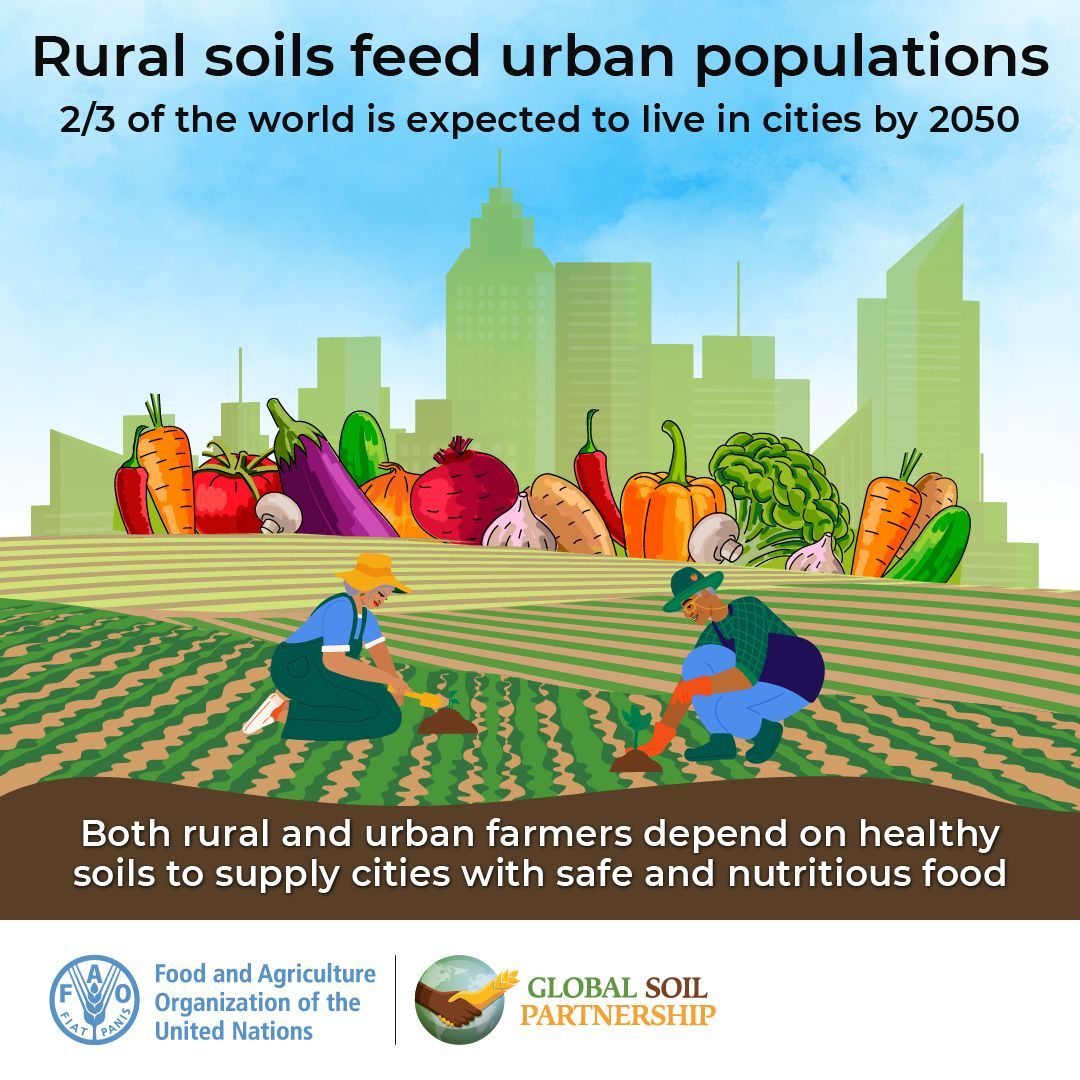
Over 80% of the world’s food comes from family farmers who depend on #HealthySoils.
Soils in rural areas remain essential to feed urban populations, sustain farmers’ livelihoods and strengthen global food security.
#WorldSoilDay#GreenCities
DYK that Indigenous Peoples manage 25% of the world’s land, safeguarding biodiversity and carbon sinks?
Their traditional knowledge is crucial for effective climate policies and conservation efforts.
Find out more: https://t.co/SMmkbZ8gaw
#Climateaction
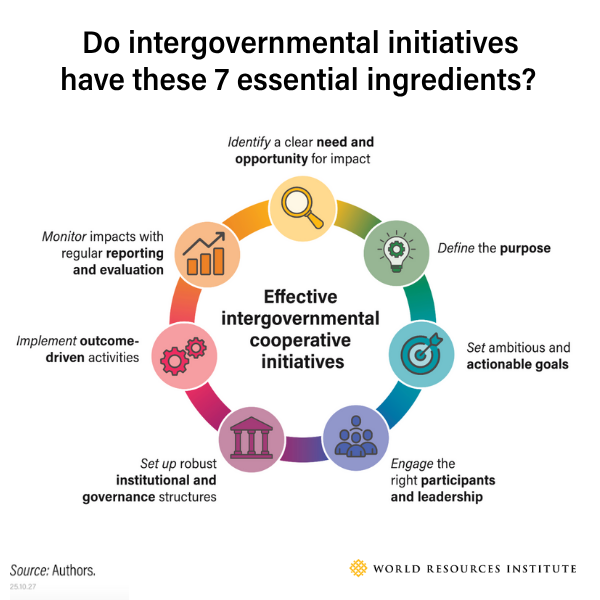
International climate governance often lacks accountability—but it doesn’t have to.
@WRIClimate experts developed a practical framework for building coalitions that catalyze national action, drive #InternationalCooperation & spur systemic change 👉 https://t.co/TffDHHFOTg
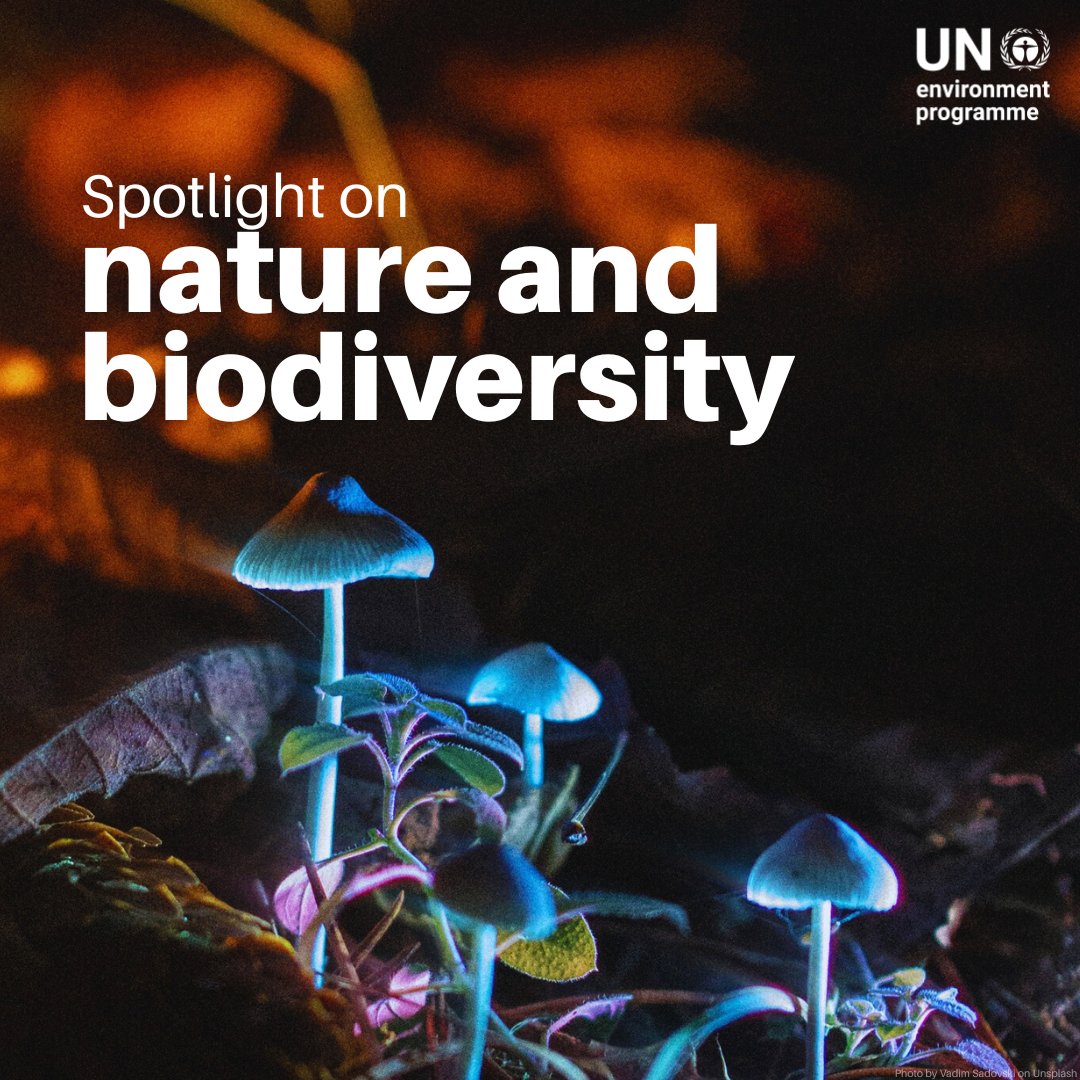
When nature suffers, so does humanity.
One million species are at risk of extinction, and ecosystem degradation is affecting 40% of the global population.
Stay up to date with the latest solutions and actions #ForPeopleForPlanet: https://t.co/yOgBYRorlS
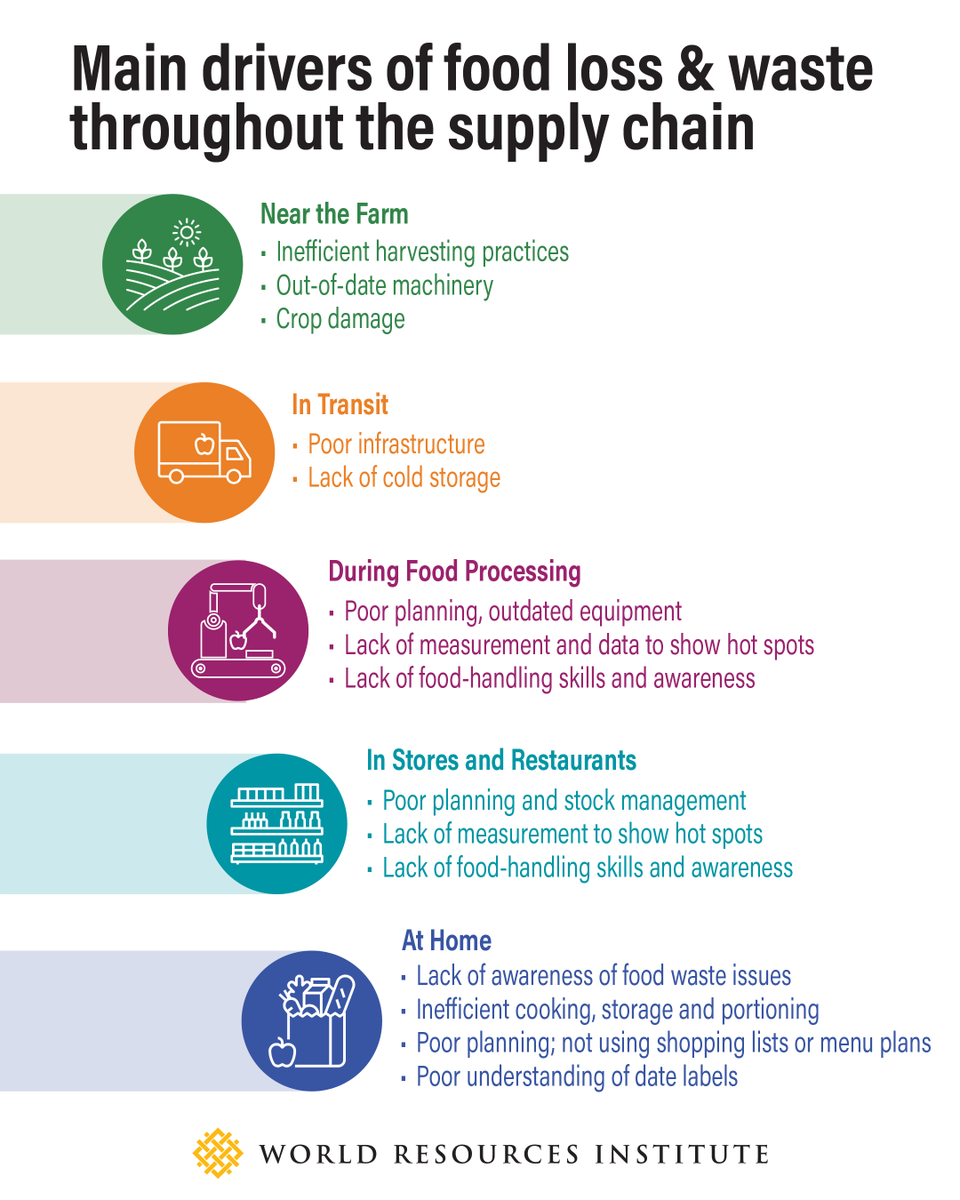
🍲How do you save your leftovers?
🍅Food loss and waste are caused by a wide range of issues, from technological challenges to consumer behaviors. Here are some common drivers👇
Learn how systemic and individual change reduce food loss & waste: https://t.co/n53zidlX0N
As young people gather in Nairobi for #YEA2025 to advocate for environmental action and a sustainable planet ahead of #UNEA7, discover how UNEP empowers youth to lead the way toward a better tomorrow: https://t.co/T71iLNpUKJ