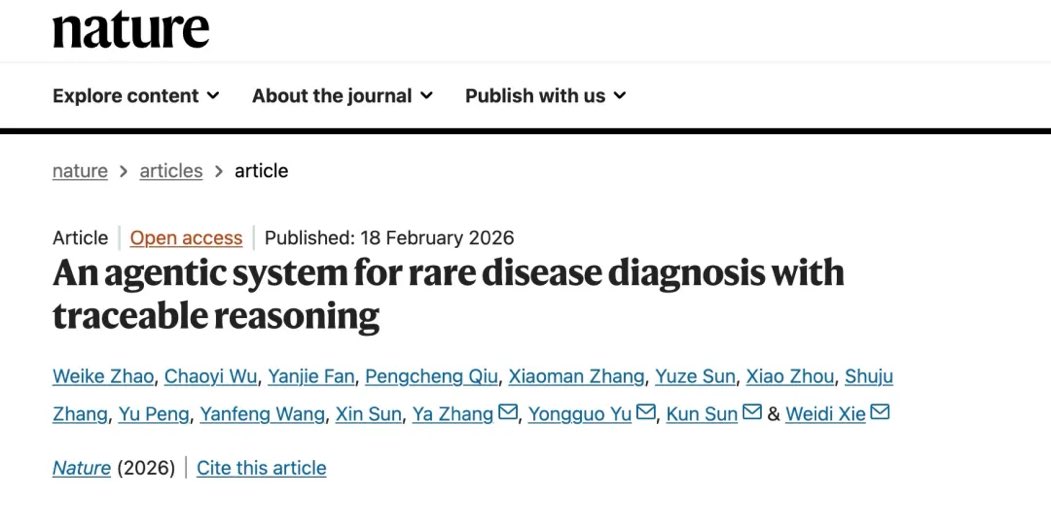
My university lab (shanghai jiao tong @sjtu1896 ) just made an “agentic” AI system for diagnosing rare diseases really well. It doesn’t just guess either, it shows traceable reasoning linked to evidence so you can verify.
This specific paper looks really cool too, it works like a team (multiple agents not just one chatbot). It takes messy clinical data and outputs a really nice list with reasons, exactly whats needed!
The west very rarely makes AI for rare diseases because it’s not profitable, so its nice to see China doing lots of work on it. This is the type of work that will help save lives (not chatgpt/claude chatbots..) and its where China is absolutely leading in
Excited to share our new paper in Nature Methods! 🚀
We present iSCALE, a “Google Map” for spatial transcriptomics, scaling cellular-resolution gene expression mapping to large-sized tissues beyond the reach of current platforms. 👉https://t.co/WBvR4Cyirr
Human endometrial tissue mapped using CODA and InterpolAI
Red: endothelial cells; yellow: epithelial cells; purple: stromal cells
More about this here: https://t.co/ABJrYxgVw2
More about CODA: https://t.co/OrRXmybBZe
More about InterpolAI: https://t.co/LIpzl3heoB
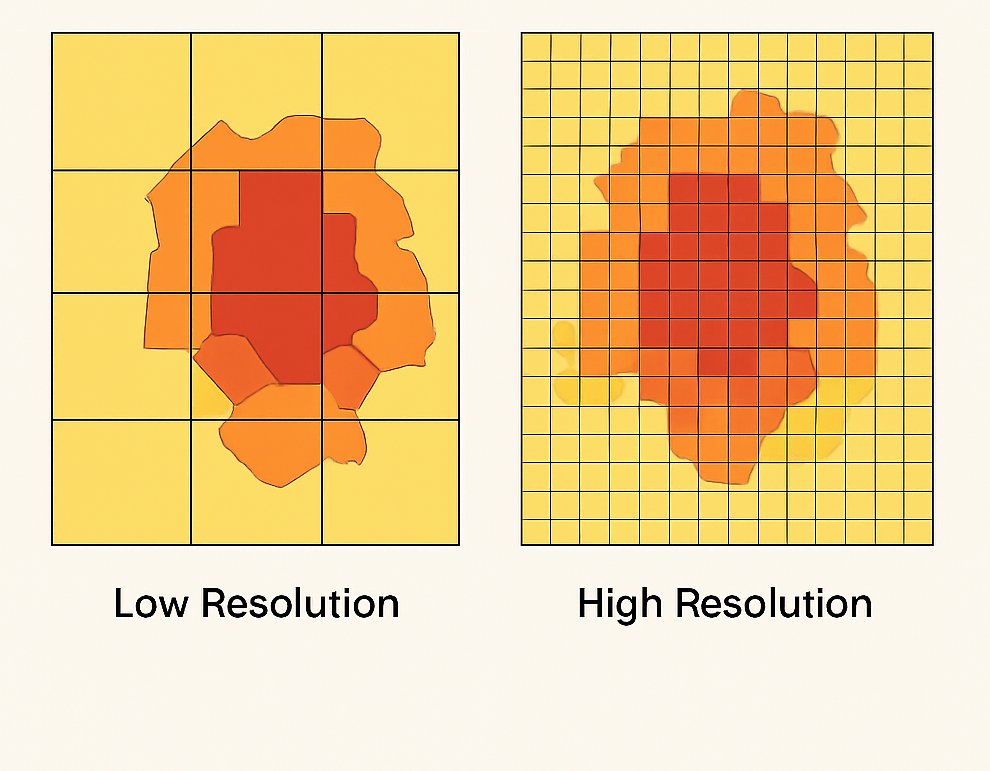
Changing your map’s resolution can change your conclusions.
It’s called the Support Effect.
And it distorts everything from poverty estimates to climate models.
Here’s how it works:
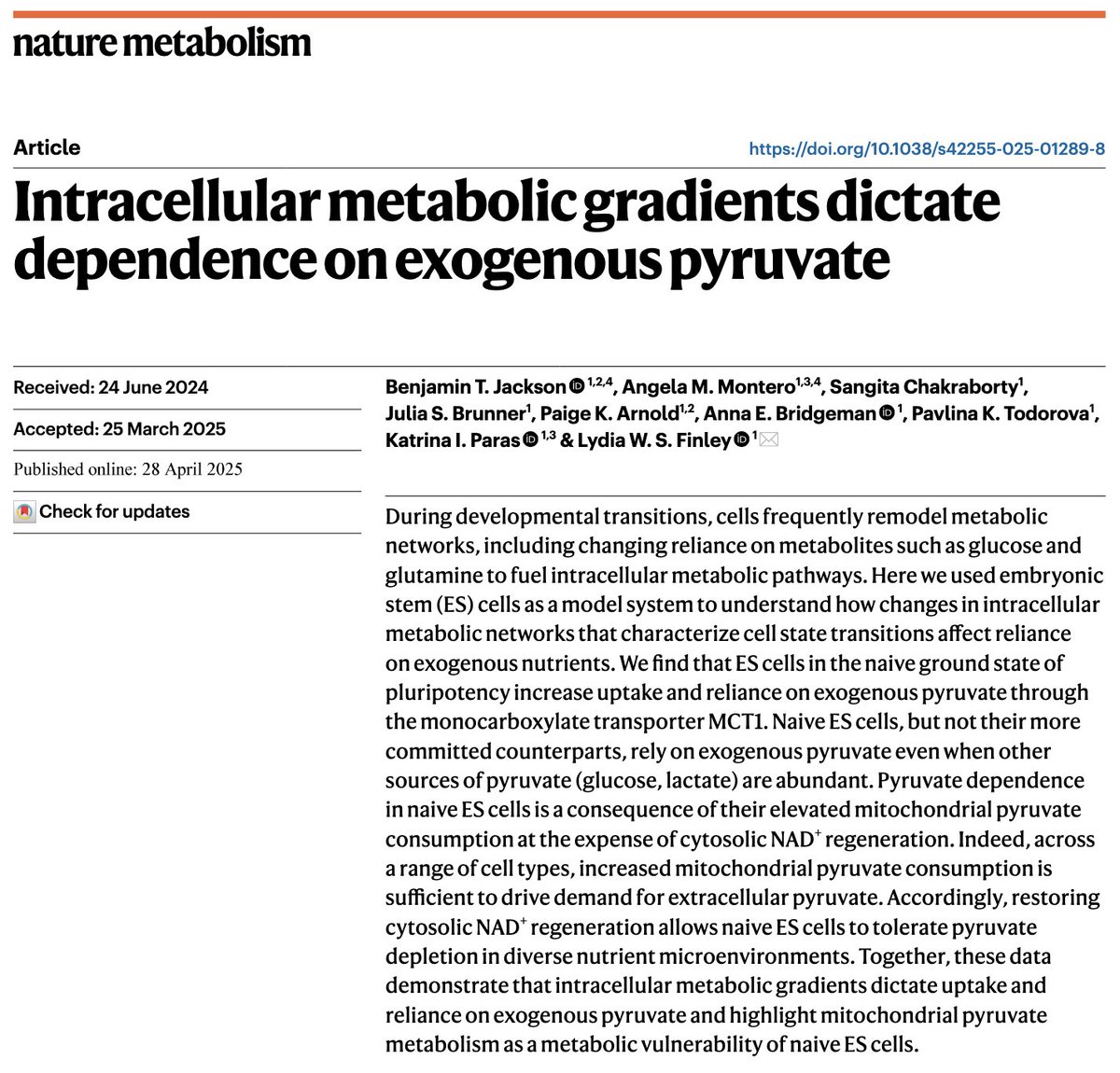
Our latest work, led by @__btjackson and Angela Montero @MSKCancerCenter demonstrates how intracellular metabolic gradients induce dependence on exogenous pyruvate in embryonic stem cells
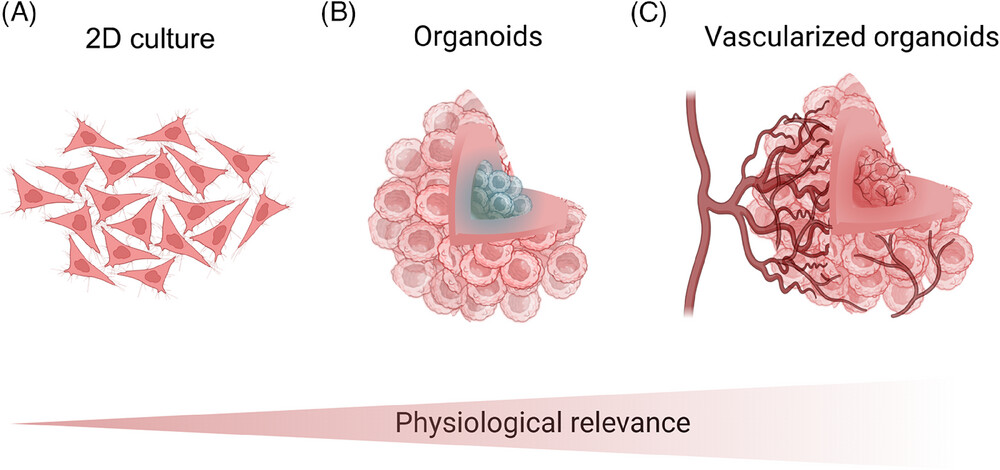
💾 Save this review for a literature recap on vascularized #organoids.
Scientists provide an in-depth overview of the current landscape of vascularized organoid fabrication and functionality, addressing challenges and opportunities within the field.
https://t.co/ZgauOocBIn
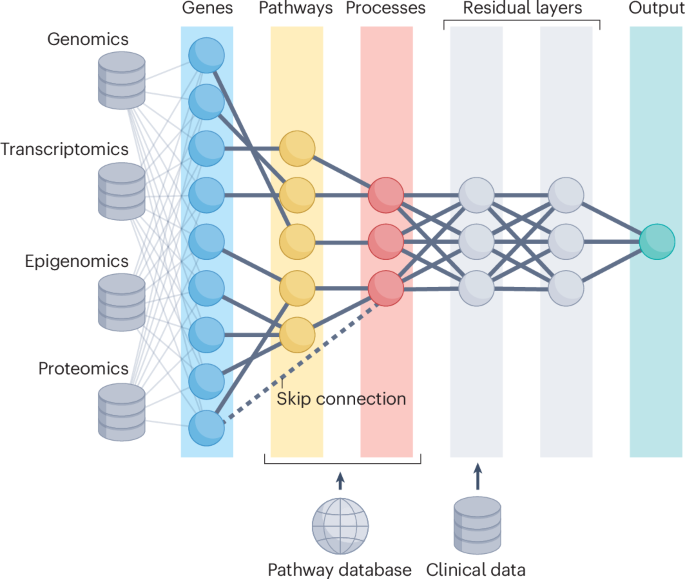
Delighted to announce the publication of our 10 hallmarks of AI in precision oncology Review paper in Nature Cancer! This work provides a comprehensive, up-to-date synthesis of AI’s transformative role in cancer care. Check it out here: https://t.co/DiU1W66MAo
Ever wondered why we do all these #Omics?
Here is your answer: https://t.co/wexzIPc5wt 📜
Multi-Omics integration of a Human Cell Atlas (@humancellatlas ) of the Kidney, coordinated by the #HCA Standards and Technology Working Group and co-led by @eli_mereu.
Datasets:
10x Genomics scRNA 3´and 5 plus single-nuclei 3´ RNA-seq. Special guests: Smart-seq2 and scNMT-seq.
Highlights:
1. Identification of rare and clinically relevant cell types, such as WFDC2+ thick ascending limb cells and Norn cells (EPO-producing fibroblasts).
2. Improved kidney disease trait heritability analysis and enhanced functional annotation of disease-associated loci.
Extra feature:
scOMM, an interpretable machine learning tool for multimodal cell-type classification and benchmarking.
Enjoy reading bioRxiv & medRxiv:
https://t.co/wexzIPc5wt