Big progress vs cancer, folks.
The kind of event curves from randomized trials that we've not seen before for a couple of the most deadly cancers. Congrats to the oncology research community for getting these trial done. #ASCO26, @ASCO
Cheers, chills, and a standing ovation when RASolute 302 showed unprecedented survival on daraxonrasib for patients with progressive pancreatic cancer
Seldom do you sense you’re witnessing a historic moment in cancer care but this feels like ras targeting has arrived
#ASCO26
New @Nature study: >50% of lung cancer metastases are seeded by other metastases, not the primary tumor. This "seeding from seeding" reveals a complex evolutionary cascade that allows cancer to colonize the body.
https://t.co/lYUyfRYOcP
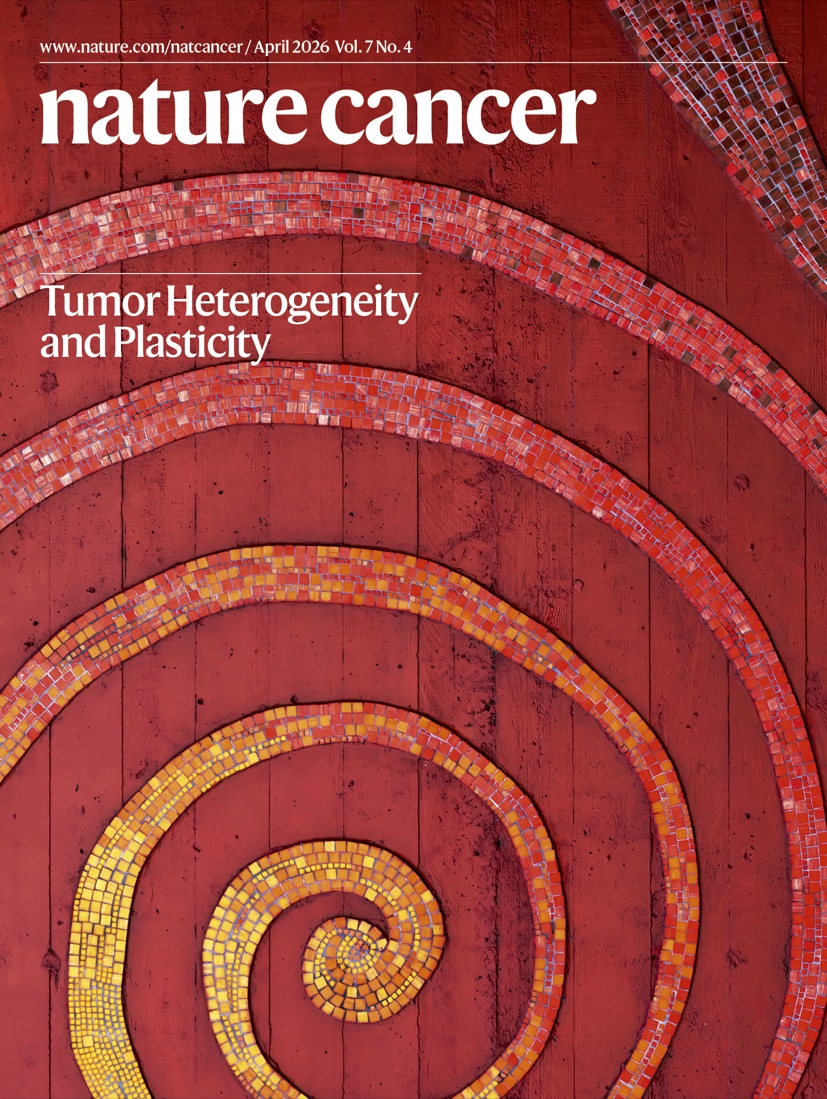
📢Today we launch our Series on Tumor Heterogeneity and Plasticity featuring commissioned Reviews and a selection of articles published in Nature Cancer!
Read about EMT, CAF plasticity, immune cell plasticity, cellular neighborhoods and more here:
🔗https://t.co/XudgPd5Vax
One of the largest wearables datasets for biomedical research is available through NIH's All of Us Research Program. 59,000+ participants. 14 years. 39M step observations. Linked to EHR, genomics, and surveys. A new real-world data resource to understand activity, sleep, and chronic disease.
Read more: https://t.co/6Ua4KWzg51
Dearest gentle reader, we are delighted to announce a new story from our lab published in @Nature describing how a meal's systemic metabolic changes are interpreted by your immune system to enhance adaptive immunity. A thread 1/ https://t.co/zACqCLxDMU
A Mayo Clinic-developed artificial intelligence (AI) model can help specialists detect pancreatic cancer on routine abdominal CT scans up to three years before clinical diagnosis. It identifies subtle signs of disease before tumors are visible, when curative treatment may still be possible. The findings, published in Gut, mark a milestone in Mayo Clinic's multiyear research effort to enable earlier detection of one of the deadliest cancers.
Learn more: https://t.co/EJySSkaW3P
Online here: https://t.co/nzzWChWPkD
Open access here: https://t.co/MEUA5HUeGx
Key supporters of this work are @CR_UK , @CRUKLungCentre , @UCLHresearch alongside many others
Statistical Rethinking 2026 is done: 20 new lectures emphasizing logical & critical statistical workflow, from basics of probability to causal inference to reliable computation to sensitivity. It's all free, made just for you. Lecture list & links: https://t.co/jFpoiNC6oW
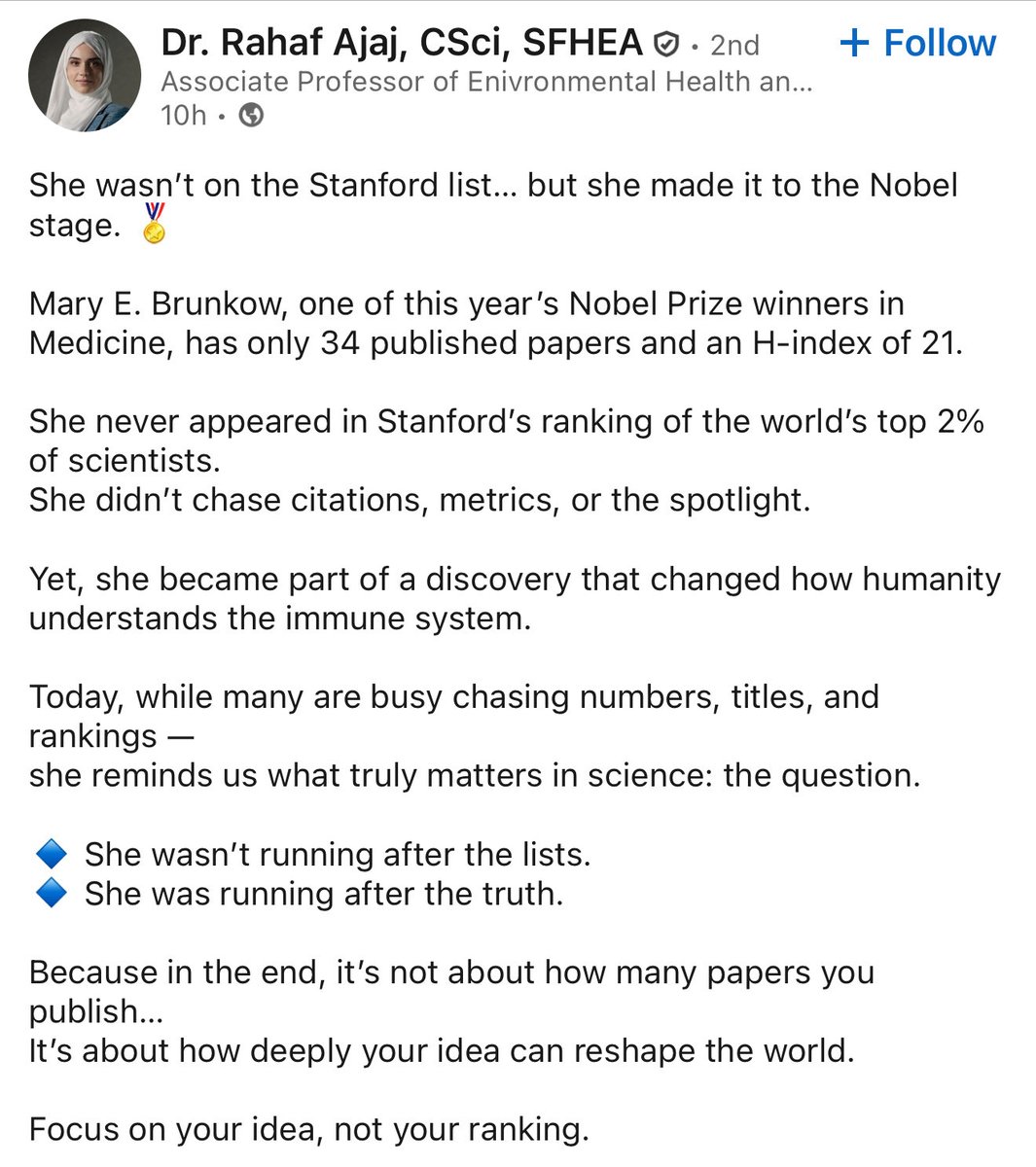
✅✅ A reminder by Dr. Rahaf Ajaj:
She wasn’t on the Stanford list… but she made it to the Nobel stage. 🏅
Mary E. Brunkow, one of this year’s Nobel Prize winners in Medicine, has only 34 published papers and an H-index of 21.
She never appeared in Stanford’s ranking of the world’s top 2% of scientists.
She didn’t chase citations, metrics, or the spotlight.
Yet, she became part of a discovery that changed how humanity understands the immune system.
Today, while many are busy chasing numbers, titles, and rankings —
she reminds us what truly matters in science: the question.
🔹 She wasn’t running after the lists.
🔹 She was running after the truth.
Because in the end, it’s not about how many papers you publish…
It’s about how deeply your idea can reshape the world.
Focus on your idea, not your ranking.
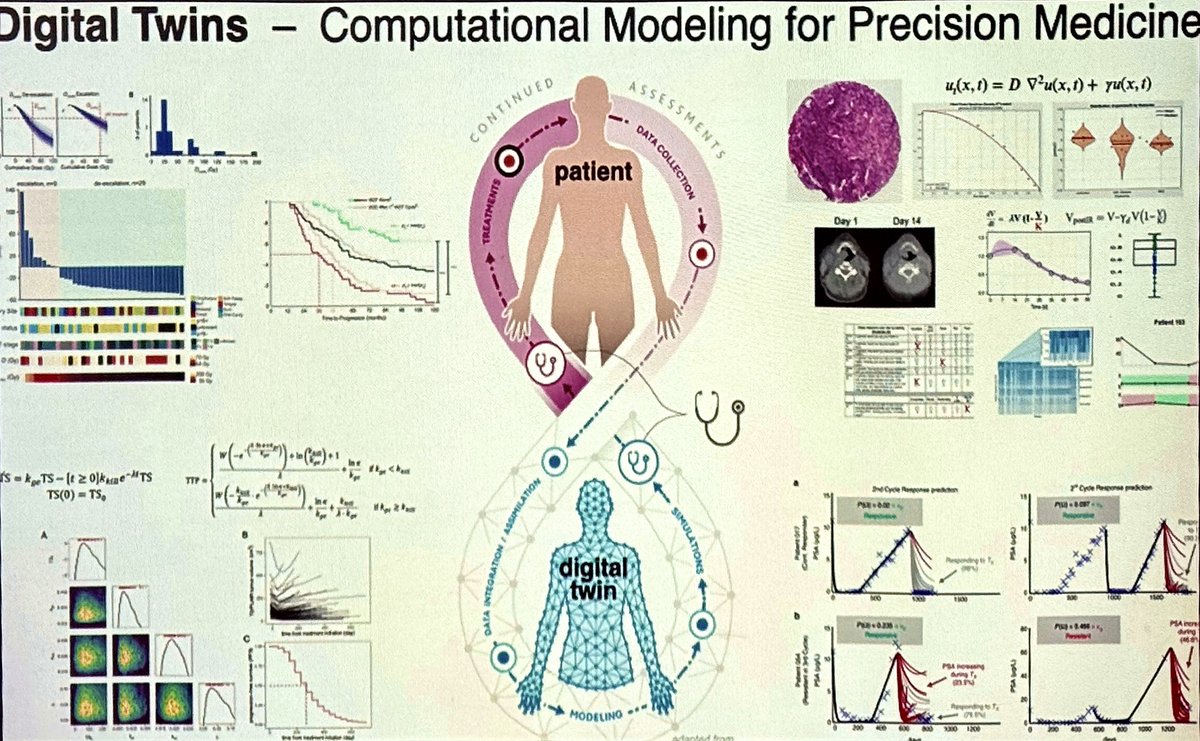
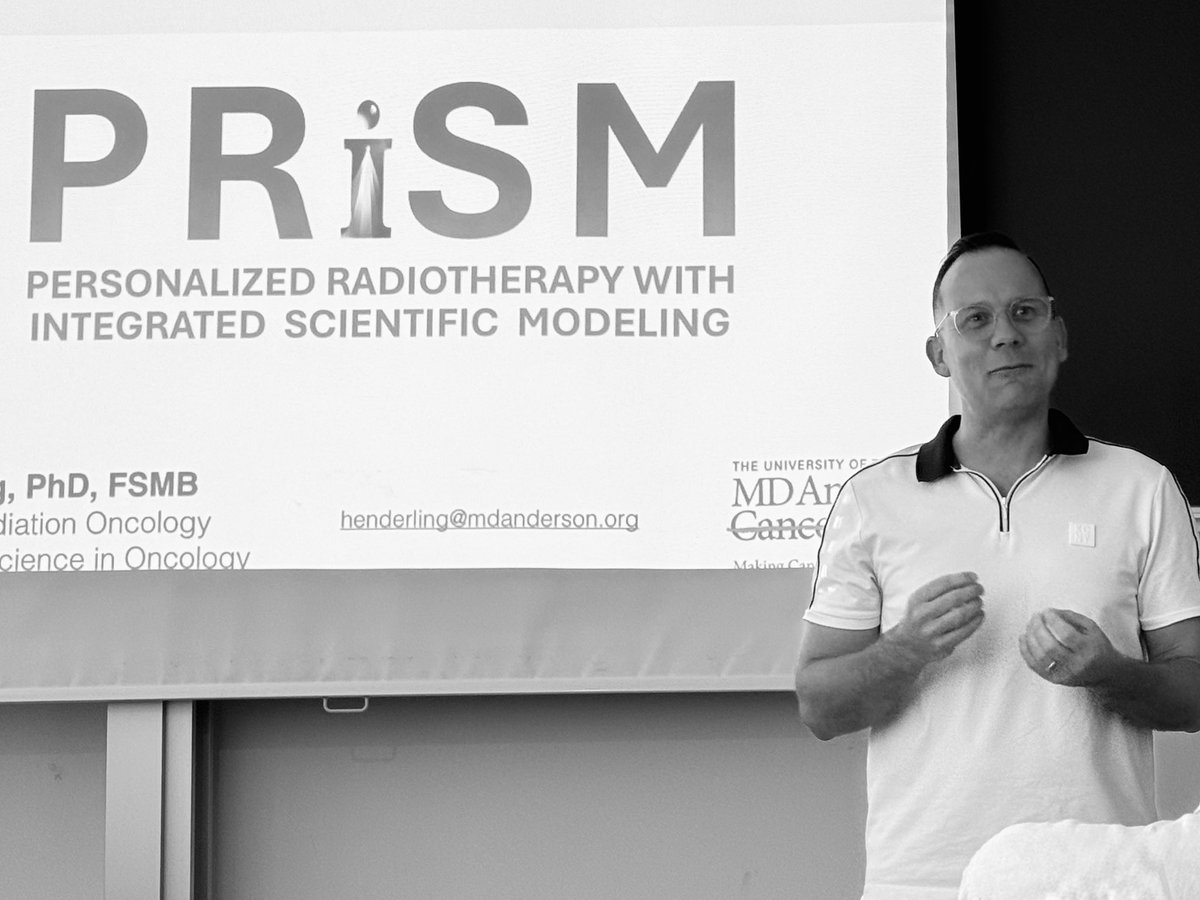
Attending “Math for Medicine (against cancer)” workshop at the Wolfgang Pauli Institute in Vienna. First up is friend and former @mathonco member Heiko Enderling discussing, PRISM: Personalized radiotherapy with integrated scientific modeling.
More on collective behavior: Our new Annual Review of Biophysics piece - with the stellar Danielle Chase - explores how animals sense, share information, and make group decisions. In honeybees and beyond 🐝
https://t.co/UcuG35gUu5
Cable bacteria link together (thousands of cells, end-to-end) to conduct electrons across distances up to 7 centimeters. They are living batteries.
They were discovered in Aarhus, Denmark in 2012. I visited Aarhus last year to see them in person, and wrote about it today.
HERNANDEZ: What did you see in ‘Alligator Alcatraz’?
SMITH: We saw a lot of people are getting very rich. And it’s the Republican donors being given $450 MILLION in contracts to build and run this site.
Just a year ago, the U.S. was better at predicting storms’ tracks than it had ever been. But now, @ZoeSchlanger reports, the country is rapidly losing state-of-the-art forecasting, just in time for hurricane season’s busiest months: https://t.co/m8DIX1eNiw