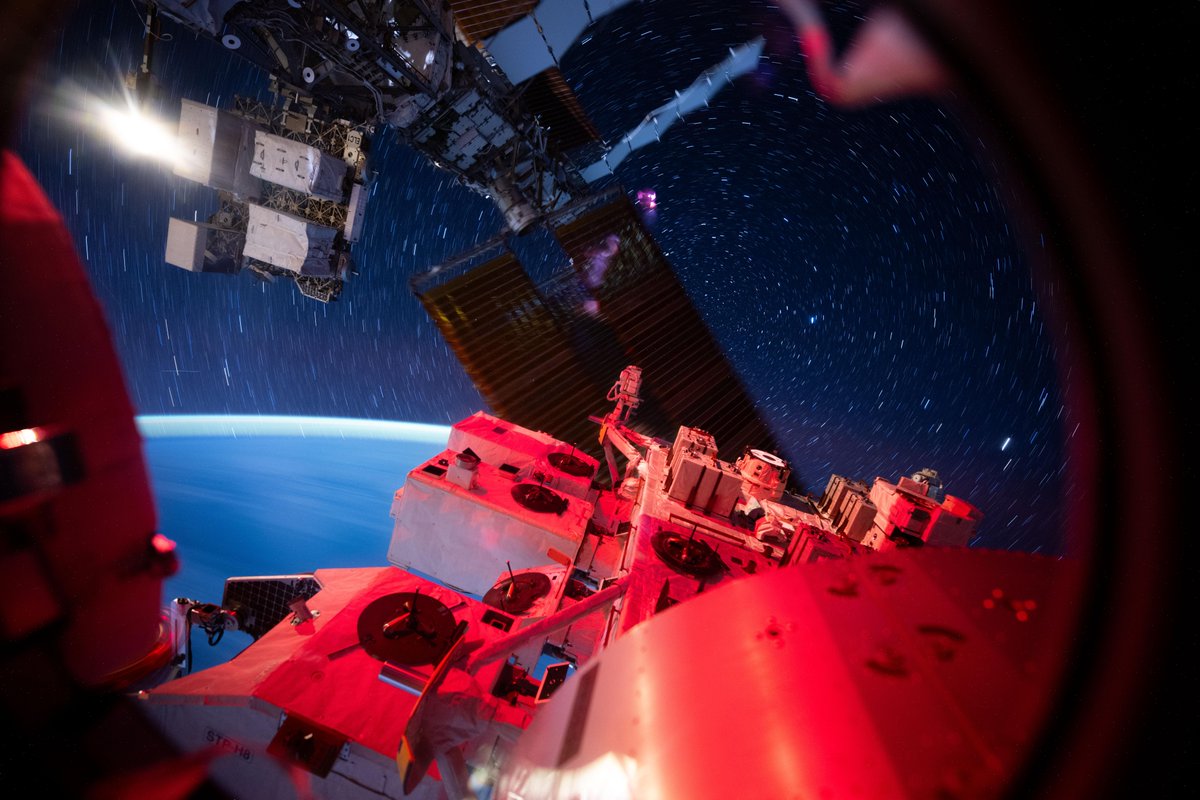
What did we learn on the International Space Station last year?
From miniaturizing surgery to testing better batteries, explore the hundreds of experiments that scientists ran on the @Space_Station in 2025 to benefit humans on and off the planet: https://t.co/PhbCCQvS1j
Deadline approaching: You have until May 22 to apply for our fall internships. 🚨
We provide short‑term, hands‑on opportunities for students to work on essential NASA projects – including ones that help future Artemis missions. https://t.co/K7DPe9CQiP
There are millions of food orders placed every single day in India resulting in tonnes of single use plastic-waste. ♻️
♻️
These plastic containers are slowly contaminating our natural resources, and even our bodies by releasing toxic chemicals and microplastics. ♻️
A startup from Karnataka wants to replace these food containers and more with fallen areca palm leaves.
They are a 100% natural alternative and work well with both hot and cold food. 🥡🌯🥗🍱
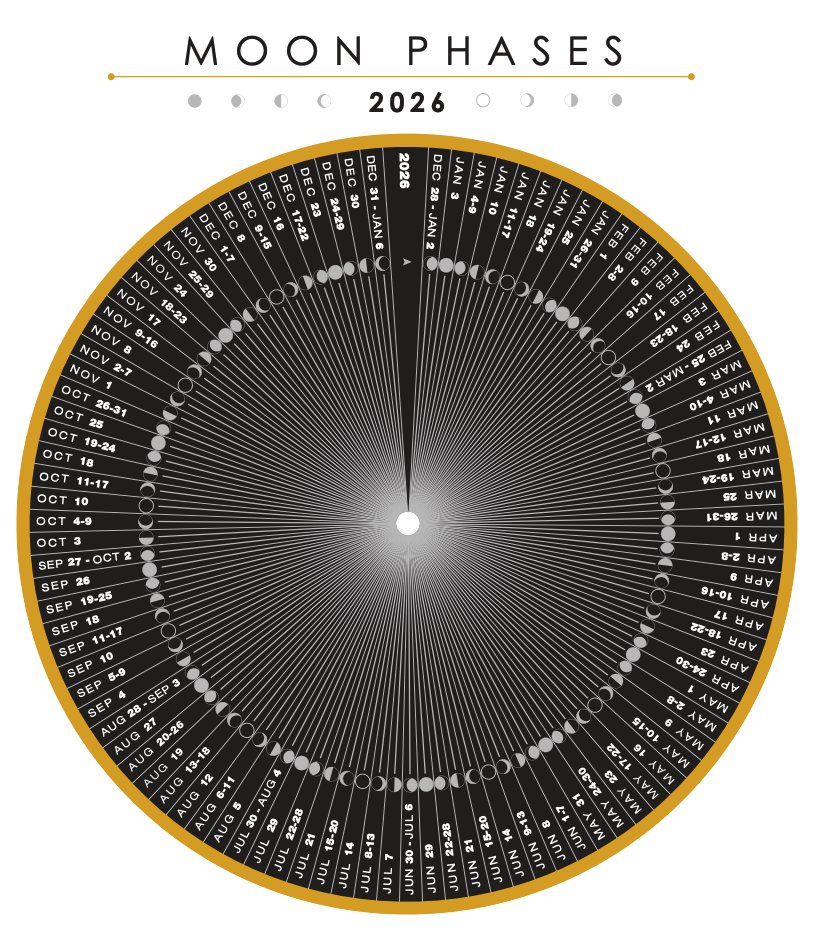
Hanging out at home for the holidays? Turn some downtime into space time. Make a 2026 Moon Phases Calendar, and follow the lunar cycle all year long!
🌖 All you need is a printer, scissors, tape, and a brass fastener: https://t.co/8KF8EYtRm1
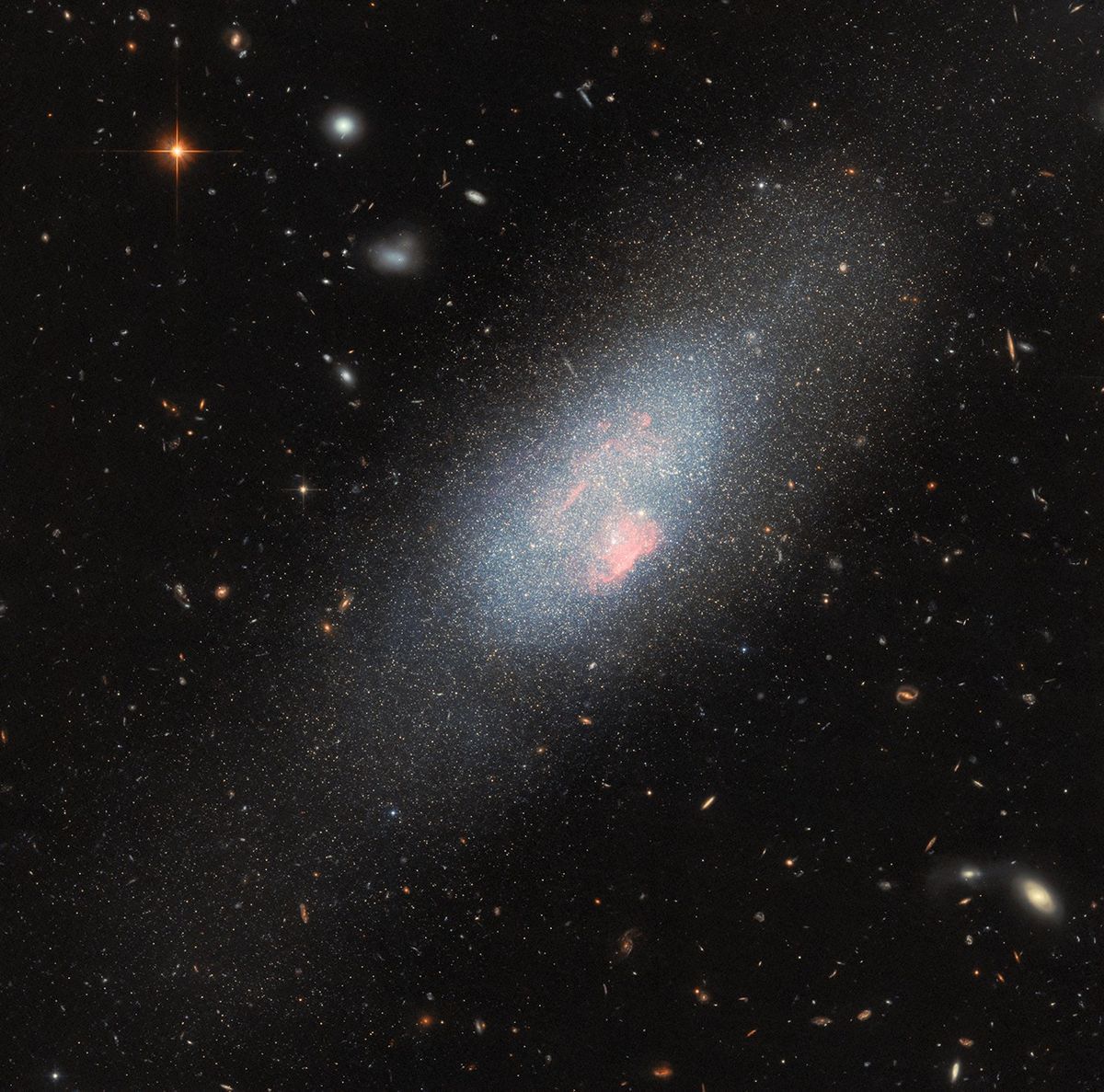
He’s red for an amazing reason!
This dwarf galaxy named Markarian 178 has a mostly blue hue, but a collection of rare massive stars gives the galaxy glowing patches of red. Learn more about this @NASAHubble image: https://t.co/2xgYU9vQxi
The night skies have some special gifts for you this December:
- The peak of the Geminid meteor shower
- The closest approach of 3I/ATLAS to Earth (at about 170 million miles)
- A Jupiter-Moon conjunction
Get more details on this month’s celestial sights: https://t.co/wmmYGYDqgb
LIVE: Watch as Sentinel-6B launches from Vandenberg Space Force Base aboard a @SpaceX Falcon 9 rocket.
The satellite will build on over 30 years of sea level data to improve weather forecasts, keep ships safe at sea, and protect coastal communities. https://t.co/AhhPrSOXzf
NISAR is one big step closer to beginning its mission to study Earth’s changing surfaces 🌏
Today, the satellite successfully unfurled its 39-foot-wide (12-meter-wide) antenna reflector. It’s the largest reflector NASA has ever deployed in space! https://t.co/UheChxU7Ou
See Hurricane Erin in 3D 🌀
Erin went through a period of rapid intensification, strengthening from a Category 1 to a Category 5 hurricane in around 24 hours.
@NASA’s GPM Core Observatory passed over Hurricane Erin at 6:23a.m. EDT on August 16th, while it was intensifying.
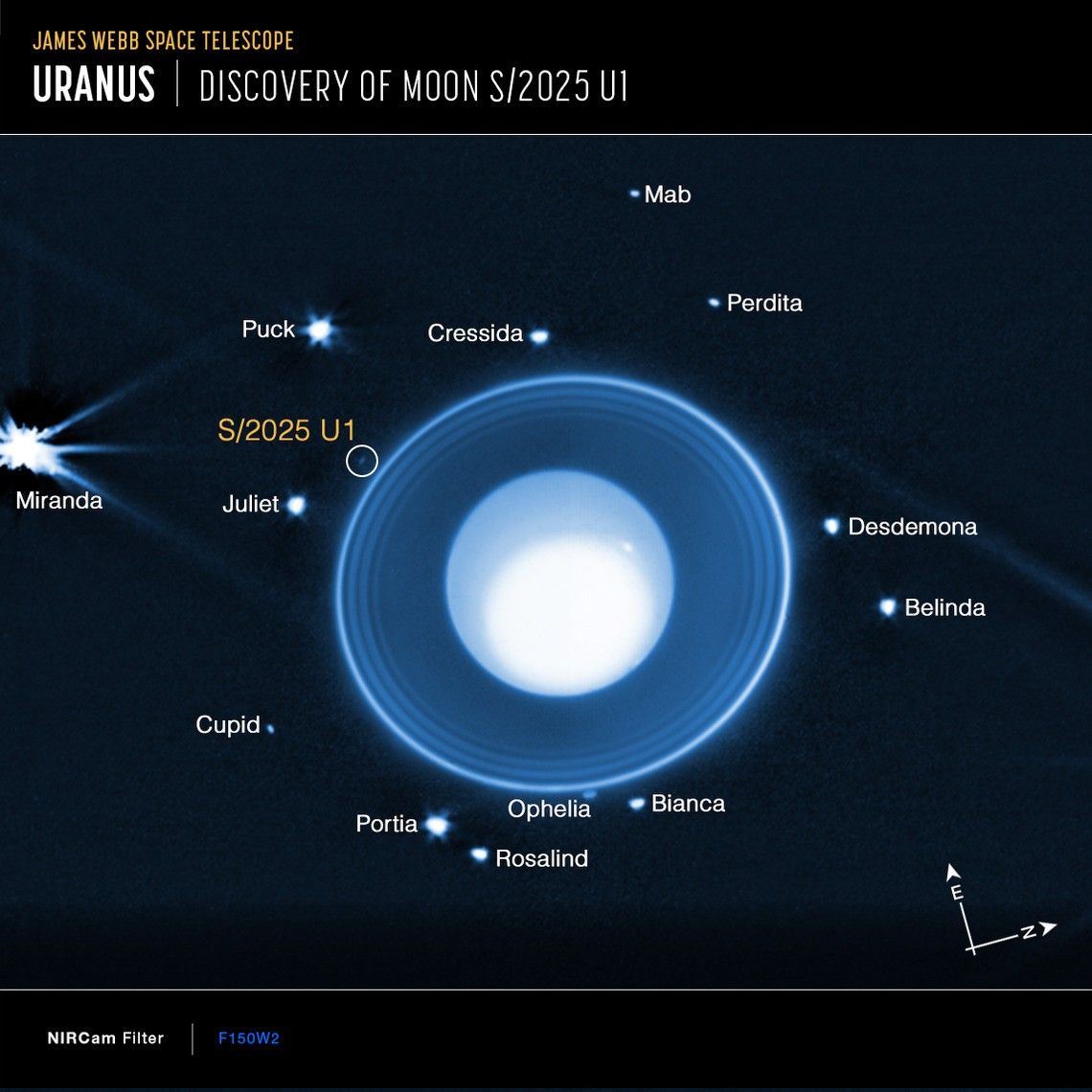
🌚 @NASAWebb spotted something new around Uranus.
A previously unknown moon was discovered circling the planet, expanding its orbital family to 29: https://t.co/7Aa0dEBL7q
Unlike earthquakes back on our home planet, a moonquake can last for hours on end.
Using samples from Apollo 17 and data from our Lunar Reconnaissance Orbiter, scientists are studying moonquake patterns—and helping keep future lunar explorers safe: https://t.co/MRqI5DF5w0
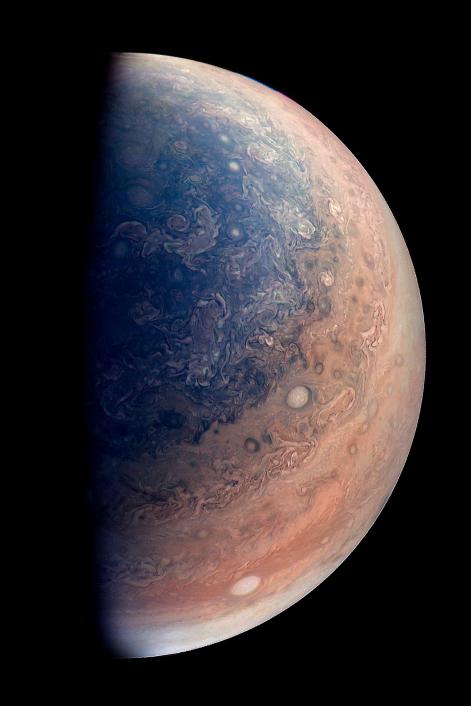
Those swirls? They’re storms on Jupiter – and some are larger than Earth!
This enhanced color view of Jupiter’s south pole was created by a citizen scientist using raw data from the Juno spacecraft's JunoCam.
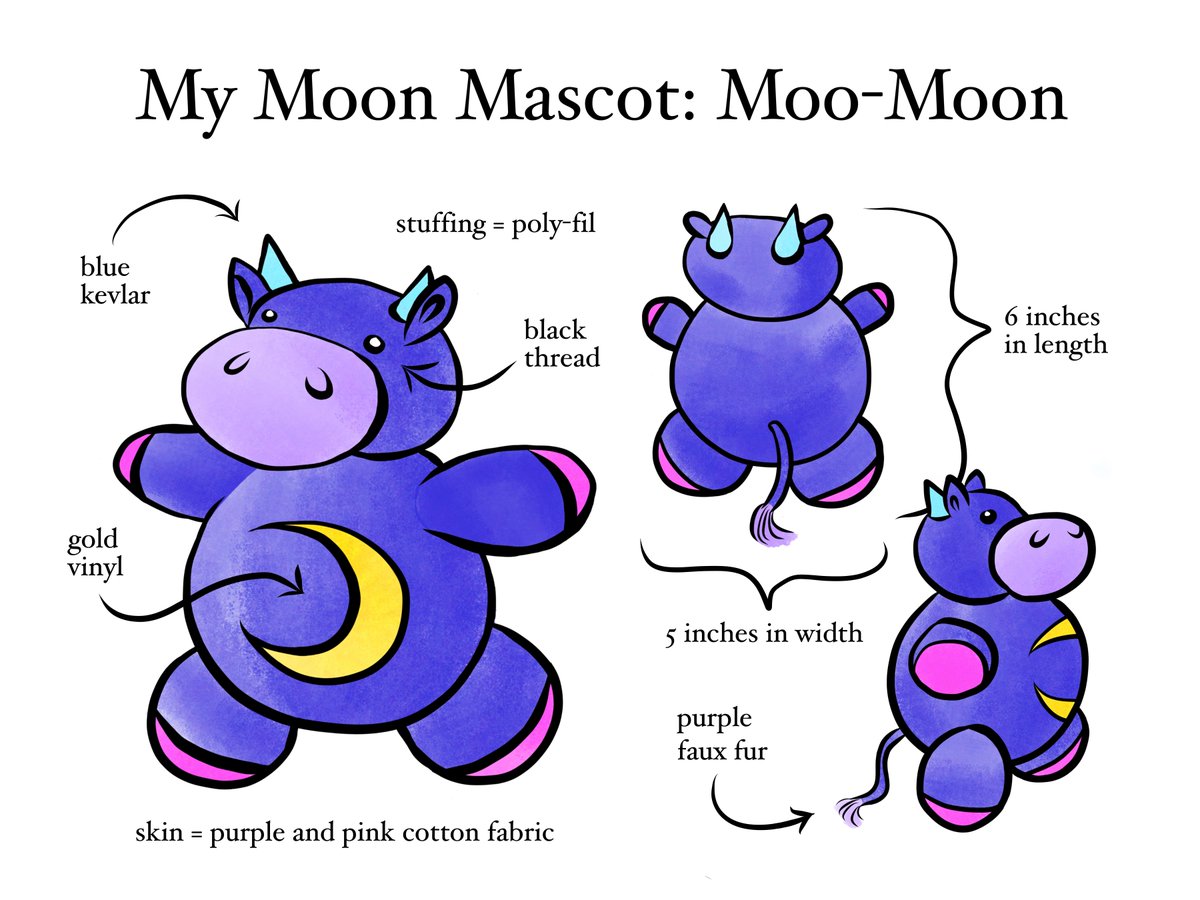
Help design a Moon Mascot for our Artemis II mission!
NASA experts will be streaming on @Twitch on Tuesday, May 13, to live-sketch a zero gravity indicator based on your suggestions—and to share how you can take part in the plushie design challenge: https://t.co/dSEqAB9cCW
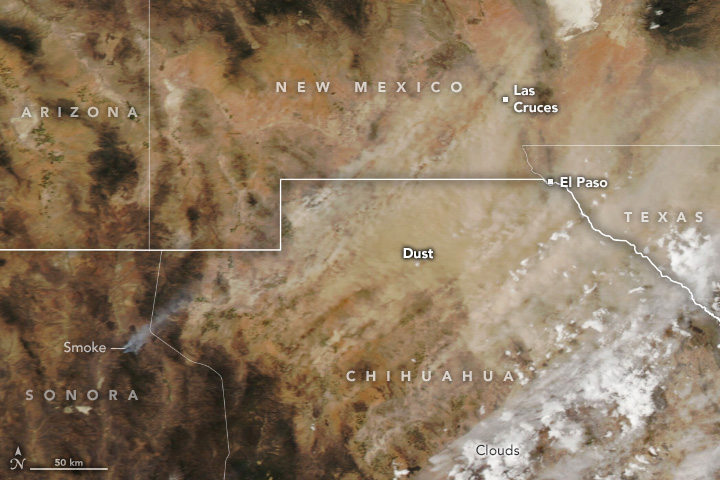
El Paso, Texas and the Borderplex region are experiencing one of the dustiest seasons since the 1930s Dust Bowl.
@nasa’s Aqua satellite captured this image of a dust storm on April 27, 2025, the 10th this year. The average is 1.8 storms per year. https://t.co/bjwbosoWBh
Glaciers across all European regions saw ice loss in 2024. In the Alps alone, glaciers lost an average of 1.2 metres of ice thickness - a key finding from the #ESOTC2024 report by the #CopernicusEU Climate Change Service.