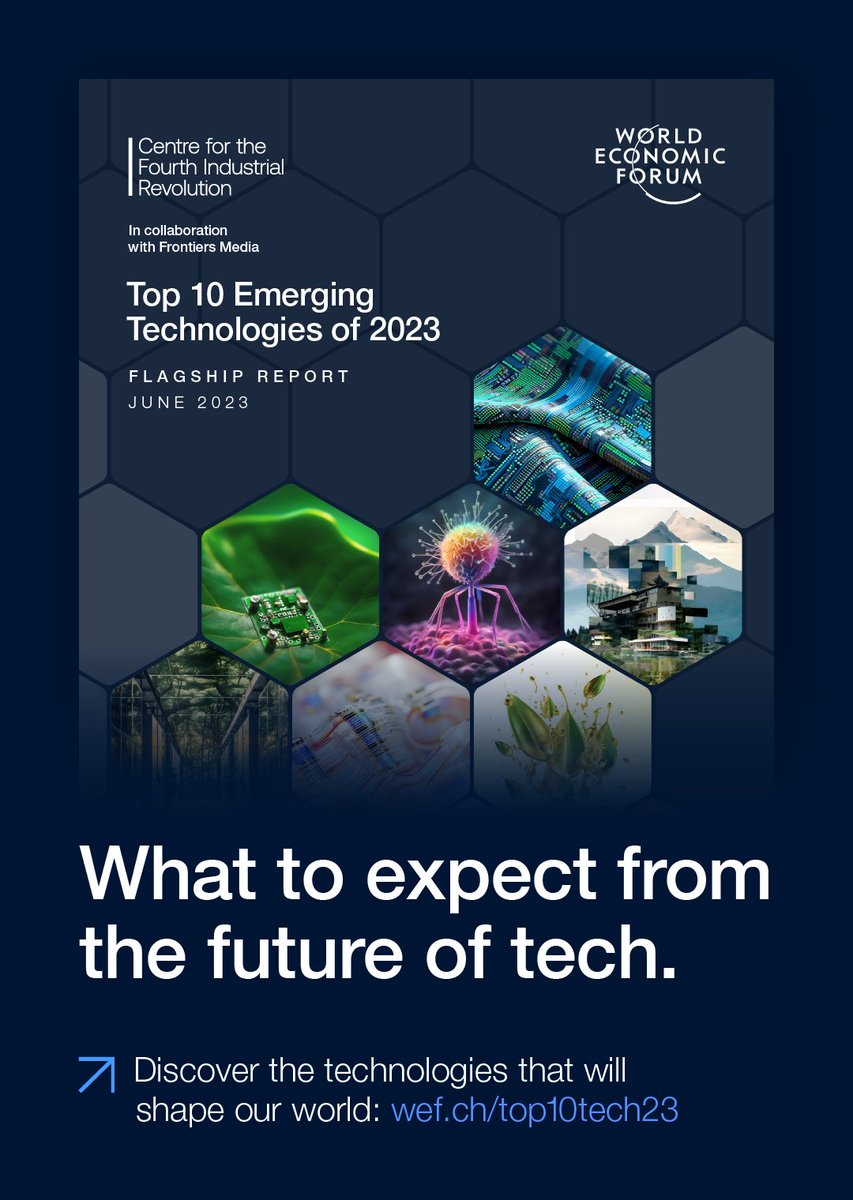
Delighted to have supported chief editors from Frontiers in Energy Efficiency in contributing to this part of the Top 10 Emerging Technologies of 2023 report by the Word Economic Forum #wef#EmergingTech
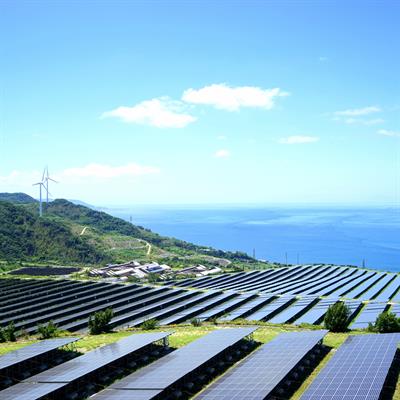
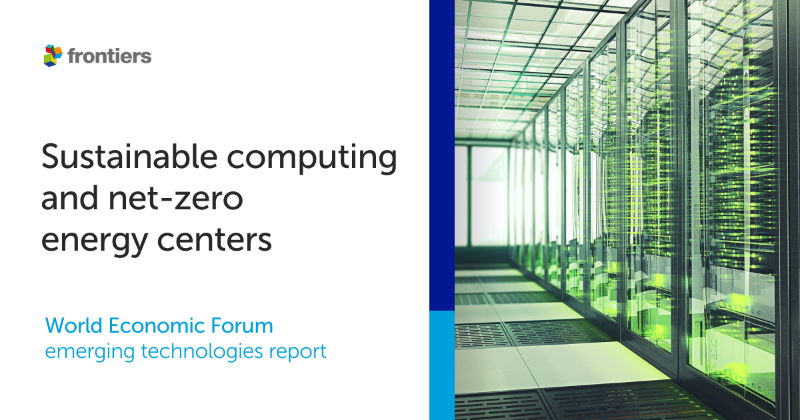
Data centers, which account for an estimated 1% of global electricity consumption, are a growing contributor to the environmental crisis. New approaches to this problem, have been identified among the top ten technologies listed in this year’s @wef#emergingtech23 report. #amnc
The Top 10 Emerging Technologies of 2023 report co-published by the @wef and Frontiers includes technologies selected based on criteria including novelty, applicability, depth, and power. https://t.co/zLMInM4Gov
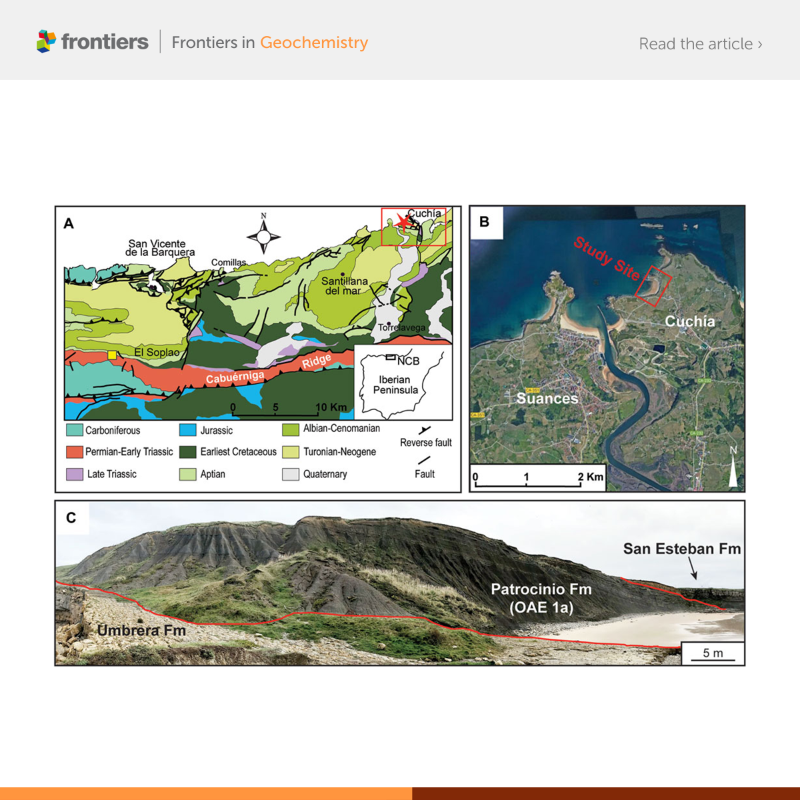
A study of the NBCB provides geochemical data clarifying the influence of weathering and precipitation associated with greenhouse climate that triggered the environmental response during OAE1a.
Read and download the article in Frontiers in Geochemistry ↓
To solve pipeline blockage caused by sulfur deposition in industrial gas wet oxidative desulfurization operations, a study developed an iron-modified chitosan catalyst for the catalytic oxidation regeneration of wet oxidative desulfurization-rich liquids.
Read and download ↓
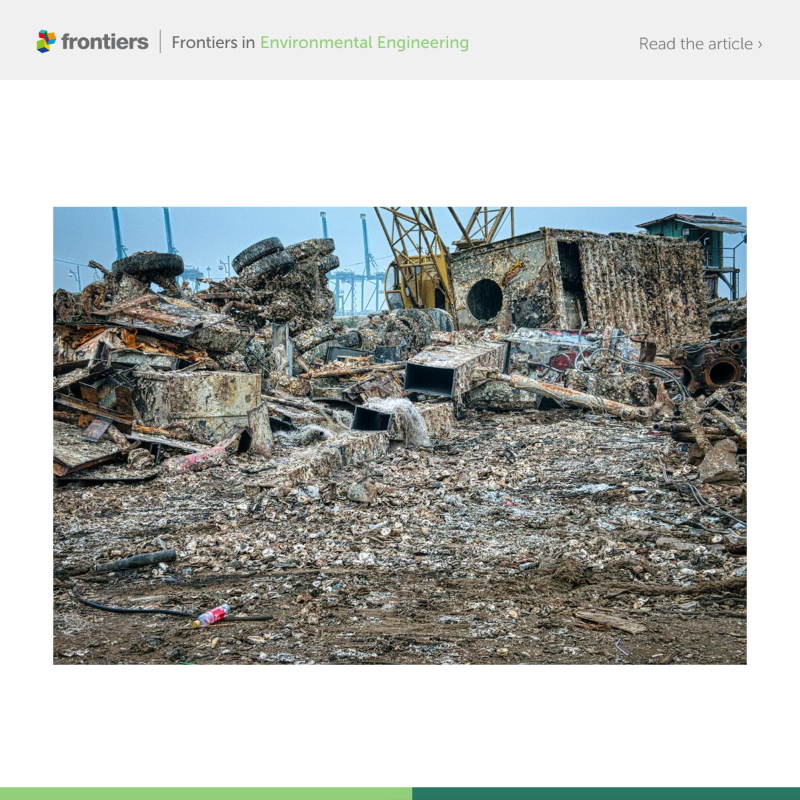
An article highlights several grand challenges in environmental engineering, which could be overcome using pollution reduction methodology, nanotechnology and engineering design.
Read and download now ↓
We are happy to share the launch of our complementary sister journal, Frontiers in Energy Efficiency. Now open to submissions around energy consumption and behavior, and developments in #energyefficiency technologies to facilitate a #CarbonNeutral future. https://t.co/wweABotEdI
✨ New in our Forgotten Scientists Series - The story of William Parsons, 3rd Earl of Rosse, who discovered the spiral nature of the “Whirlpool” galaxy. 🔭
https://t.co/QEw7OSkvpn
Following the release of the James Webb Space Telescope's first images, we heard from our Associate Editor and #JWST project scientist, Dr. Susan Mullally @mustaric.
Find the images again here!⚡️ “The World Reacts: @NASAWebb's First Images” by @NASA https://t.co/jQtjqtTNuz
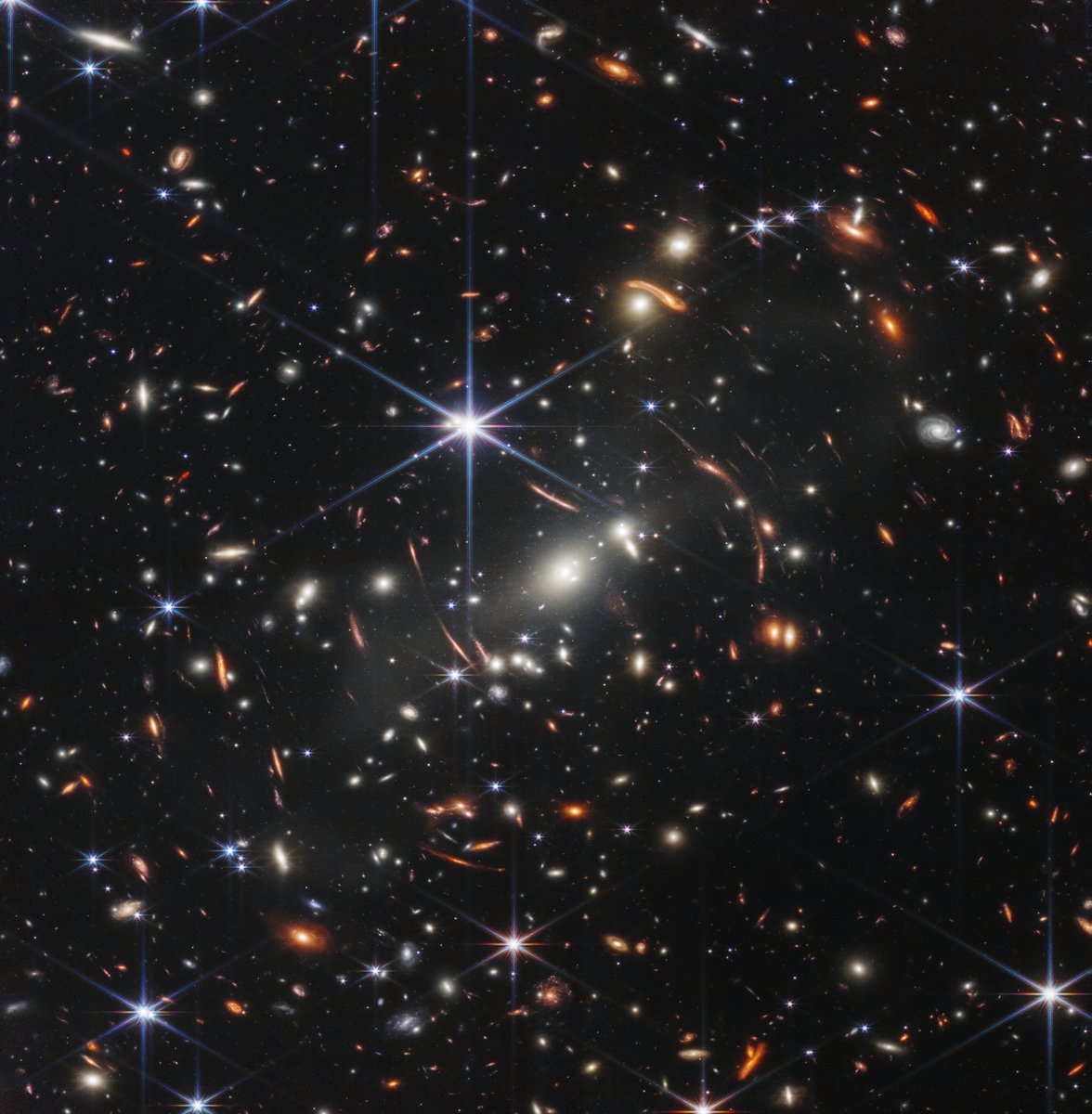
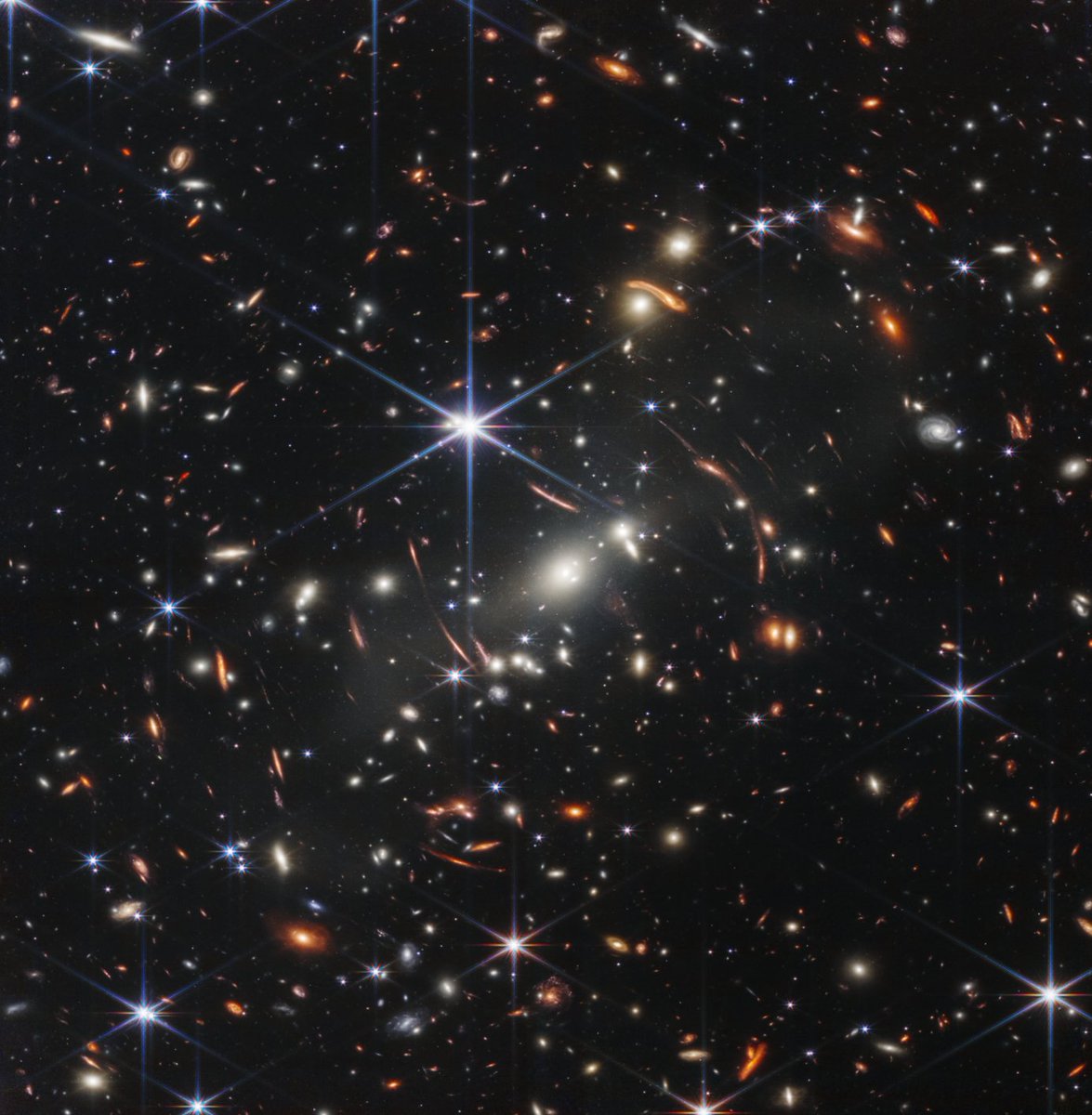
It's here–the deepest, sharpest infrared view of the universe to date: Webb's First Deep Field.
Previewed by @POTUS on July 11, it shows galaxies once invisible to us. The full set of @NASAWebb's first full-color images & data will be revealed July 12: https://t.co/63zxpNDi4I
👀 Sneak a peek at the deepest & sharpest infrared image of the early universe ever taken — all in a day’s work for the Webb telescope. (Literally, capturing it took less than a day!) This is Webb’s first image released as we begin to #UnfoldTheUniverse: https://t.co/tlougFWg8B
Chosen by 2,085 editors and 3,645 authors, Frontiers in Astronomy and Space Sciences has been cited over 3,500 times, with a Journal Impact Factor of 4.055 and a CiteScore of 4.1.
Explore our journal: https://t.co/68nKExasHw
Chosen by 6,543 editors and 10,795 authors, Frontiers in Physics has been cited over 16,200 times, with a Journal Impact Factor of 3.718 and a CiteScore of 3.7.
Explore our journal: https://t.co/k7w4VJCzBC
Thank you @FrontiersIn for my box of swag. Just in time for marking my one year anniversary with the company at the start of March 🎉
Quality, Collaboration, Innovation, Speed ⭐️
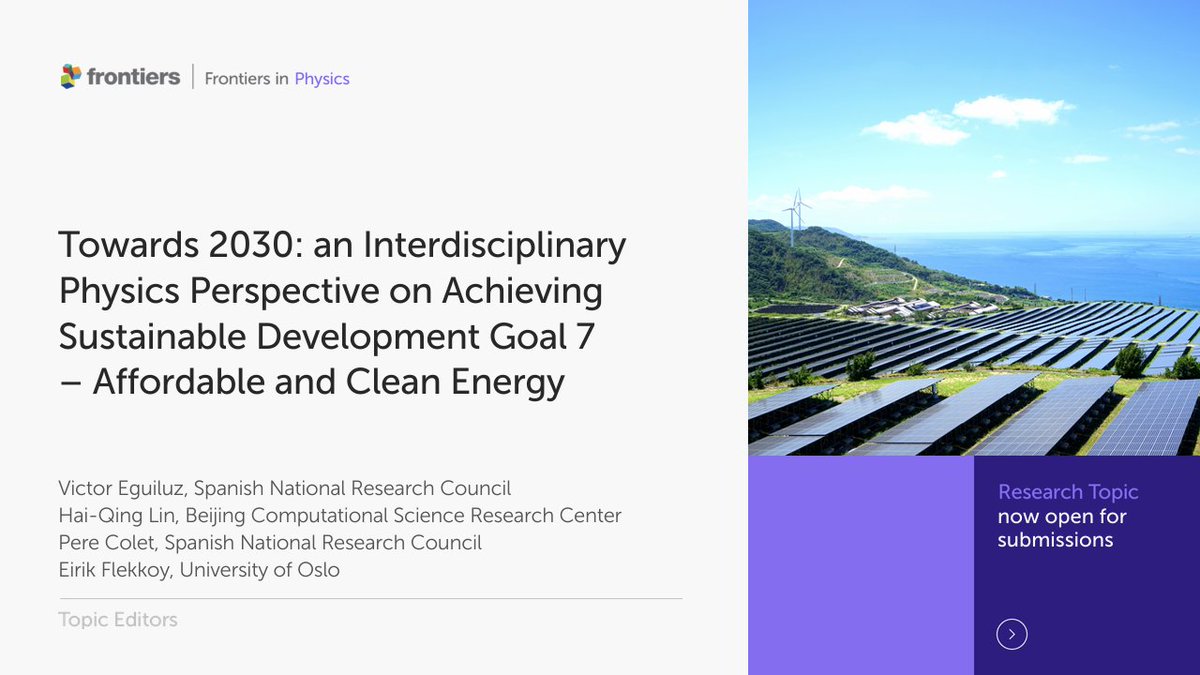
Our topic addressing SDG Goal 7, Affordable and Clean Energy, from an Interdisciplinary Physics perspective is open for submissions!
Register your interest or submit here: https://t.co/rpZqHVOkke
#callforpapers#SDGs#SDG7#Physics
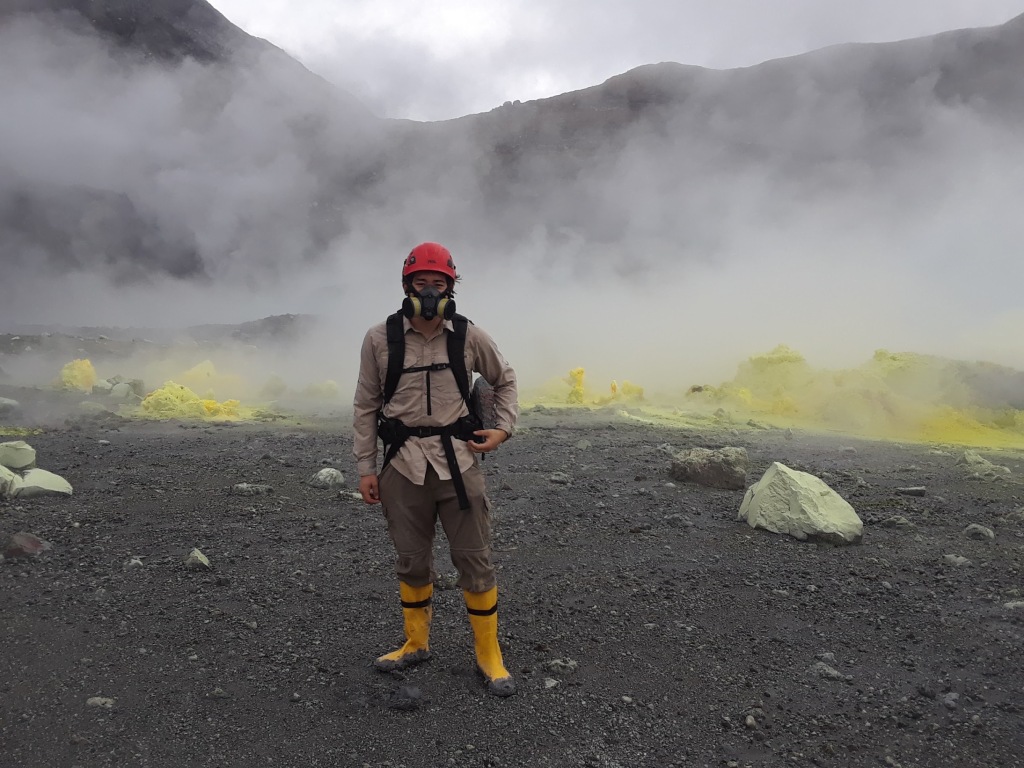
Original Research article features in @newscientist - microorganisms have adapted to a #Mars anologue, a sulphurous and acidic lake, one of the harshest environments on Earth.
https://t.co/Tdo54fHNLU
Our blog here: https://t.co/qFHoX3iO2h
Article here: https://t.co/CwK7GC6hD5
'Towards 2030: An Interdisciplinary Physics Perspective on Achieving Sustainable Development Goal 7 – Affordable and Clean Energy.' addresses #SDG Goal 7, to tackle the need for clean energy from #Physics & related disciplines.
Topic open for submissions https://t.co/FF0Xi8nbsX
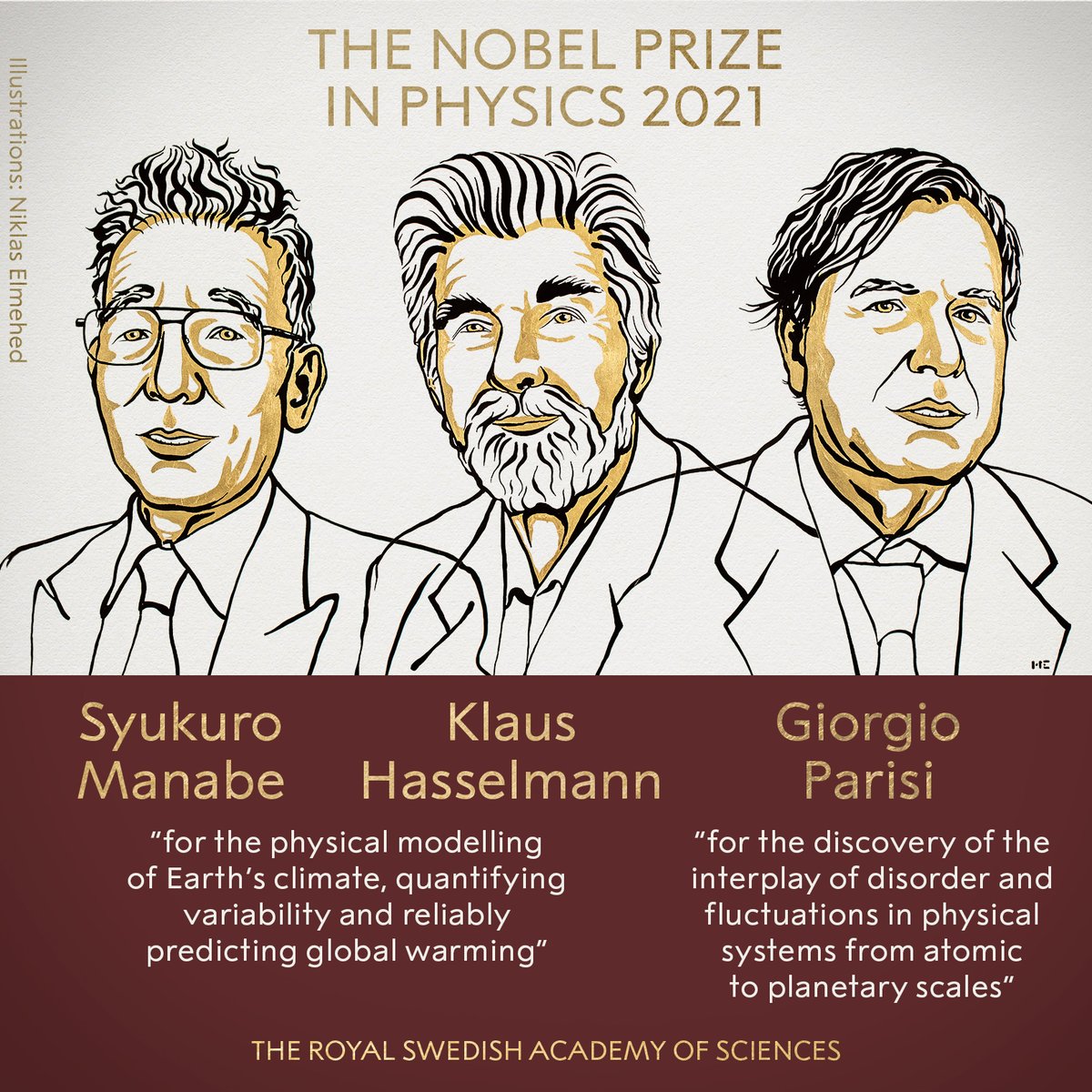
BREAKING NEWS:
The Royal Swedish Academy of Sciences has decided to award the 2021 #NobelPrize in Physics to Syukuro Manabe, Klaus Hasselmann and Giorgio Parisi “for groundbreaking contributions to our understanding of complex physical systems.”
#CallForSubmissions: Heterogeneous Processes on Dust and Ice Surfaces in Planetary Atmospheres: Mars, Venus, Titan, and Perspectives for Exoplanets
Guest Editors: Drs. Lasne, McCoustra, Romanias, Lefèvre & Rosu-Finsen
All info here: https://t.co/PZyS9IhAcw
Join the debate on the RNA World Hypothesis and the Origin of Life: Astrochemistry Perspective
Guest Editors: Ashraf - Ali, André Canosa @astrolabIPR & David Leisawitz
Full #callforpapers here: https://t.co/U6XWTUmAsW
New Research: Understanding Reduced Gravity Effects on Early Plant Development Before Attempting Life-Support Farming in the Moon and Mars https://t.co/MdE1xBQfJj #SpaceSci