𝗦𝗦𝗢 𝘃𝘀 𝗢𝗔𝘂𝘁𝗵 𝘃𝘀 𝗢𝗜𝗗𝗖 𝘃𝘀 𝗦𝗔𝗠𝗟.
Do you know the differences?
𝗦𝗦𝗢 is a user experience, not a protocol. It lets users log in once and access multiple apps without re-authenticating; providing seamless access across tools. It relies on protocols like SAML or OIDC.
𝗢𝗔𝘂𝘁𝗵 is for authorization. It lets apps access user data or services without sharing credentials. It controls what an app can access, not identity.
𝗢𝗜𝗗𝗖 is an authentication layer on top of OAuth 2.0. It verifies user identity and provides user info via ID tokens (usually JWTs). It’s the standard for login + identity in modern apps.
𝗦𝗔𝗠𝗟 is an older, XML-based standard primarily used for enterprise SSO. It’s still widely used in legacy and enterprise systems, though newer applications increasingly adopt OIDC. It’s powerful but more complex than OIDC.
OAuth = access.
OIDC = identity.
SAML = older enterprise SSO.
SSO = the experience.
But getting identity right doesn’t solve the whole access problem.
As more apps and AI agents connect to production data, managing permissions separately in every tool gets harder.
Retool centralizes that with SSO, role-based permissions, and Data Access Enforcement, giving teams shared guardrails underneath the apps and agents they build.
Build with the tools you already use. Run with Retool's enterprise controls.
𝗚𝗿𝗲𝗮𝘁 𝘀𝗵𝗼𝗿𝘁 𝗿𝗲𝗮𝗱 𝗼𝗻 𝗵𝗼𝘄 𝗶𝘁 𝘄𝗼𝗿𝗸𝘀 → https://t.co/NPyc5W8kjn
What else would you add?
——
💾 Save it for later.
🙏 Thanks to @retool for sponsoring this post.
➕ Follow me to improve at system design and AI engineering.
Networking is everywhere.
Every API call, page load, database request, and real-time message depends on a few core networking concepts working together.
Here are 8 concepts every developer should understand:
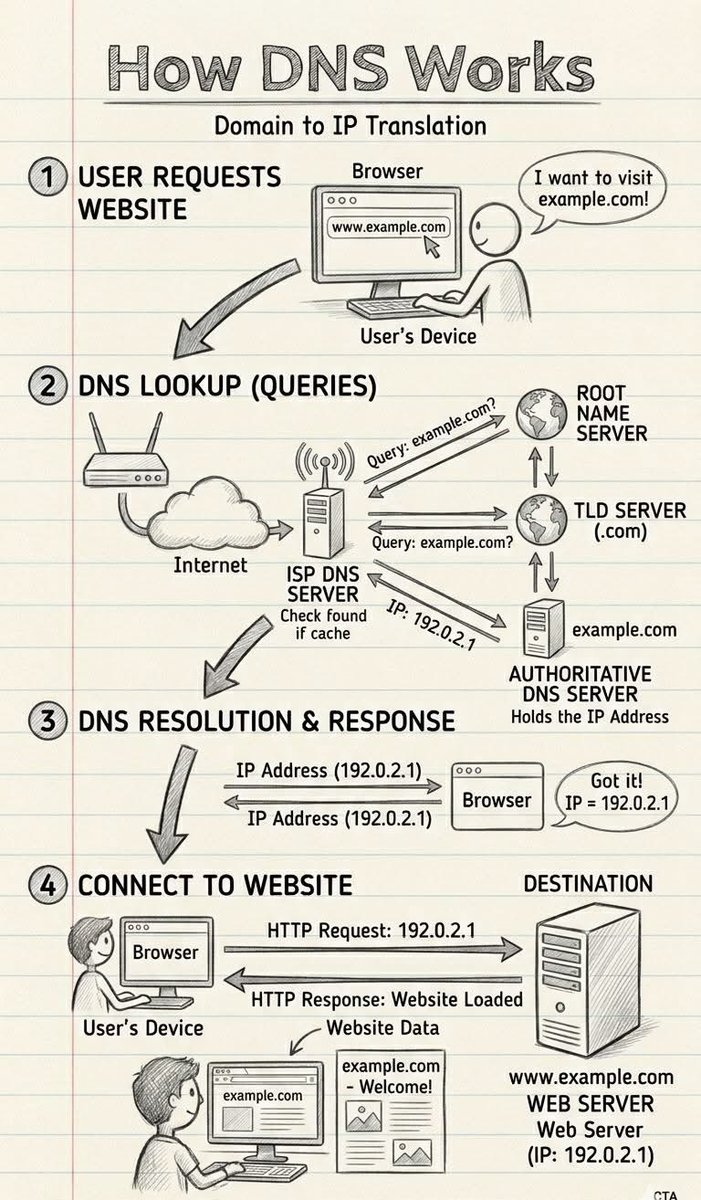
→ 𝗗𝗡𝗦 𝗥𝗲𝘀𝗼𝗹𝘂𝘁𝗶𝗼𝗻
Converts domain names into IP addresses so clients can find the correct server.
→ 𝗛𝗧𝗧𝗣 / 𝗛𝗧𝗧𝗣𝗦
Handles web communication through methods, headers, status codes, and secure TLS transport.
→ 𝗧𝗖𝗣 𝘃𝘀 𝗨𝗗𝗣
TCP focuses on reliable, ordered delivery. UDP prioritizes speed, low latency, and minimal overhead.
→ 𝗥𝗘𝗦𝗧, 𝗚𝗿𝗮𝗽𝗵𝗤𝗟 & 𝗴𝗥𝗣𝗖
Each API style offers different trade-offs around simplicity, flexibility, typing, and performance.
→ 𝗪𝗲𝗯𝗦𝗼𝗰𝗸𝗲𝘁𝘀
Create persistent two-way connections for chat, live dashboards, collaboration, and real-time applications.
→ 𝗧𝗟𝗦 & 𝗘𝗻𝗰𝗿𝘆𝗽𝘁𝗶𝗼𝗻
Protect data in transit through authentication, encryption, session keys, and integrity checks.
→ 𝗥𝗲𝘃𝗲𝗿𝘀𝗲 𝗣𝗿𝗼𝘅𝗶𝗲𝘀
Handle routing, caching, TLS termination, rate limiting, and load balancing before traffic reaches backend services.
→ 𝗖𝗼𝗻𝗻𝗲𝗰𝘁𝗶𝗼𝗻 𝗠𝗮𝗻𝗮𝗴𝗲𝗺𝗲𝗻𝘁
Uses pooling, keep-alive, timeouts, and backpressure to reduce latency and improve throughput.
You do not need to become a network engineer to write better software.
But understanding how requests actually move across a network makes APIs, backend systems, distributed applications, and cloud architecture much easier to design and debug.
Which networking concept took you the longest to understand?
P.S. Preparing for a software engineering role? Check out my book, System Design and Behavioral Intelligence.
It will help you:
* Build strong System Design foundations and approach design problems with confidence
* Develop practical frameworks to navigate complex behavioral and leadership challenges
📘 Paperback available on Amazon internationally:
US: https://t.co/tkmGPyI7IC
UK: https://t.co/XhgGCeRzI0
India : https://t.co/RoOZPwiFcY
𝗖𝗼𝗻𝘁𝗮𝗶𝗻𝗲𝗿𝘀 𝘃𝘀 𝗩𝗶𝗿𝘁𝘂𝗮𝗹 𝗠𝗮𝗰𝗵𝗶𝗻𝗲𝘀 𝘃𝘀 𝗦𝗮𝗻𝗱𝗯𝗼𝘅𝗲𝘀.
Do you know the differences?
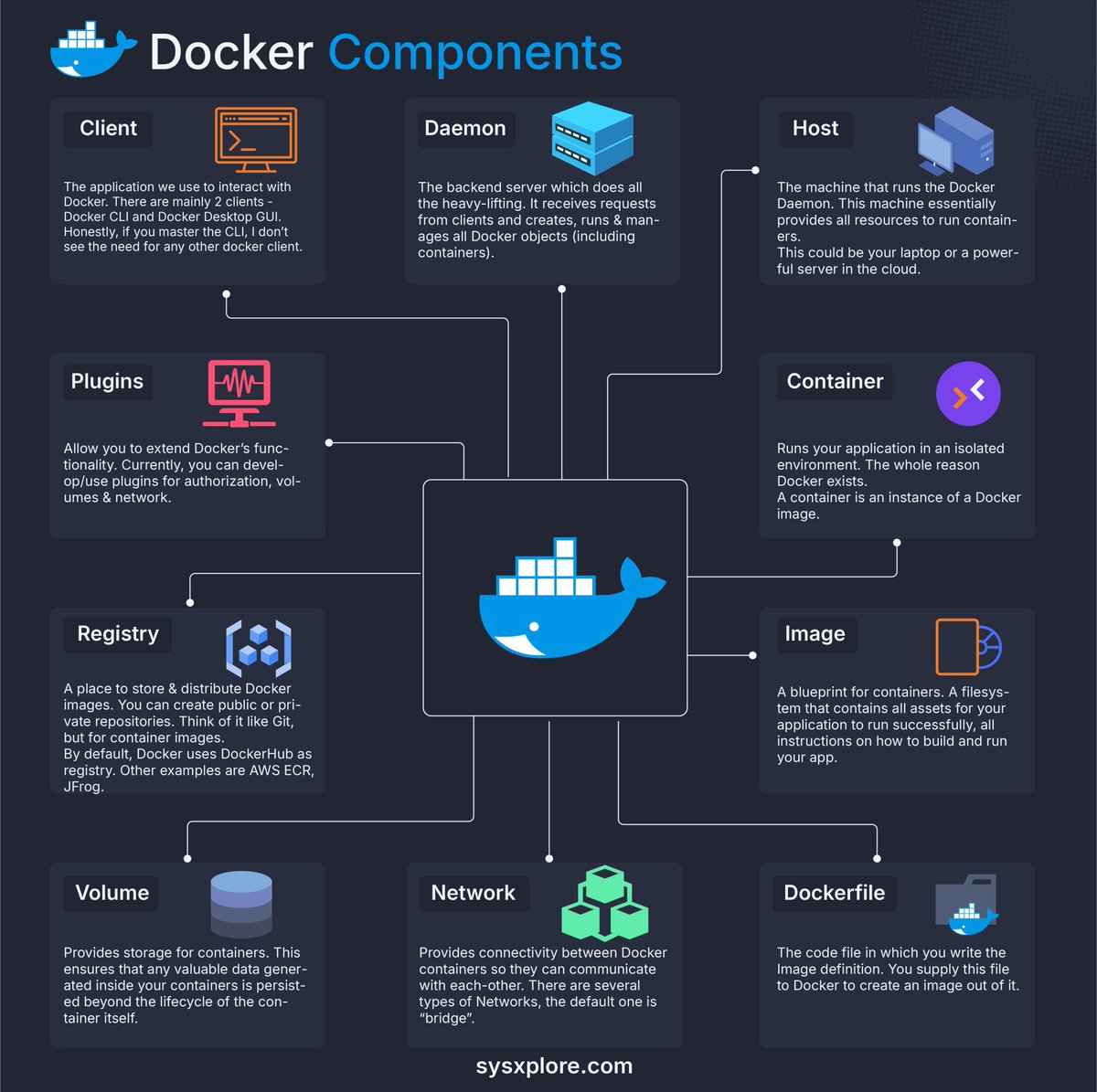
A 𝗰𝗼𝗻𝘁𝗮𝗶𝗻𝗲𝗿 isolates processes on a shared kernel. Namespaces control what each process can see, and cgroups control what resources it can use. They start fast and pack densely on one host.
For stronger isolation, 𝘃𝗶𝗿𝘁𝘂𝗮𝗹 𝗺𝗮𝗰𝗵𝗶𝗻𝗲𝘀 run their own operating systems. A hypervisor gives each VM virtual hardware and a separate guest kernel, creating a stronger boundary between workloads.
When the code itself can’t be trusted, that’s where 𝘀𝗮𝗻𝗱𝗯𝗼𝘅𝗶𝗻𝗴 comes in. Sandboxes restrict what code can access, such as system calls, network connections, and files. Often built on containers or lightweight VMs, they can use technologies like gVisor, Firecracker, or seccomp filters.
Containers isolate processes. VMs isolate operating systems. Sandboxes restrict what untrusted code can access.
But when the code comes from an AI agent, containing the run is only half of it.
The agent's output still has to land somewhere: the company's codebase, its live product. A sandbox limits what code can touch while it runs, not what ships afterwards.
So the boundary has two parts: an isolated place for the agent to work, and a review step before changes reach production. Replit runs agents in isolated cloud environments, away from employee laptops. For work on an existing company codebase, agents turn their work into proposed changes for engineering to review.
The agent proposes the change. Engineering decides what ships.
𝗦𝗲𝗲 𝗵𝗼𝘄 𝗥𝗲𝗽𝗹𝗶𝘁 𝗿𝘂𝗻𝘀 𝗮𝗴𝗲𝗻𝘁𝘀 𝗳𝗼𝗿 𝗰𝗼𝗺𝗽𝗮𝗻𝗶𝗲𝘀 → https://t.co/Q3hwKAwPRy
What else would you add?
——
♻️ Repost to help others learn and grow.
🙏 Thanks to @Replit for sponsoring this post.
➕ Follow me ( Nikki Siapno ) to improve at system design and AI.
Most developers learn APIs.
Great engineers learn when to use them.
GET, POST, PUT, DELETE are just the basics.
The real skill is choosing between REST, GraphQL, internal, B2B, or async APIs.
Syntax is easy. API design is hard.