The Faris lab is focused on wheat molecular genetics and genomics , wheat-pathogen interactions and wheat domestication. Views are those of Justin Faris.
Save the date! 📅
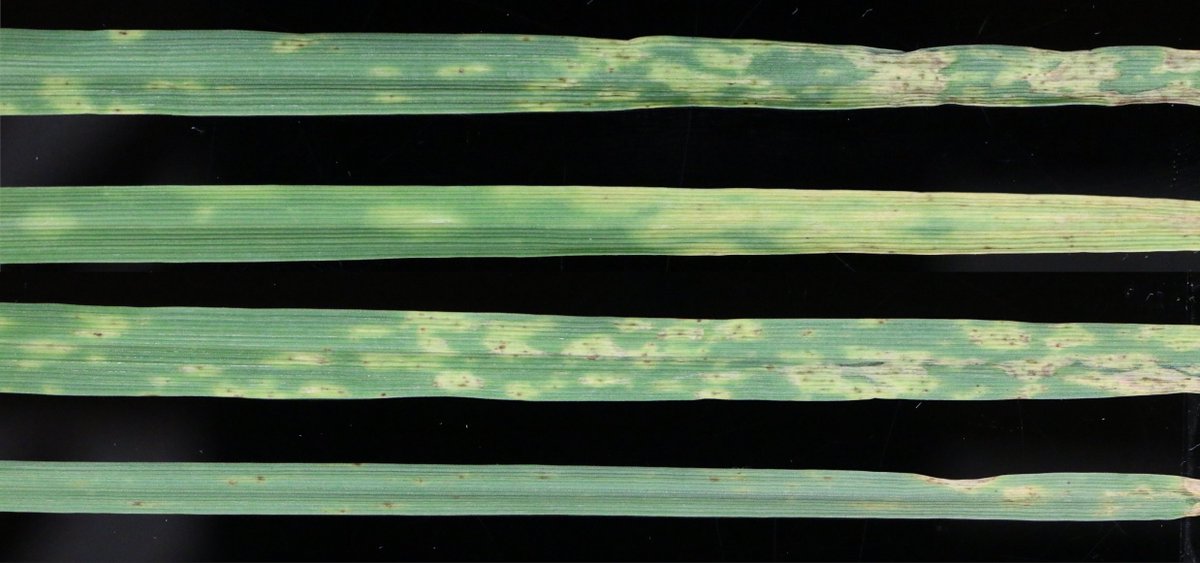
Wheat Pathogens webinar is coming up on Tuesday, November 10th. Join Justin Faris (USDA) for "Wheat betrayed by its own genes: Multiple gene classes trigger tan spot susceptibility in wheat." Don't miss it! 🌾
https://t.co/jDVXXm5Xrq
@karchuntan@ReemWheat
Tan spot is a persistent challenge for U.S. wheat growers—but ARS scientists are helping to change that. Researchers at the ARS Cereal Crops Improvement Research Unit in Fargo, ND, and collaborators @NDSU have pinpointed a specific wheat gene that makes plants vulnerable to the costly fungal disease.
Their discovery shows that removing this gene by either traditional breeding or gene editing can boost a plant’s natural resistance.
For more details: https://t.co/AL1gI48KGm
Fantastic work by @Gurmnder_Singh leading this work for his PhD dissertation. It was fascinating to discover a neofunctionalized Exo70-like protein exploited by a fungal pathogen to cause disease.
Open position: Wheat breeder position at Canyon/Bushland with Texas A&M AgriLife Research/TAMU @WheatInitiative@uswheatassoc https://t.co/9Z8FsCYynq
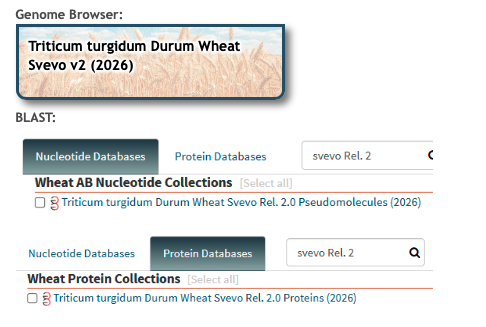
GrainGenes update: Triticum turgidum Durum Svevo 2.0 manuscript was accepted and all dataset and tools are released @luigicattivelli@WheatInitiative https://t.co/6LwfLvQHqX
thrilled to share our joint work on the amplification of virulence in tan spot & ToxB @GourlieRyan@McdonaldMeganc@hafez_mnm answering to 25+ yrs old Q on multicopy virulence gene | Molecular Plant-Microbe Interactions® https://t.co/Ch1CIMsLst
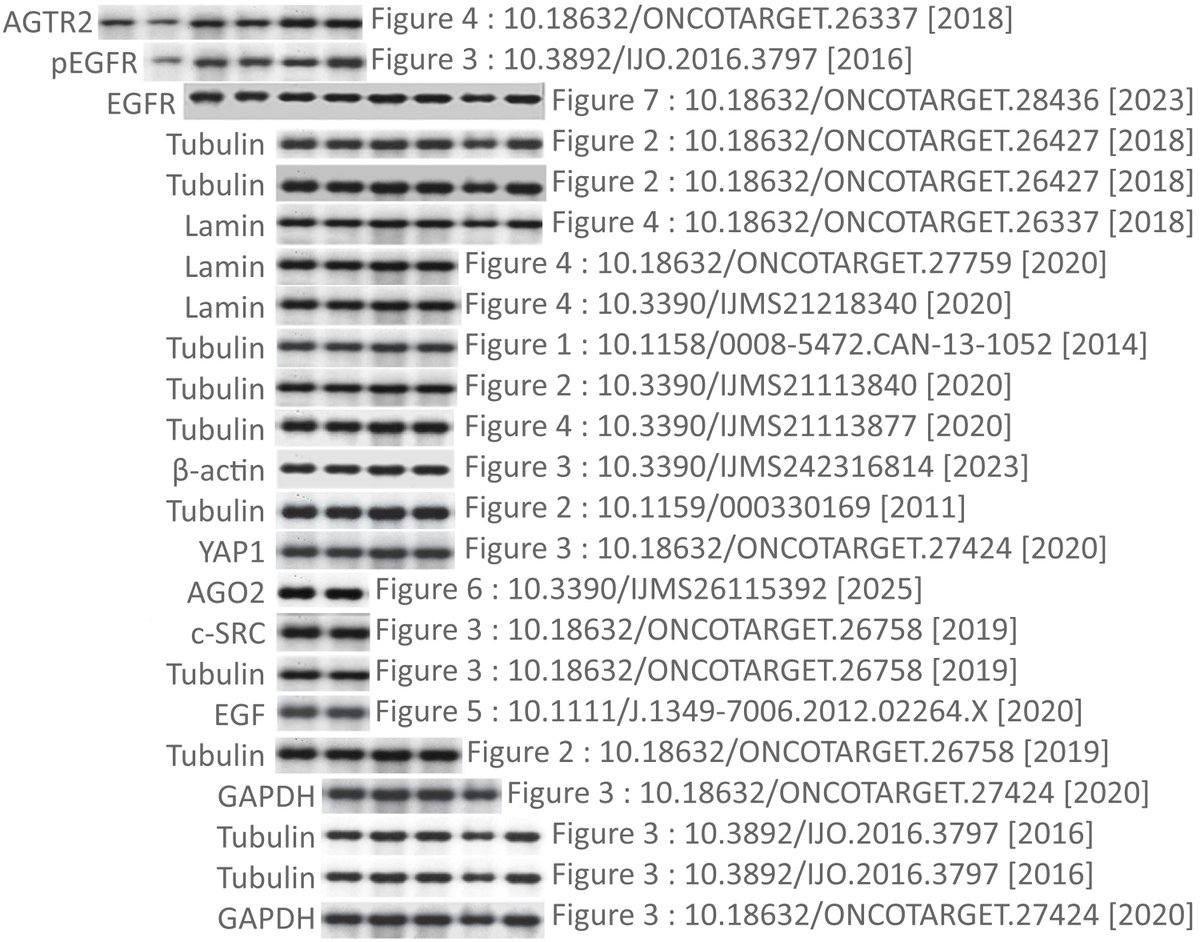
The same western blot image used 23 times in 14 different papers by one Japanese team. The image has been labelled as representing a range of experiments and proteins. This is the most I have ever seen. Perhaps it is a record?
Happy to share that our paper has been published 🎉in Theoretical and Applied Genetics.
This study examines the genetic basis of resistance to root-lesion nematodes in triticale and provides tools for cereal breeding programs.
📄 https://t.co/dEFQ7kBVTW
Happy to provide tools for wheat breeders to efficiently remove the disease susceptibility gene Tsn1 from their materials. @KLDRunning did a fantastic job leading this project. https://t.co/d298vNt801
🌾Agnes Szabo-Hever @NDSU will reveal groundbreaking insights into how susceptibility genes interact with necrotrophic effectors in hard red spring wheat and durum wheat.
📅 Don’t miss the webinar on 17 July 2025 at 11 AM EDT!
🔗 Sign up today: https://t.co/j01oTkmkFS
Zengcui Zhang et al. investigated the wheat–Parastagonospora nodorum pathosystem, a model for necrotrophic fungal interactions where SnTox3 induces disease via an inverse gene-for-gene mechanism. @FarisGenLab Learn more: https://t.co/hJVb503ZRQ
🌐 The International Wheat Congress unites experts to share innovations & knowledge. The 2026 edition of the International Wheat Congress will be held from 25-29 of May 2026 in Bologna, Italy!
See: https://t.co/X9tt3y3Uch
Heartiest congratulations to Gazala Ameen @plantpath_PD for APS-NCD 2025 Early Career Award in the profession of Plant Pathology 🪴. Certainly a rising 🌟 in our research field.
Go Jacks!! @SDStateCAFES@SDState
Always a fun to see old friends and colleagues at #PAG32, especially when it’s your PhD adviser. Great to catch up with Bikram Gill again! #legend#wheat#Genetics
Honored to present my work on wheat susceptibility to tan spot at the #IWGSC workshop @wheatgenome during #PAG32. A big thank you to IWGSC organizers for the opportunity and to everyone who attended. Looking forward to more great discussions!