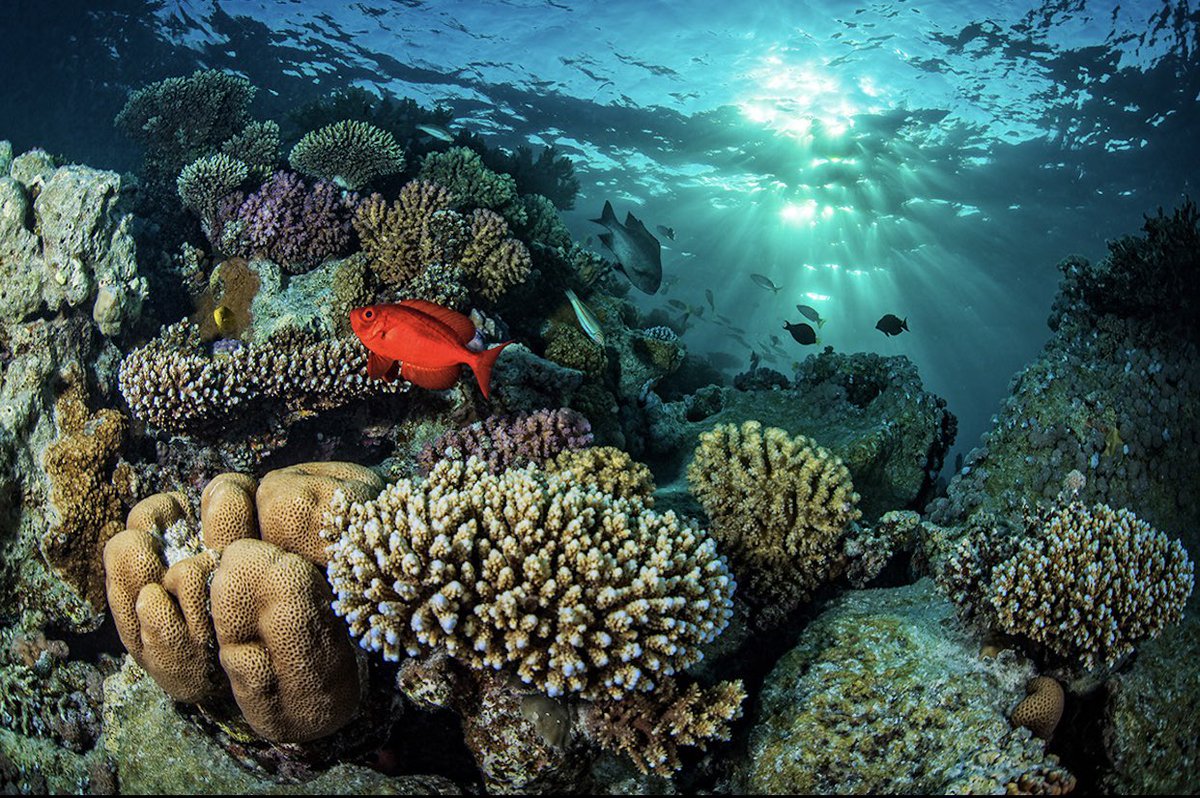
The Gulf of Aqaba in the northern Red Sea meets the UNESCO criteria to qualify as a Marine World Heritage Site
due to its exceptional natural beauty, incredible biodiversity, and importance for conservation as one of the largest marine refuges from climate change on the planet.
Just after 9PM on June 28, Acropora eurystoma corals spawned in the Fine lab's coral nursery offshore from the InterUniversity Institute of Eilat. A pair of Threadfin butterfly fish, or Chaetodon auriga, helped themselves to a late night snack!
#marinescience#coralreefs#RedSea
The third of our grant winners is Na'ama-Rose Kochman.
RSRF is awarding research grants to five regional scientists who are studying #corals in the northern #RedSea, one of the world’s largest marine refuges from #climatechange.
📸: Warren Baverstock/The Ocean Agency
In my last story as a @TIME staffer, I write about the FSO SAFER: a rusting oil ship that threatens disaster off Yemen's Red Sea Coast. https://t.co/Yl578HDndW
new work @PNASNews key to the extraordinary thermal tolerance of northern Red Sea corals are transcriptomic resilience & transcriptomic acclimation https://t.co/DgZKpO6OB8 - dig into RNA-Seq of coral, zoox / 16S/ITS2 of proks & zoox and join team #CBASS@UniKonstanz@VulcanInc
The deal to ship #oil from the UAE to Eilat to Ashkelon into #Europe and Asia brings an amount of oil far exceeding what was spilled in the February oil spill, and could cause irreversible damage, said Environmental Protection Minister @GilaGamliel.
https://t.co/prOZHtA1gQ
Coral colonies being prepared for experiments in the Red Sea Simulator at @iui_eilat in Israel!
Consisting of 80 aquaria, an autonomous robot, and advanced software designed for 24/7 remote monitoring-this is the type of research that the RSRF regards as its mission to support.
Meet Maoz, a marine ecologist passionate about preserving coral reefs and saving our oceans 🌊.
His work researching the Red Sea's rich biodiversity has led to scientific & environmental collaboration between scientists across the Middle East.
#WorldWildlifeDay@WildlifeDay
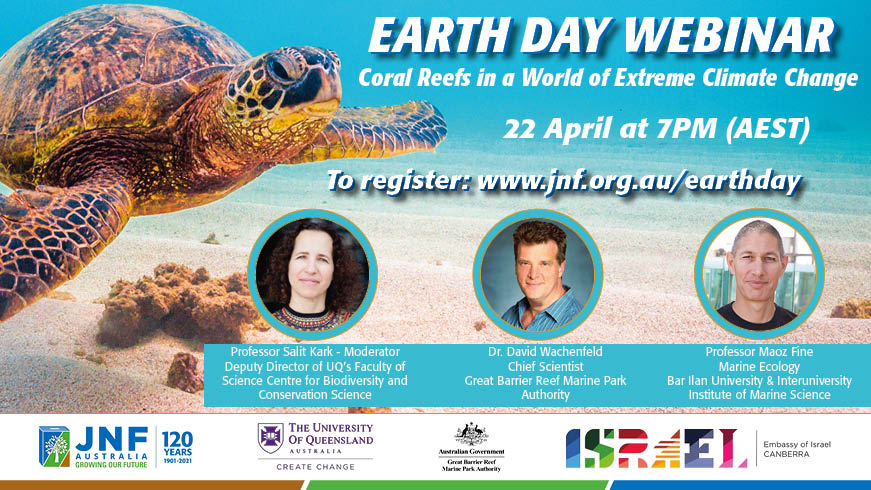
Tomorrow is Earth day, and we invite you to join our Chief Scientist, Dr David Wachenfeld, for a live panel discussion exploring the future of coral reefs in a world of extreme climate change. Register for the event here: https://t.co/zn3ZsBZS23 #EarthDay2021
Corals, like humans, are affected by artificial lights. For humans it can disrupt sleep, for corals it can alter their DNA, disrupt photosynthesis in their symbiotic algae, and affect their biological rhythms--a major problem
https://t.co/LYFp1LTdD9
Later on, to determine if a cold winter reduces their known heat resistance the corals were subsequently exposed to an acute warm period at 30 °C the following summer
Nonetheless, the corals showed fewer physiological deviations compared to the cold-water stress
It was previously unknown that corals at this site live close to their cold-water bleaching threshold and may be vulnerable as climate variability increases in magnitude
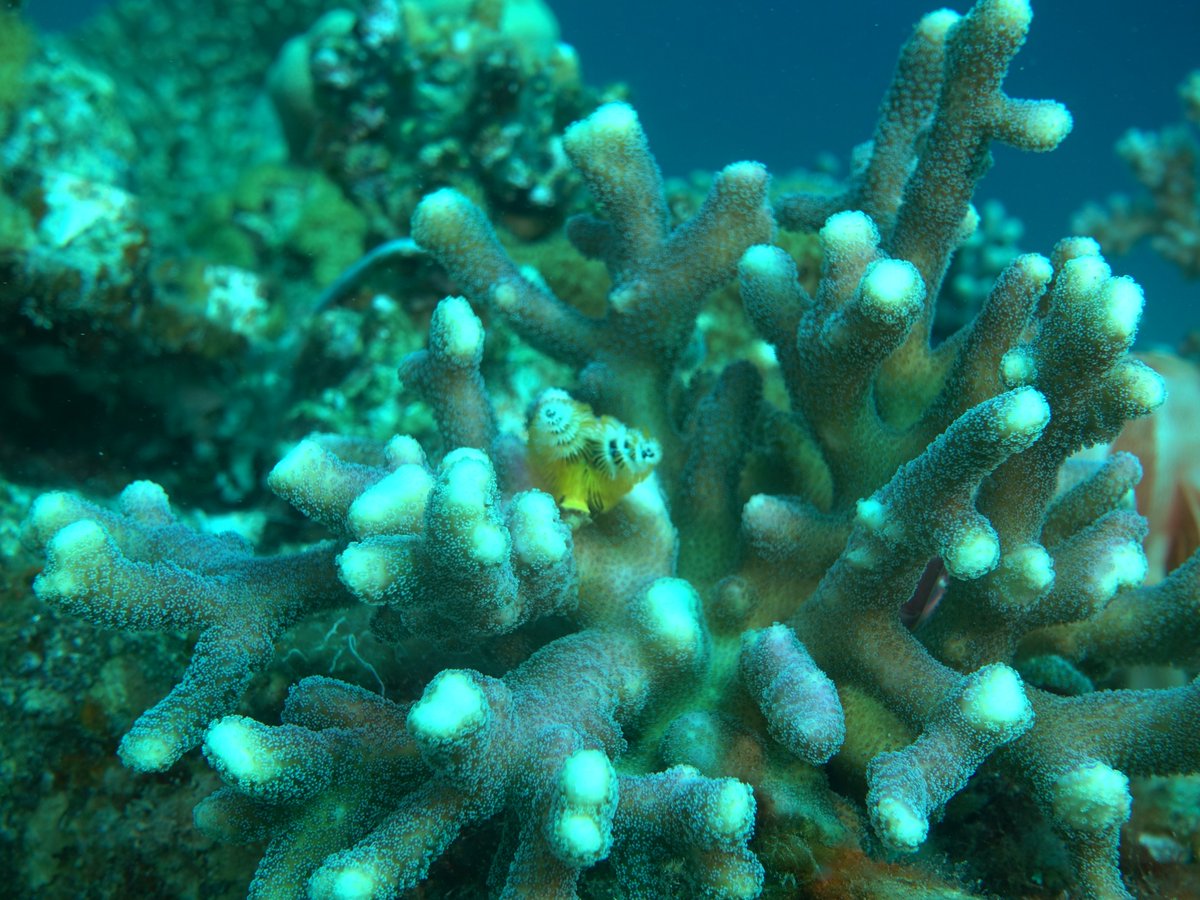
📸Stylophora pistillata - one of the research organisms