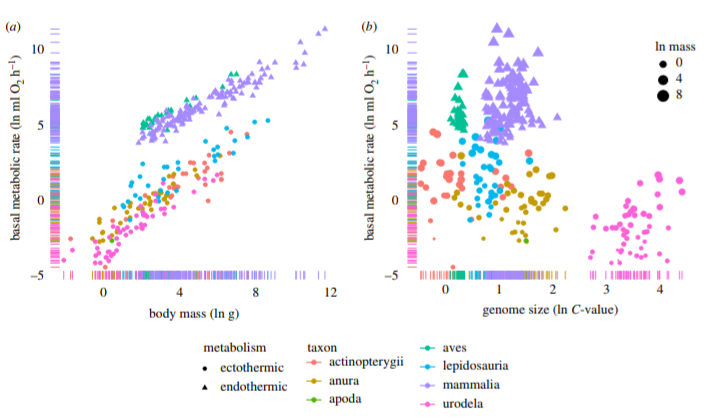
Large genome size is associated with reduced metabolic rate and fewer cell types across vertebrates. One hypothesis is that larger genomes interfere with metabolic processes of DNA replication and RNA synthesis, inhibiting cell differentiation.
https://t.co/JzcCznQmsT
Isn't the causal relationship opposite to what is claimed in this article?
Rather than species having large abundances because they have "streamlined their genomes", species with large abundances are likely more efficient in streamlining their genomes?
https://t.co/o4u1KZBRjL
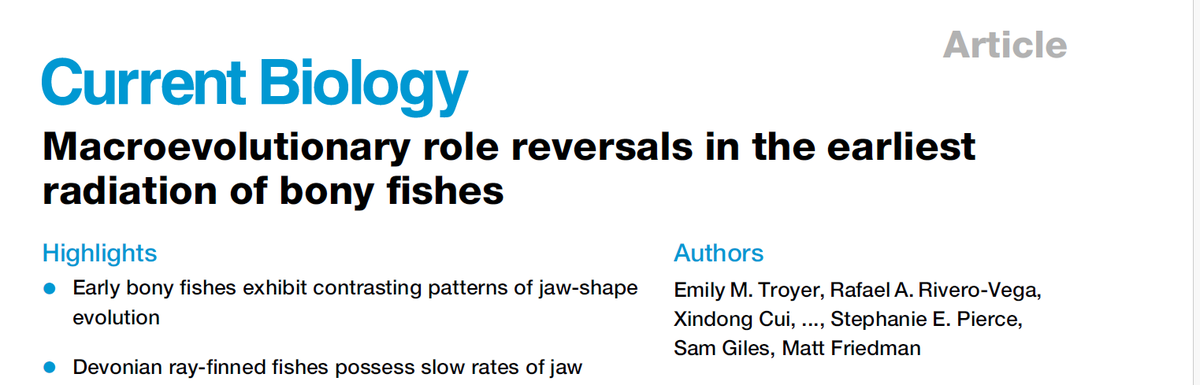
Excited to announce that the 1st paper from my postdoc is now out in @CurrentBiology Using a large dataset of 3D preserved fossils, we explore the diversification of jaws in early bony fishes. 1/15
https://t.co/qUteZPnrRr
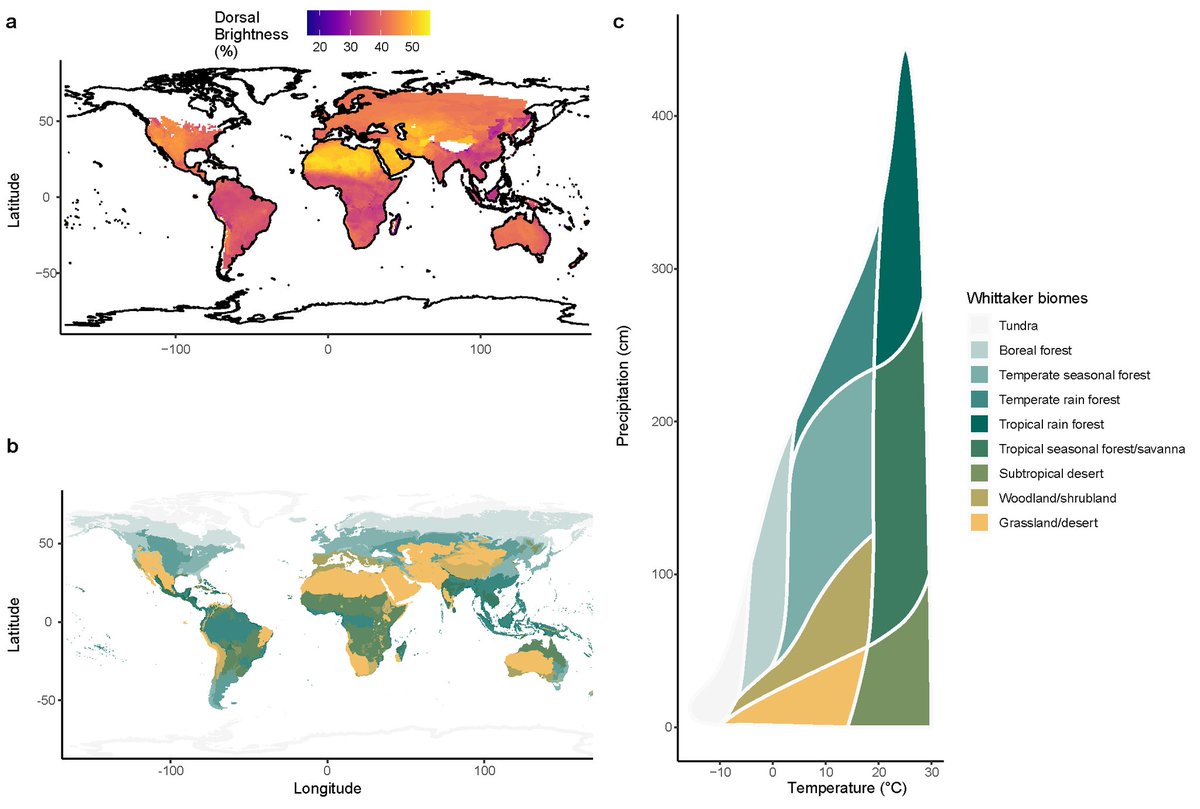
🧵 1/ New study on squamate color evolution hits the press: we show that brightness variation in lizards & snakes is strongly linked to habitat openness 🌞 https://t.co/Jxd46s0rkb
Chris Thacker and I have published a new review on the phylogenetics and biology of acanthopterygian fishes. This lineage includes more than 19,100 species, comprising nearly one third of all species of vertebrate animals!
https://t.co/7WcuZHqT4S
New paper alert: A time-calibrated phylogeny of Neotropical freshwater fishes, the most diverse continental fauna on Earth.
Built from a supermatrix of 51 genomic markers for 3,167 species, the most species-rich phylogeny of this fauna to date.
https://t.co/9mmZqdD5aY
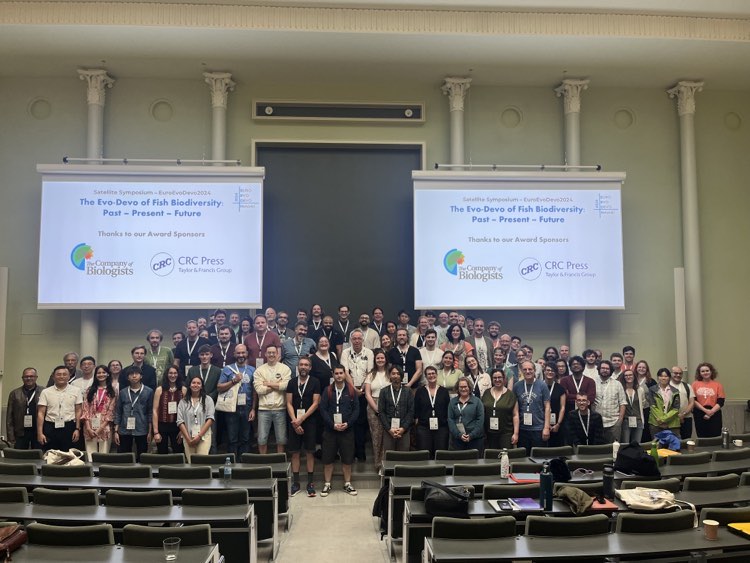
What a wonderful collection of weird fish! The EvoDevo of Fish Diversity satellite symposium was a huge success. Thank you to the organizers @FishEvoDevoGeno @hugofgante@emiliapsantos and Vincent Laudet! I think we should do this again! 🐟🐠🐡🦈#EED2024#Finnishfishfest
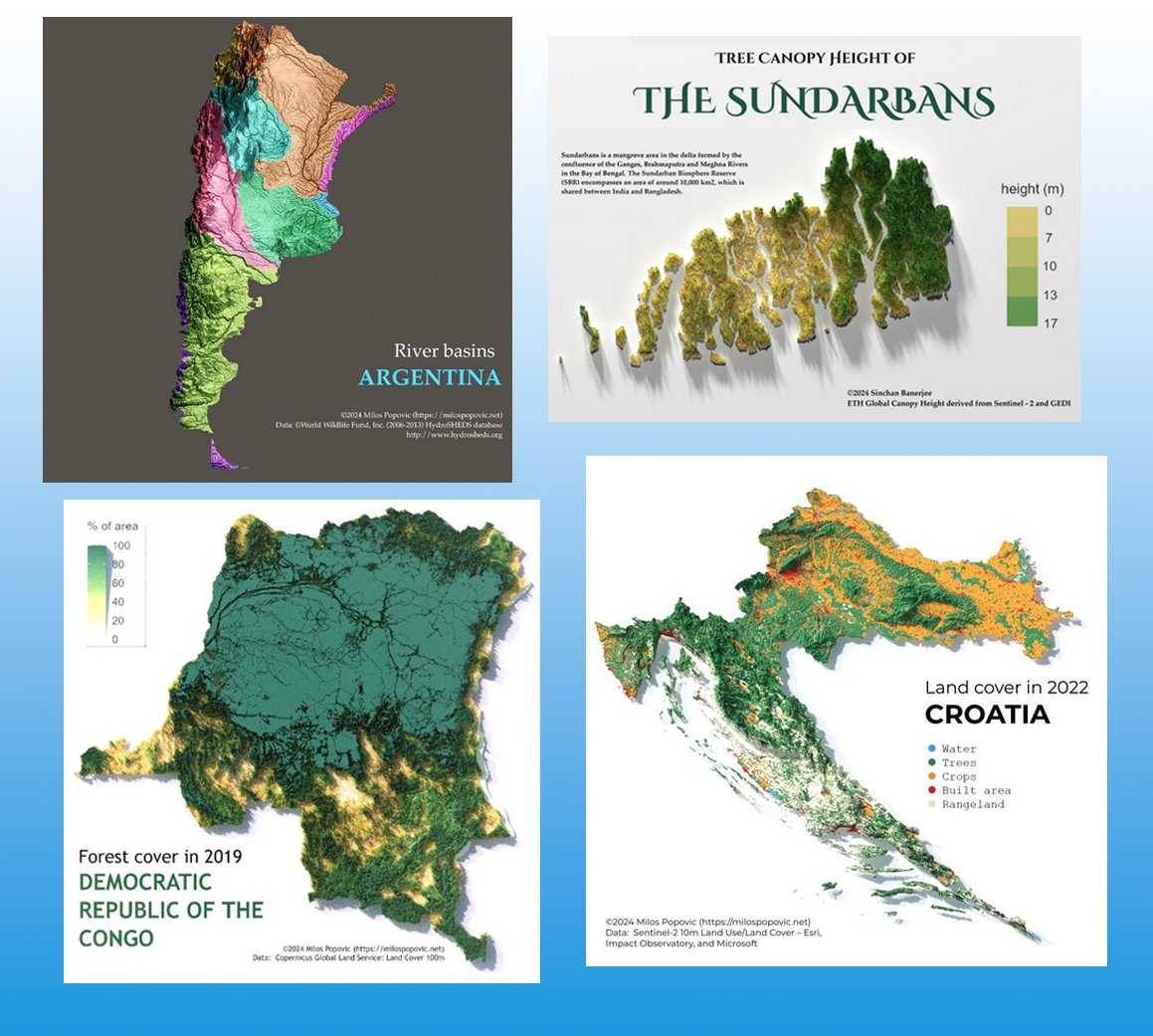
I recently stumbled upon a YouTube channel I hadn't discovered before, by Milos Popovic. It's all about crafting stunning maps using R programming! I wanted to spread the word because I believe his tutorials are fantastic. Check it out if you're into data visualization or want to learn something new.
Link to his YouTube channel: https://t.co/lf2skBIfx8
Also, consider subscribing to my free newsletter for ongoing insights into statistics, data science, and programming with R and Python.
See this link for additional information: https://t.co/X93SeCe0rb
#DataAnalytics #rstudioglobal #Statistics #RStats #programmer #database
Back by popular demand - the list of Ecology/Evolution/Marine Bio Labs recruiting grad students for Fall 2025!
PIs - Enter your position info here: https://t.co/Fn1LRAA5Ip
Prospective students (and PIs not recruiting) - share the composite list: https://t.co/Nrz9e2kx0M
pls RT!
Figeno, my visualization tool for genomics🎨🧬, is now published in Bioinformatics! https://t.co/ln22SewiZ7
It can generate publication-quality figures for sequencing data along genomic coordinates: bigwig, HiC, @nanopore data with base modifications, and WGS with CNAs and SVs.
Today on the blog... a phytools function to fit the discrete-state-dependent multi-rate continuous trait evolution model using the discrete approximation of Boucher & Démery (2016): https://t.co/czAFjZsqD0.
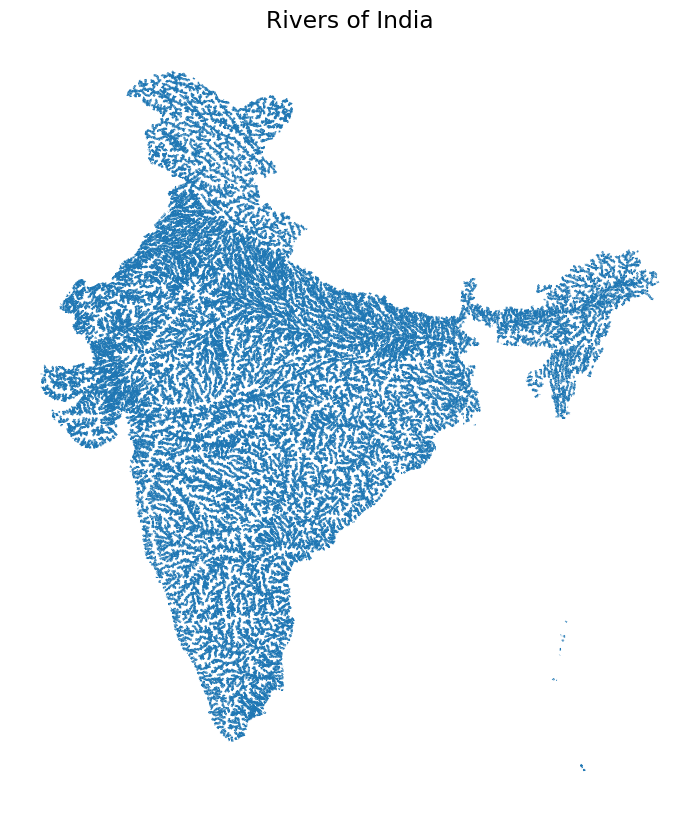
Want to learn how to turn a boring map of rivers into a beautiful visualization using #Python? Join the next cohort of our live online instructor-led course "Mapping and Data Visualization with Python". Check out the course content and register at https://t.co/OeIob7VFeZ
🌟 NEW!
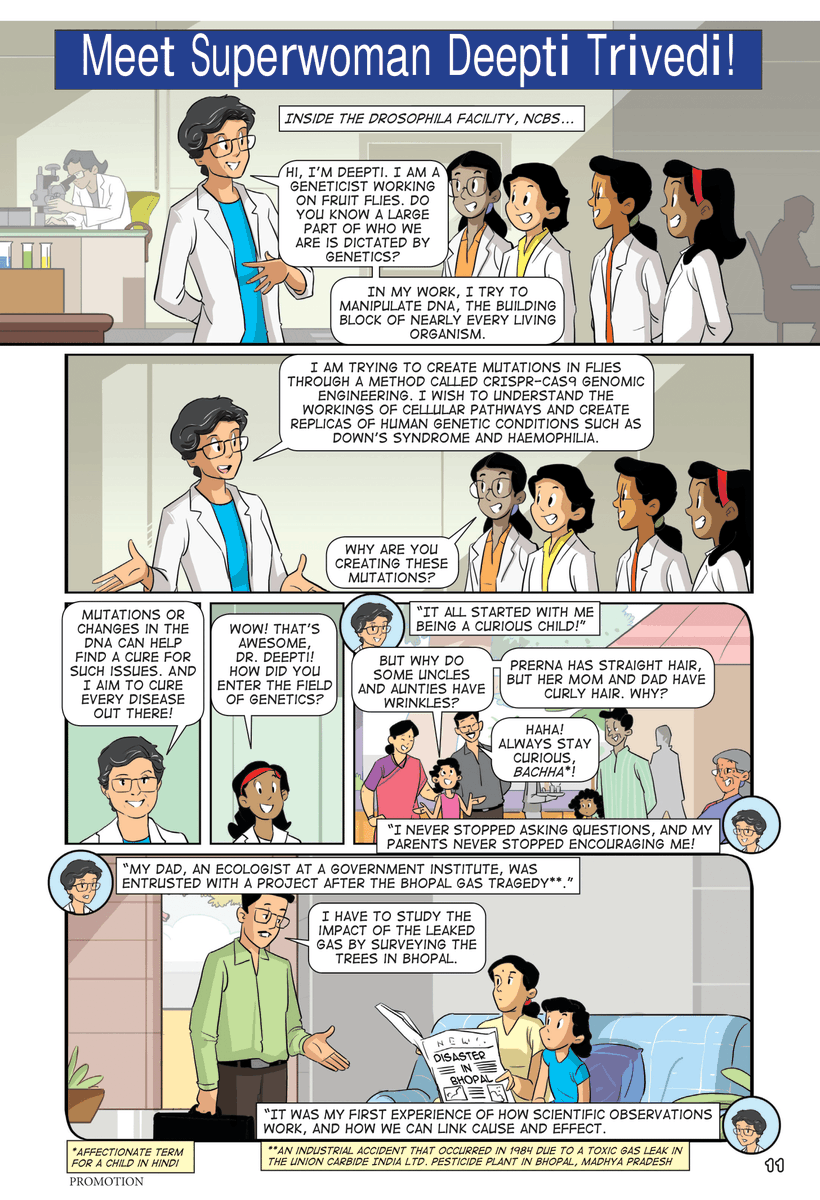
We are super excited to announce our collaboration with @TinkleMagazine to bring you an inspiring series of comics featuring brilliant women scientists from our institute! 👩🔬
The first comic features Dr. Deepti Trivedi, who heads the Drosophila facility at NCBS.
1/6 ⏰⏰ New publication with @TJNear in @ZoolJLinnSoc ! We describe a big new fish from 10 million years after the impact that killed the dinosaurs. Introducing †Amia basiloides, or, as we've nicknamed it, the big a** bowfin!
https://t.co/PCDwQrL7e7
#fossils#paleontology