🌱 Smart screening for safer biostimulants
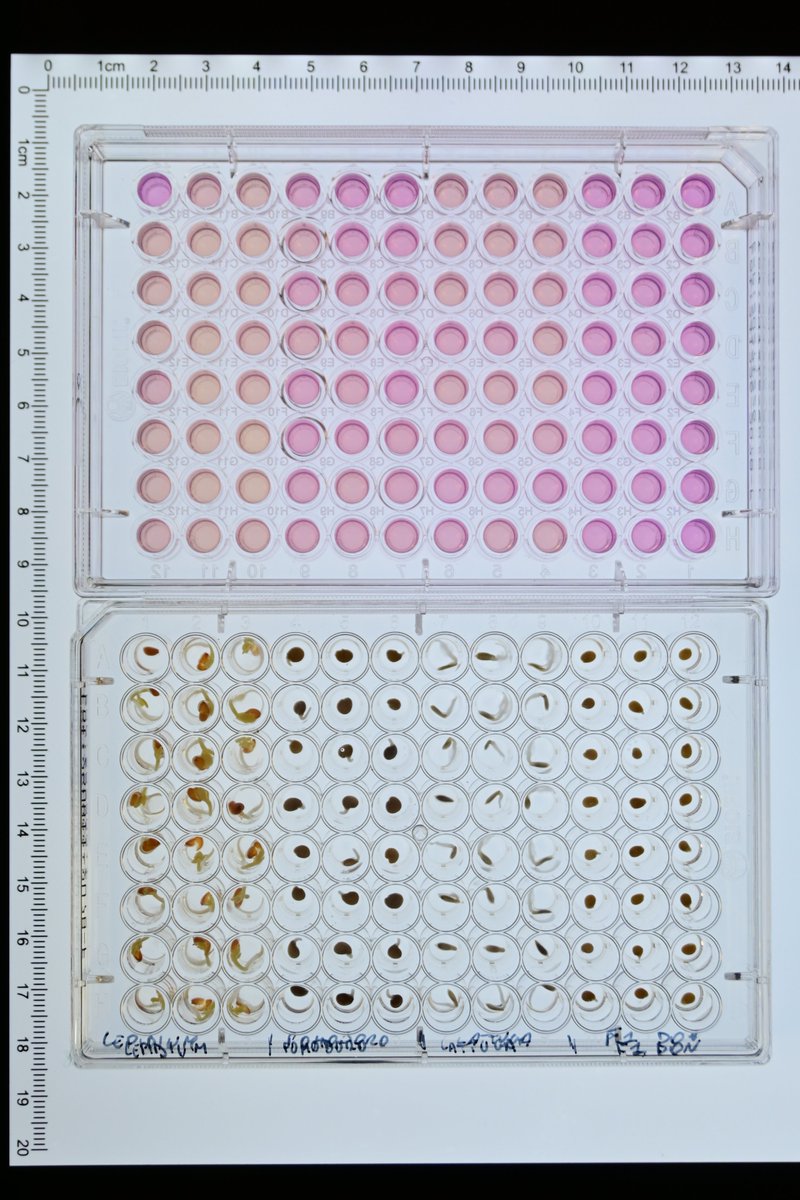
Before a biostimulant can benefit crops, it must first prove it's safe for the plant itself.
We measure the respiration of germinating seeds to detect stress or toxicity at the very earliest stage of plant development.
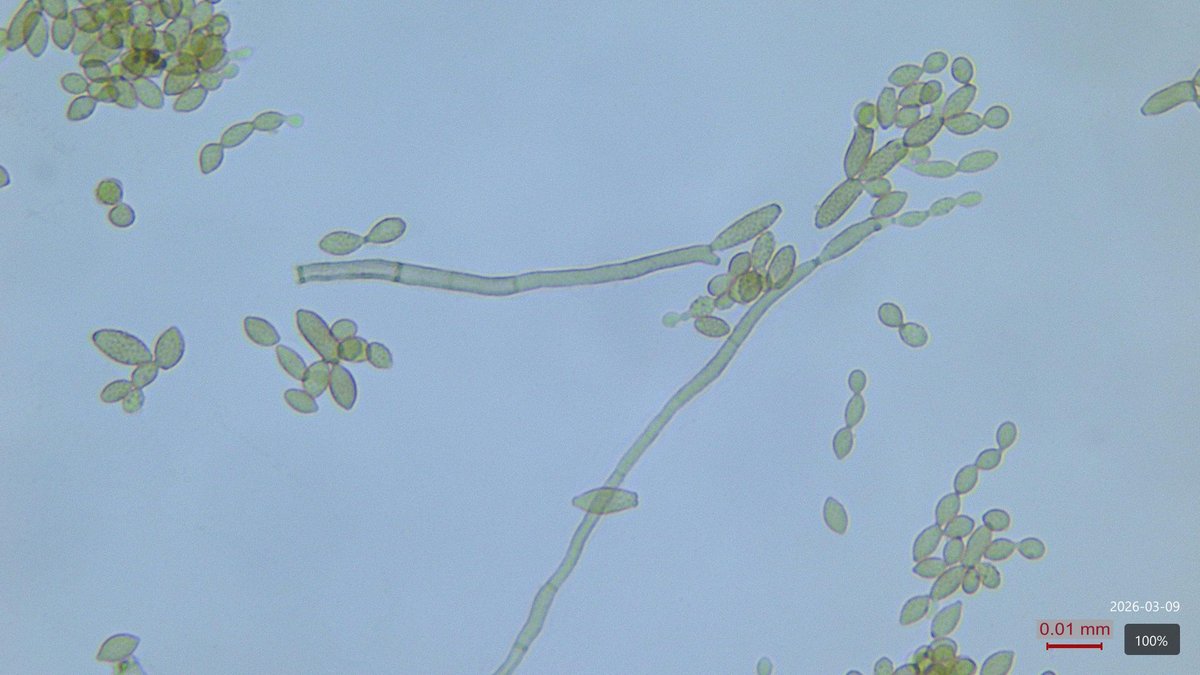
🌱 Friend or foe? The hidden world of fungi and seed fitness 🍄 Not all fungi are harmful. In SPIN-FERT, we're exploring how different fungi influence the health and vitality of crop seeds. #MissionSoil#SoilBiology#PlantHealth
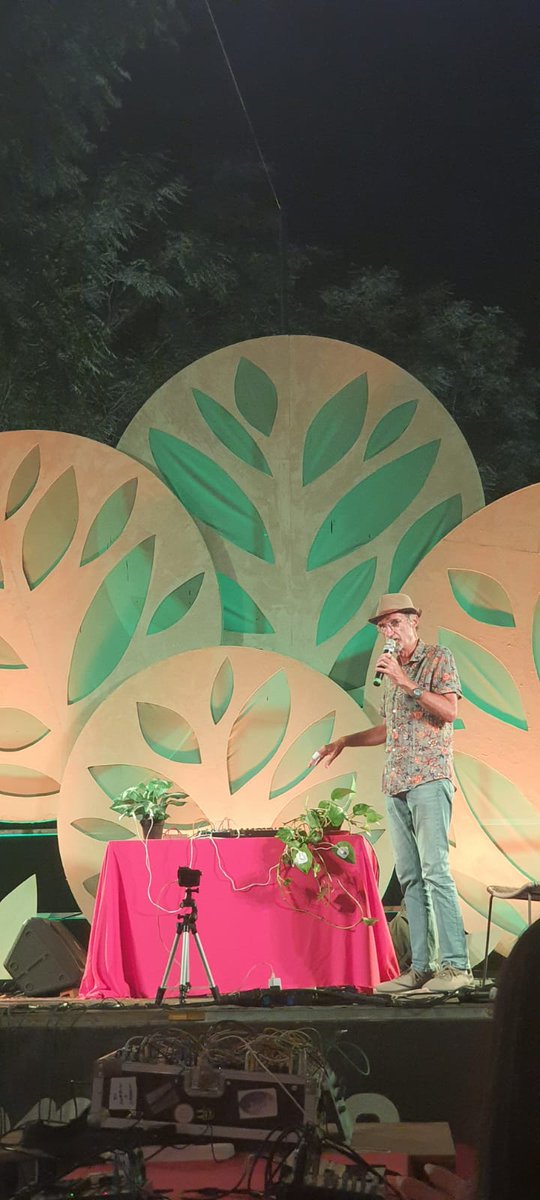
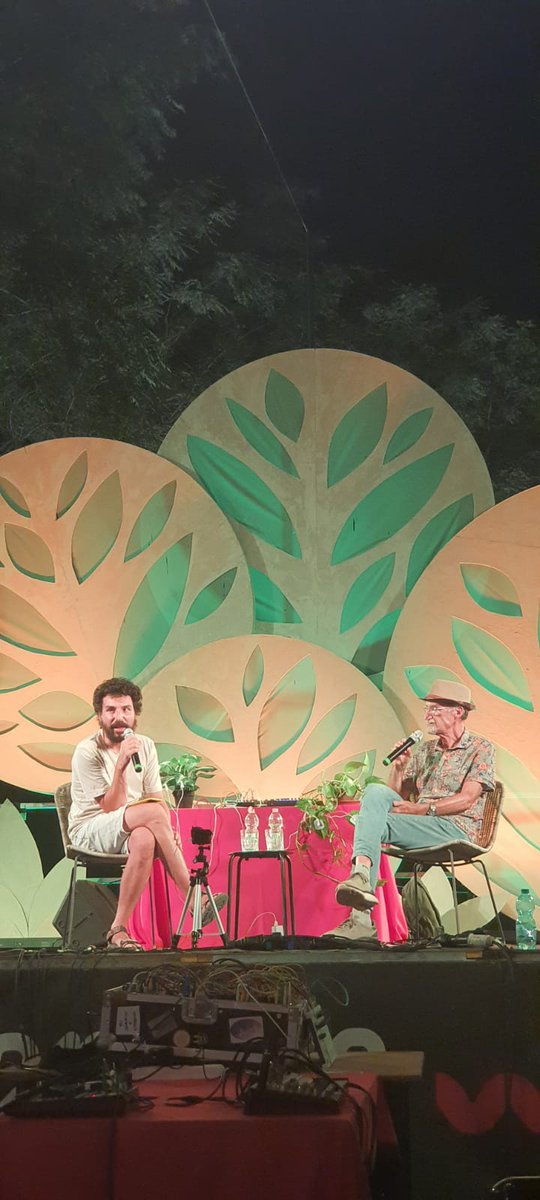
🎶 At the Aniene Festival, Rome, Carmelo Cannarella (CNR-IBBA) led "Green Sounds," a SPIN-FERT workshop turning plant bioelectric signals into real-time soundscapes through phytoacoustics.
#SPINFERT#ArtScience
🌱 How can we detect beneficial bacteria in soil in real time?At the laboratory of @CNR NANO, researchers within the European project SPIN-FERT are developing advanced sensing technologies for sustainable agriculture by monitorin biofertilizing bacteria
#CnrNano#missonsoileu
Researchers have discovered a tiny molecular switch that can control and reverse the direction of a rare rotary machine linked to motility, surface colonization and protein secretion in bacteria. https://t.co/jXbVyV1s1y @AbhiTrvdi@ASU@ASUBiodesign
The next talk in our Fungal Network Seminar Series will be from Dr Paul Rowley talking about killer toxins and their applications. Join us on Thurs 14th May in person or online, no registration required! 🍄 🔬
https://t.co/sljng9BDRU
A surprising observation in a Japanese lab has revealed a remarkable ability in Stentor coeruleus, a single-celled organism about one millimeter long. Sometimes nicknamed the “platypus” of microorganisms for its trumpet-like shape, this tiny creature appears to have a distinct preference for corners. https://t.co/o3ae0j9qL3 @HokkaidoUni@sorairo_stentor
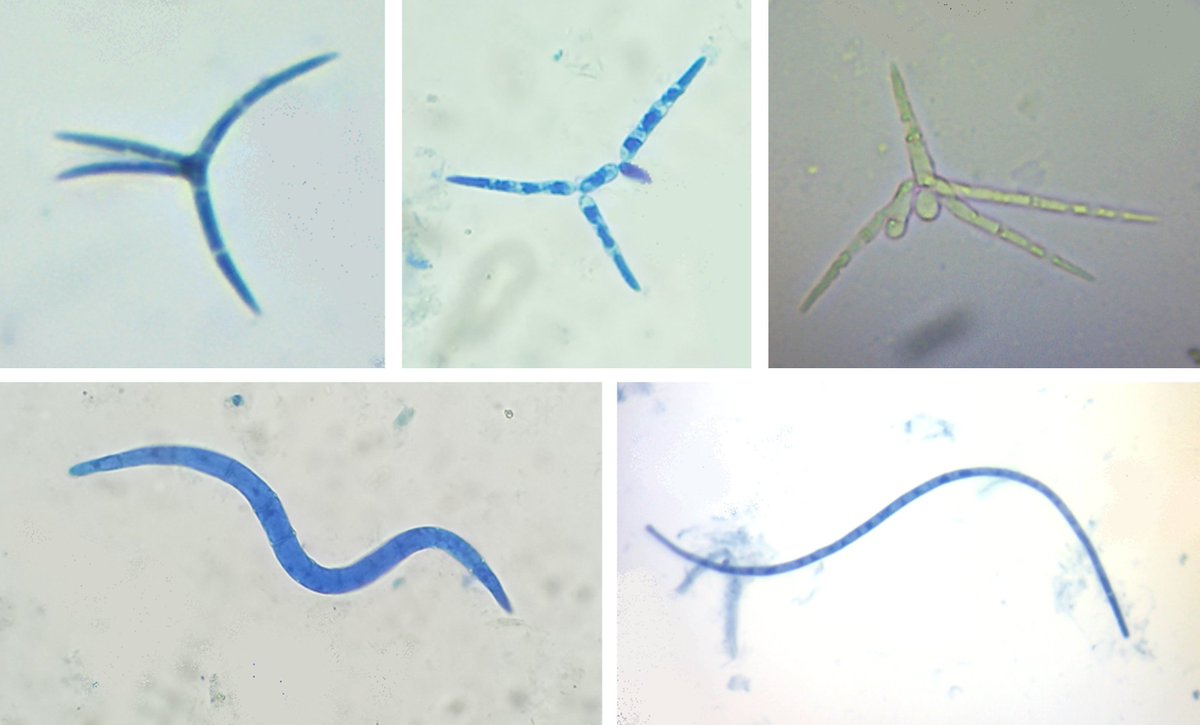
Fun with aquatic hyphomycetes: Fay Newbery's @FayrnHawk Field Mycology article is an engaging introduction to this understudied group of microscopic fungi, which break down plant material & prevent clogged waterways. See the treasures in river foam here: https://t.co/waXAtSRa19
Scientists in Austria have discovered that degraded soils can regain their microbial diversity by combining soil microbiome transplants with artificial humic acid amendments. https://t.co/PigGRarIR4 @GBerg_ubt@wisnu_adi_w
Join us online or in person on the 19th Feb for the next seminar in our ECR talks series where this time we will hear about fungi-on-a-chip, tRNA diversity in yeast and how symbiosis influences local adaptation! 🍄 🔬
https://t.co/wbHk0QZaqS
These microbial "artworks" by the Intermag Team in petri dishes are a glimpse into the creative side of our scientific daily life. With best wishes for 2026! 🌟
#Intermag#SpinFert#ScienceInProgress#Microbiology
🌱 The new SPIN-FERT Newsletter (July–Dec 2025) is out!
From scientific conferences and professional field events to exhibitions and Art & Science outreach, SPIN-FERT continues to connect soil research with practice and society https://t.co/dvNxTnqGKe #MissionSoil#HorizonEurope
Researchers reveal new species and records of Diaporthales from Xinjiang Uygur Autonomous Region, China, using morphology and molecular phylogeny.
https://t.co/3tcZh5uSPV
Postdocs! 📣 Are you looking for an intensive and inspiring summer experience in microbiology?
☀️ Don't let this opportunity slip away! ⏳ The countdown is ON for the FEMS Summer School for Postdocs 2025🎓🧫
Applications close 18 April, 23:59 CEST 🔗https://t.co/qv9dWra8Tt
Early Bird Registration is now open! Join us in Milan for 4 days of research, discussions, and unparalleled networking opportunities. #FEMS2025
⚠️Please note: If you have submitted an abstract, we advise waiting for your notification before registering. https://t.co/pjRq3qzcNq
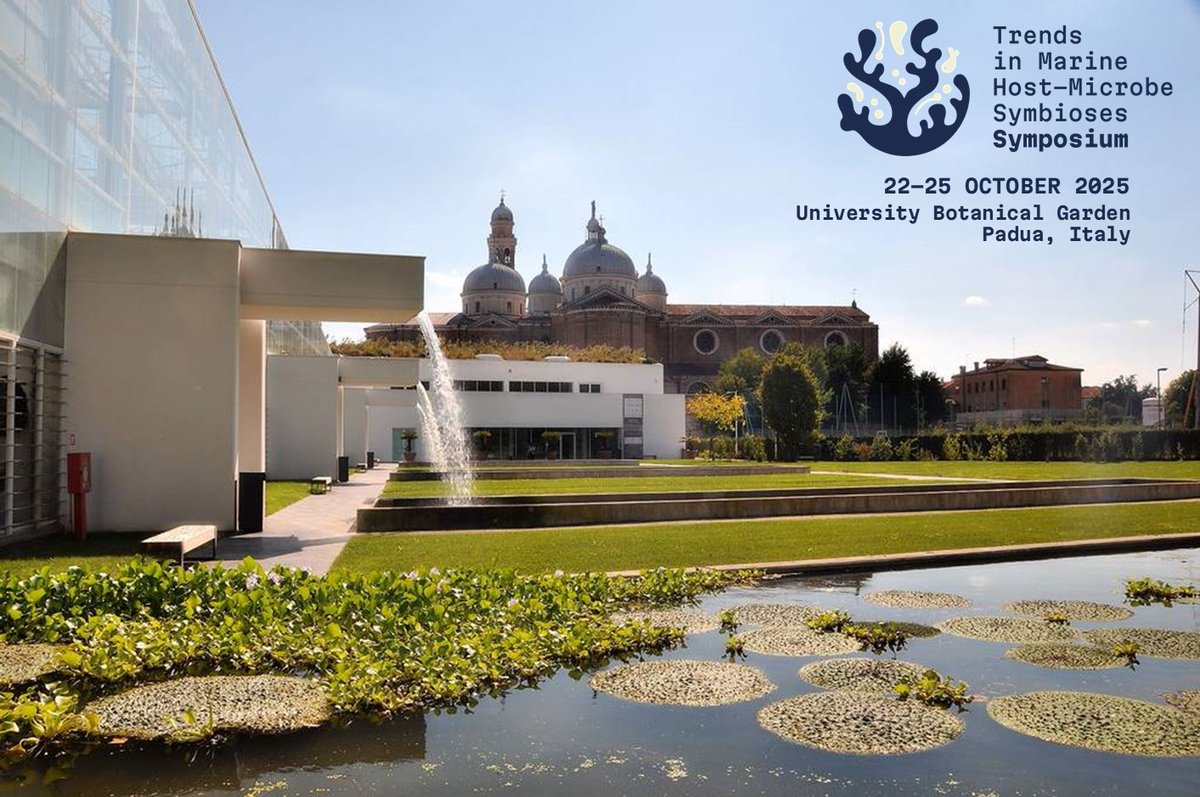
We're thrilled to announce that the #TMHMS25 Symposium will take place at Padua’s Botanical Garden - the world's oldest university botanical garden, UNESCO World Heritage site, and a true gem of biodiversity! 🌱✨
Looking forward to seeing you all in Padua!
Good news everyone! I'm happy to share here our latest paper published in Microbial Biotechnology on using Art as a way to contribute to the microbiology literacy of our fellow citizens. Great collaboration with Ramón Batista García.
https://t.co/lGYj624tIr
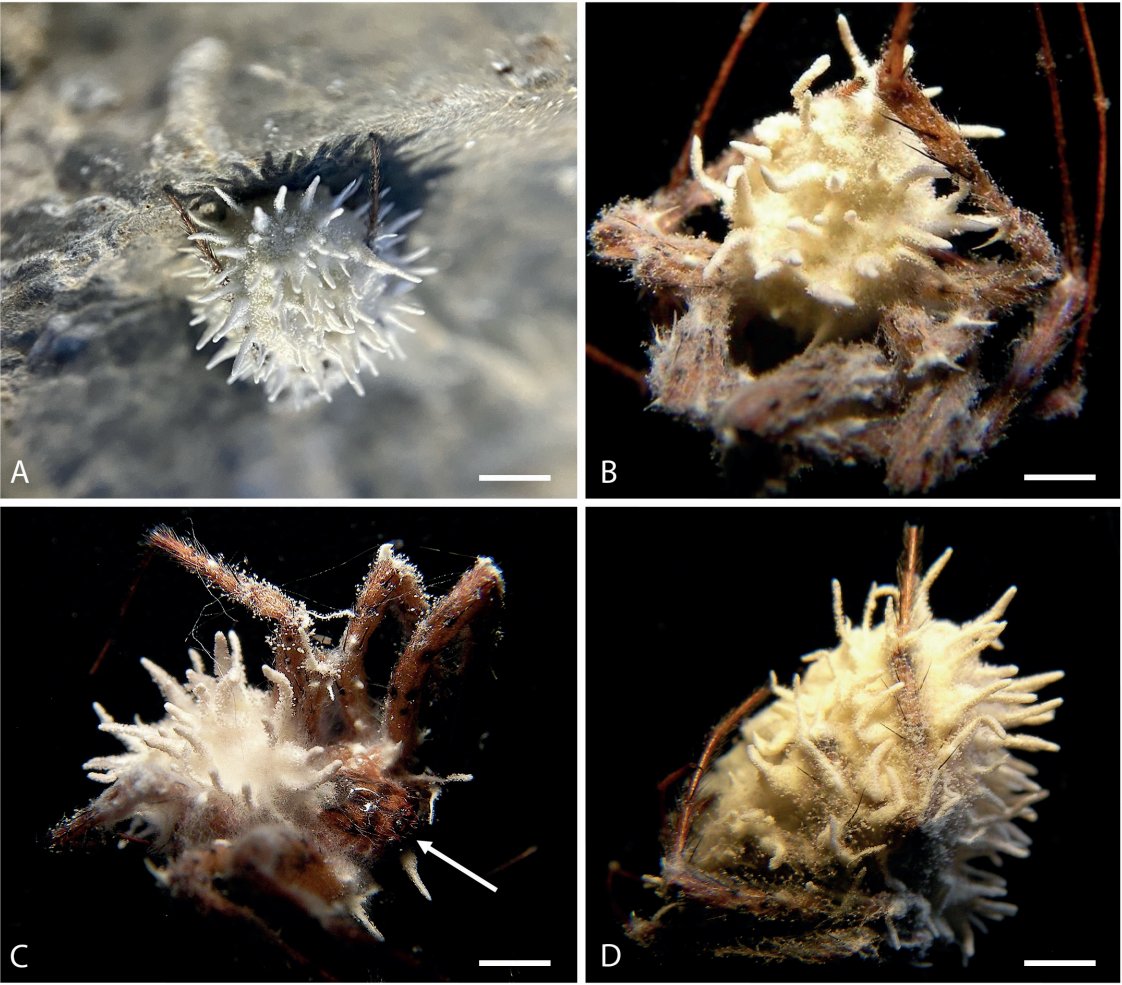
Along came a zombie spider: Gibellula attenboroughii a unique fungus killing spiders in caves in the British Isles has been named after Sir David Attenborough a pioneer of BBC natural history programmes, which indirectly led to the discovery of this fungus
https://t.co/TPexmZ39R1