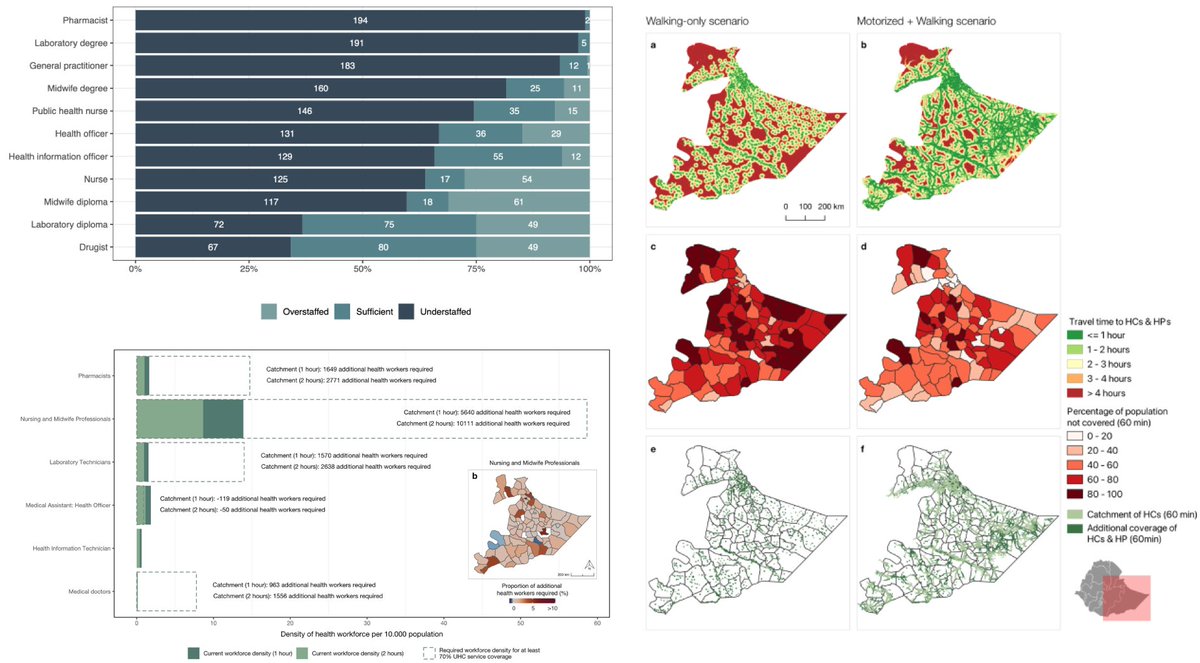
🌍 🏥 Our latest study assesses PHC access in Ethiopia amid OHEP reforms
🔍 Findings show low access (65% lack health center access within 1-hour), long referral times, and low health-worker density
⭐️ Recommendations include: Upgrade facilities and enhance outreach strategies
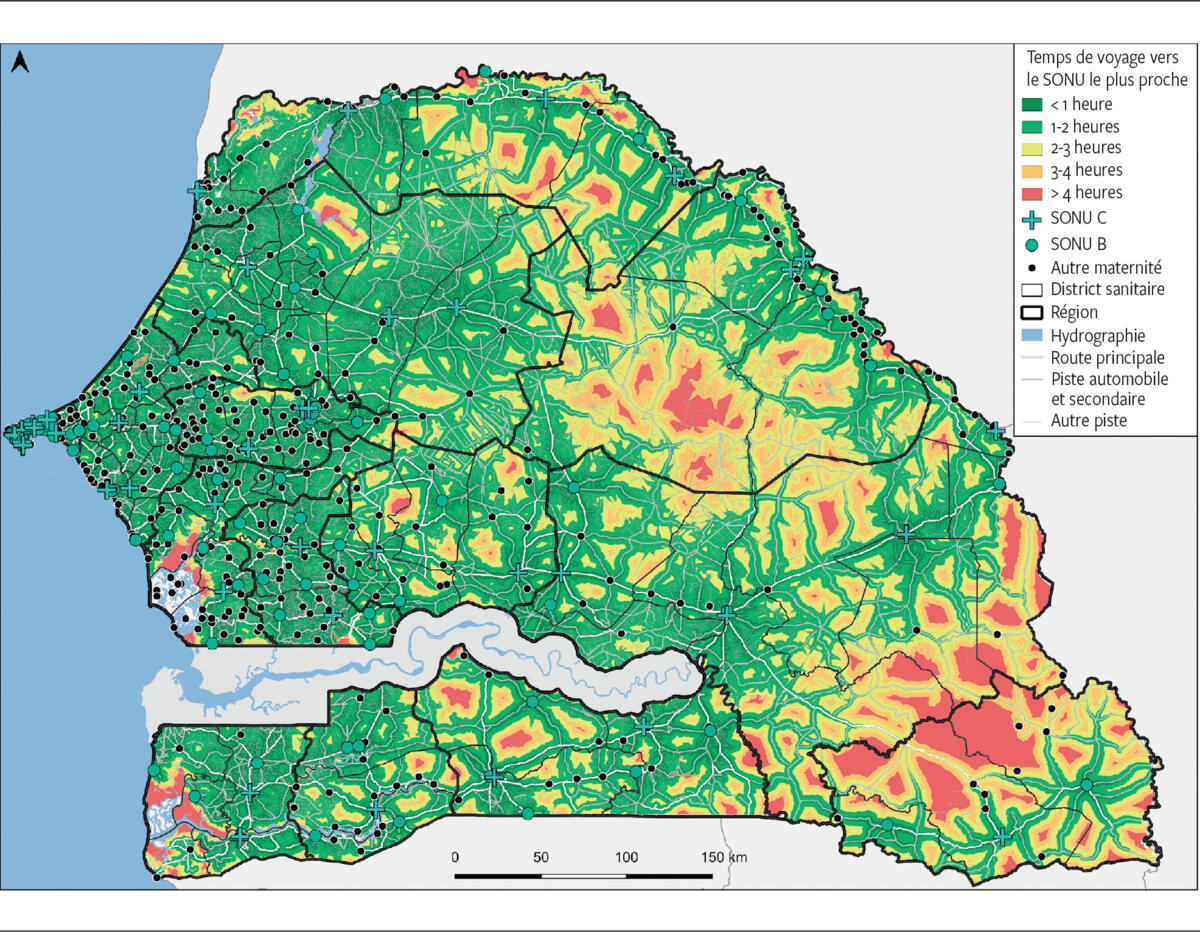
Improving access to maternity hospitals: a key issue when resources are lacking by @FleurHierink et al
• Assessing and monitoring how pregnant women can quickly access EmONC maternity facilities is key to reducing the maternal mortality rate.
• Better availability of geographic data is needed to help countries calculate the new global indicator providing information on the proportion of women with access to the nearest EmONC maternity unit within two hours.
• Improving the availability of these services should not be done without improving their quality and geographical accessibility.
https://t.co/WoAQ4dymsz
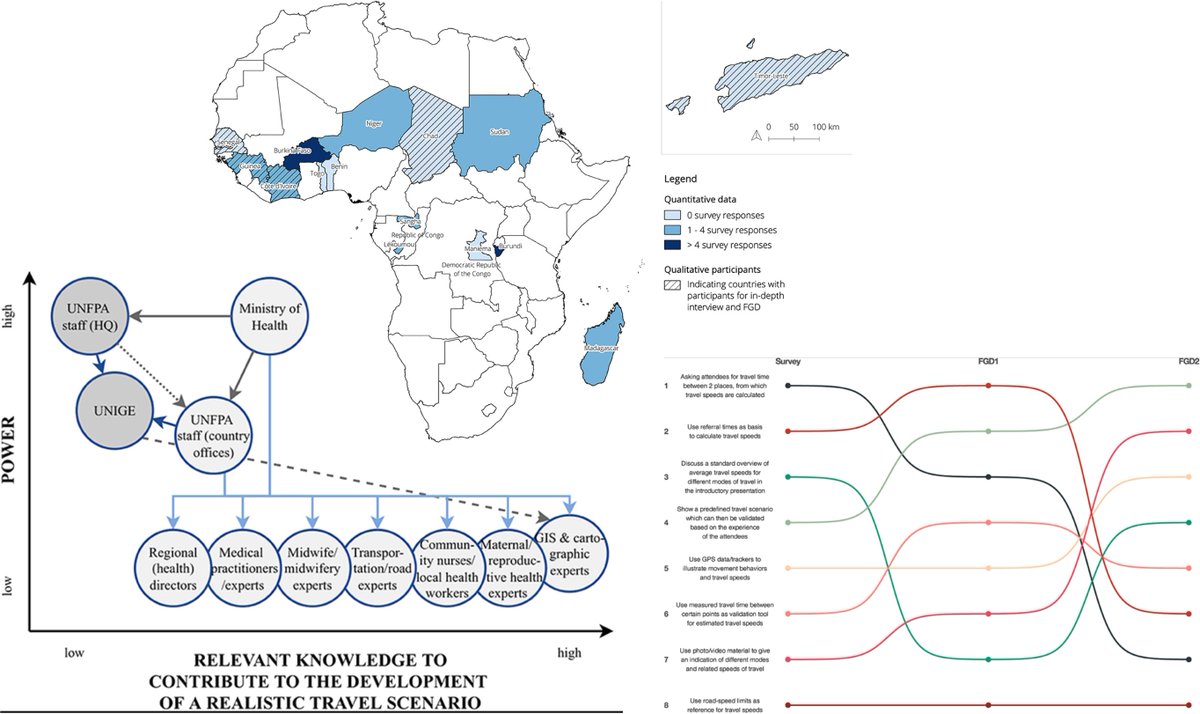
Our latest paper evaluates the challenges in eliciting expert knowledge on modes and speeds of transport for patient seeking care. Insights from travel scenario workshops in 14 countries help improve accessibility models.
https://t.co/PmtRwpJpf4
@unige_ise @ISG_UNIGE@UNIGEnews
New Research: Travel scenario workshops for geographical accessibility modeling of health services: A transdisciplinary evaluation study: Introduction
Limited geographical access to quality Emergency Obstetric and Newborn… https://t.co/4ECTBwSayg #PublicHealth#HealthForAll
New paper led by Lotte Molenaar explores challenges in capturing health seeking behavior (population's modes & speed of transport) for geographic accessibility models. We share insights from workshops in 14 countries to improve travel scenario workshops!
https://t.co/d4mnedxjZw
#Geospatial analysis for improved understanding of health inequalities, open for submission in @CommsMedicine
We are intrested in research using spatial methods to map coverage, disease, drivers of health, vulnerability, healthcare access, etc
Please RT
https://t.co/pQe6voZIe4
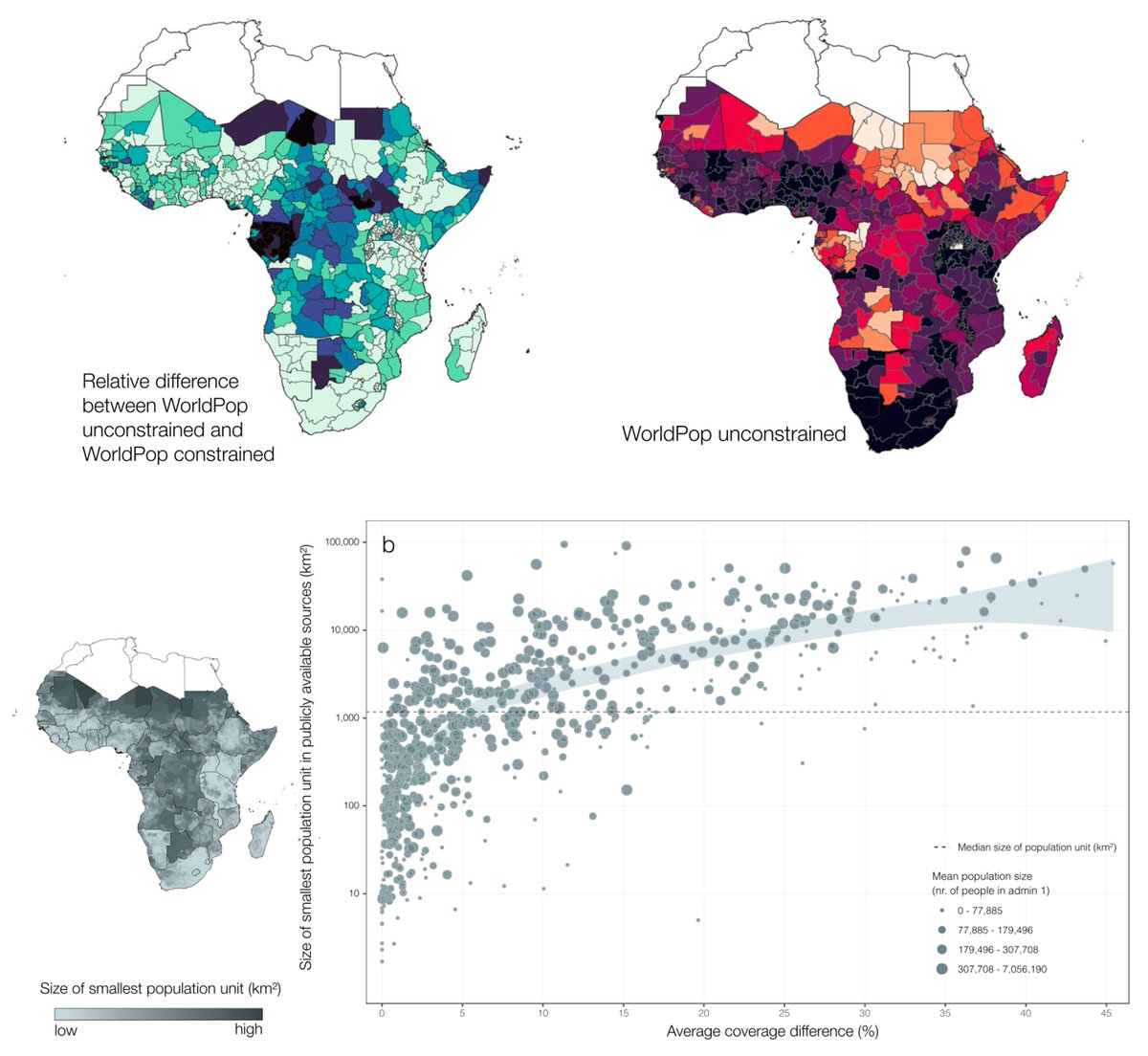
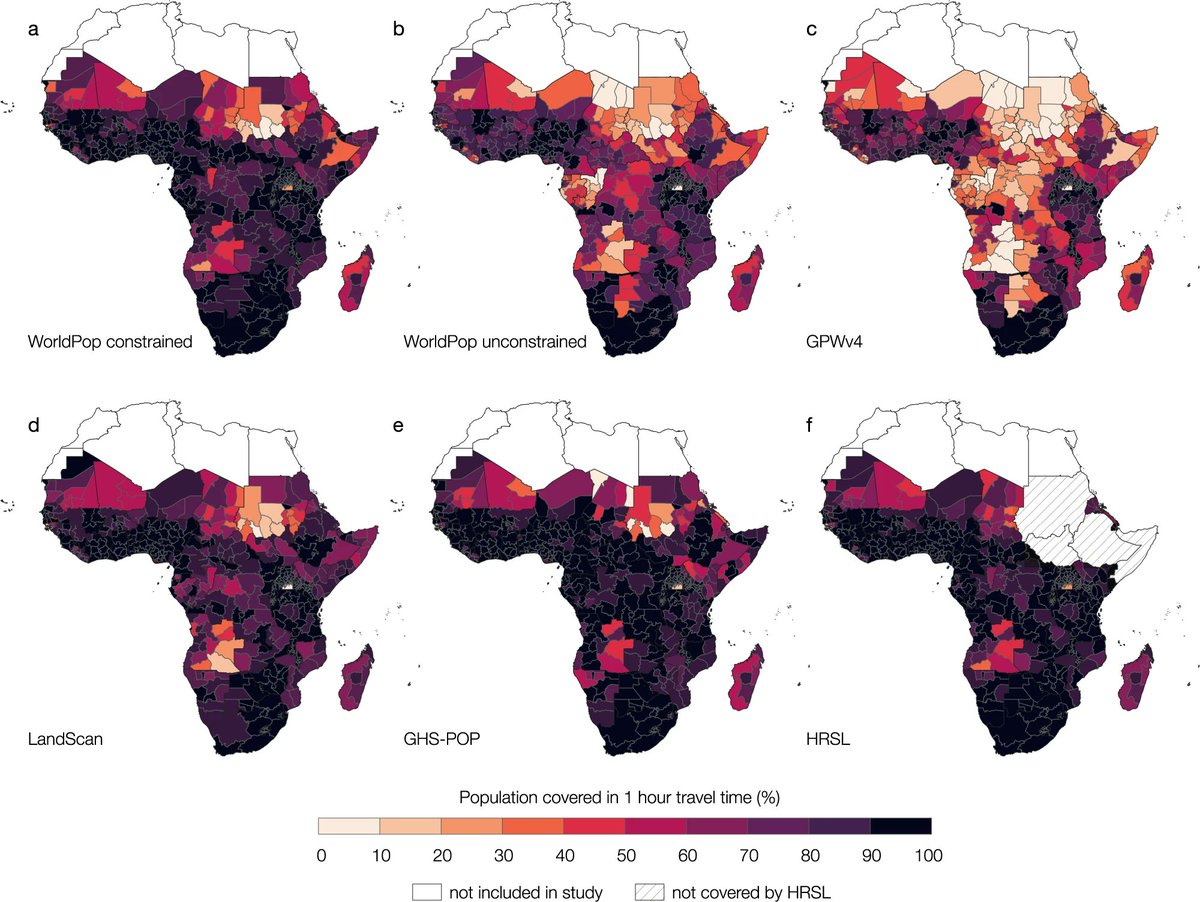
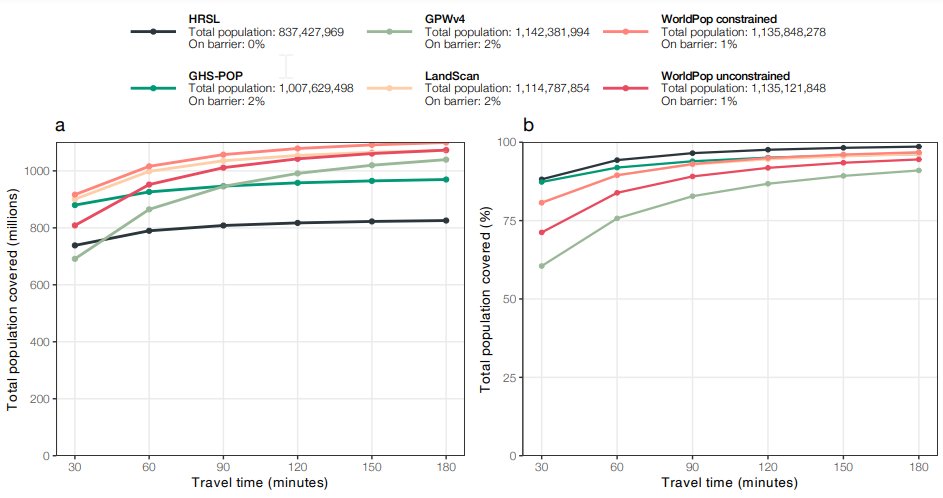
New paper out in @CommsMedicine ! We explored the effects of using various gridded population datasets on measures of geographic accessibility to health care.
Effects on pop coverage can be large (>70%) !
https://t.co/ZoXulouCVq
@unige_ise @ISG_UNIGE@UNIGEnews
New @CommsMedicine paper!
Gridded population data are essential for knowing where people lack access to healthcare. Differences between data products impact these estimates. Coverage differences can exceed 70%. These results are crucial to anyone relying on population data.
💡 NEW RESEARCH! Hierink et al. determine the impact of using different gridded population datasets on measures of geographic accessibility to healthcare facilities in sub-Saharan Africa
https://t.co/BUtuBH1TbJ
Last Friday, I successfully defended my doctoral thesis in the Global Health program at the University of Geneva. The thesis applies, evaluates, and reviews geographical accessibility models in different settings in LMICs. A scientific body of work with a practical implication.
New paper! Lead by @nickoliphant % of pop within 30 min walk to the nearest CHW increased from 16.1% to 80.4% between 2000-2015 in Sierra Leone. Optimised CHW networks more efficiently deployed than existing networks by 22.4%–71.9%.
https://t.co/QG8UU3wlNP
@unige_ise @ISG_UNIGE
Optimising scale and deployment of community health workers in Sierra Leone: a #geospatial analysis led by @nickoliphant et al in @GlobalHealthBMJ
Analysis to support @mohs_sl & stakeholders plan, invest and retarget CHWs
An exemplar for SSA countries
https://t.co/IpN1laOYjU
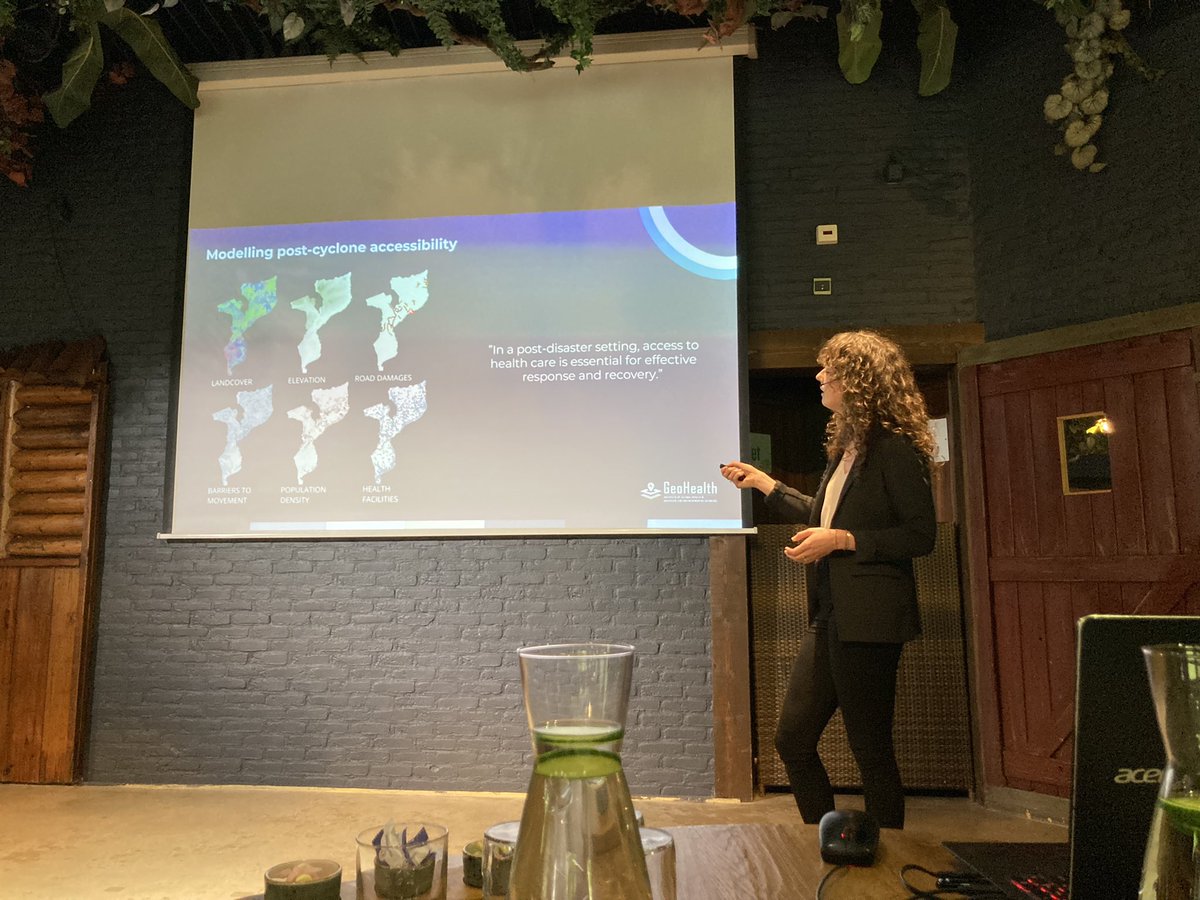
Wow, what an incredible presentation from @FleurHierink a health geographer on using geo-spatial data to model accessibility to health services post cyclone in Mozambique!
Unfortunately something that will be needed more & more with this #climatecrisis
New pre-print lead by @FleurHierink examining how differences between gridded population data impact measures of geographic access to healthcare in sub-Saharan Africa: https://t.co/1gFRBpsjnu