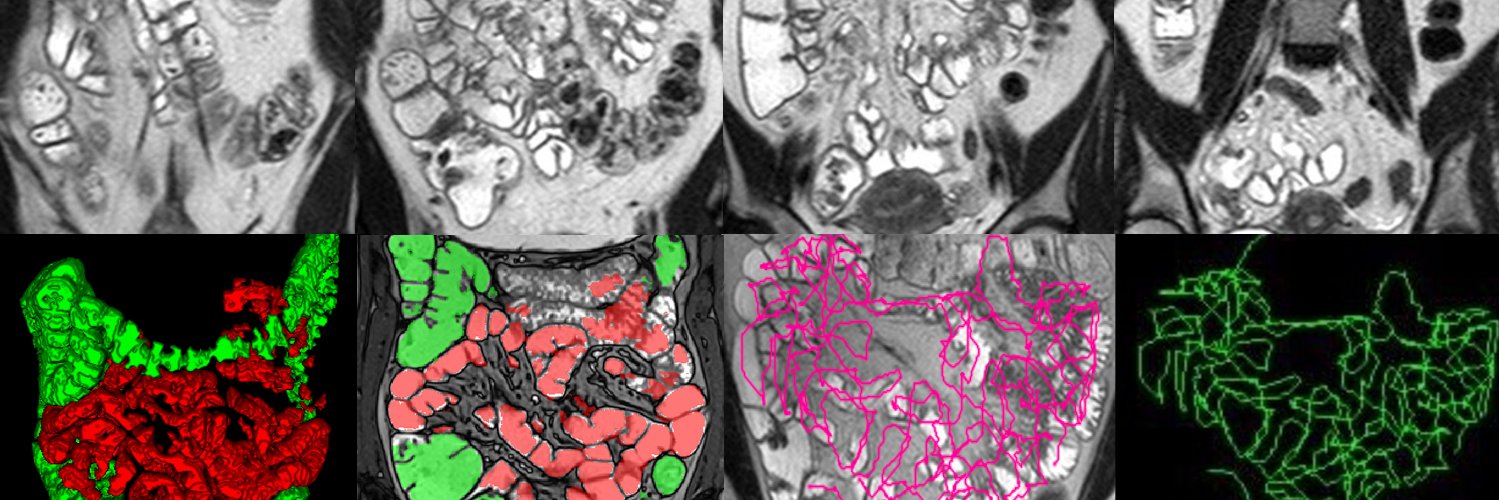
What if we stop asking only how cells build tissues and ask how tissues shape cells?
That’s what we’ll explore at Modelling Life from Tissues to Cells 🇨🇭
https://t.co/HbHkXlE2Yq
Lab's latest: sculpting sex-biased metabolic territories in the intestine by tuning ploidy and lipid metabolism. Myc is to blame and Laura, Pedro and Chris found out
https://t.co/8TEnzAaB7a
Lab's latest: sculpting sex-biased metabolic territories in the intestine by tuning ploidy and lipid metabolism. Myc is to blame and Laura, Pedro and Chris found out
https://t.co/8TEnzAaB7a
Well done Cindy! Fun collaboration with Anissa Kempf, Markus Affolter, Martin Muller and colleagues on the ontogeny of adult feeding https://t.co/40TAxqCCGI
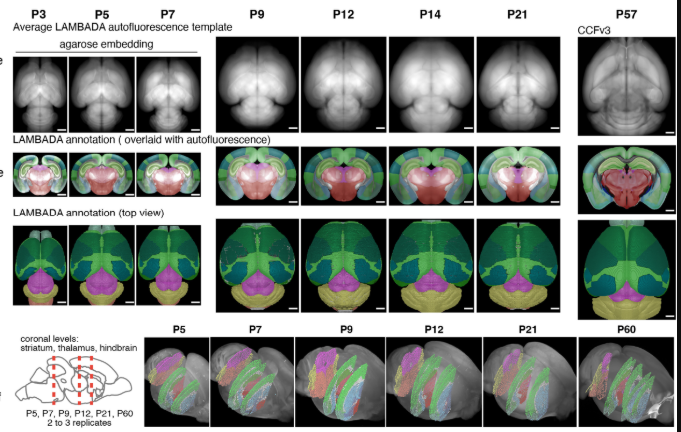
Elisa de Launoit ... Nicolas Renier developed LAMBADA – a resource for registering and annotating optically cleared developing mouse brains with high temporal resolution, enriched by aligned spatial transcriptomics. https://t.co/S9ljAxJ9hI
#SingleCell#SpatialBiology
Congratulations to our very own
@ameliejoly.bsky.social
on being awarded a Marie Skłodowska-Curie Actions European Postdoctoral Fellowship. Excited to see where it takes her!
Visibility in Academia, like in the world, is not fixed; it is produced. This piece “What Cell Biology Reveals About Academia” is a reminder that everyone has the potential to be either seen or unseen.
https://t.co/qKHzGx6oec
🚨 You have two more days to submit your abstract for #EESSexDifferences. Don't miss this opportunity!
The deadline is 28 January 👉 https://t.co/g5WQQjHBMm
This brand new symposium will highlight a range of topics, including sex hormone regulation of health and immunity, genetic differences that lead to disease, and mosaicism.
📢 EMBO | EMBL Symposium 'Sex differences in health and disease'
🗓️ 27 – 30 April
📍 EMBL Heidelberg and Virtual
⏰ The abstract submission deadline for #EESSexDifferences is fast approaching! Don't forget to submit yours by 19 January 👉 https://t.co/g5WQQjHBMm
This brand new symposium will explore how sex influences health and disease through genetic, hormonal, immune, metabolic, and environmental factors.
Session topics:
🔹 Development and evolution of sex differences
🔹 Sex differences in organ function and physiology
🔹 Plasticity of sex differences, gene-environment interactions, and ageing
🔹 Sex differences in immunity and autoimmunity
🔹 Differences in disease susceptibility, progression, and treatment response
🔹 Systems and engineering approaches to sex differences
📢 EMBO | EMBL Symposium 'Sex differences in health and disease'
🗓️ 27 – 30 April 2026
📍 EMBL Heidelberg and Virtual
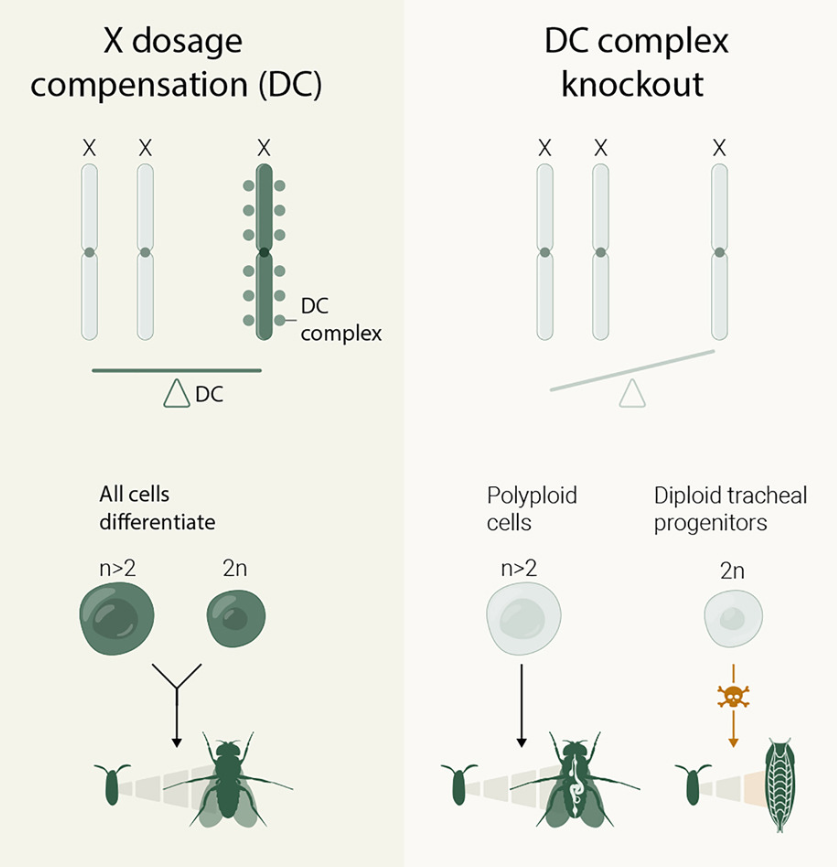
Selective vulnerability of certain cell types to loss of dosage compensation. Post-embryonically, most tissues can do without it - except for a subset of adult progenitors. Congrats Océane, Bruno and Lucie! https://t.co/cPo06cpkh8
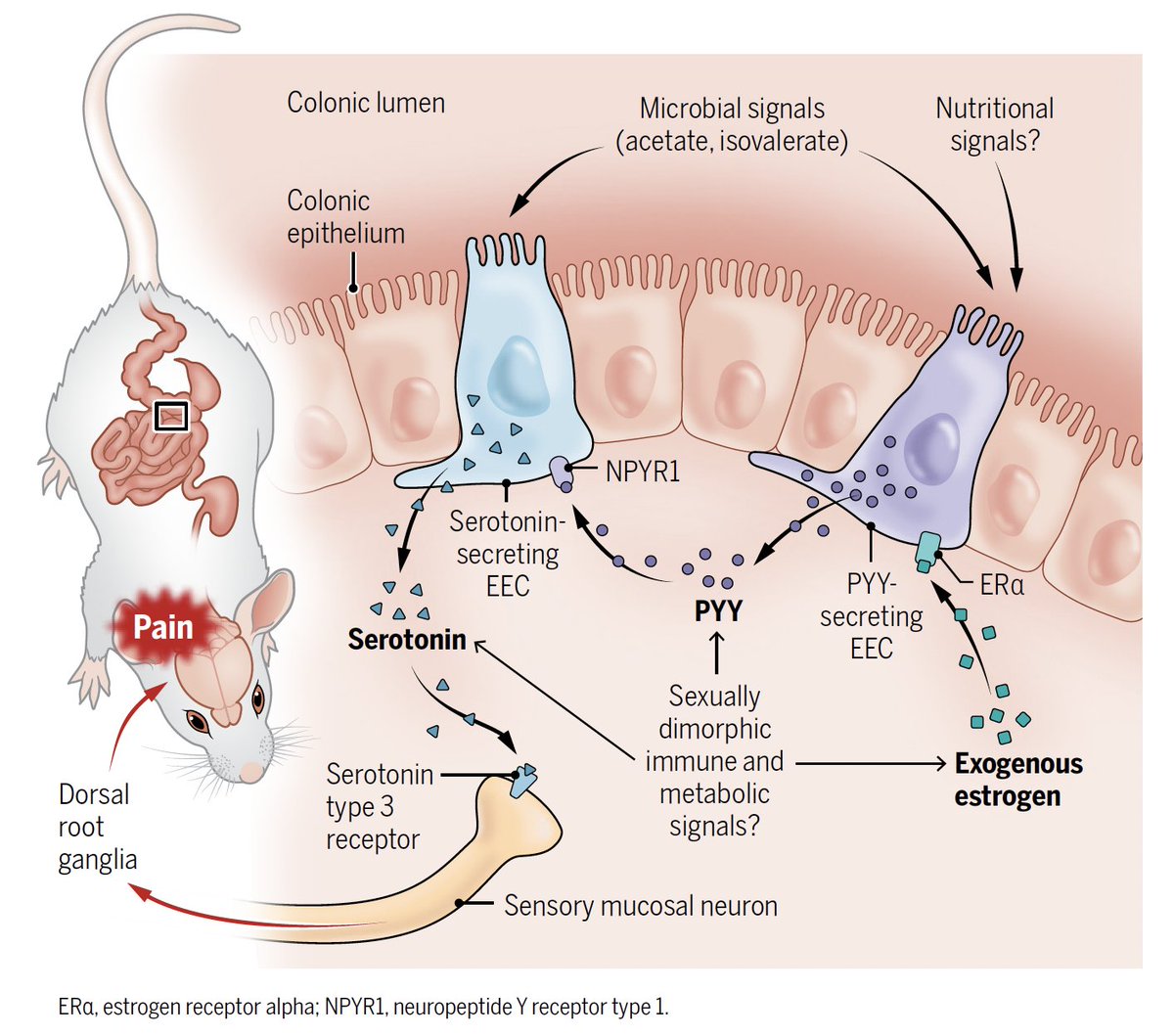
"When it comes to pain, men and women are far from equal."
Highlighting the role of estrogen for amplifying visceral pain sensitivity in the experimental model
@ScienceMagazine
https://t.co/9kSrFif16X
Deadline approaching for the EMBO meeting "Molecular and Developmental Biology of Drosophila" 21 – 27 June 2026.
Both new and established PIs welcome.
Apply by Nov 3rd!
https://t.co/7MDXrO2zpn
The Cordero Lab has openings for two post-docs positions. Please contact me if you are interested in doing cross-species research on local and systemic intestinal biology.