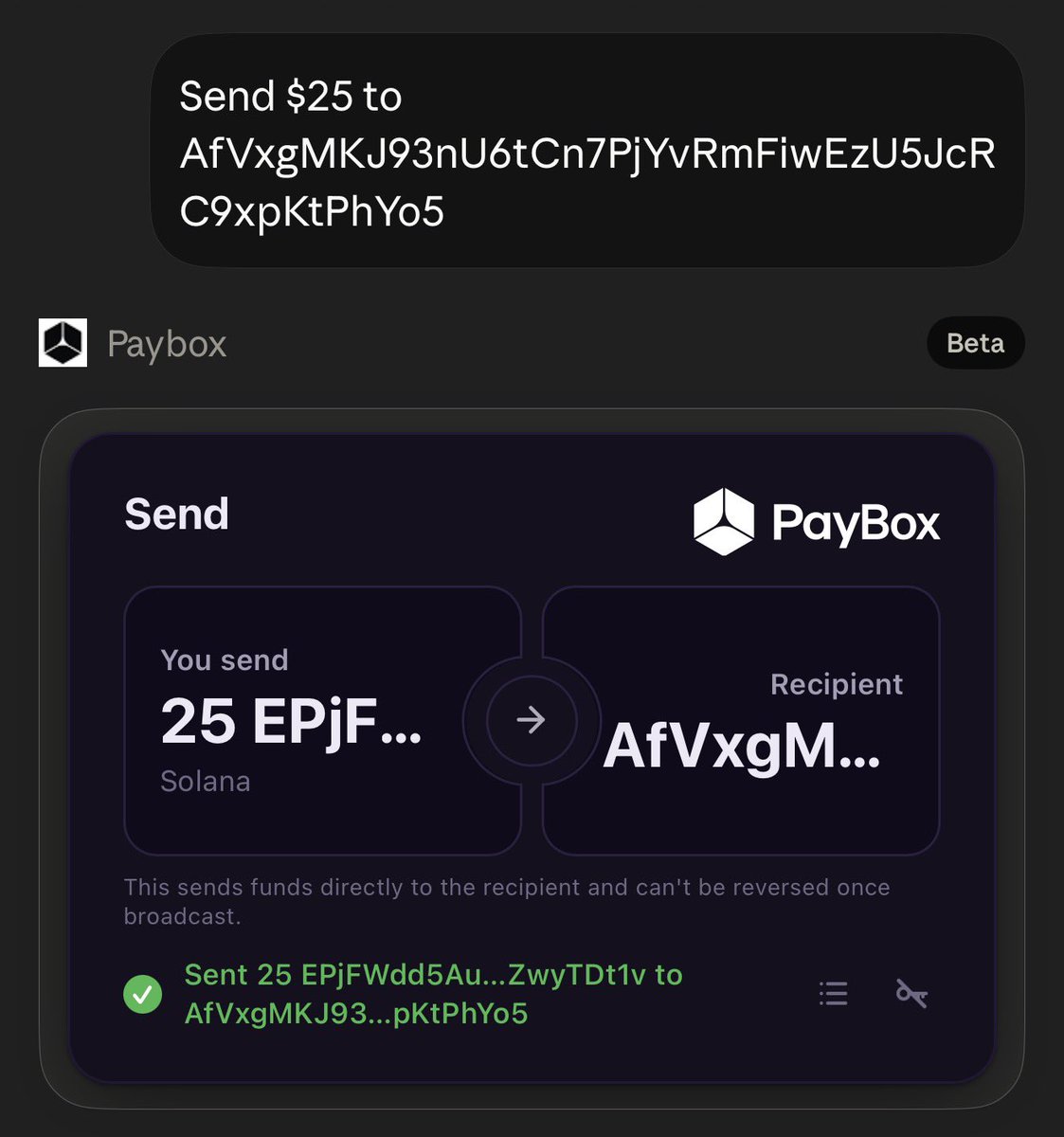
Before you copy another wallet address this week, know that 178 trusted sites served code built to swap it.
On Monday a compromised Optimizely script put malicious code on sites including Zoom, CNN and HSBC, built to swap crypto addresses, skim cards and go after older iPhones.
Which means even a site you trust could show you the wrong deposit address, and nobody had to do anything dumb to get caught by it.
Then there’s WhatsApp, where since late October hacked accounts have been sending files to their own contacts that look like payment or business paperwork, and Singapore’s cyber agency and police both warned about it, mostly about people on WhatsApp Desktop and Web.
The nasty part is the file comes from someone you actually know.
And last week Telegram rolled out HTML widgets for bots and it got messy fast, cause researchers showed code execution with them and Kaspersky suspects they’re tied to WebRAT infections on desktop.
Durov says the issue doesn’t exist though, so as of now it’s suspected and still developing, not confirmed.
What I’d actually do, no VPN nonsense:
Check the full address on your signing device before you confirm anything, cause a pasted address can’t be trusted right now.
Never open an unexpected ZIP, EXE or ISO even from someone you know, cause their account might not be theirs anymore, and if it feels off just call them to check.
Turn off auto download for files and videos in WhatsApp under Storage and Data and in Telegram under Data and Storage.
It’s not what’s behind this week’s attacks, but it still cuts down what lands on your device without you touching anything.
Turn on two step verification on both apps, then check Linked Devices on WhatsApp and Devices on Telegram and remove anything you don’t recognize.
Stay away from Telegram widgets or bot stuff you didn’t start yourself until this settles, and keep your phone and apps updated.
And if a site suddenly wants you to install an app, extension or profile, just close it.
Not every phone is suddenly vulnerable, it’s just that the attacks keep moving closer to the stuff we already trust ✦
Not everyone has seen an actual video of the BYD Yangwang U9
So here’s one for y’all 👇👇
The futuristic design and the fact that it’s also electric does it for me.
Also, it’s actually quite cheaper than the Aventador, except for the limited edition BYD
BNB Chain’s dropping a hardfork called Pasteur on the 25th, and it closes up two ways validators could hold onto power they shouldn’t have.
First, whenever assets move into BSC from another chain, the system checks that enough validators signed off. Turns out a crafted validator set could list the same validator more than once and count their signature multiple times, hitting the threshold with fewer real signers than it should need. That’s patched now.
Second, validator keys. When a validator rotates to a new key, the old one used to keep admin powers it shouldn’t have anymore. Also, if a validator had a pending penalty, switching keys can’t dodge it now, it follows through. Blacklisted addresses lose a governance voting loophole too.
There’s also a throughput upgrade nearly doubling speed on testnet, but that’s a node operator and builder thing, not something regular users need to touch.
For the average holder, nothing changes, no action needed. This one’s for node operators, who need the latest client running before the 25th or they fall off the network.