Investigating global forest recovery from disturbance & interaction with climate, vines & management. Seeking students & partners. @usceduau @arc_gov_au
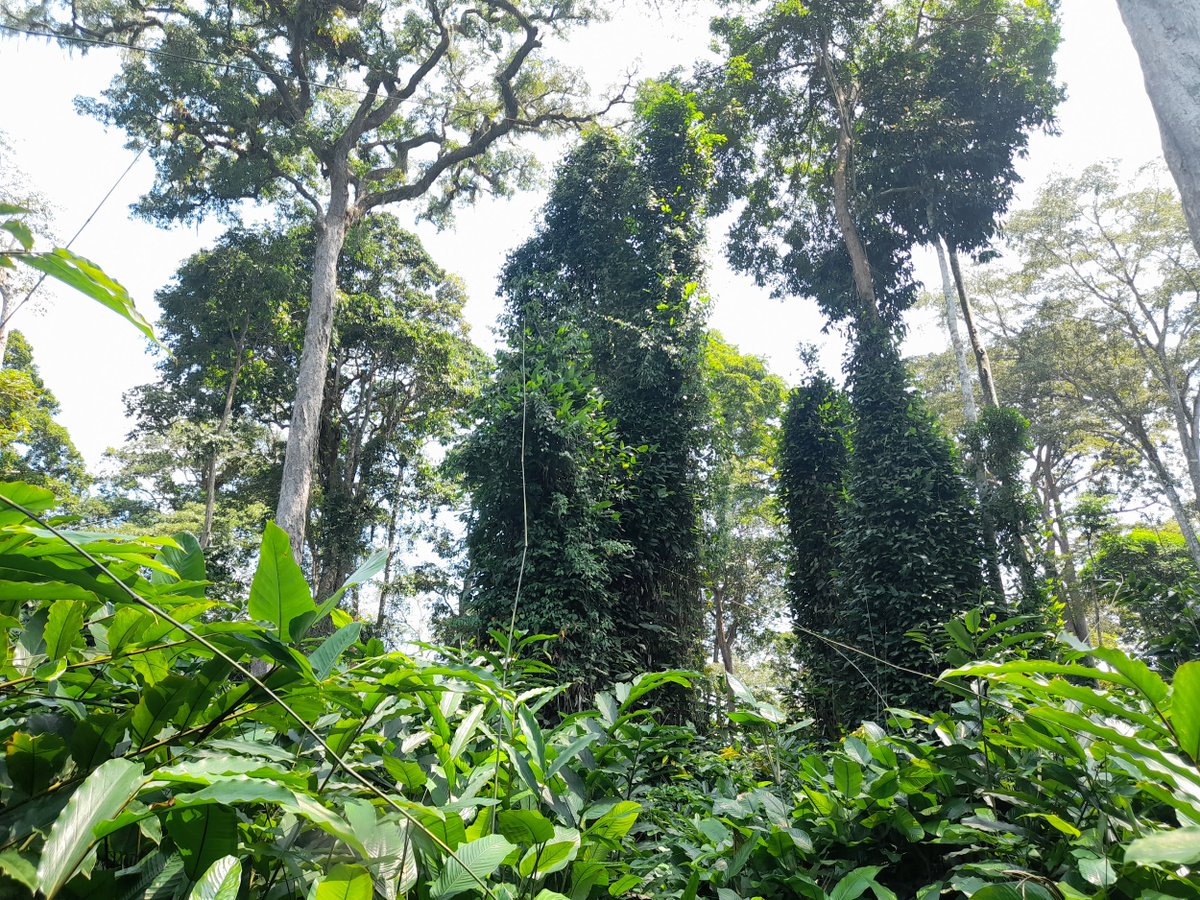
Our recently published global analysis shows that lianas outcompete trees in disturbed, warm, dry, lowland forests. Disturbance-temperature interaction suggests a tipping point of 27.8 degrees C, when lianas become more dominant. https://t.co/n09dKYIG2F
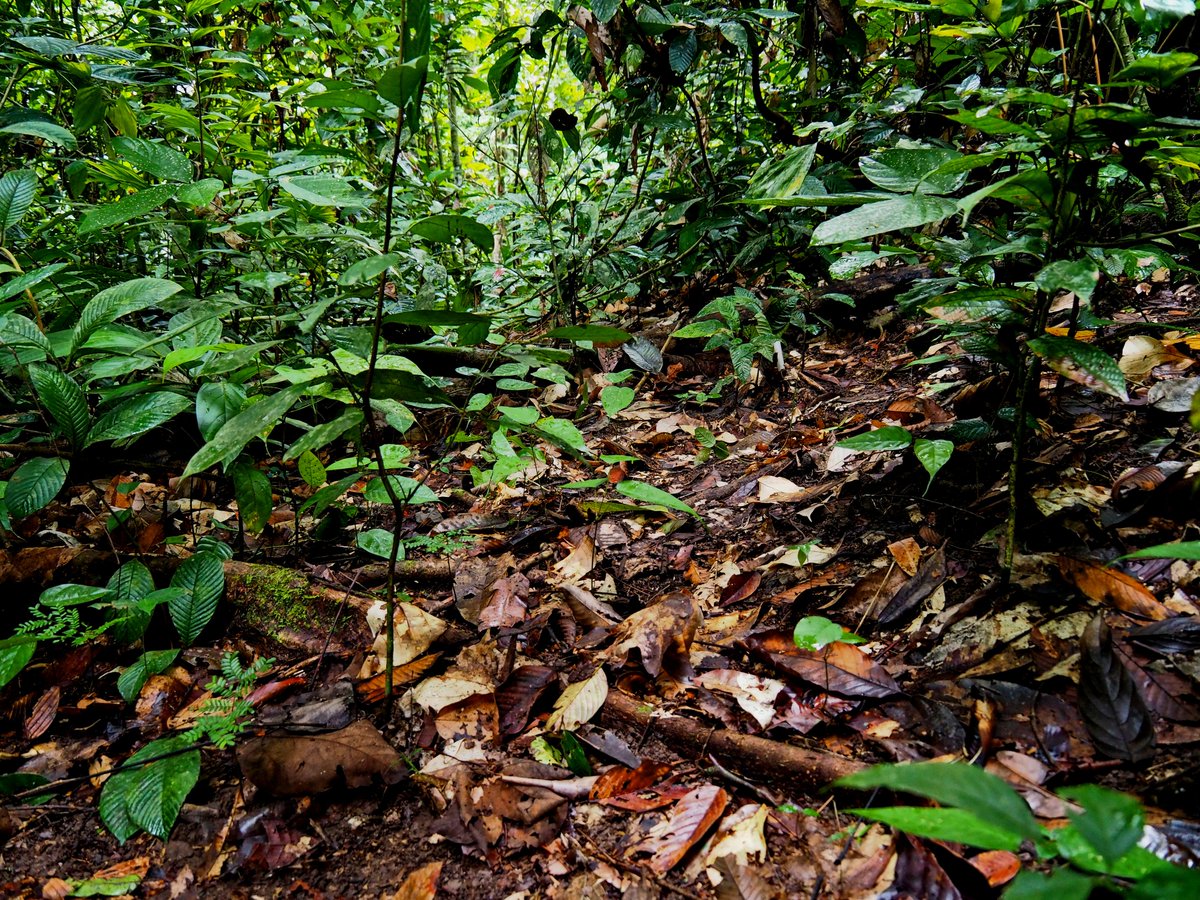
The first research output from our Australian permanent sample plot network, led by @EmmaMackintosh4, shows that forests struggling to recover from cyclones are not recovering biomass and overwhelmed by liana infestations. https://t.co/nXmhISKH3W
Monitoring of litterfall and herbivory in one of our vegetation plots has been combined with similar data from 73 other sites worldwide, showing that plant-herbivore interactions and associated nutrient fluxes, are affected by climate.
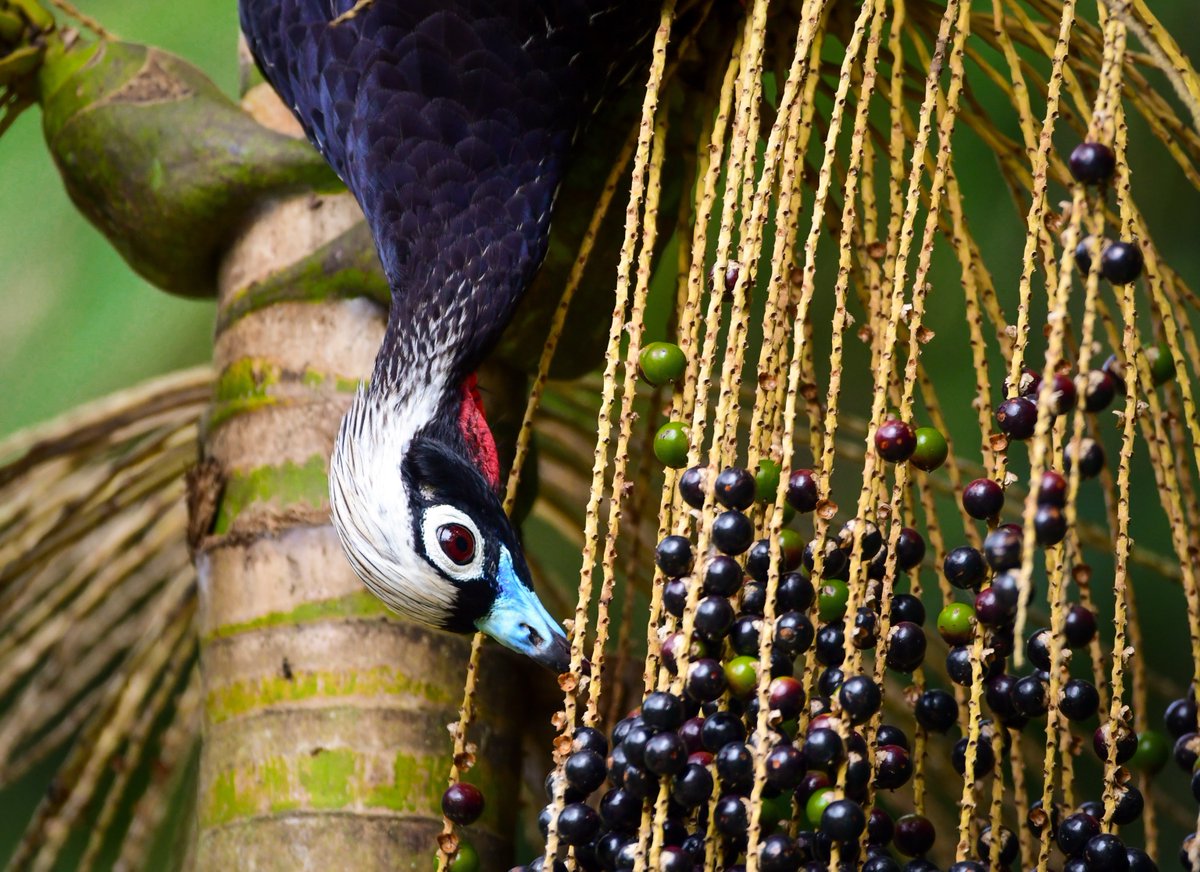
🌿Discover the enigmatic Marantaceae forests of Africa in our latest review! Could these forests be one of the rare examples of alternative stable states in tropical ecosystems? Our review suggests yes, yet much remains to be uncovered: https://t.co/9vvGk6NRoO
#TropicalForests
This article summarises our use of millipedes to test for “bandage effects” of vine infestations. While they harm trees and stall forest succession, we expect that dense vine thickets also preserve microclimates for wildlife and future forest recovery. https://t.co/wssvY1PlWB
Interview: ‘Lianas threaten Earth’s carbon sinks’
Field ecologist @askngute explains how lianas have lower carbon sequestering capacity than trees & when they compete for sunlight in the canopy, they suppress trees.
https://t.co/Ngo0WfvRAa
#Environment#Liana
Rainforest seedlings are more likely to survive in natural forests than in places where logging has happened – even if tree restoration has taken place
Read more 👉 https://t.co/v46cp6oqcF
Full study 👉 https://t.co/y07DeBfuUv
@UniofExeter@StirUni@SEELeeds@GSI_Exeter@ETH
Check out this new funding call from the @BritishAcademy_ "Climate Change Adaptation and Mitigation Led by or Actively Involving Indigenous Peoples + Local Communities" 👇🌍
https://t.co/aTzwizHBIn
We are recruiting for a new postdoc to join our team for 18 months, modelling the global and regional impact of vines on tree growth and forest recovery from disturbance. https://t.co/s1nX7rqMBy
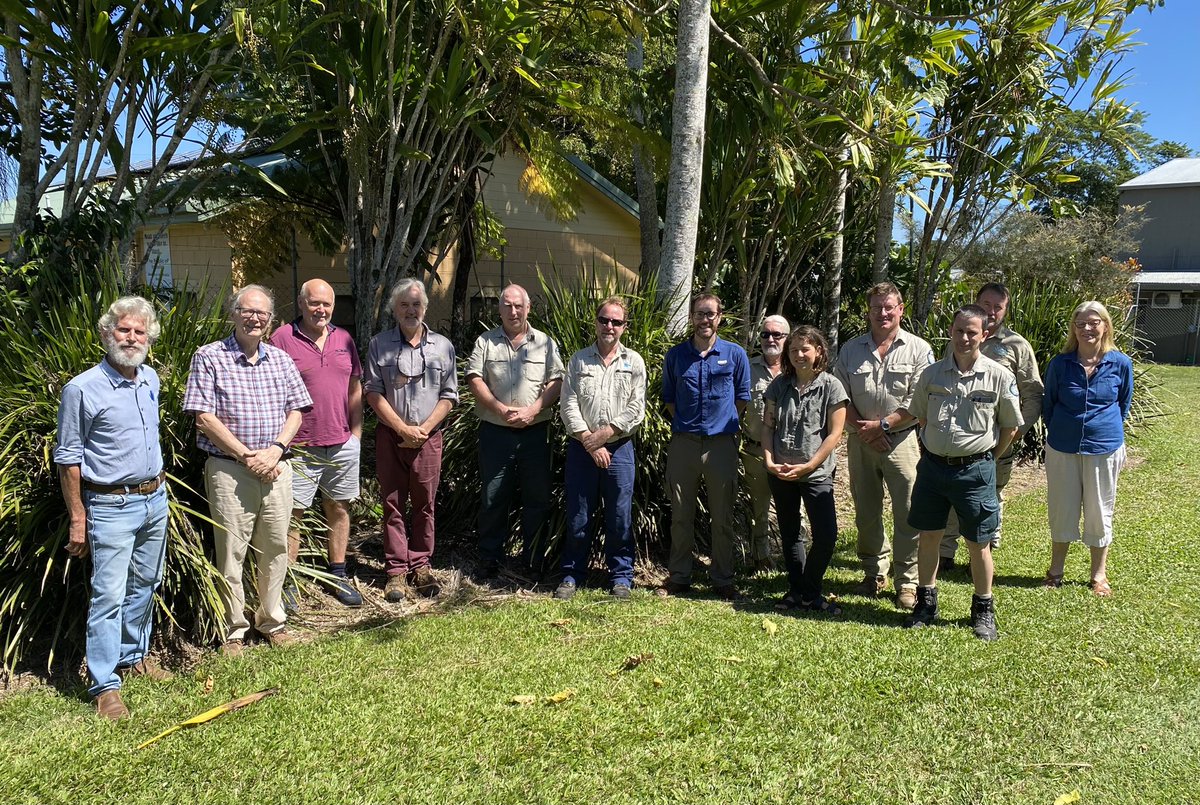
Workshop with forest managers discussing implications of our @FoRCEexperiment research for managing the Australian Wet Tropics last month. Many people “hate” the native & exotic vines now smothering the forests after all the cyclones and logging! But should we be cutting them?
We are seeking field assistants to help with our research into forest recovery from cyclones in North Queensland. Please circulate 😊. https://t.co/zp59ERR1H8
Secondary forest recovery in the neotropics. They appear to be behaving differently to the vine-dominated forests where we work, where recovery can be stalled for decades.
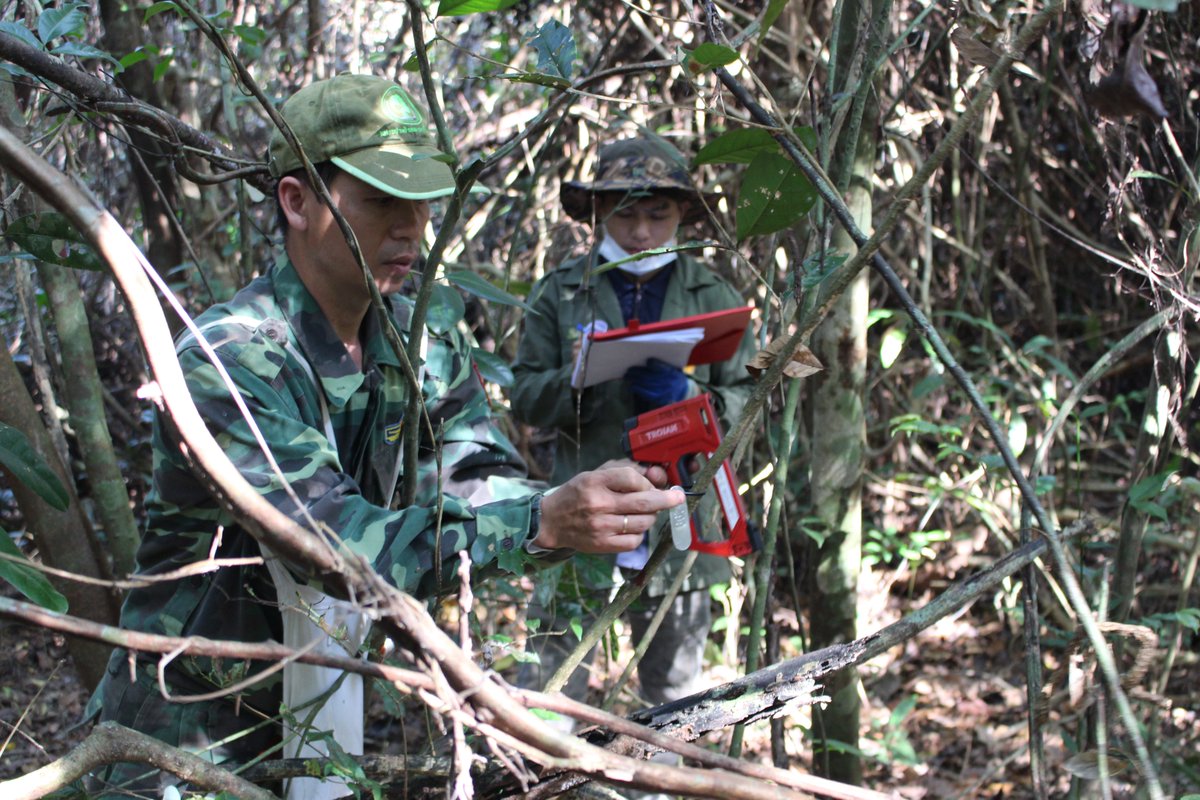
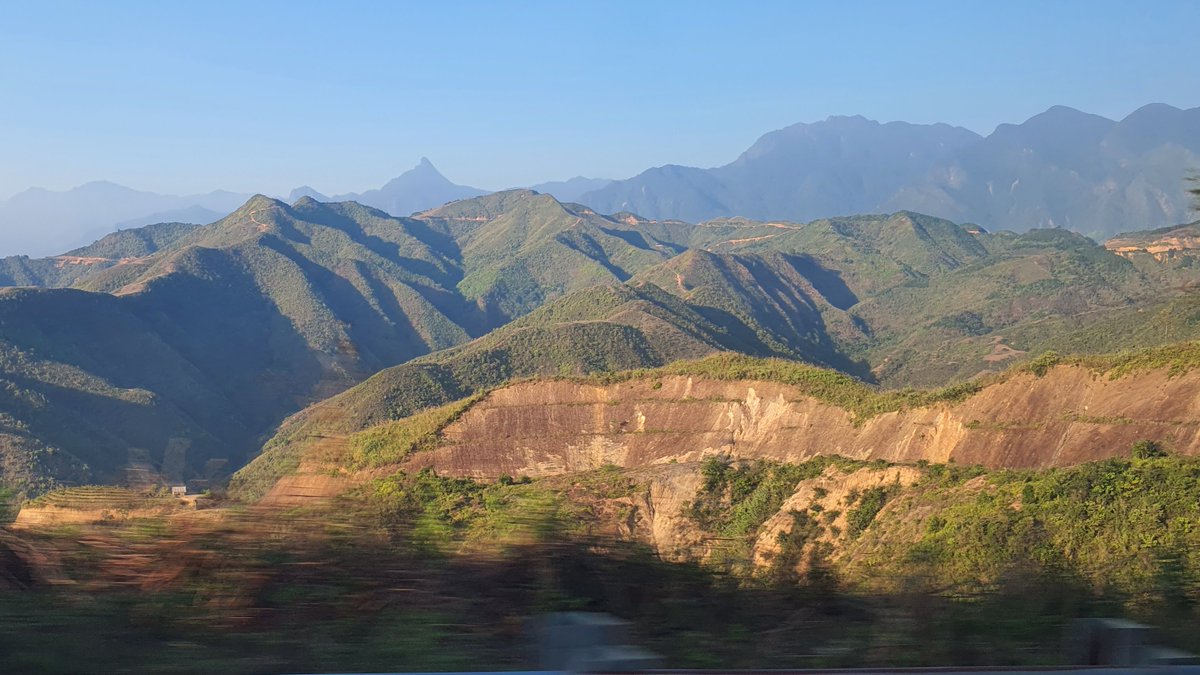
Our wonderful new field team in Vietnam has just finished establishing our latest pilot vegetation plots, our first expansion into Asia. Hopefully lots more work to follow, to determine how disturbed forests can be restored through control of plants competing with trees.
This month we begin expansion of our network of permanent vegetation plots into Colombia and Vietnam. We are establishing new pilot plots and exploring forest elevation gradients to plan for future work. Partners: @inst_humboldt and the Vietnamese Academy of Forest Sciences.
The executive summary of our @RSocPublishing#PhilTransB theme issue is now available in 8 languages: Bahasa, English, French, Mandarin, Brazilian Portuguese, Spanish, Swahili and Vietnamese. Please share to help get the science into policy and practice. https://t.co/zNoMzpTL5f