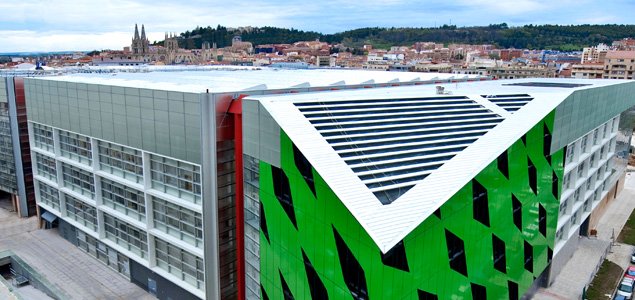
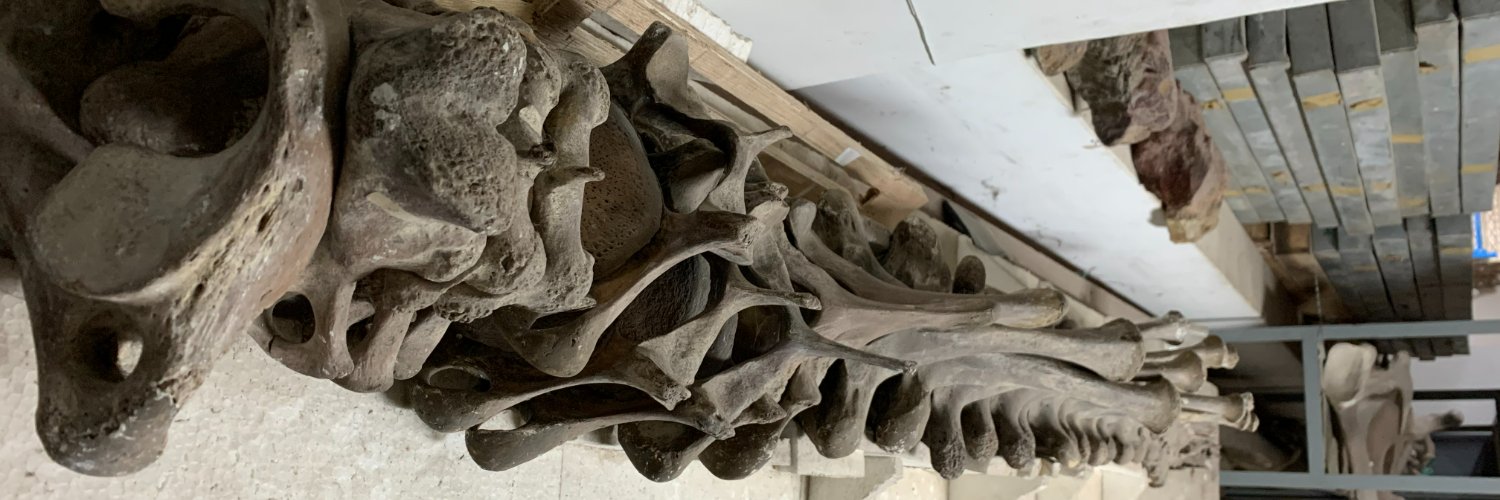
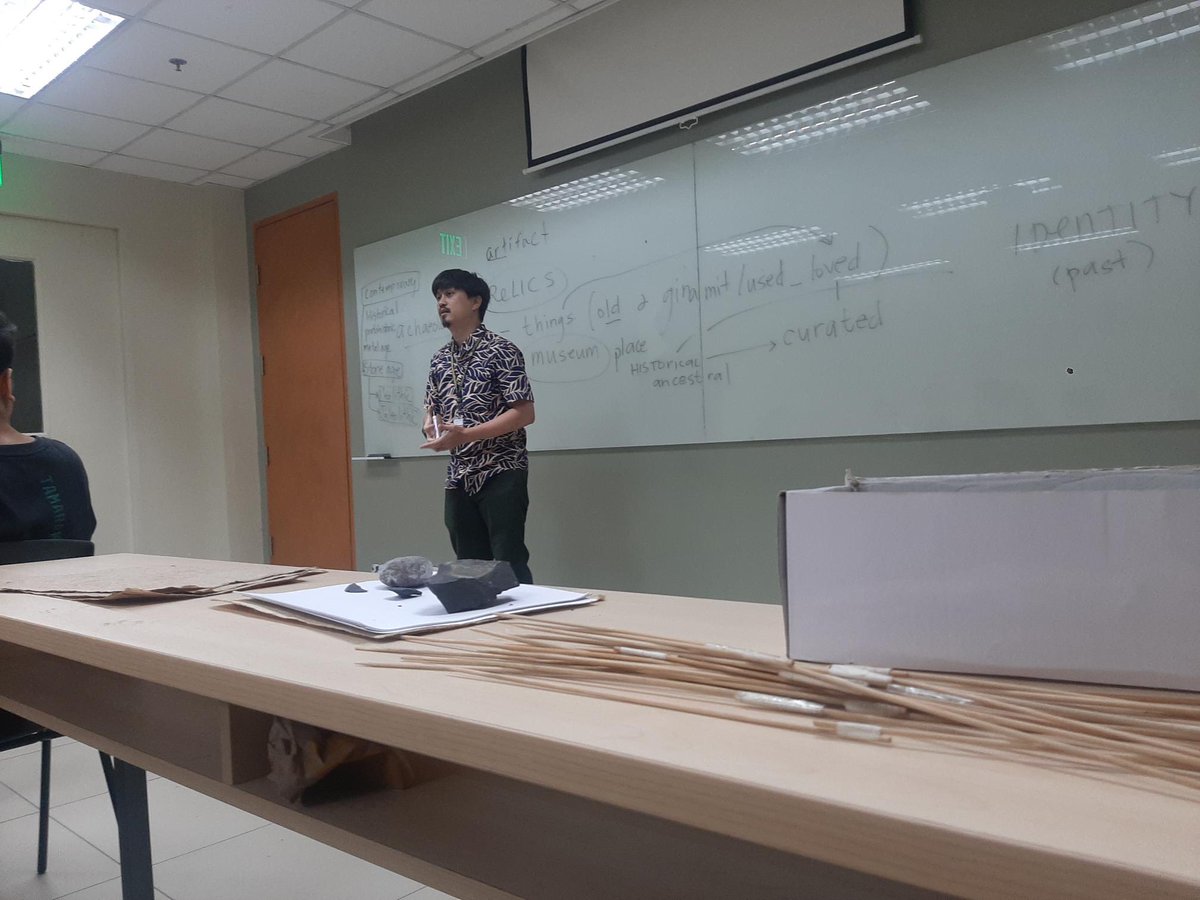
The @CENIEH is hiring!
THREE permanent positions are open:
-Technician in Palaeoproteomics
https://t.co/NhJR8tmysM
-Researcher in Cognitive Archaeology
https://t.co/HjkwK8HBYq…
-Technician in Experimental Archaeology
https://t.co/HjkwK8HBYq…
Please share or apply
#ICTSNews
Six 4.5-year postdoc research fellowships in our new Centre for the Sciences of Place and Memory, University of Stirling, central Scotland! Please circulate this ad for outstanding researchers to work with me in an interdisciplinary team https://t.co/JGVzB2aRvX (closing 6 Oct).
I got my PhD for a negative result, I even managed to publish it.
Finding out your hypothesis was wrong is still a hard-won contribution to knowledge, which requires all the same skills as a positive result. Nothing to be upset or ashamed about!
#philippinearchaeology says our final goodbyes to Victor J. Paz, one of the pillars of our discipline, at his wake tomorrow and Tuesday (at his home). He has mentored countless students who are now our archaeologists (including me). He will be missed.
In honour of IWD, Cosmos is showcasing the achievements of 50 of Australia’s outstanding female researchers and scientists, including Griffith's own Dr @JalandoniAndrea and @Dr_MCLangley
https://t.co/L366JaHU1Y
Thrilled to say my final PhD thesis chapter, 'The #microstratigraphy and depositional environments of Lida Ajer & Ngalau Gupin, two fossil-bearing tropical limestone #caves of west #Sumatra' is now published in @NaturePortfolio@SciReports 🥳 Link here >> https://t.co/HfDd01Eb8v
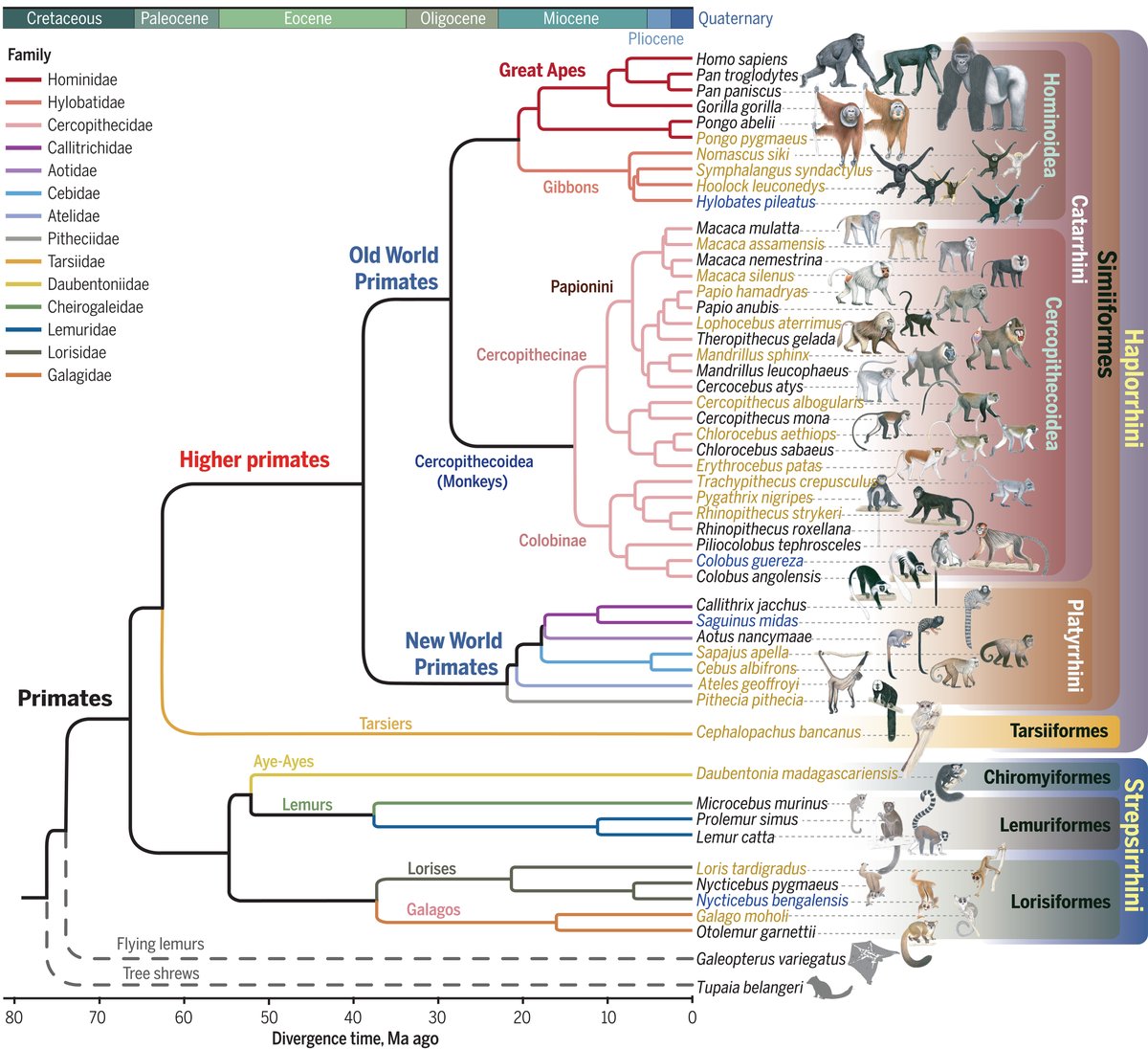
Despite the importance of nonhuman primates, reference genomes have been sequenced in <10% of species.
A Science study presents high-quality reference genomes for 27 primate species, adding to available resources. https://t.co/Ipq5XSb7vn #PrimateGenomes
14,000 years ago, illuminated by animal fat lamps, two bison were expertly modelled in wet clay in the dark recesses of Le Tuc d'Audoubert cave in southwest France. The bison still show the markings traced by the sculptor’s fingernails #IceAgeHumans
https://t.co/V2lqU7ft4r
I am hiring a Zooarchaeology post-doc to work with me at Sapienza University of Rome so please spread the word to those who might be interested or DM me for more details. Application deadline Jan 19th, 2024
Grün & Stringer 2023: Direct dating of human fossils and the ever-changing story of human evolution [though still a few uncorrected glitches e.g. caption for Fig. 85 should explain 'Colours of the stars indicate the region of origin'] https://t.co/uiCFvtoBGc
New paper out in PNAS for @PaleontoM@isemevol. Romain Weppe and colleagues found that climatic factors, and not interspecies competition, likely drove a major turnover in ungulate species in Europe around 34 million years ago at the so called the “Grande Coupure”.
1/4
Excited to share our new book! We re-engage economics with archaeological data, drawing on global evidence to confront elite determinism and critique the cult of the entrepreneur. You can download the ebook for free!
https://t.co/P7T08amvFr.
Who were the first humans? How did we evolve? We tackle these big questions for young minds on
@ABCscience 'Imagine this' podcast for kids out tomorrow 20 Dec!
Talking #archaeology#HumanEvolution
https://t.co/AHjFk0xsbk
Yay- a new proteomics-based species identification method. Probably too expensive for thousands of samples but great if you’ve got an LC MS/MS near you: COL1A2 Barcoding: Bone Species Identification via Shotgun Proteomics | Journal of Proteome Research https://t.co/ETpImIMykw