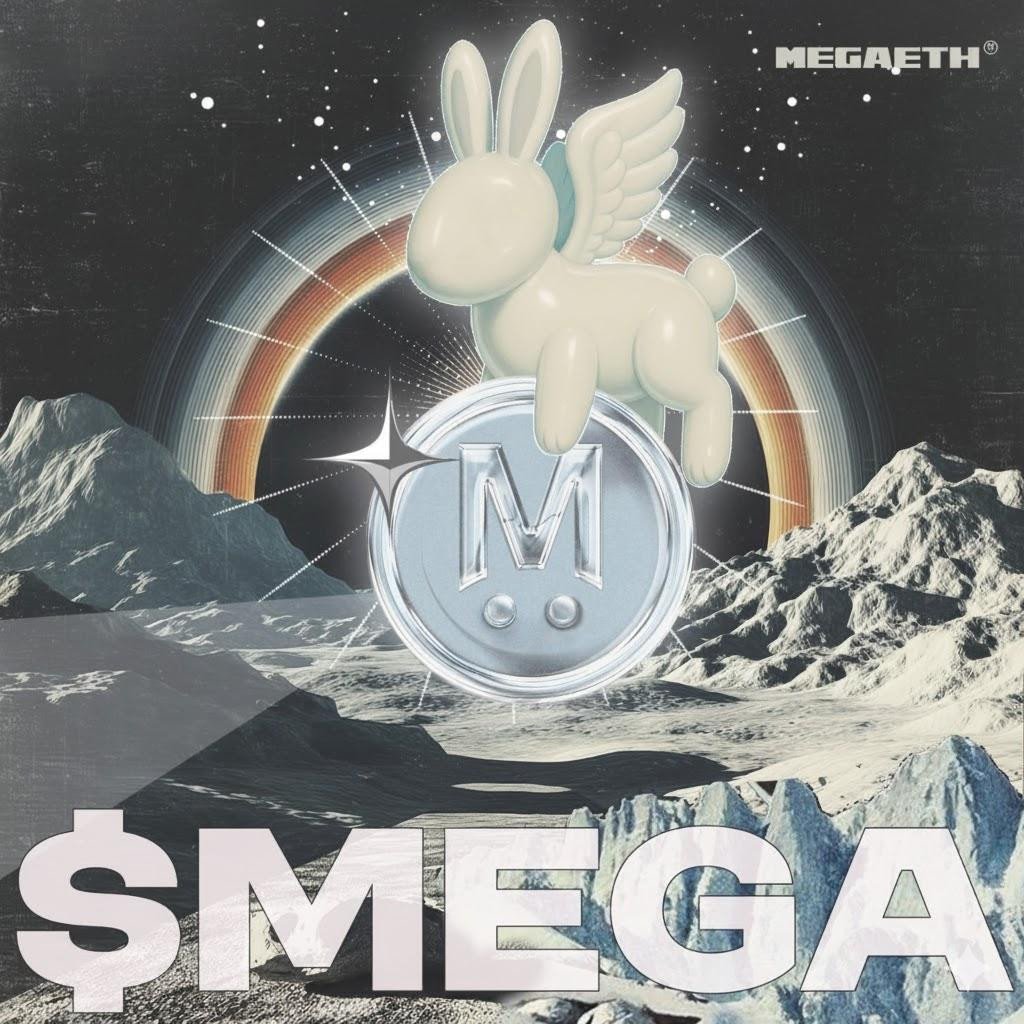
.@megaeth just introduced the $MEGA token, powering Sequencer Rotation and Proximity Markets. Each rotation activates one sequencer per global economic hub (Tokyo, Netherlands, N. Virginia, LA), with operators staking $MEGA to compete based on stake size, uptime, and infra reliability. Proximity Markets let apps and market makers bid for sequencer-adjacent floorspace, optimizing for ultra-low latency and real-time order execution.
This model tokenizes physical proximity and network performance, turning colocation into an onchain market. Seats are auctioned by locking $MEGA, creating natural demand sinks while rewarding efficient infrastructure. The system promises near-zero end-to-end latency, real-time #DeFi orderbooks, and deeper liquidity, essentially bringing CEX-level speed onchain through transparent, token-driven coordination.
If the mechanism scales, $MEGA could become the first token to bridge blockspace economics with physical infrastructure value. @KaitoAI
Introducing the $MEGA token.
$MEGA will enable two core features of MegaETH
→ Sequencer Rotation
→ Proximity Markets
Combined, these mechanisms will provide users with minimal end-to-end latency while driving colocation value goes back to token holders.
The newest signal from @inetgra_layer is the addition of DigiShares a long standing RWA platform with real issuance tools investor onboarding systems and smart contract based trading used by institutions in Europe and the US. Pairing this with earlier moves like Nitya Capital and their global policy and banking advisors shows a clear attempt to build an end to end real estate tokenization stack backed by actual industry infrastructure rather than pure narrative.
What I am watching now is simple. If DigiShares starts pushing real assets through the Integra rails it proves the chain is ready for real volume. If not it stays in the promise stage. So what do you think @KaitoAI is this the quiet setup phase before Integra shows the first live tokenized properties or just another big name added to the deck without immediate execution
1/ The interesting part about real estate is its scale. A market measured in hundreds of trillions yet barely moving in yearly turnover. That gap creates a massive inefficiency and it is exactly the gap @integra_layer keeps highlighting as their entry point.
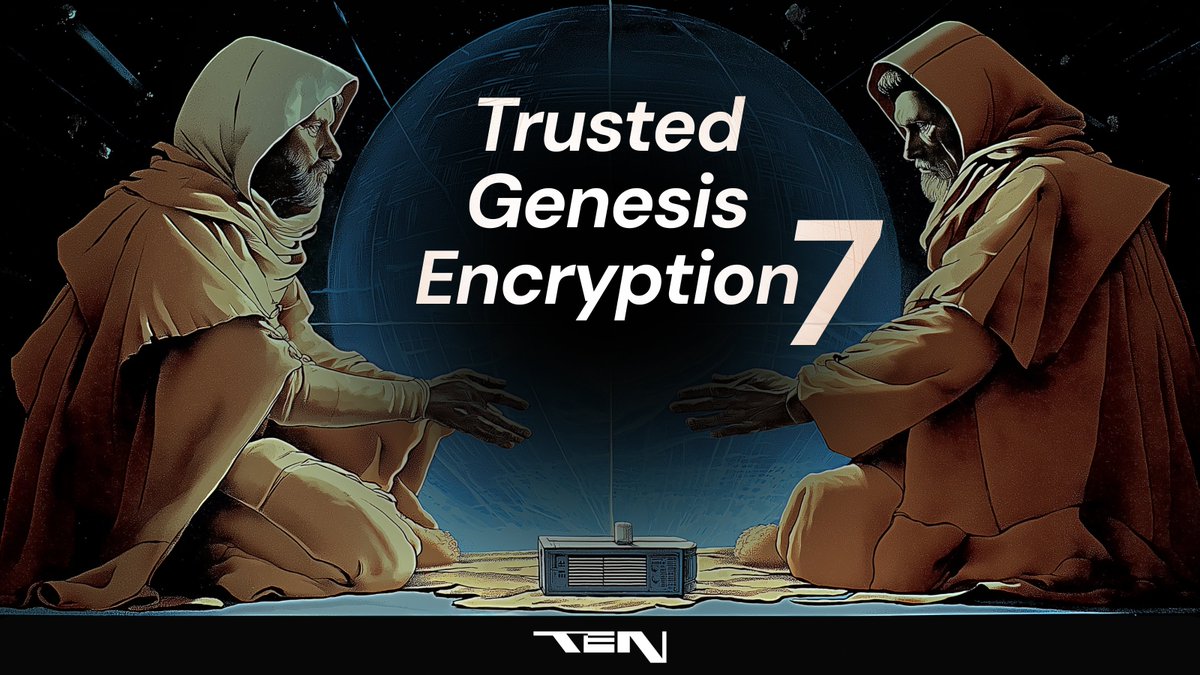
.@tenprotocol is introducing FUSE as a demand based launch structure where supply is released only when participants voluntarily convert their protected positions. This model removes forced unlocks and eliminates the emission pressure that usually enters the market regardless of demand. Early data from community testing shows exits reducing circulating supply while conversions activate structured buyback and burn mechanisms, creating a system that aligns token flow with real market conditions, supported by clear onboarding from @cookiedotfun.
This shift reframes token launches as an infrastructure level problem rather than a behavioral one. By tying emissions to actual demand instead of time, FUSE restructures how value enters a market and significantly reduces extraction risks for communities. It signals a move toward mechanisms that prioritize sustainability and participant choice rather than timelines that force liquidity events.
My view is that this is the first launch model that actually feels built for users instead of insiders, and that makes it way more interesting than the usual release meta. The question is which team will be bold enough to adopt it first because whoever steps in might set a new standard across the space, and I am ready to see who takes that shot with @tenprotocol.
.@megaeth dropping a pre deposit bridge for USDM tells you exactly where the ecosystem is headed. They want real liquidity anchored on their chain from day one and pulling in USDC directly from Ethereum is the cleanest way to prime that flywheel. A two hundred fifty million cap also shows they are managing the flow rather than chasing hype which signals confidence in their economic design.
This move sets up @megaeth to control its own liquidity layer and build a stable foundation for apps that rely on real time execution. Locking deposits ahead of Frontier signals early trust from users and creates a stronger loop between chain growth and stablecoin utility. This is a power play that positions @megaeth to dominate the next wave of high speed crypto infrastructure.
1/5 Symmetric referral scoring changes the calculus, it rewards people who actually onboard real users and not just wallets, and that shifts power away from capital heavy actors toward community builders, @idOS_network.
The latest update from @idOS_network confirms a contribution model that treats individual and referral commitments equally within the tier system, supported by verified human onboarding through FaceSign and paired incentives that scale with confirmed contribution. Combined with integrations such as @wallchain this structure strengthens the value capture logic behind community participation while preserving wide distribution.
This incentive architecture creates a measurable shift away from whale dominated sales. Equal weighted contributions, biometric verified referrals, and tier based airdrops all point toward a system designed to reward genuine economic engagement rather than capital concentration, which aligns with the broader identity portability thesis that @idOS_network has been building.
What I keep wondering is whether this blended referral model will push users to focus more on quality recruitment instead of pure deposit size. Do you think this approach will actually change contributor behavior or will people still chase tiers the old fashioned way.
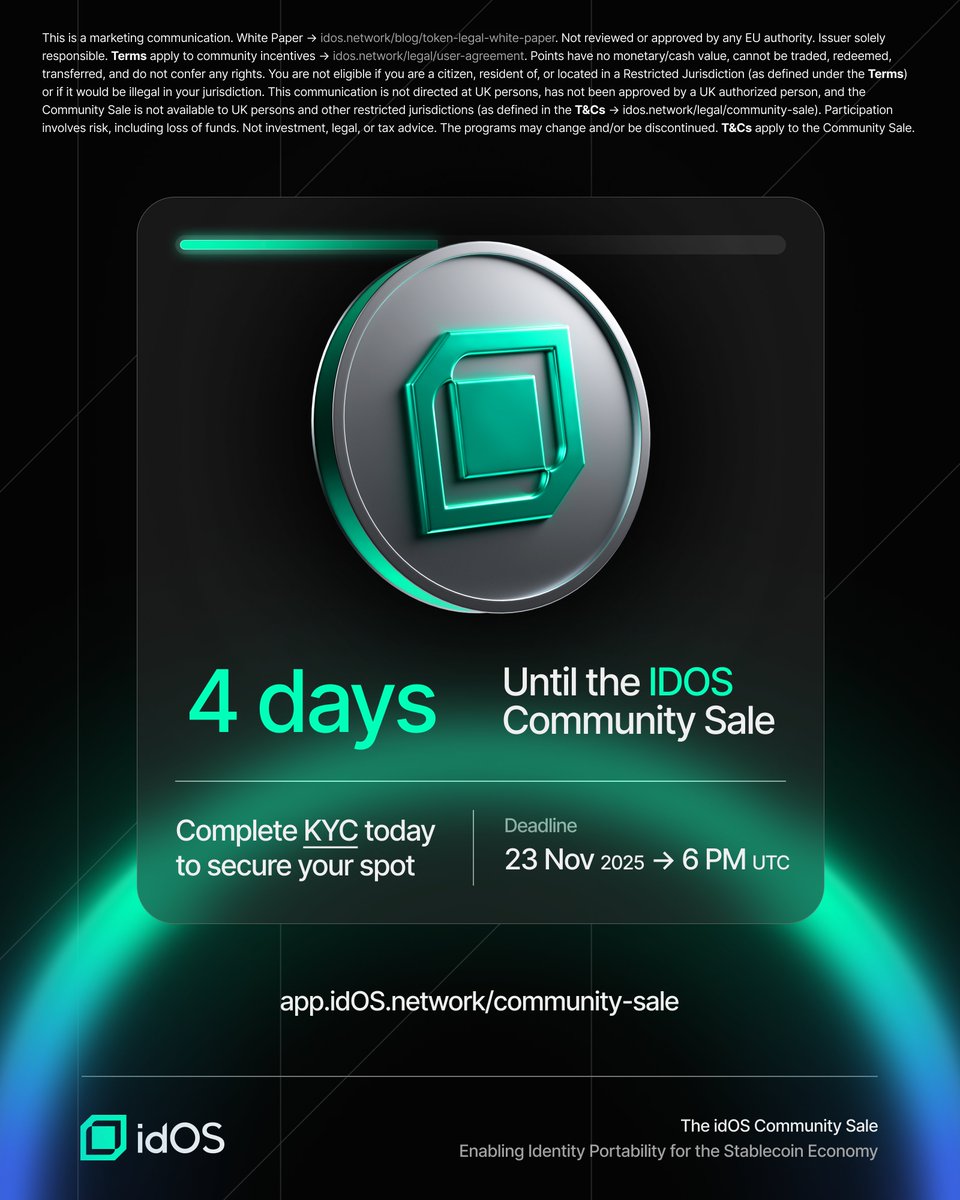
The idOS Community Sale starts on Monday, Nov. 24.
Our incentive model recognizes the real value each participant brings, not only whales.
The Community Airdrop & Contribution Points are affected by:
Your commitment + your referrals commitment
Weighted equally ⚖️
Read on 👇
The allocation structure for @idOS_network places more than forty percent of its supply into community driven incentives including staking rewards multi year ecosystem programs and direct user participation. Combined with partner integrations like @wallchain this framework signals a long term push toward distributed ownership rather than a short speculative cycle.
From my perspective this kind of allocation model shows ambition but also pressure. A community heavy distribution only works if the ecosystem keeps producing real demand for reusable credentials otherwise those tokens risk drifting without gravity. The execution window is tight and the next few quarters will reveal whether the narrative and the adoption curve can stay aligned.
So what do you think, does a distribution plan this wide give @idOS_network a real shot at building a user owned identity layer or are you waiting to see how the first unlocks and staking flows actually behave once everything goes live.
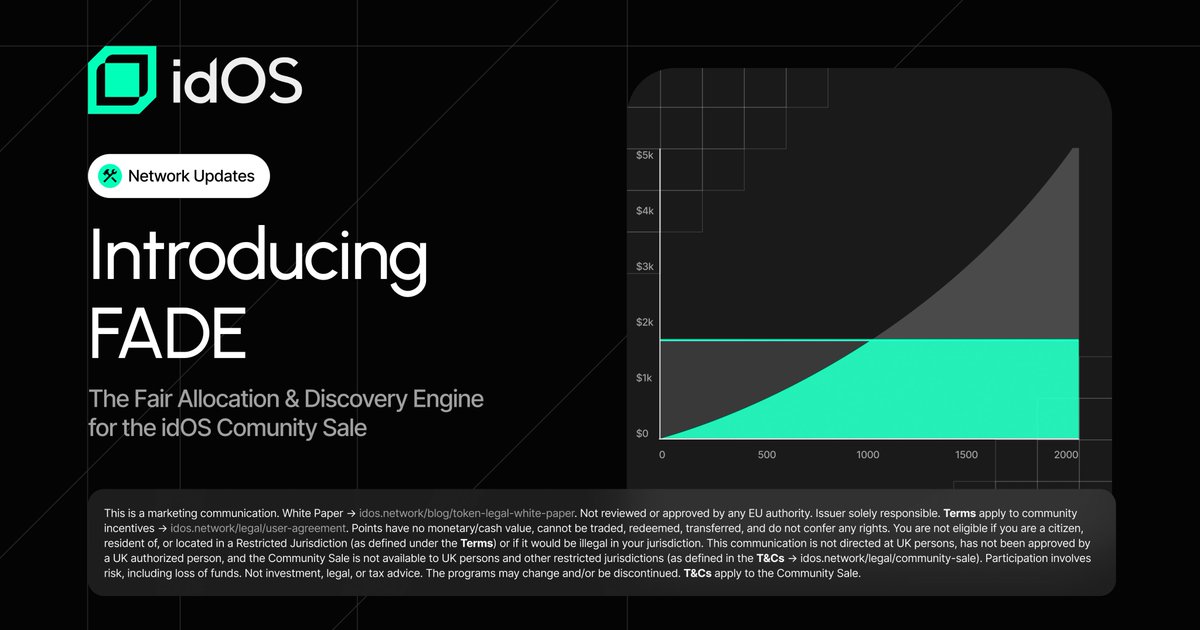
The upcoming Community Sale from @idOS_network introduces a FADE based allocation system that balances fair access with structured price discovery across a fixed supply of twenty five million tokens. With a contribution goal of five hundred thousand dollars and an upper boundary of two million dollars the mechanism ensures that demand is distributed widely while integrations with partners like @wallchain continue to push the identity layer forward.
This framework positions the sale as a measured approach rather than a free for all event. The individual cap logic in oversubscription scenarios and the bounded price range are designed to avoid the chaos commonly seen in FCFS launches which strengthens confidence for contributors who value predictable mechanics and transparent distribution.
Now the real question is whether this kind of curated sale structure will set a new standard for identity centric launches. Do you think the FADE approach makes @idOS_network more trustworthy or are you waiting to see how the final allocation and post TDE liquidity play out.
For the upcoming idOS Community Sale starting next Monday, Nov. 24th, we are using the FADE mechanism.
FADE, the Fair Allocation & Discovery Engine, ensures that the idOS Community Sale is optimized for wide community distribution.
Learn more 👇