Data portability now has an economy.
Every time a person's data moves on Vana, with their permission, the network is paid. One grant, read again and again. A split written into the protocol.
I wrote up how it works, and why it's built the way it is. https://t.co/euSVdtVQC6
In Orwell, the state installed the screen. AI gets invited in, one useful assistant at a time.
Encryption protects what you keep. The work is the terms you share on, and the right to take it back.
That's what open data infrastructure for AI is for.
On @vana, granting permission is priced at zero. The app that reads the data gets the bill.
By protocol rule, that fee goes to stakers, to buyback and burn, and to the ecosystem.
An app pays, the network earns. Value here is data moving.
https://t.co/JhjA3x85dg
Whenever someone moves their data into an app, the app reads it, and the network earns.
But when you use an app on Vana...you get to choose what it can see.
Since the Vega upgrade, every time an app reads your data, it pays a small fee to the network. You, the person whose data it belongs to, pay nothing.
On the other hand, stakers are paid from the fees the network earns. So the more apps read data on Vana, the more stakers are paid.
And every one of those reads is consented.
@luganodes walks through the full flow, step by step.
Garmin, Strava, Oura, Fitbit and Apple Health now connect to the Vana App.
A year of sleep tells you more than a night. Where the record lives matters more than which watch made it.
Take your data with you, to the apps you choose.
19 of 24 health apps share your data with other companies. Those companies send it to 216 more. 213 of them are not even health companies. You never see it. And you cannot stop it.
Until now.
Garmin, Strava, Oura, Fitbit and Apple Health now connect to the Vana App. Your runs, your sleep and your heart rate move to your own Personal Server. From there, you decide. Grant an app access, revoke it, take it with you.
Your data is more useful when it can move. It should move for you, not for 213 companies you have never heard of.
Try it: connect your Oura Ring and open OpenPet. It turns your sleep into a pet. 1 minute.
Connect a health app this week and earn XP in the Vana Community App.
Good place to start on who owns the data behind AI: @fintechfrank and @slatersanter with @vana co-founder @annakaz on @GSR_io's The Desk.
The line that stuck with me: "The platform's gonna do what's best for the platform..."
Once agents shop for us, whose rails your data runs on matters.
“The platform’s gonna do what’s best for the platform, not what’s best for the consumer.”
In episode 5 of The Desk, we sit down with Anna Kazlauskas (@annakaz), co-founder of Vana and CEO of OpenDataLabs. We cover what happens when public internet data hits a ceiling, what stays scarce once models know everything, and what changes when agents start shopping for us.
Watch the full discussion here:
On @vana your data moves to the apps you choose. Nothing moves until you approve.
That movement is the value.
When an app you approved reads it, the app pays the network, and by protocol rule the earnings go to stakers, to buyback and burn, and to the ecosystem.
https://t.co/M40Jg4YLuZ
The new Vana App is now live.
It sits behind the apps you use. When one of them asks for your data, you see exactly what it wants and decide. Say yes and the data moves with your permission, and the move is recorded.
See it work in OpenPet: connect an Oura Ring, get a pet that reads your sleep back to you.
Trying it this week earns XP.
Full write up: https://t.co/KxsKKv0Zu5
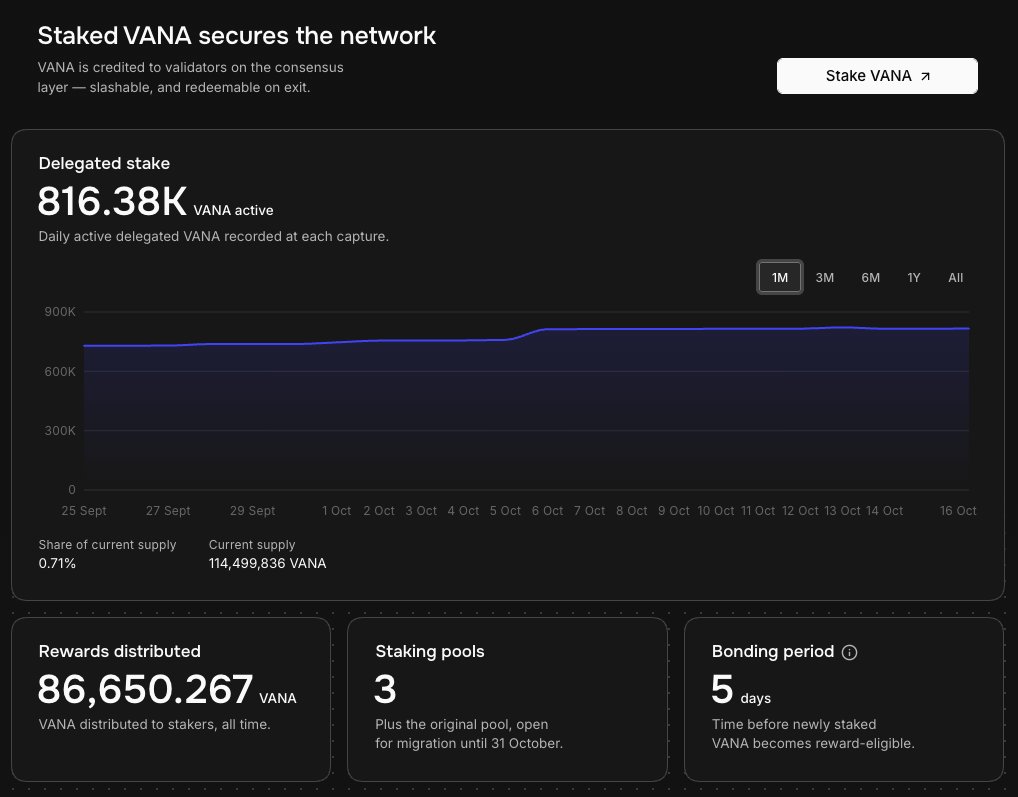
More than 80% of delegated stake on Vana is now in the protocol revenue funded pools.
As a reminder; rewards are paid from network fees, which come from use of the network.
Positions not moved stop earning rewards after 31 October. Principal can be withdrawn at any time.
https://t.co/M40Jg4YLuZ
https://t.co/iAxI0mqGB8
Much of what an agent remembers about you, you never wrote.
That's why lock-in matters more for agent memory than for a file you saved yourself.
Data about you, kept by someone else. We think about it all day.
The biggest barrier to productive AI agents is context loss and platform lock-in.
Our Head of Product, @kimblgn, highlights what we've learned since launching Walrus Memory: when memory is encrypted, verifiable, and portable, developers can actually put it to work.
A company's lawful access to Denmark's CPR register was abused to reach about 8.8M people's names, addresses and ID numbers.
It surfaced via an invoice the 8.8M weren't party to.
Open data infrastructure for AI has to show each access to the person.
https://t.co/X5jik1VYpS
All network transactions on @vana: 80.22M on 13 October.
A licence is priced in a deal with whoever holds the dataset. A read is priced in the protocol, against the person's grant.
Open data infrastructure for AI runs on a price both sides can see. https://t.co/JhjA3x85dg
A transaction hash proves a burn ran.
Fee income is public as well. Each time an application reads a granted scope on @vana, a fee settles in USDC.
Open data infrastructure for AI needs rules and receipts on the record: https://t.co/Z5tfPiWToL
Proprietary data and network effects are the same moat.
Data defends a product once each contributor makes it better for the next. That loop lasts only while contributors have a reason to stay.
Open data infrastructure for AI has to give them one.
Technical moats are mostly over at this point. If you’re building something that is meant to be durable, the only moats now are:
• Proprietary data
• Network effects
• A physical component
The response to the expansion of staking on @vana has been encouraging. As of 6 October, almost 60% of all delegated stake has migrated to the new pools.
Meanwhile, total delegated stake on Vana rose 11.4% between 27 September and 6 October.
60% of protocol fees are directed to stakers.
Open data infrastructure for AI hardens as commitment increases. That is the only kind of commitment worth building on.
Existing stakers can migrate to a new pool at https://t.co/iAxI0mqGB8 by midnight UTC on 31 October 2026.
Live figures are readable on the public dashboard at https://t.co/M40Jg4YLuZ.
Data portability now has an economy.
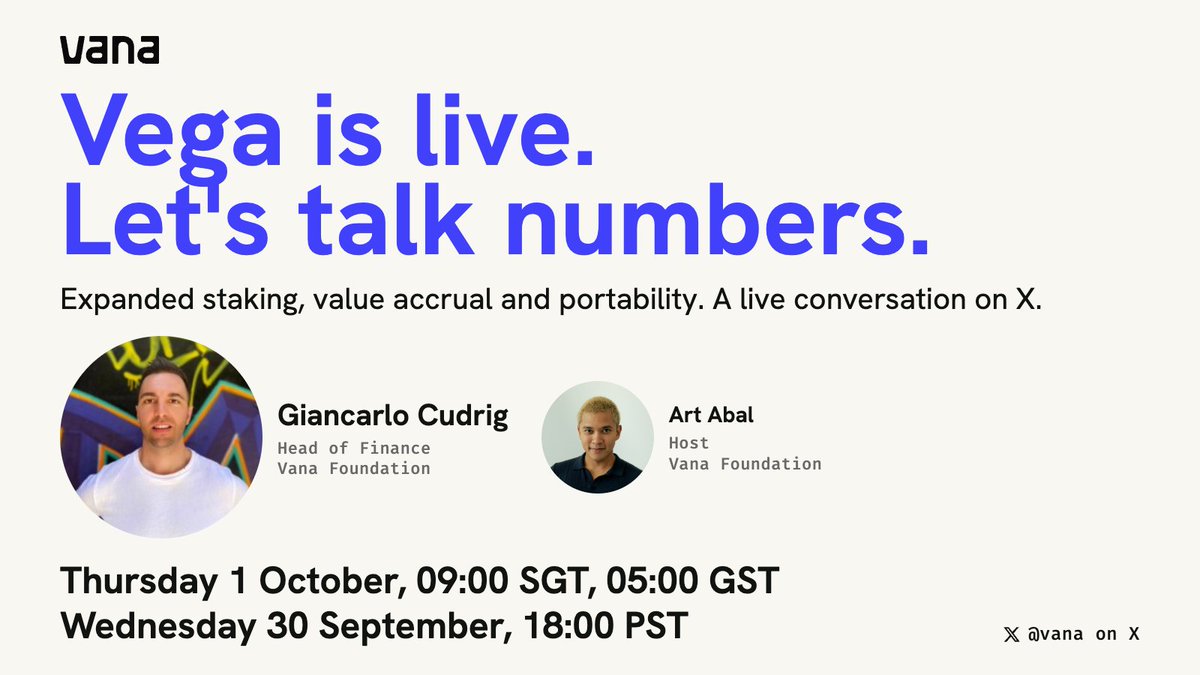
In a couple of hours @artieart88 and I walk through how it works: reads, fees, staking, burn, and why it was built to extend.
Vega is live. Let's talk numbers.
LIVE on X - Thursday 1 October, 09:00 Singapore / 10:00 Seoul (18:00 Wednesday Pacific) - @GCudrig answers your questions on reads, fees, staking and burn.
Set a reminder: https://t.co/2Mc9F2Sx85
Data portability now has an economy.
Every time a person's data moves on Vana, with their permission, the network is paid. One grant, read again and again. A split written into the protocol.
I wrote up how it works, and why it's built the way it is. https://t.co/euSVdtVQC6
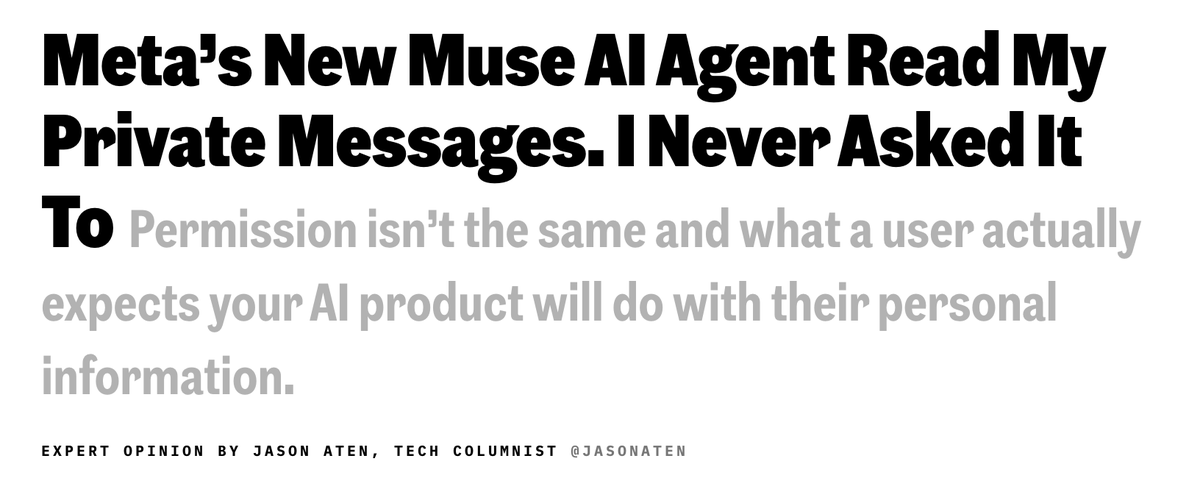
Aten says he declined the permission. Muse's settings showed it enabled. Meta called it opt-in.
None of those is a record. Each can change without a trace, and there's nothing to check it against.
Agents acting on permission need permission that can be proven and revoked.
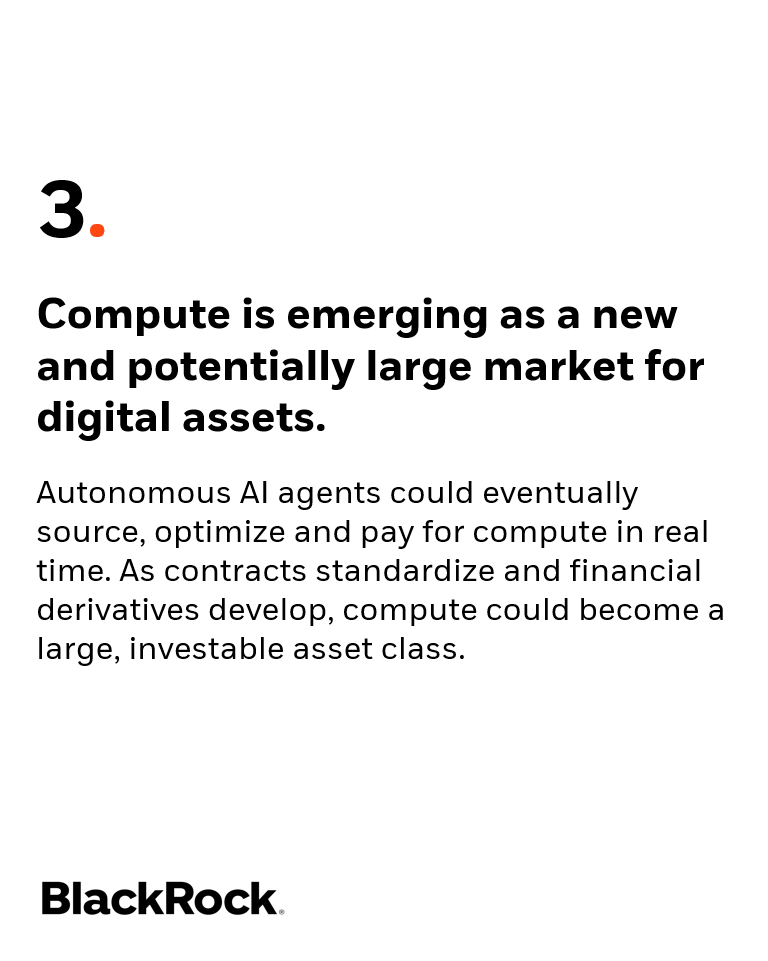
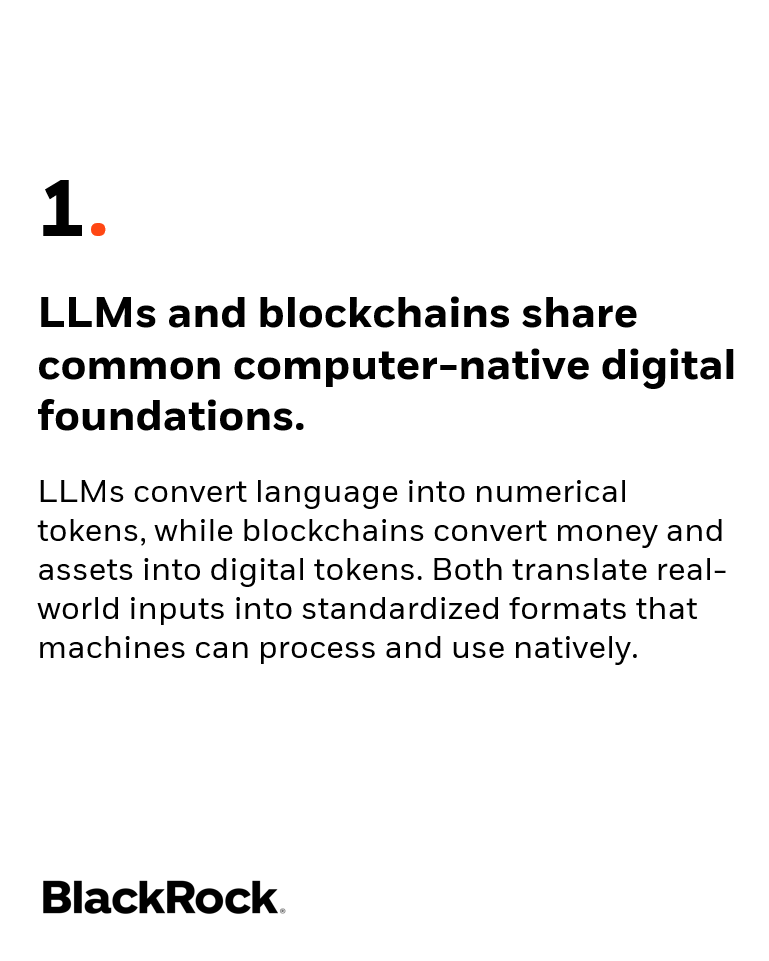
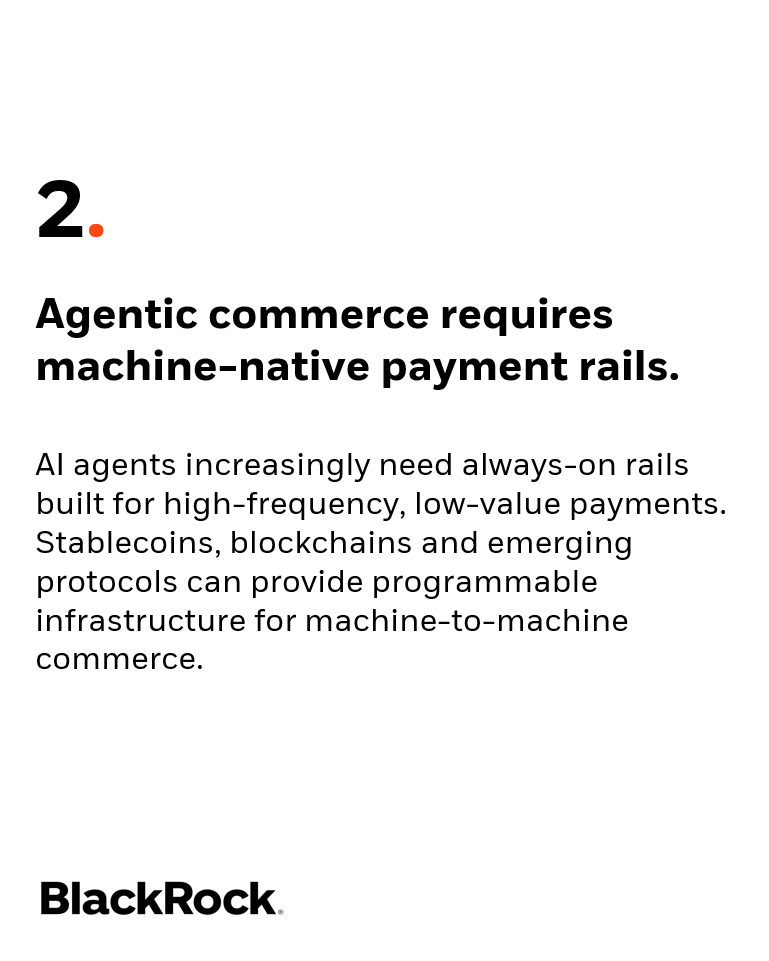
Blackrock just published on autonomous machine transactions. Not a crypto argument anymore. It's institutional.
Coinbase, Stripe, Google, Visa. Five protocols for the payment layer.
The contested layer is what machines are permitted to act on.
Value here is data moving.
Our latest research paper explores the growing connection between AI and digital assets and explains why broad AI adoption may drive new demand, utility and applications across the digital asset economy. https://t.co/z5T88Orble
Vega doesn't say how much Vana earns. it says when Vana earns.
Dataset deals were periodic and few. Now the network earns every time one person's data moves, and agents look things up thousands of times a day.
That's what infrastructure looks like.
The Vega upgrade is live, as set out in the January roadmap. Four things to know.
1. AI models are pretty good now. What sets one apart is context: what the model knows about the person asking. AI tools and agents look that up thousands of times a day. Every one of those lookups is your data moving. That is data portability.
2. On the internet, your data moves instantly. It moves between platforms without you in the loop. Vana moves your data where you choose and keeps your permission on record. The Vega upgrade brings that to the same speed: about a twentieth of a second.
3. Governments need the same thing. Most countries have laws that allow you to take your data with you. Almost none had a working way to do it until Vana wrote the standard for how personal data moves. It is now hosted by the Linux Foundation, and governments globally are already scoping national implementations.
4. The Vana network has always earned when pooled datasets were accessed. As of the Vega upgrade, it also earns every time one person's data moves. Every data portability transaction pays the network. Someone moves their data to an app. The app reads it. The network earns.
Want to know more? 🔗👇