🌇Cities need climate solutions. But how do we get them funded?
We brought together 7 African cities to pitch green infrastructure projects to investors, strengthen their proposals and explore financing opportunities. https://t.co/LkZGePiT1B
Is your city ready for climate disasters?
This #DRRDay, we're looking at how African #cities are investing in green infrastructure 🌳 alongside traditional infrastructure 🏢 to build a safer, more resilient future.
Here's how 👉 https://t.co/G3zNZ8UWLd
#UrbanOctober
Today, 4.5 billion people live in places exposed to climate-related hazards.
Yet vulnerability varies widely across regions.
New data show that 1.5 billion people are both exposed and vulnerable to climate shocks: https://t.co/HHReKP1dBA #WBGAtlas
In the face of a disaster, governments have often financed the response reactively — through budget reallocations, humanitarian appeals, and costly post-disaster borrowing.
The Global Partnership on Disaster Risk Finance Analytics sought to change that by building countries' analytical capacity on the road to proactive financial preparedness: https://t.co/K2KjmgM3sv
Damage and loss data systems are foundational to effective disaster risk management.
Our latest report draws on experience from 16 countries and identifies principles and lessons for establishing an effective disaster damage data system: https://t.co/jZqlbnl62f
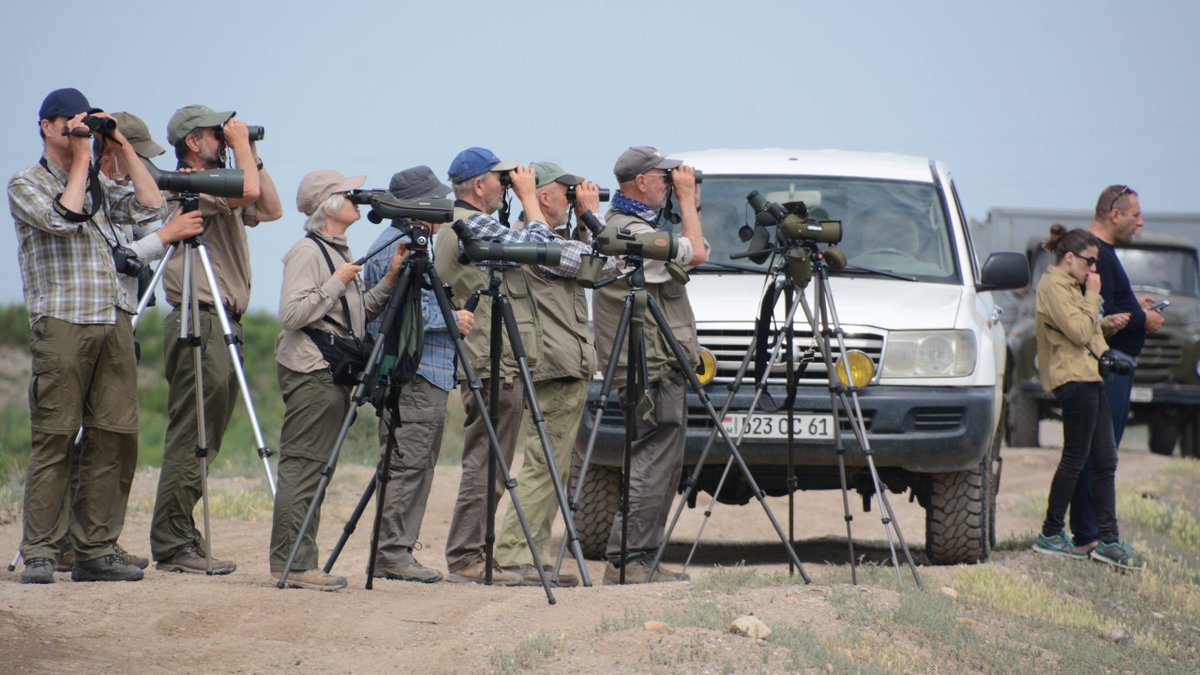
.@WorldBankGroup and partners are helping Armenia restore degraded landscapes and promote sustainable activities like birdwatching. Through nature-based tourism, healthy landscapes can boost income and prosperity. More in our new story: https://t.co/YxEpV4kX2Y
Investing less than 10% of asset value in adaptation and resilience can preserve multiple times that amount.
A new @IFC_org@AXA report makes a compelling business case for embedding adaptation and resilience into infrastructure development: https://t.co/3UbFFtC2zd
#drrday #resiliencestartsathome
How can African cities move NBS from concepts to investment?
From 13-14 October, GFDRR co-organized a roundtable in Kigali with partners, connecting city teams with potential funders & technical experts to strengthen projects and explore financing pathways.
🔗Report: https://t.co/hSCmOP0Lds
🔗Feature: https://t.co/Z3kpneWQbq
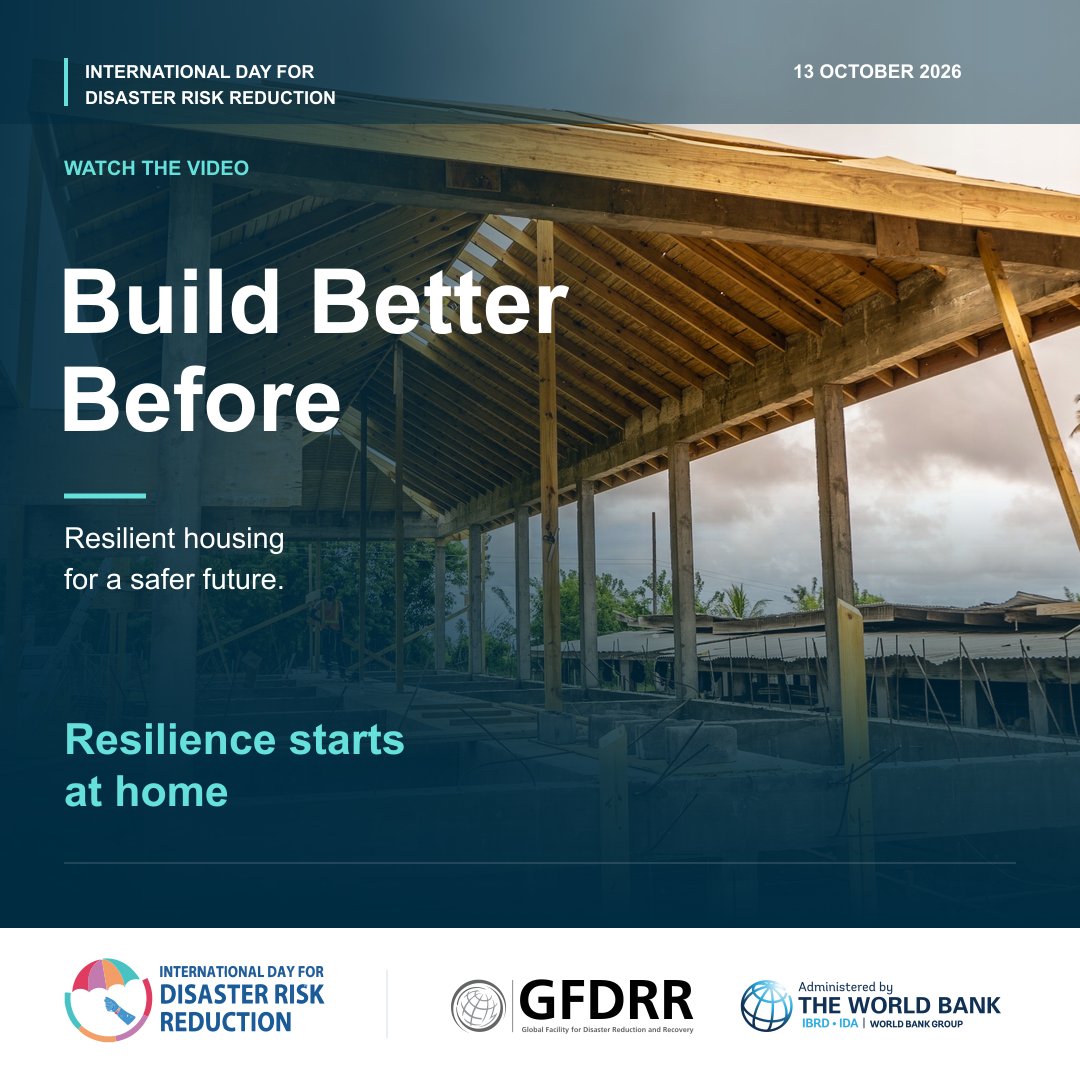
Since Cyclones Idai and Kenneth struck Mozambique in 2019, the country has been building back better, with thousands of homes now retrofitted to withstand extreme weather.
Learn more: https://t.co/BLWQnERc6e
#ResilienceStartsAtHome#DRRDay
As countries everywhere strive to build safer and more resilient housing, Japan’s experience offers a few invaluable lessons:
1⃣Preparedness over reaction
2⃣Forward-looking, localized design
3⃣Speed with quality
Learn more: https://t.co/LA4APNJfX2
#ResilienceStartsAtHome #DRRDay
Building codes have an important role to play in making built environments accessible for everyone.
Our latest tool provides policymakers and practitioners with a systematic approach for ensuring that building codes account for persons with different abilities and of all ages — including the elderly, pregnant women, and children: https://t.co/aA9dhoF8lm
#ResilienceStartsAtHome #DRRDay
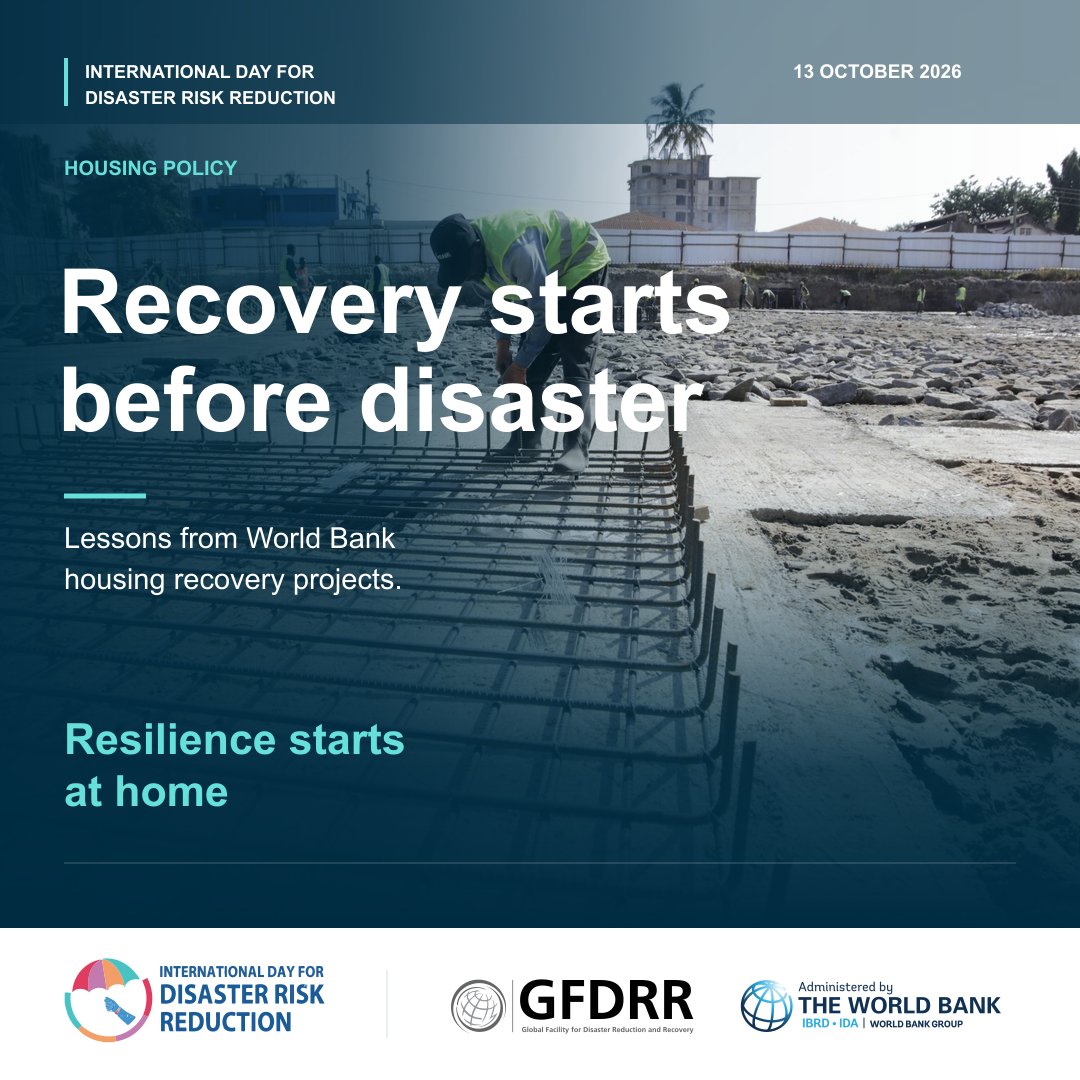
For decades, the @WorldBankGroup, with support from GFDRR, has been making strategic investments in resilient housing, improving lives and safeguarding assets in every corner of the globe.
Drawing on experience from these projects, a new assessment puts the spotlight on some of the key ingredients for a successful resilient housing program: https://t.co/aXyLz9Em23
#ResilienceStartsAtHome #DRRDay
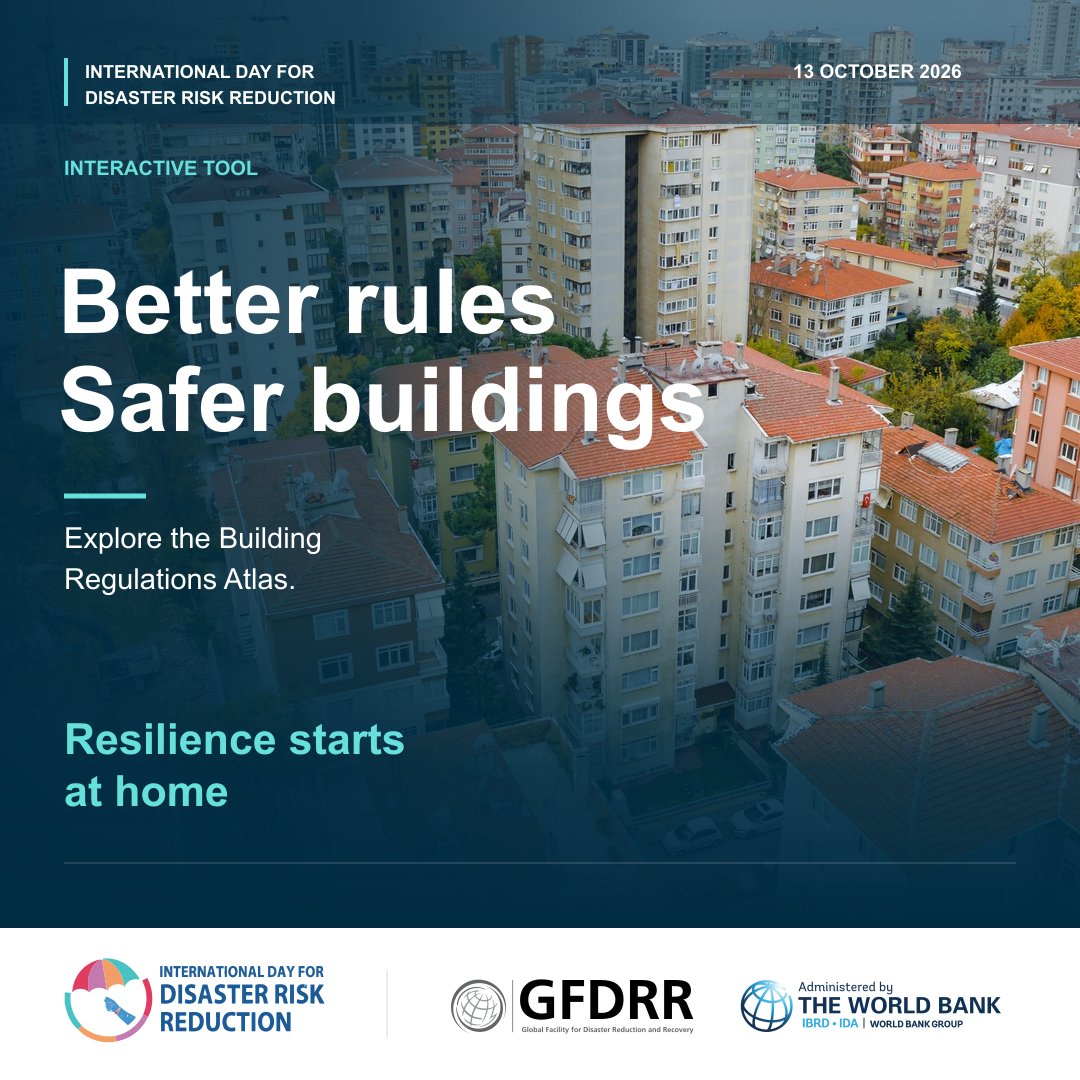
Our new Building Regulations Atlas serves as a one-stop shop for building regulation data, making it easier for policymakers to identify critical reform areas for safer, greener, and more inclusive built environments.
Check it out: https://t.co/yvNun0us7G
#ResilienceStartsAtHome #DRRDay
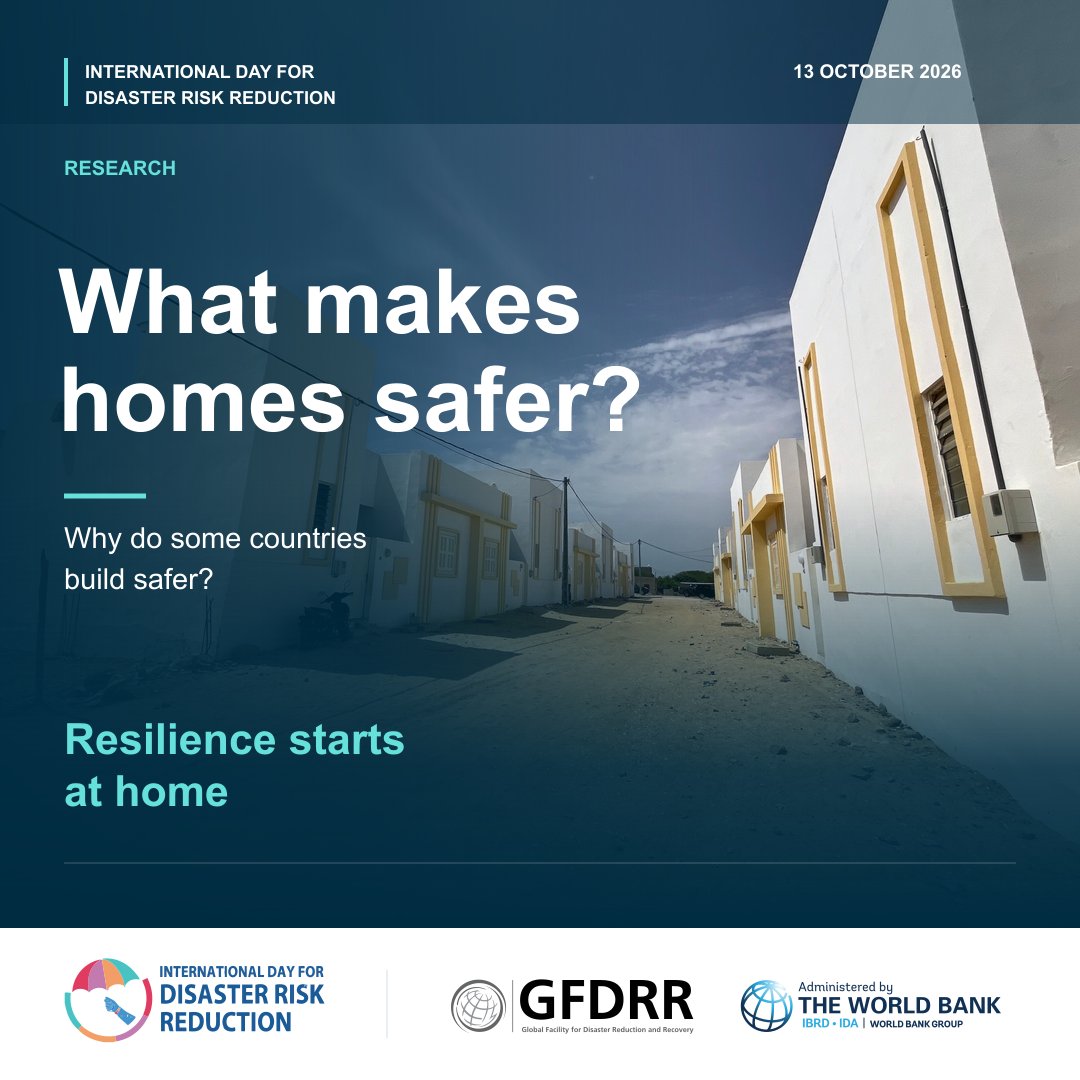
Why do some countries have more disaster-resilient housing than others, even at similar income levels?
A new paper addresses this question using a novel data set spanning 150 countries: https://t.co/jqM98gfgrk
#ResilienceStartsAtHome#DRRDay
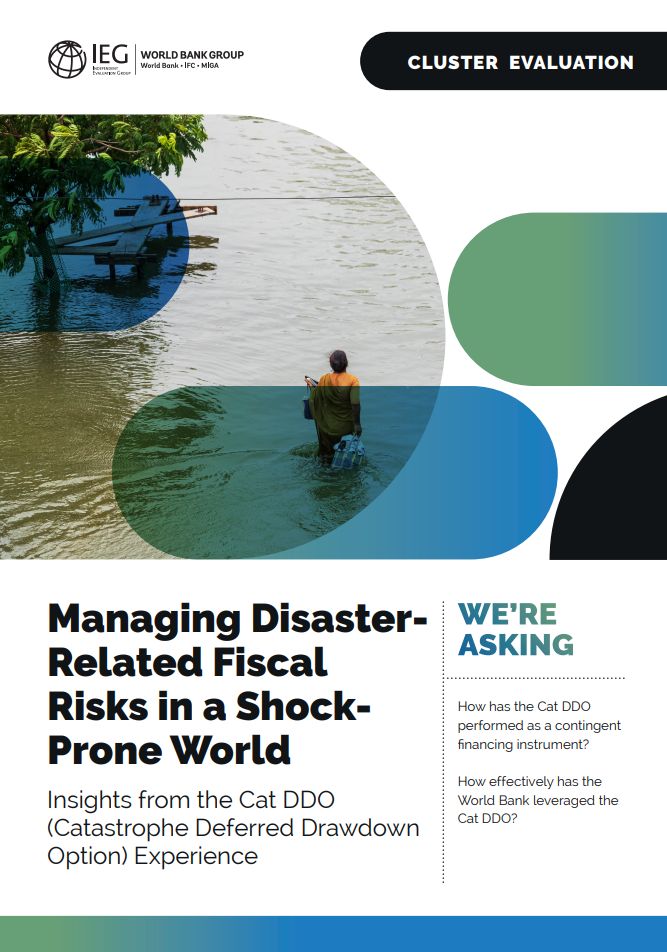
Contingent financing instruments like Cat DDOs provide countries with rapid access to recovery financing after a disaster.
GFDRR technical assistance has been instrumental in helping countries develop policy frameworks which enable them to access these instruments. A recent evaluation takes a closer look: https://t.co/y6mrR2zmev
#ResilienceStartsAtHome #DRRDay
This year’s International Day for Disaster Risk Reduction, which we mark today, underscores how resilient homes are the foundation of thriving and prosperous communities.
For two decades, GFDRR has been on the frontlines of helping countries build safer and more resilient homes.
Learn more about our work in this critical area: https://t.co/QdsOitLPA6
#ResilienceStartsAtHome #DRRDay
In the aftermath of devastating floods in 2022, households in Pakistan’s Sindh province have been building back their own homes back better. Over 274,000 homes have been reconstructed to be resilient.
Learn more: https://t.co/q2P0M3LSOg
#ResilienceStartsAtHome#DRRDay
Contingent financing instruments like Cat DDOs provide countries with rapid access to recovery financing after a disaster.
GFDRR technical assistance has been instrumental in helping countries develop policy frameworks which enable them to access these instruments. A recent evaluation takes a closer look: https://t.co/y6mrR2yOoX
#ResilienceStartsAtHome #DRRDay
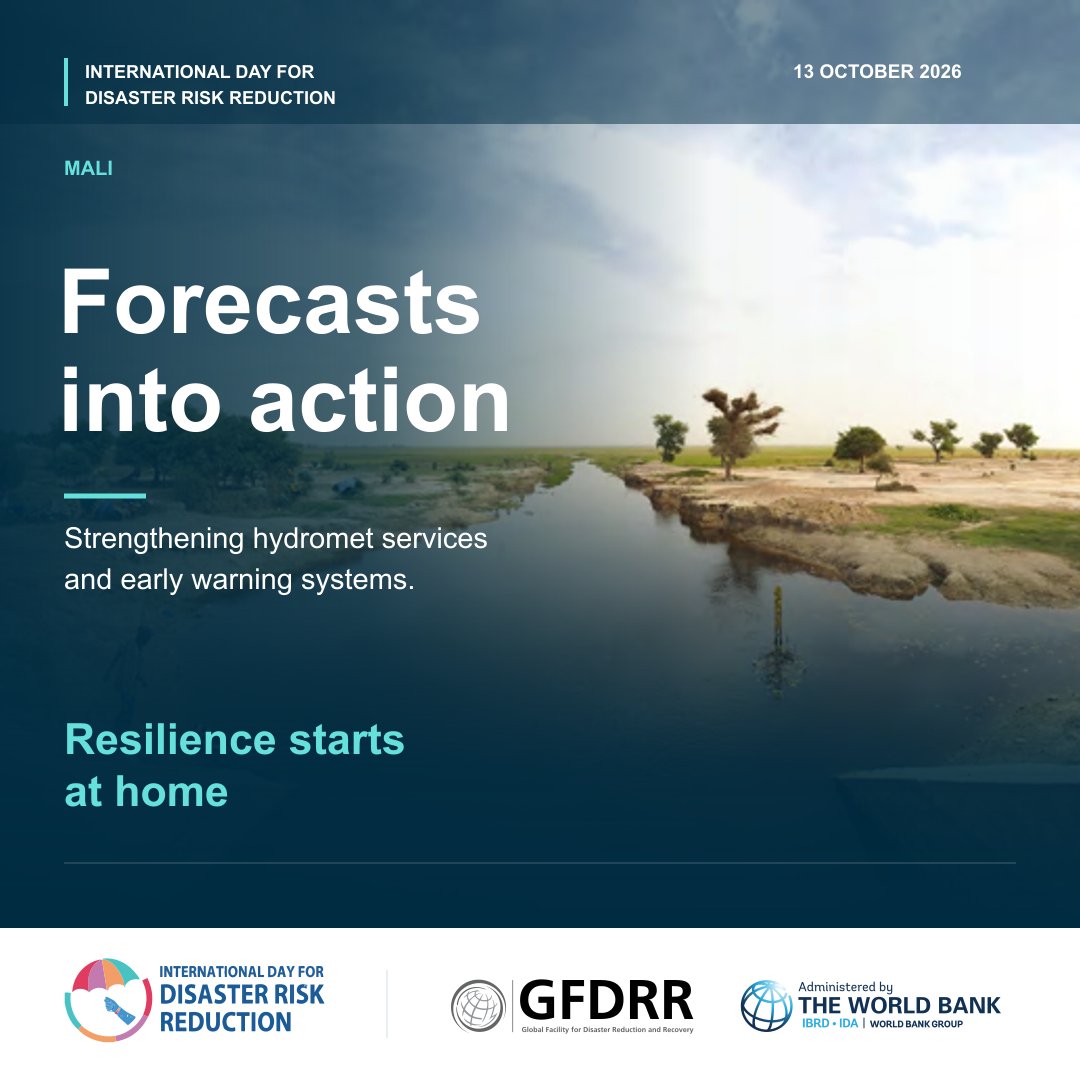
From new sensors to the automation of weather stations, Mali has been strengthening its hydromet services, enabling the delivery of weather, water, and climate information to 3 million people.
Read more: https://t.co/7UIFCZ5iF2
#ResilienceStartsAtHome#DRRDay