@fit_ermined That “Your SIM sent a message” pop-up is usually caused by SIM Toolkit (STK) / carrier services sending background requests—often for things like airtime services, mobile subscriptions, or network configuration. It’s common on Android phones
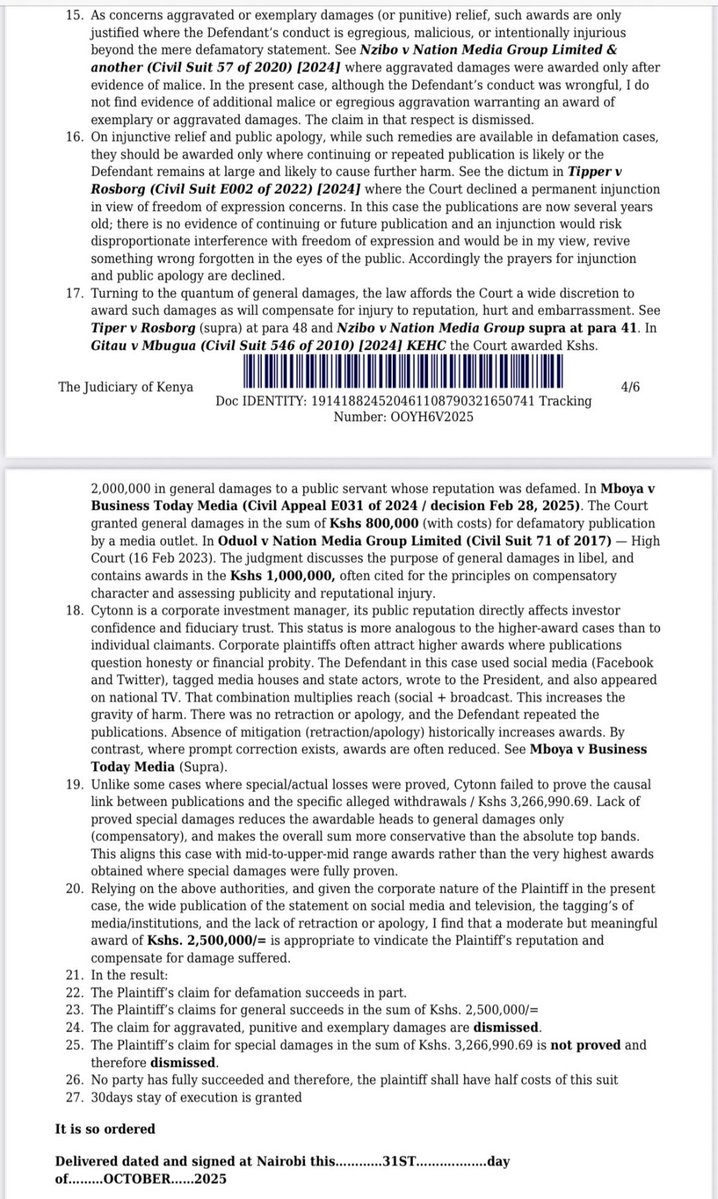
Popular X influencer has been ordered to pay over KSh 2.5 million to Cytonn Investments for defamation.Don’t rush to join lawyers in online criticism, they know what to say and what to leave out (that’s why they say “allegedly”).
@PropesaTV Kalonzo Musyoka’s long political career raises serious questions about his suitability for the presidency, especially when weighed against his track record of indecision, opportunism, and lack of transformative leadership.
@polo_kimanii When the West paints its face, we clap.
When our elders smear ash, we burn them.
A people who fear their own shadow will never walk in light.
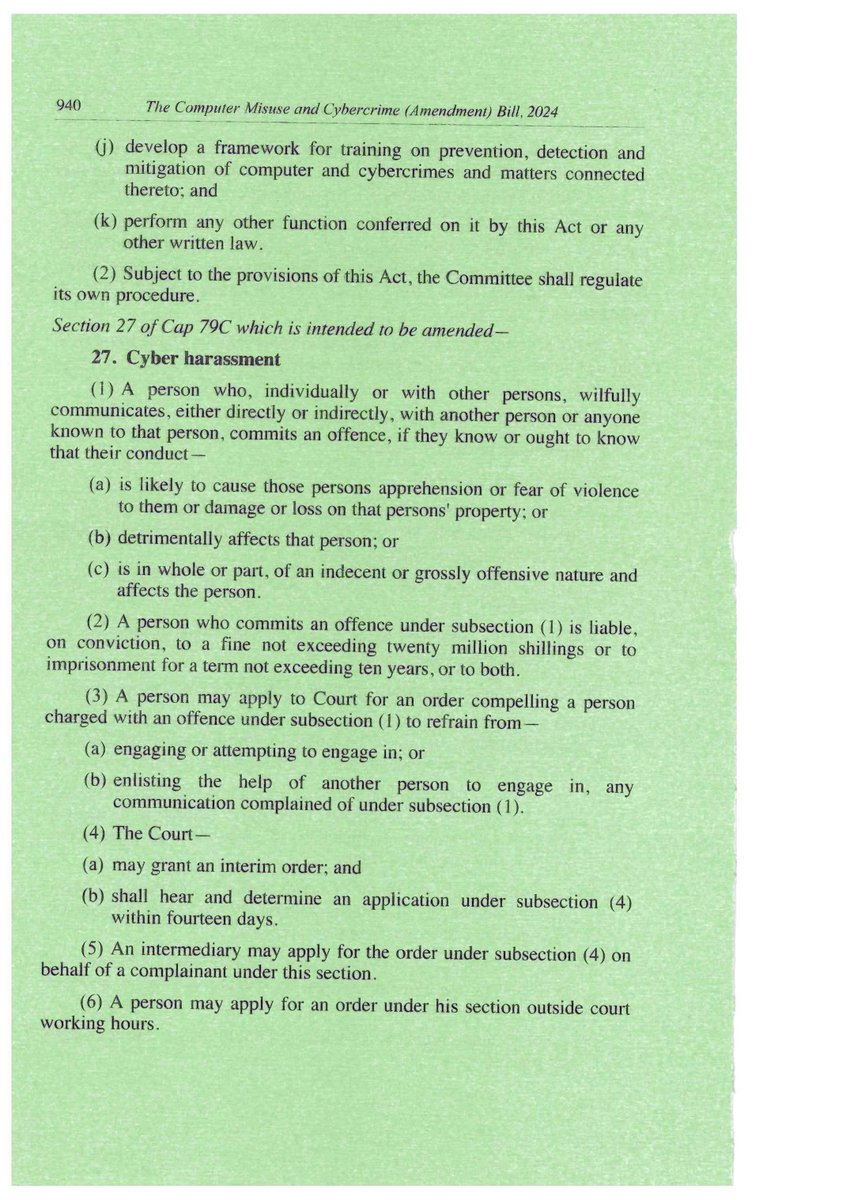
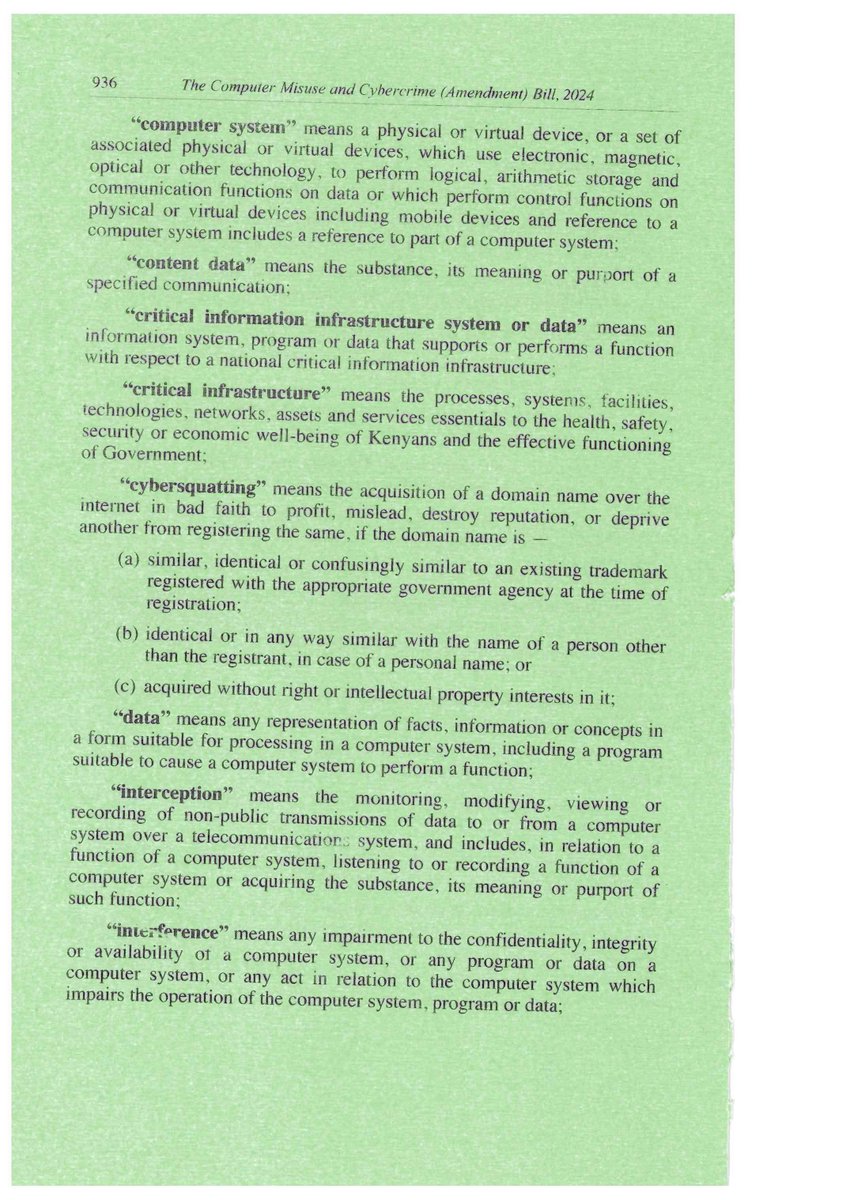
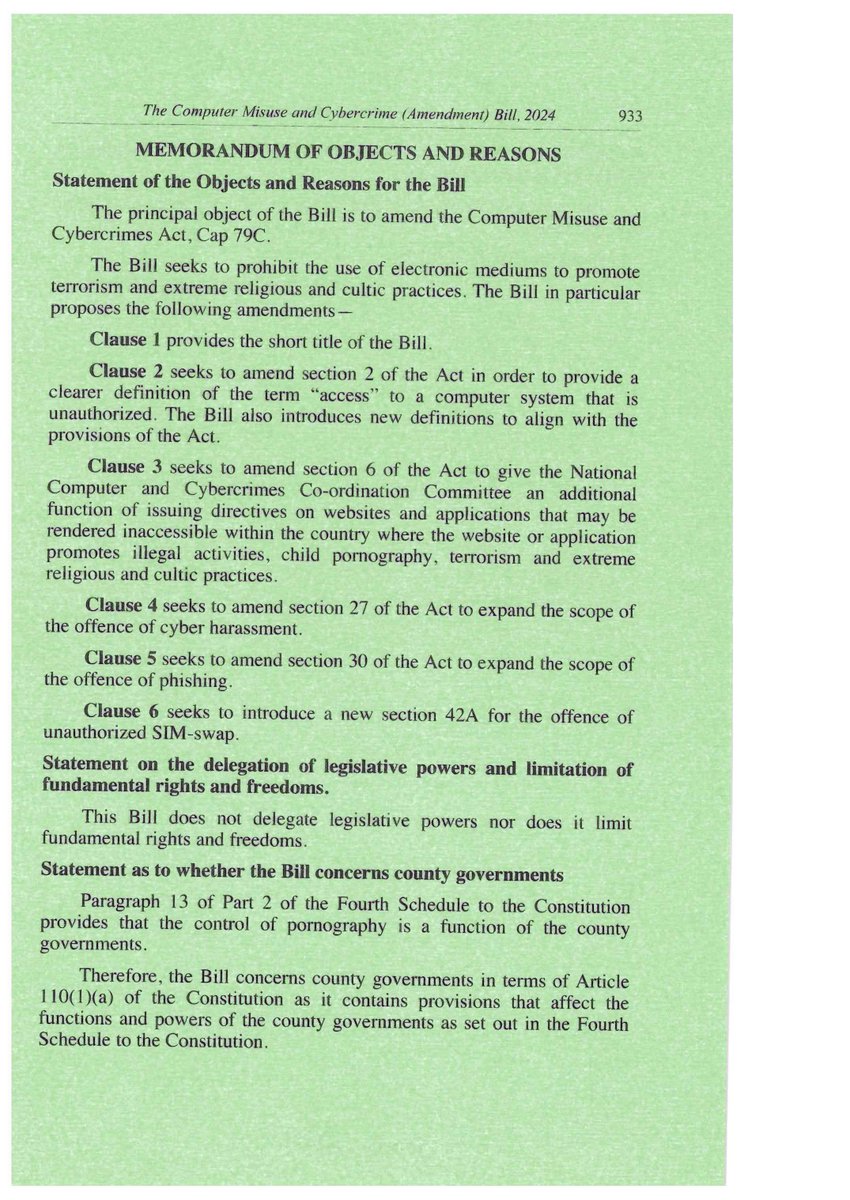
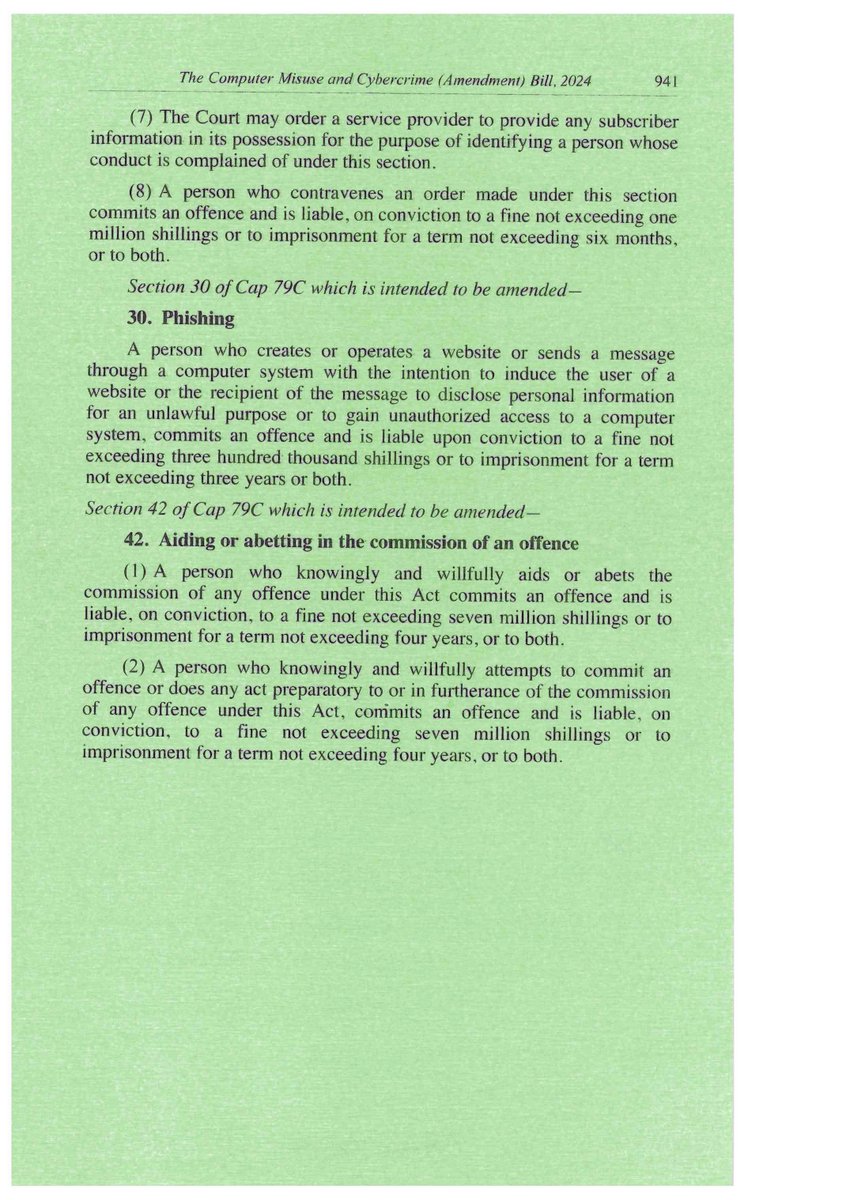
Much of what is currently circulating online about The Computer Misuse and Cybercrimes (Amendment) Act, 2024 is misleading or entirely inaccurate.
Rather than depending on media summaries or social media commentaries, citizens are encouraged to read the adopted Bill to understand what has actually changed.
The amendments are progressive, expanding the mandate of the National Computer and Cybercrimes Coordination Committee (NC4), by empowering it to issue lawful directives against websites involved in child pornography, human trafficking or terrorism.
Additionally, it introduces new provisions criminalizing deliberate cyberspace actions that drive victims to suicide, underscoring the government's commitment to protecting citizens from emerging digital harms.
This law comes at a crucial time, as Kenya accelerates the growth of its Digital Economy through the Digital Superhighway, one of the key pillars of the Bottom-Up Economic Transformation Agenda (BETA).
A secure and trustworthy cyberspace is indispensable to digital innovation, e-commerce, online service delivery and the protection of citizens' data and livelihoods.