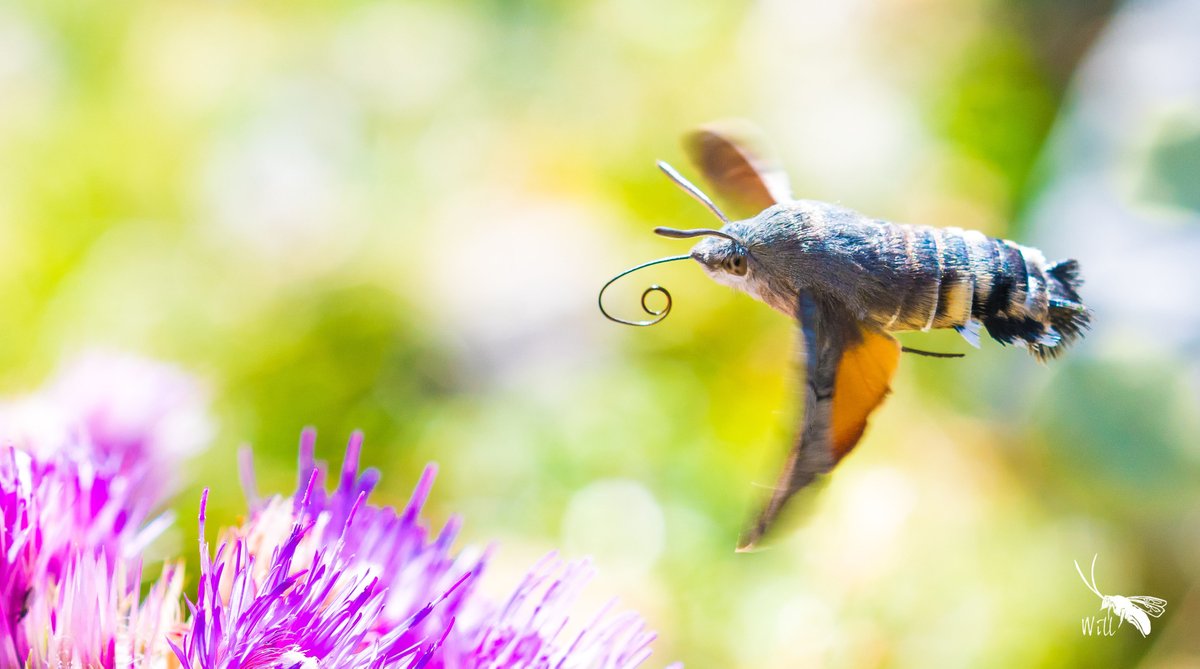
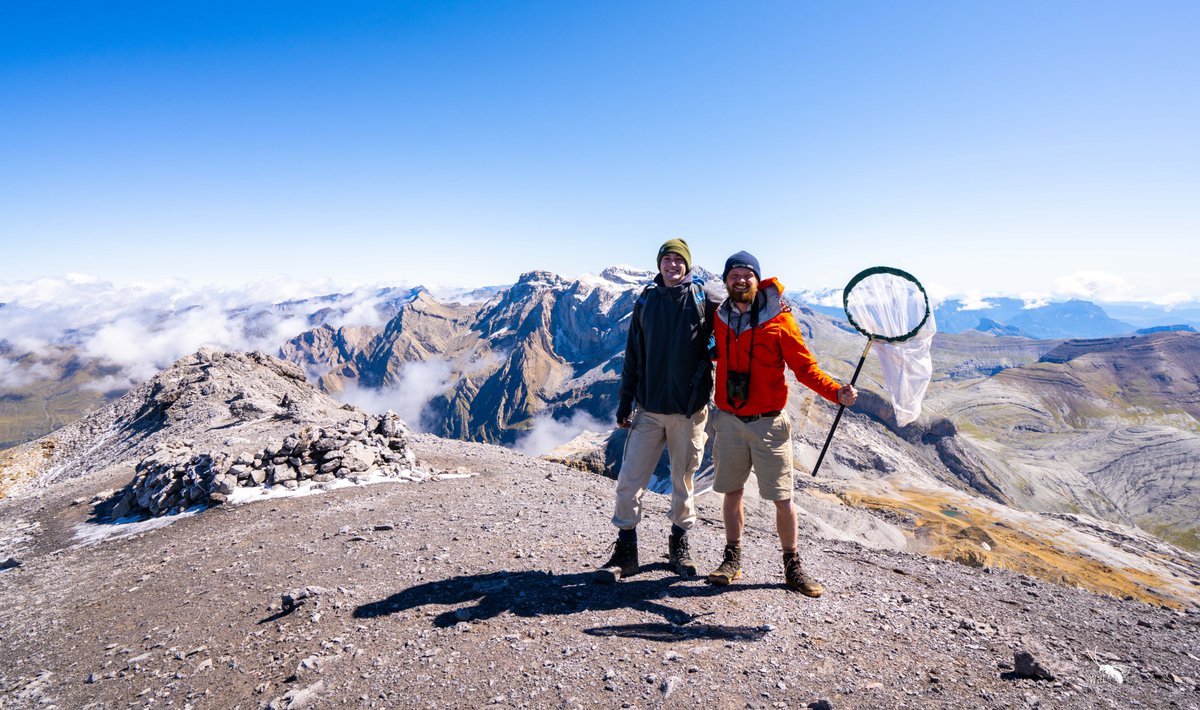
We (@bardseyben and I) are back!
Will and Ben the Wildlife Men Podcast Series 2 is live now!
Listen here to The Migration of the Dragons: https://t.co/4BAxeYXC1z
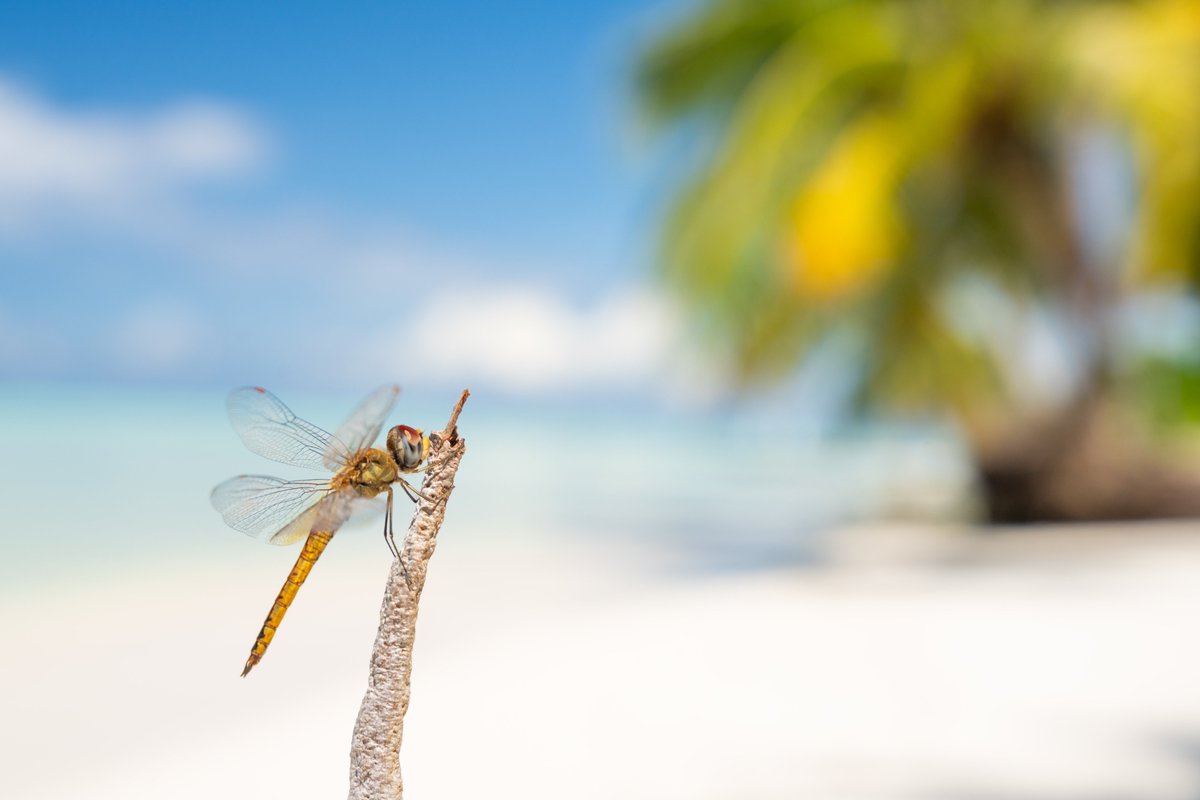
In this first episode of the new series we meet the globe skimmer dragonfly who has one of the most impressive migrations of all.
Just in time for Dragonfly Week 2024 @BDSdragonflies@Buzz_dont_tweet
Featuring the research of @JSUHedlund, find out more here: https://t.co/TzaiLbfrvk
I hope you enjoy hearing about this wonder-filled migration of the dragons.
Created a list of Conservation Concept videos on YouTube Channel (28 so far) with text explaining content. Delighted if people use or adopt for teaching. Plans for many more videos.
https://t.co/CBty9bHorc
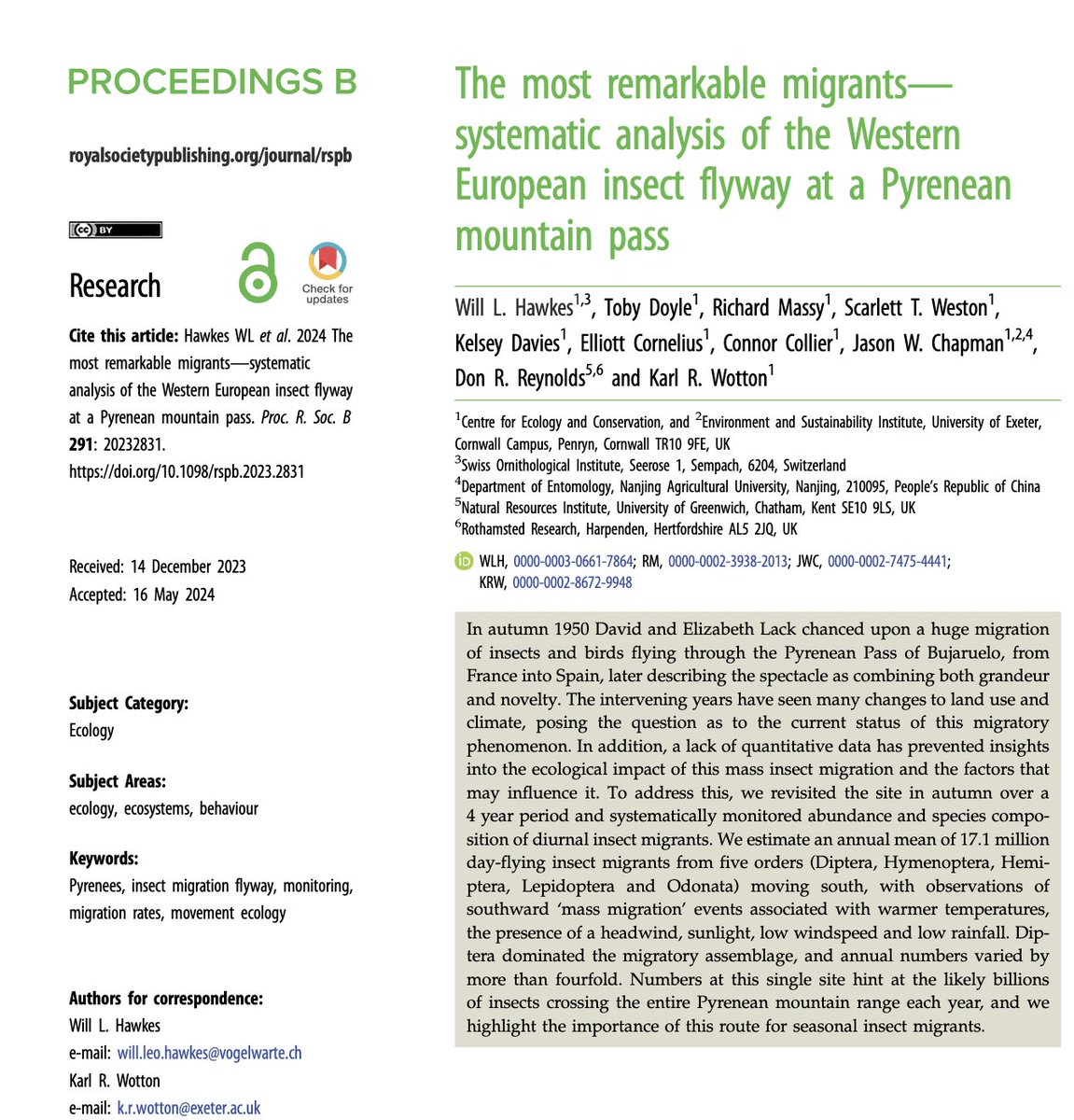
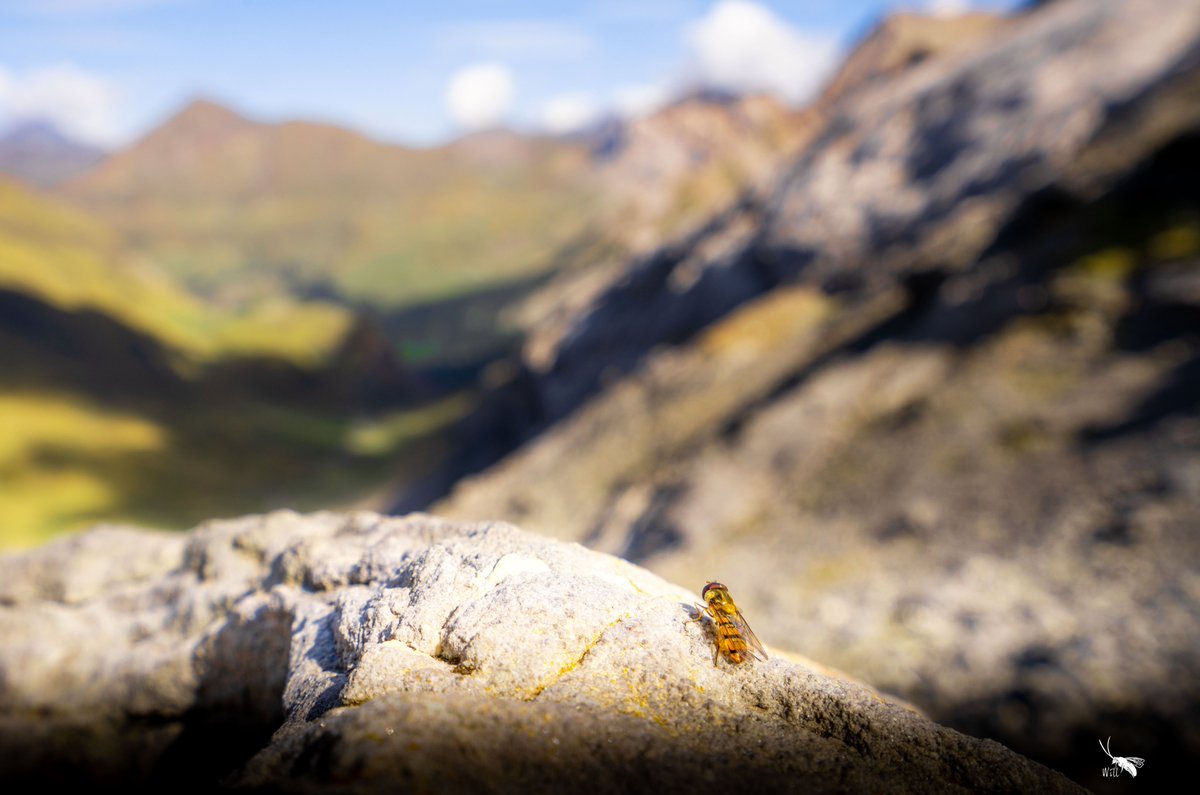
17 MILLION insects migrate through a 30m Pyrenean mountain pass every autumn!
They fly through the mountains on their remarkable journeys from northern Europe (including the UK) into Spain and beyond for the winter!
Our new paper is out right now: https://t.co/yQOEzoWxGC
🧵
New paper🎺
Working with @BASCnews science team, we find that the total harvest of #woodcock, the number of people shooting them, and the proportion shot before the recommended date of Dec 1 have all⬇️in recent years
OA paper & data
https://t.co/avbEmc3mUQ
(short 🧵)
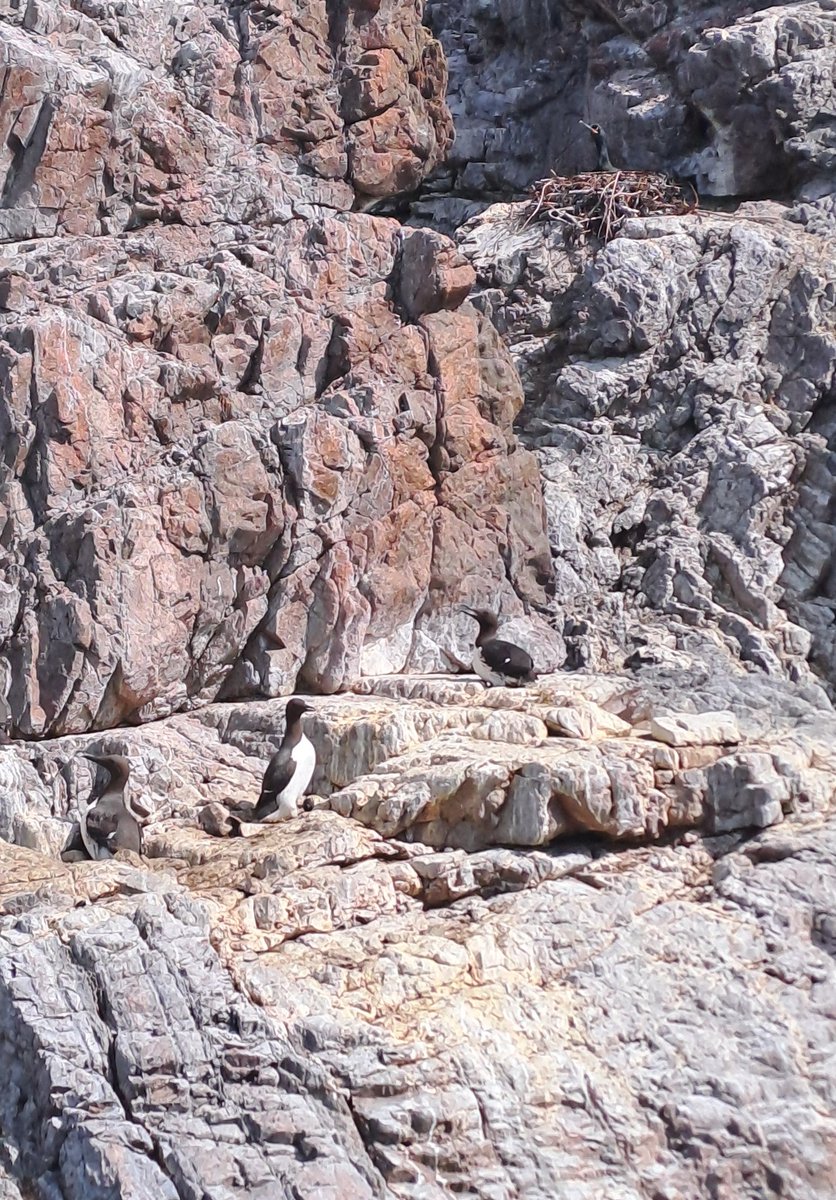
EMPTY LEDGES. First visit to North Sutor colony revealed the extreme impact bird flu, storms and rising sea temps have had on seabirds. Cormorants down by 36% to only 86 nests, shags by 60% to 60 nests and Guillemots down by a massive 83% on last year.
If you are looking for ship-time for research, @LindbladExp is inviting you to apply. Please see details here. Applications for Southern Ocean close 7 June 2024 https://t.co/LGeBrlPQyY
Frustrante. Llegamos tarde a la discusión. Pero en una investigación que estamos llevando a cabo, el número de perros es lo que más parece afectar el número de nidos de pilpilenes en algunas playas de Chile central...
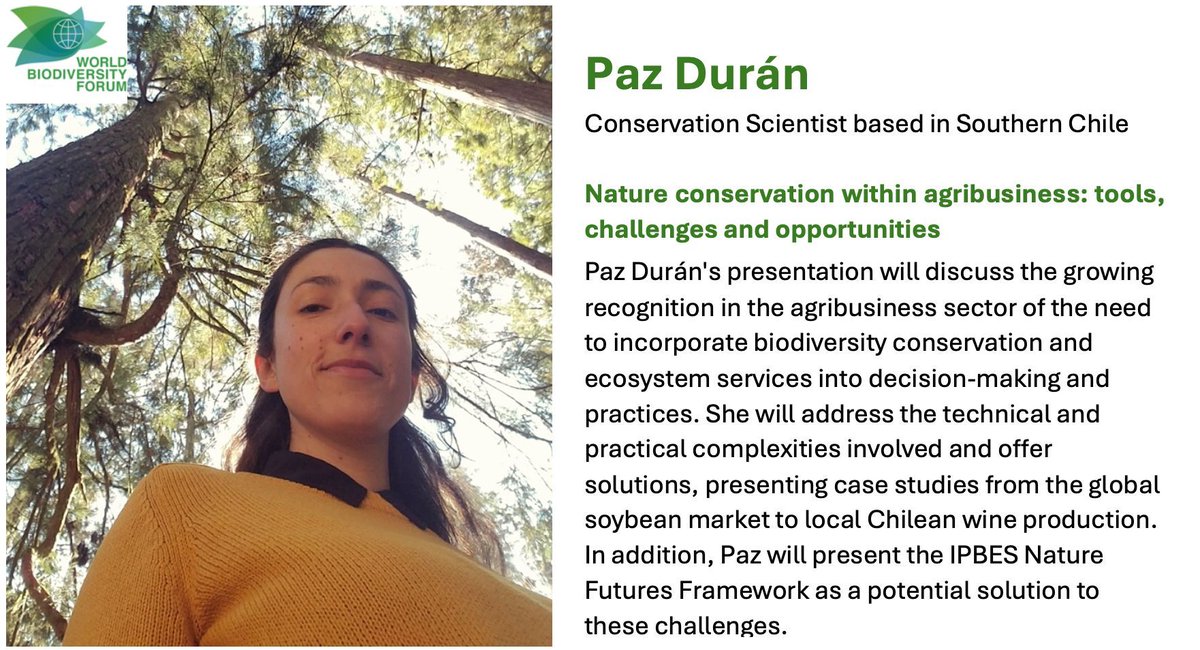
🌍🌿 Join us this June @WorldBioForum for a captivating plenary talk by @APazDuran on integrating biodiversity conservation and ecosystem services in agribusiness. Stay tuned for updates and explore more about Paz Durán's insights: https://t.co/IjnZnrIMbT #NatureConservation 🌱
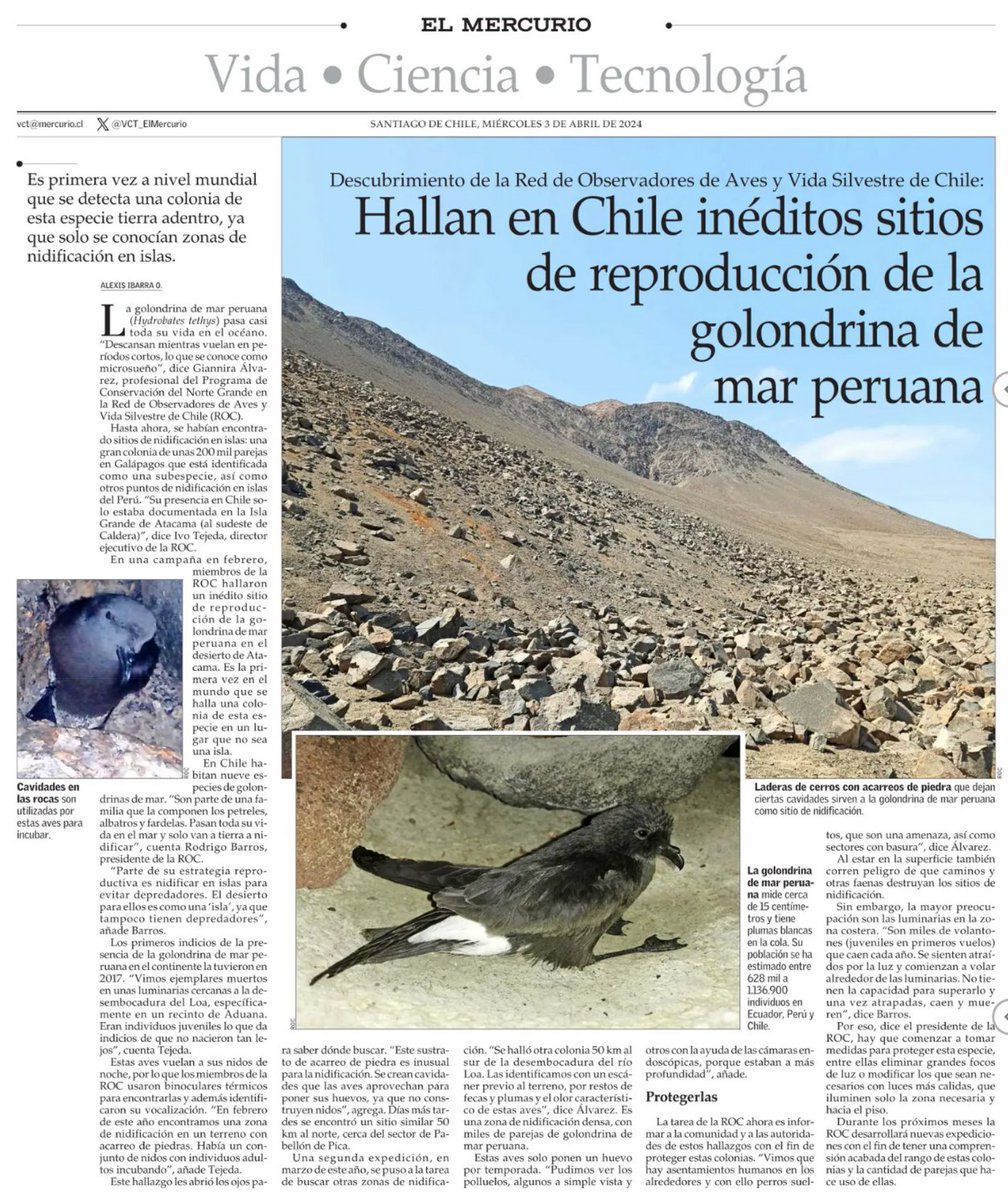
A comienzos de 2024, un equipo de @ROC_CL descubrió los primeros sitios de reproducción de golondrina de mar peruana (Hydrobates tethys) en el continente. ¡Miles de parejas nidifican en acarreos de rocas en la costa de las regiones de Tarapacá y Antofagasta en Chile!
Great #scicomm project led by my colleague @Signe_Dalsgaard illustrating the dramatic declines of #seabird populations in Norway.
The article is in Norwegian but the photos speak for themselves.
https://t.co/IKNrHOC6RR
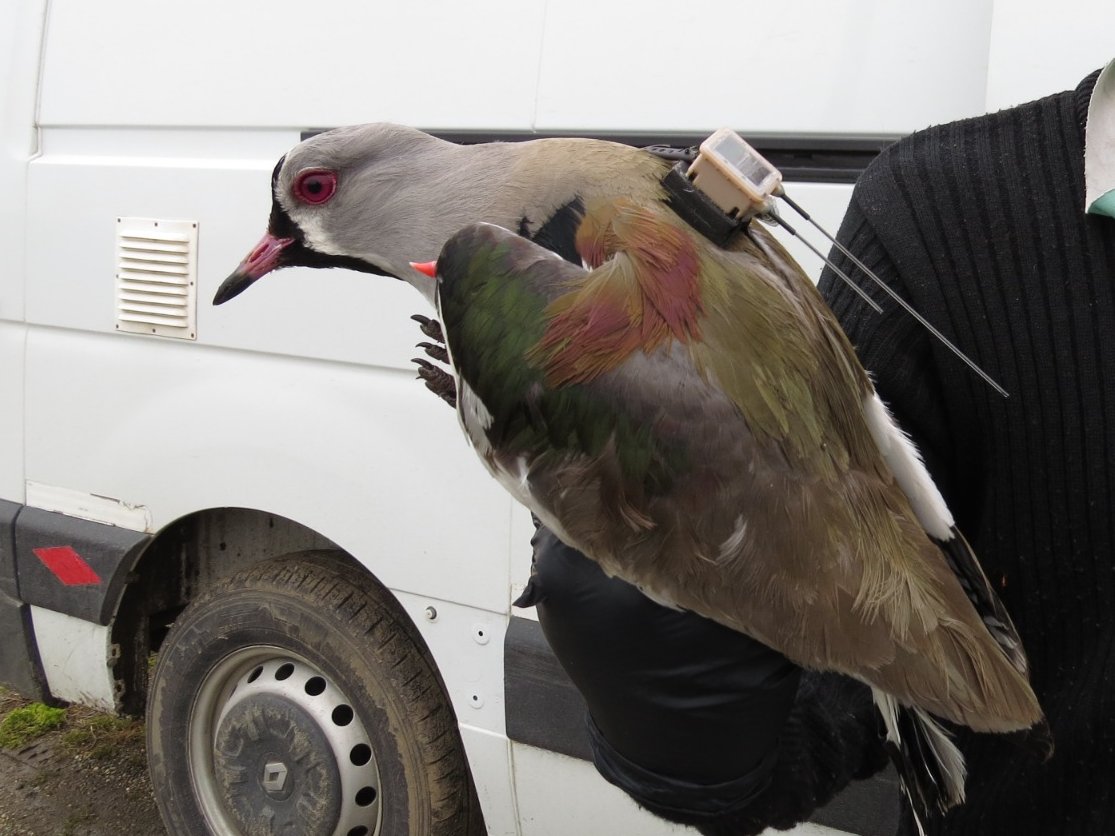
Boom, migration begins🪽. Our most southern, Southern Lapwings, breeding in Tierra del Fuego, are travelling northwards. This guy flew at least 1600Km in 6 days, crossing over the Andes 🤯. Is this area in Chile its final wintering spot? Where other birds will go? Stay tuned :)
Fully-funded PhD for interdisciplinary conservation research: https://t.co/5twpnHEM96 Understanding and mitigating impacts of recreational disturbance (mainly dog-walkers cyclists) on birds. Funded by @SongBirdSBS based @UniofExeter Cornwall with @sarahlcrowley @StuBearhop and me
Great Auk colony on the Skerries. Naturalists have speculated over the years that these birds bred here on the north coast of Ireland. This string of little islands would be particularly accessible for a flightless bird.
#paleoart#portrush#northcoast#wildlifeart#extinct
“Government remains largely off track to meet its environmental ambitions.” Our verdict at the @OfficeforEP on government’s progress in improving England’s natural environment. Our report is here https://t.co/dNTSXifXOV Watch a video outlining our findings https://t.co/Jyo0uGCU2O
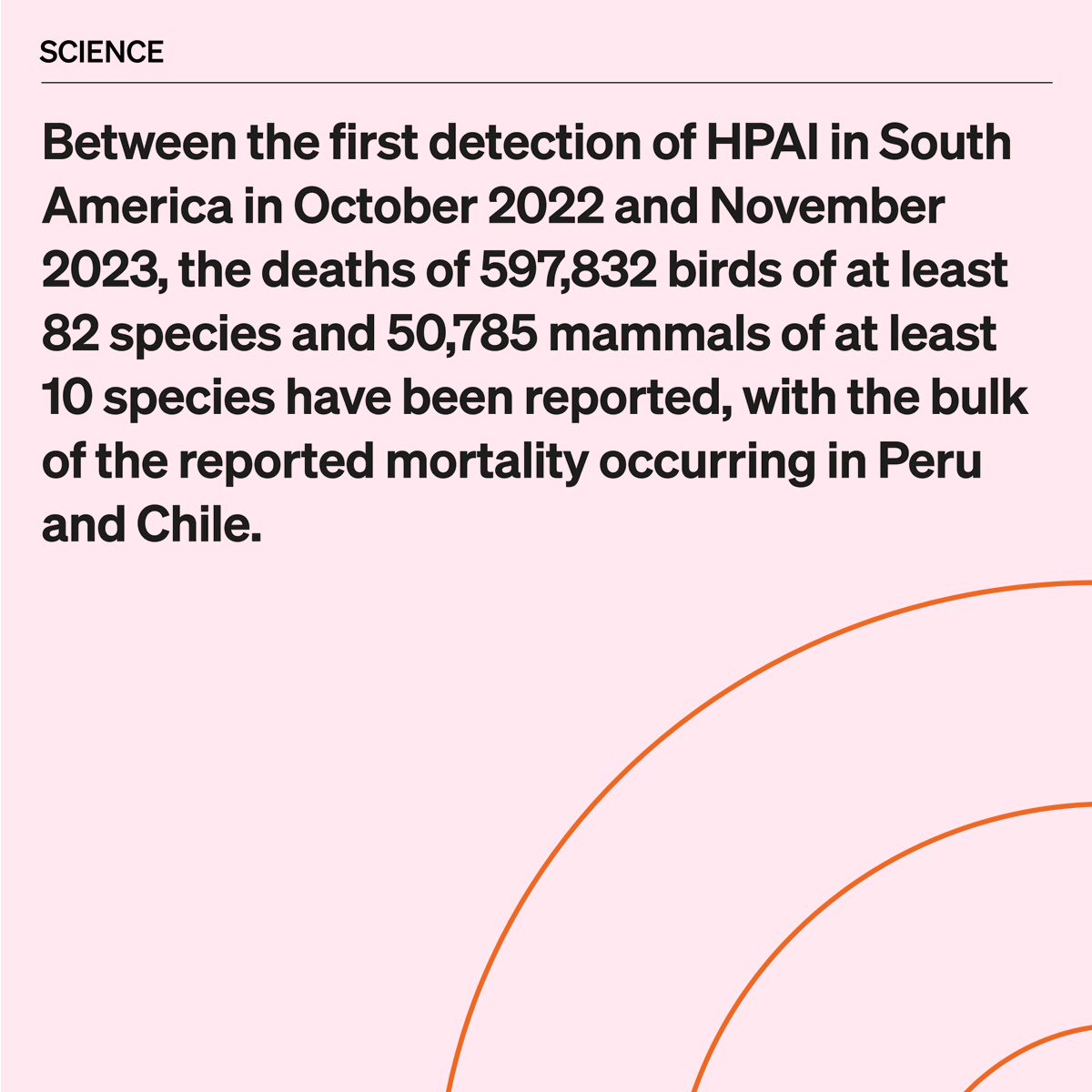
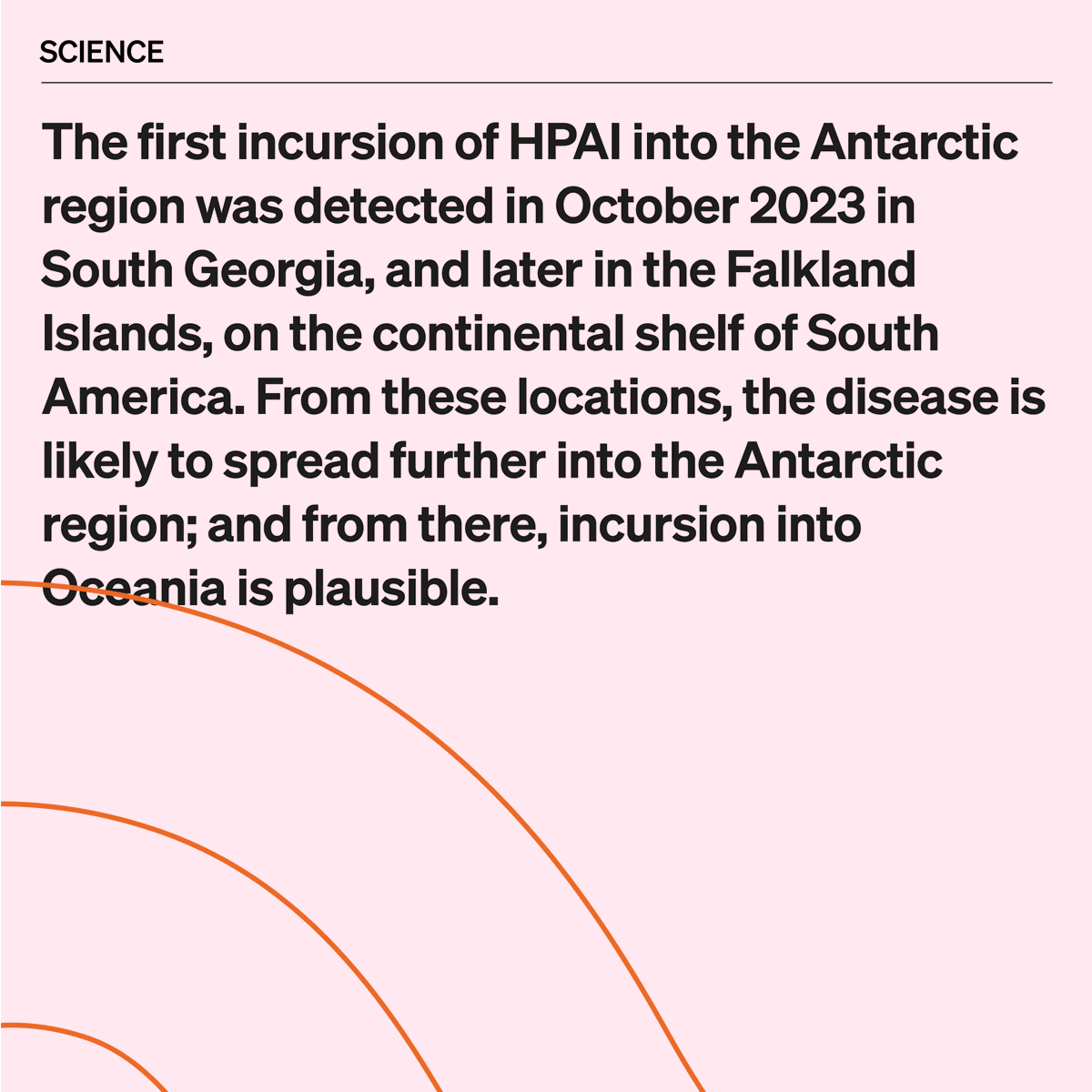
It is critical to continue the monitoring and surveillance of HPAI in wildlife populations. Taking biosafety measures to reduce the risk of human-mediated spread of HPAI to new areas, and to reduce the risk of human infection is essential to curtail the disease's spreadIt is critical to continue the monitoring and surveillance of HPAI in wildlife populations. Taking biosafety measures to reduce the risk of human-mediated spread of HPAI to new areas, and to reduce the risk of human infection is essential to curtail the disease's spreadIt is critical to continue the monitoring and surveillance of HPAI in wildlife populations. Taking biosafety measures to reduce the risk of human-mediated spread of HPAI to new areas, and to reduce the risk of human infection is essential to curtail the disease's spreadIt is critical to continue the monitoring and surveillance of HPAI in wildlife populations. Taking biosafety measures to reduce the risk of human-mediated spread of HPAI to new areas, and to reduce the risk of human infection is essential to curtail the disease's spread.
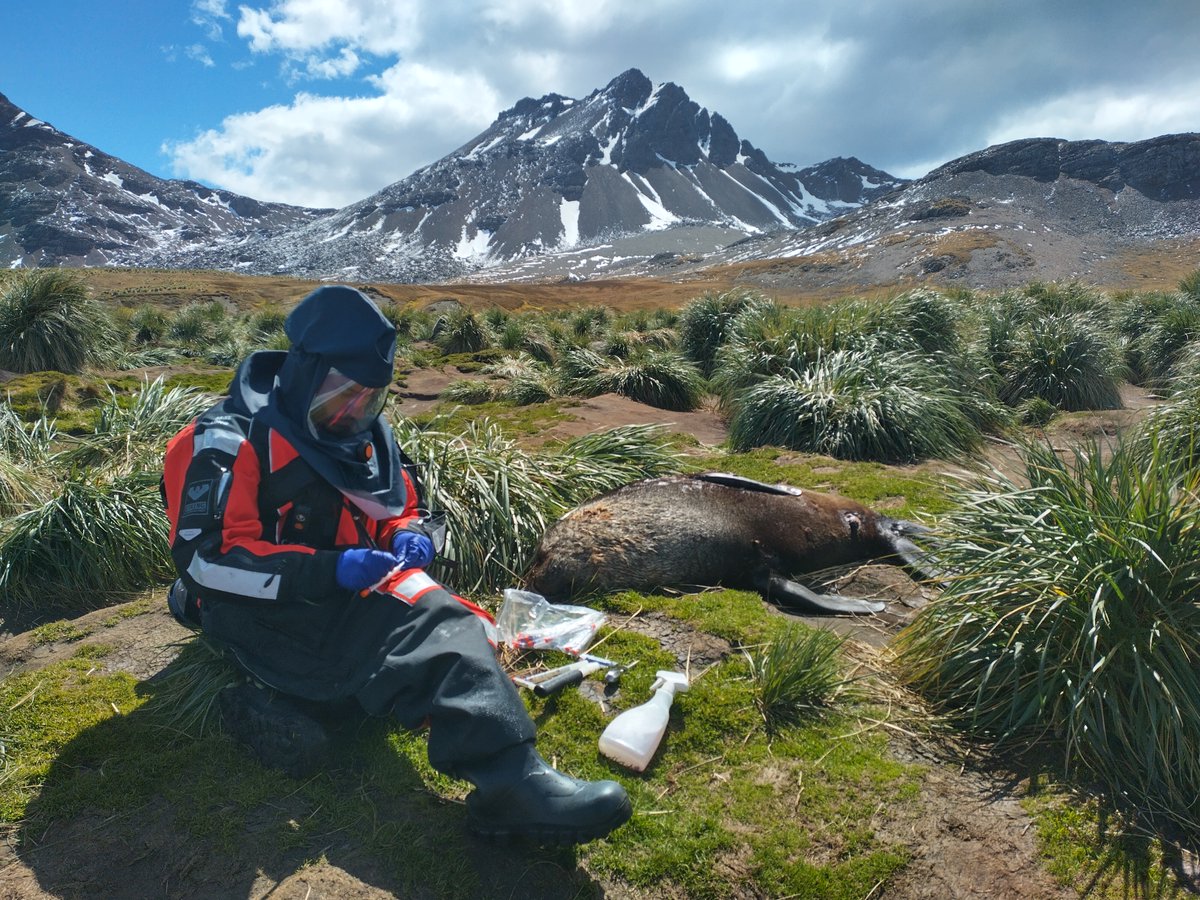
APHA scientists testing for #BirdFlu on the sub-Antarctic island of South Georgia have detected the virus in fur and elephant seals for the first time in the region.
Results will be shared with partners to help tackle the disease globally. Read more: https://t.co/8vu7RXeuHw