Vets interested in resaerch? This is a great opportunity to get a fully funded studentship on a clinical salary. I would be happy to host a project - just get in touch! https://t.co/5OLnnnrj4V
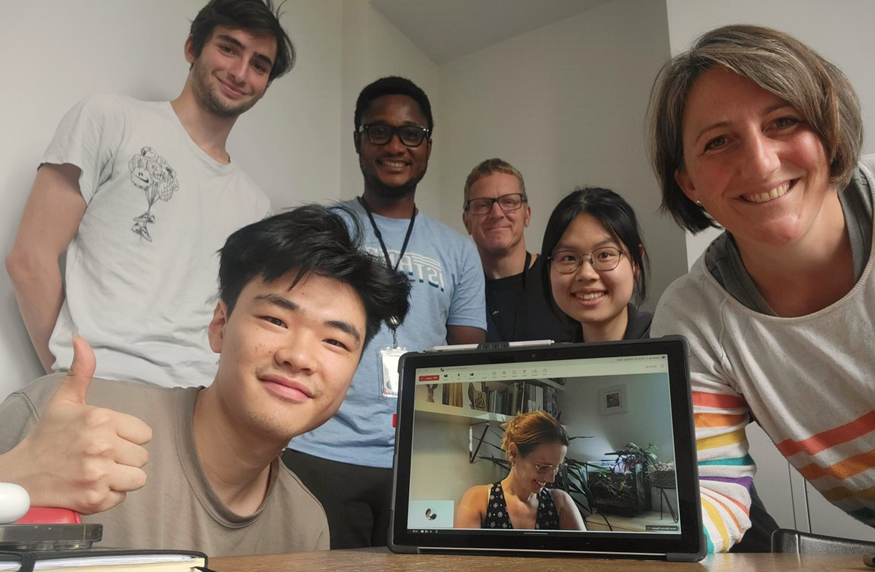
Summer is coming to an end and the @GOdogsProject summer crew are dispersing - huge congratulations to Vincent, Lucy and Paul on great work and good luck for your future studies and other ventures!
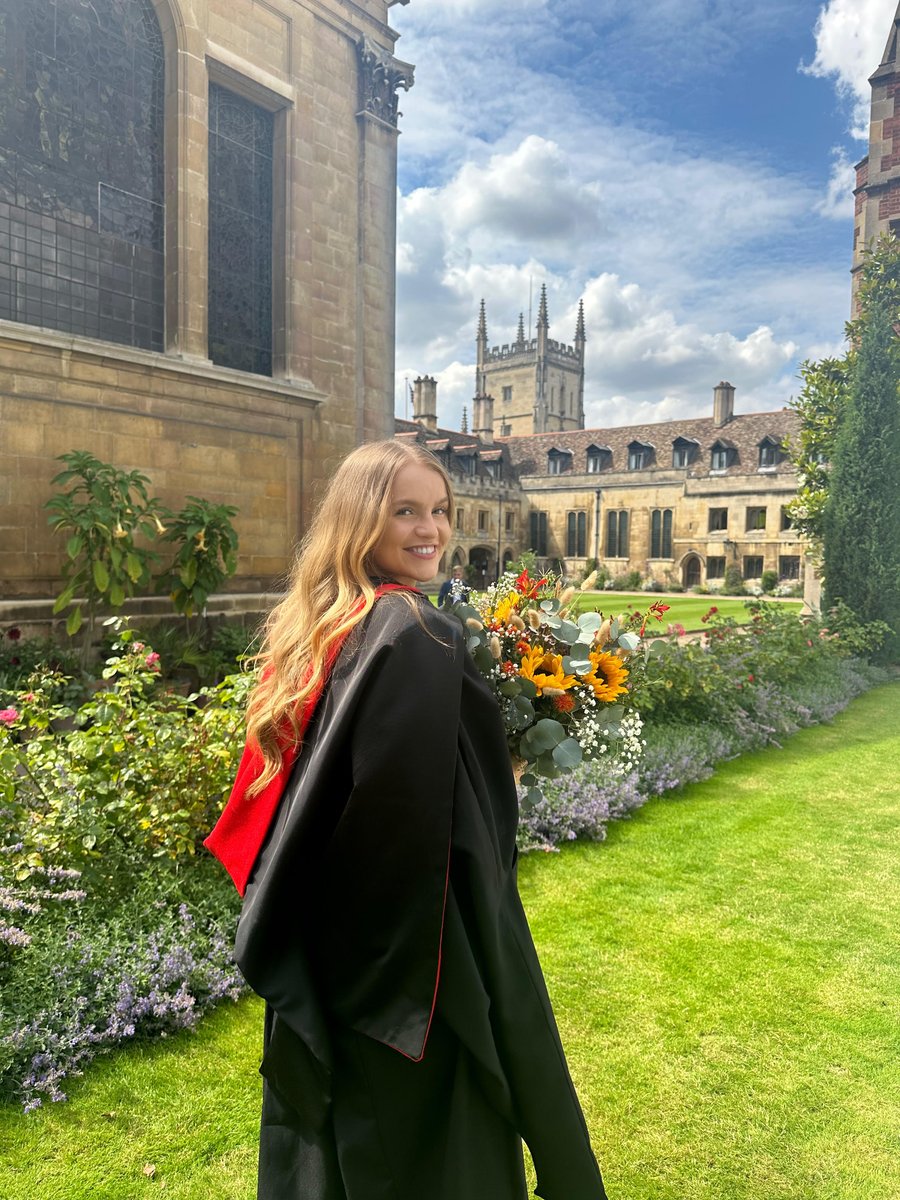
Dr Natalie Wallis, BSc PhD 👩🎓 A state school educated, first-generation university student from Liverpool, and now a PhD graduate from @Cambridge_Uni!!! I am filled with pride and gratitude for this life changing experience. (1/3)
Dr Natalie Wallis, BSc PhD 👩🎓 A state school educated, first-generation university student from Liverpool, and now a PhD graduate from @Cambridge_Uni!!! I am filled with pride and gratitude for this life changing experience. (1/3)
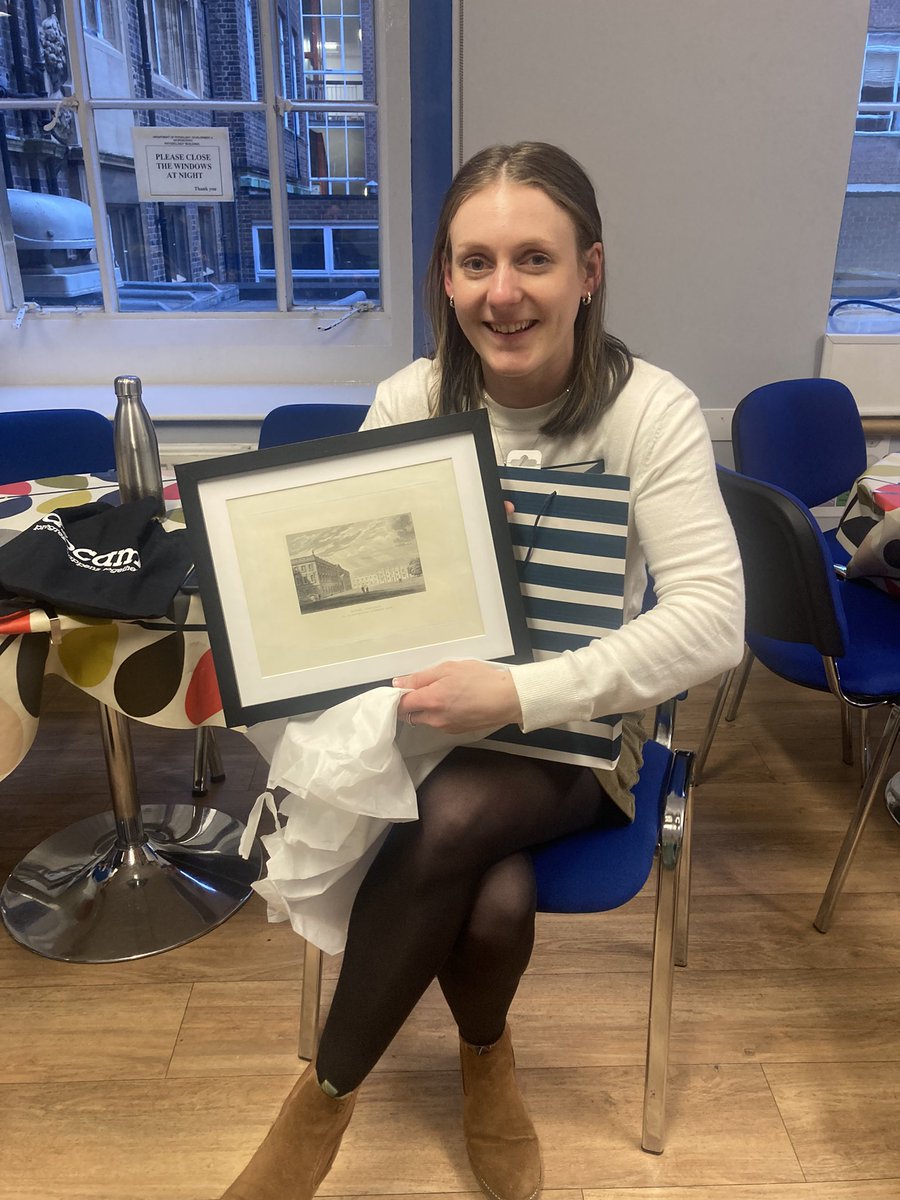
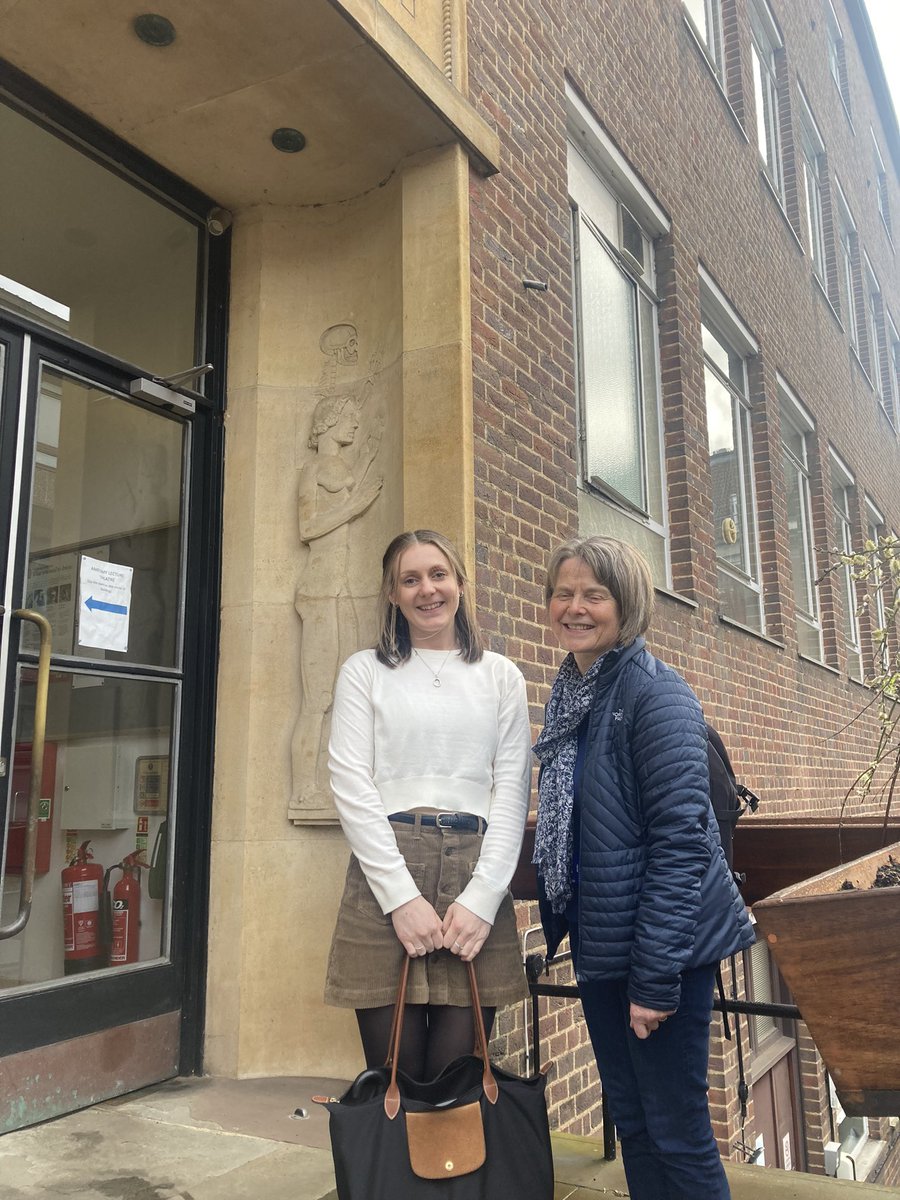
Congratulations to @AlyceMcClellan6 for passing her PhD! I learnt a lot about canine genetics. Thanks for the invite @EllieRaffan - first time back in the anatomy building 😅brought back memories! Cathryn Merllersh @GOdogsProject
This week I started my exciting new role as Outputs Development Manager at the University of Liverpool @LivUni . This work will elevate the reputation of not only the University but also this wonderful city that I am lucky enough to call home 🏡. #newjob
Labs have the highest rate of canine obesity of any breed. But it’s really not their fault: They’re ravenous almost all of the time, thanks to a genetic quirk.
Learn more in @ScienceMagazine’s daily newsletter, #ScienceAdviser: https://t.co/TKtBbPecWv
Love this study:
✅️Important theoretical contribution
✅️Important applied contribution
✅️New methods
It helps us understand our dogs better and makes a step towards understanding the genetics of food intake (hopefully) also in humans.
Labs have the highest rate of canine obesity of any breed. But it’s really not their fault: They’re ravenous almost all of the time, thanks to a genetic quirk.
Learn more in @ScienceMagazine’s daily newsletter, #ScienceAdviser: https://t.co/9ruUUNRVgH
New work from @EllieRaffan@GOdogsproject et al.
finds labs with a specific gene mutation associated with obesity are not only hungrier between meals, but also burn fewer calories when at rest compared to labs without the mutation. Great video displaying this below 🐕🌭
GOdogs research features on this week's podcast from the @NakedScientists describing our recent paper with help from study volunteer Rowena and her dog Eddie. @Cambridge_Uni@PDN_Cambridge @j_f_wainwright @IMS_MRL
https://t.co/SqqRwapeUx
@shadwell_NTT@Cambridge_Uni@EllieRaffan@IMS_MRL@PDN_Cambridge You’re right we previously showed that carrying this mutation makes dogs more hungry, heavier and more obese. Our new research, however, demonstrates that affected dogs also have a lower metabolic rate (burn less energy at rest) and display different behaviours around food
Thank you so much to all of the wonderful dog owners who volunteered as well as the canine participants 🐶. Thanks also to all of our collaborators, funders, and affiliated departments. @wellcometrust@DogsTrust@Cambridge_Uni@PDN_Cambridge@IMS_MRL 6/6 🧵
Our new research finds around a quarter of all Labrador retriever dogs face a double-whammy of feeling hungry all the time and burning fewer calories due to a genetic mutation 🧬🐶 1/6 🧵https://t.co/MYQ0vk3vDh
So, affected dogs not only want to eat more, but also need fewer calories because they’re not burning them off as fast 🔥. You can read about our new research in the journal Science Advances here: https://t.co/kTnI24RCAr 5/6 🧵