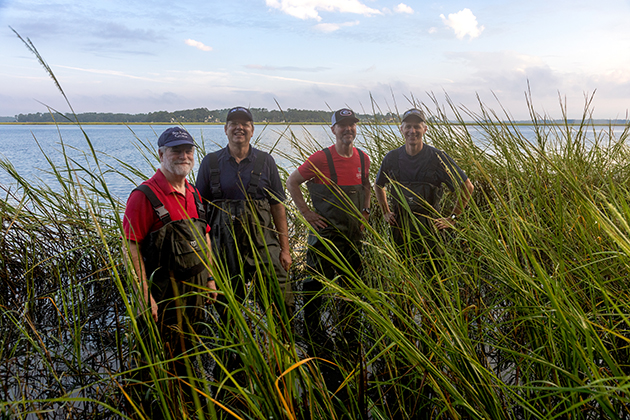
Georgia’s salt marshes help protect communities from flooding, erosion, and storm surge. Now, Georgia Tech and @UGAResearch researchers are teaming up to help protect the marshes themselves, using science, modeling, and nature-based solutions. https://t.co/4cCvUTppeZ
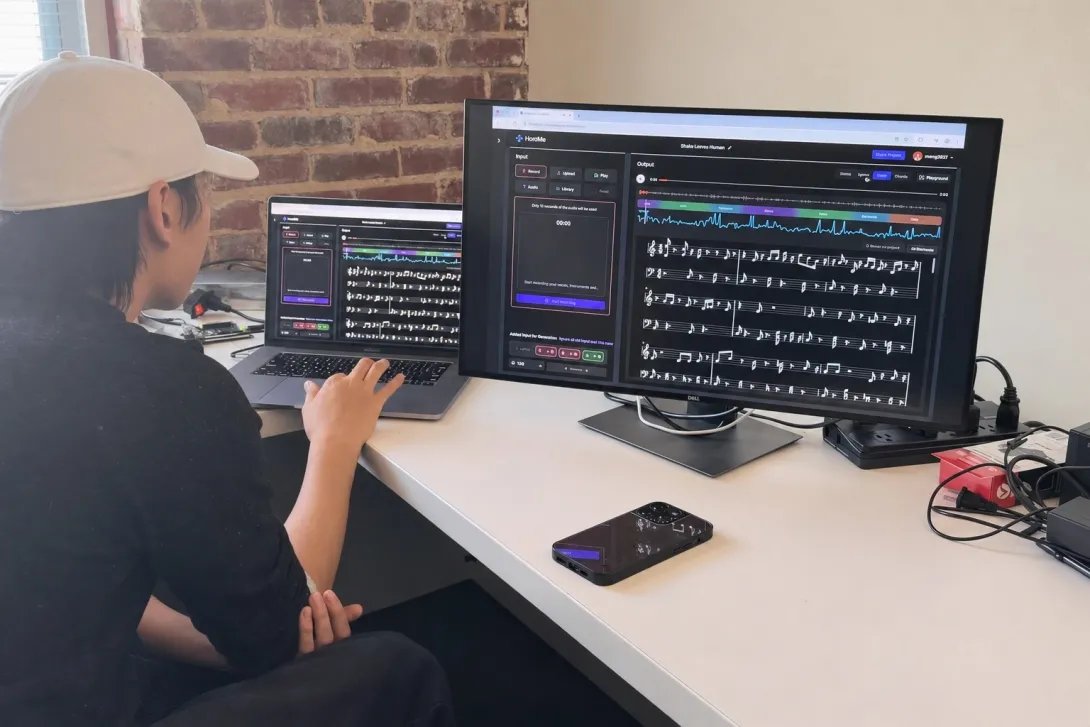
Music is meant to be played, not prompted. A Georgia Tech researcher's new app keeps creative control with human musicians.
HearMe offers suggestions and ideas rather than a fully composed song. It is available now in the Apple app store and the website https://t.co/xLhcBkRuqp is live. #WeCanDoThat 🎵🐝 | https://t.co/QQHQU9QuKz
How do you get rid of chemicals designed not to break down? @GTRI researchers are developing new technologies to find PFAS “forever chemicals,” remove them from water, and ultimately destroy them. https://t.co/OHoq66Xnq5
This #WorldToiletDay, let's celebrate the Generation II Reinvented Toilet #G2RT developed at @GTResearch_ by Shannon Yee and colleagues.
https://t.co/gqxIQVoepX
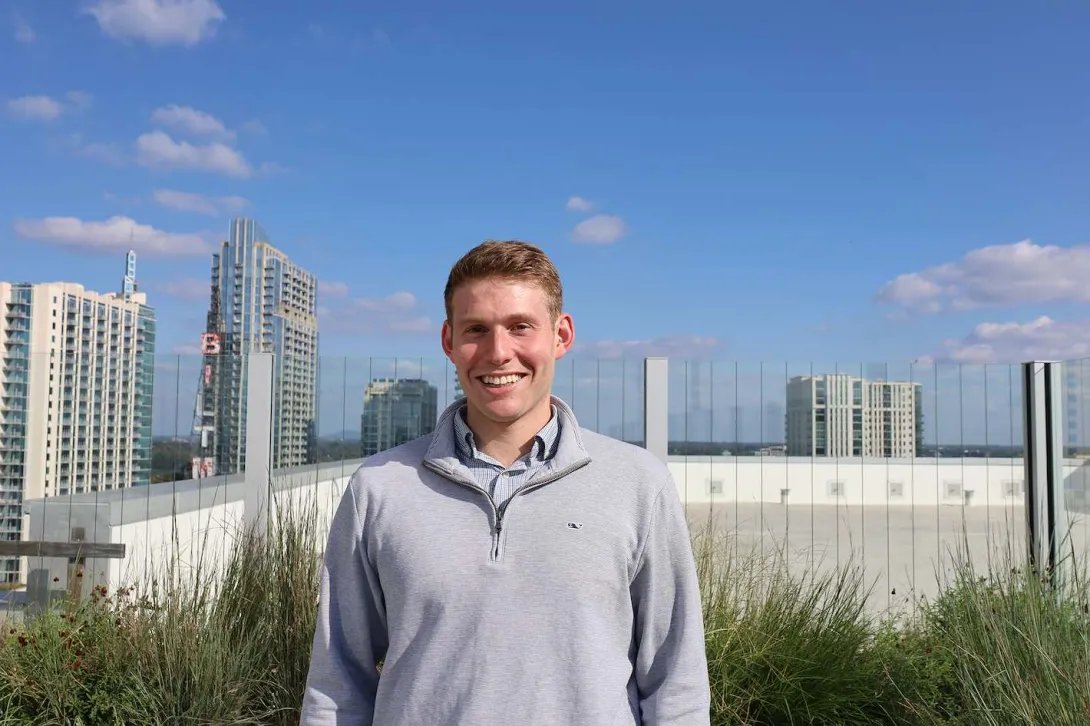
Congrats to Woodruff School alumnus Kyle Saleeby who is 1 of 11 "exceptional Americans" selected for the 2026-27 class of White House Fellows. He's been assigned to the National Security Council, where his work will focus on advanced manufacturing & supply chains that support it.
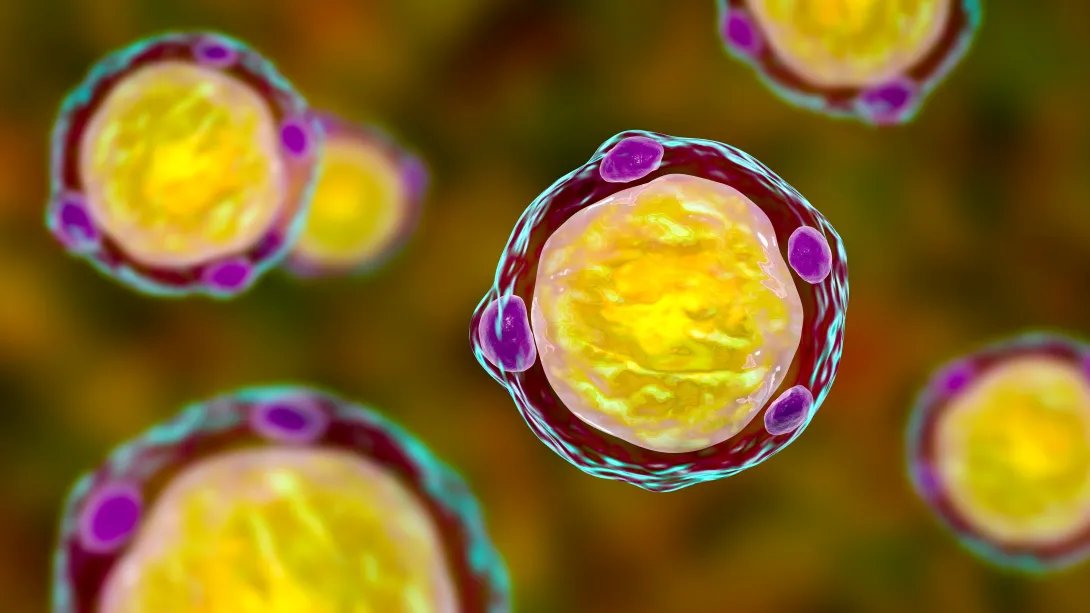
Beyond bacteria, there’s a largely unexplored world inside the human gut. With a new @NIH MIRA grant, @GTBiology researchers are studying an overlooked protist to uncover how it interacts with other microbes and, ultimately, its human host. https://t.co/EkM6ASevCt
What if AI helped you make music without making it for you? Georgia Tech researchers created HearMe, an AI songwriting app designed to keep people playing, learning, and in creative control.
https://t.co/VccSYLAlWa
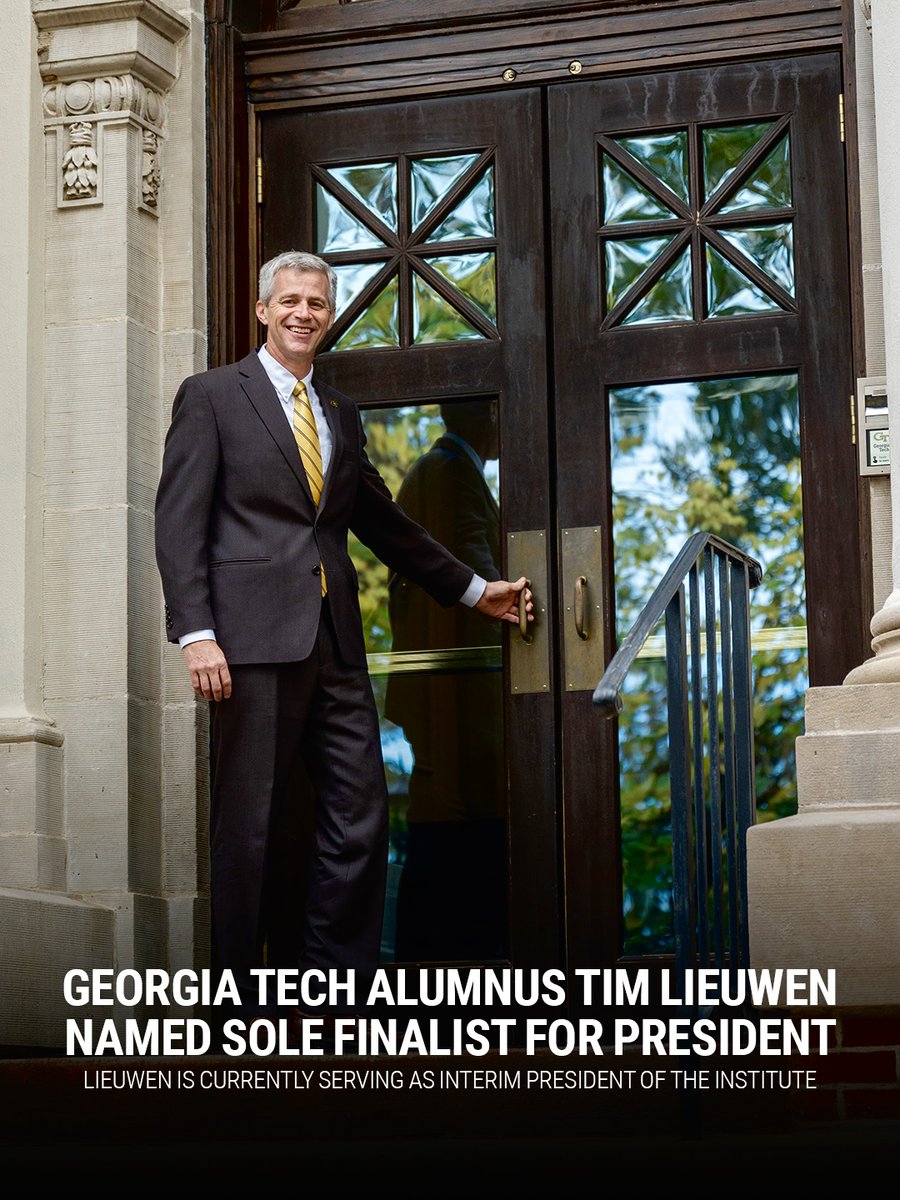
Georgia Tech alumnus Tim Lieuwen has been named the sole finalist for the position of president at the Institute. The University System of Georgia made the announcement today.
Lieuwen is a two-time Yellow Jacket, earning a master's and Ph.D. in mechanical engineering at Tech. He has more than 25 years of experience in higher education and academic leadership and is currently serving in the role of interim president. 🐝 | https://t.co/NwBlblL0L3
People who grew up blind may hear subtle differences in pitch more accurately. A new Georgia Tech study suggests the reason may be less “internal noise” in how they perceive and judge sounds. https://t.co/TYoCIPWJSn. .
Georgia Tech is turning its campus into a living laboratory for urban wildlife. Students will track butterflies, lizards, and birds, building a clearer picture of how animals move through and use an urban environment. https://t.co/EzLICOwQJV
Georgia Tech is headed to #SfN2026! 🧠🐝
We’ll be highlighting GT research and presentations throughout the conference.
Attending? Tag @gt_neuro or use #GTSfN26 to help us follow what you’re sharing along the way.
Stay tuned for more from D.C.!
What good is cancer care if patients can’t reach it? @GeorgiaTechISyE researchers developed a model showing how investments in both roads and treatment facilities could help expand access to cancer care in Rwanda. https://t.co/9AGaFNho18
Congrats to @DrDavidJoyner, Georgia Tech's interim vice provost for AI in Education! He's been named to @magazine_cdo's 2026 Top 30 Higher Education Data & AI Influencers list. https://t.co/8jcNzwpbfF
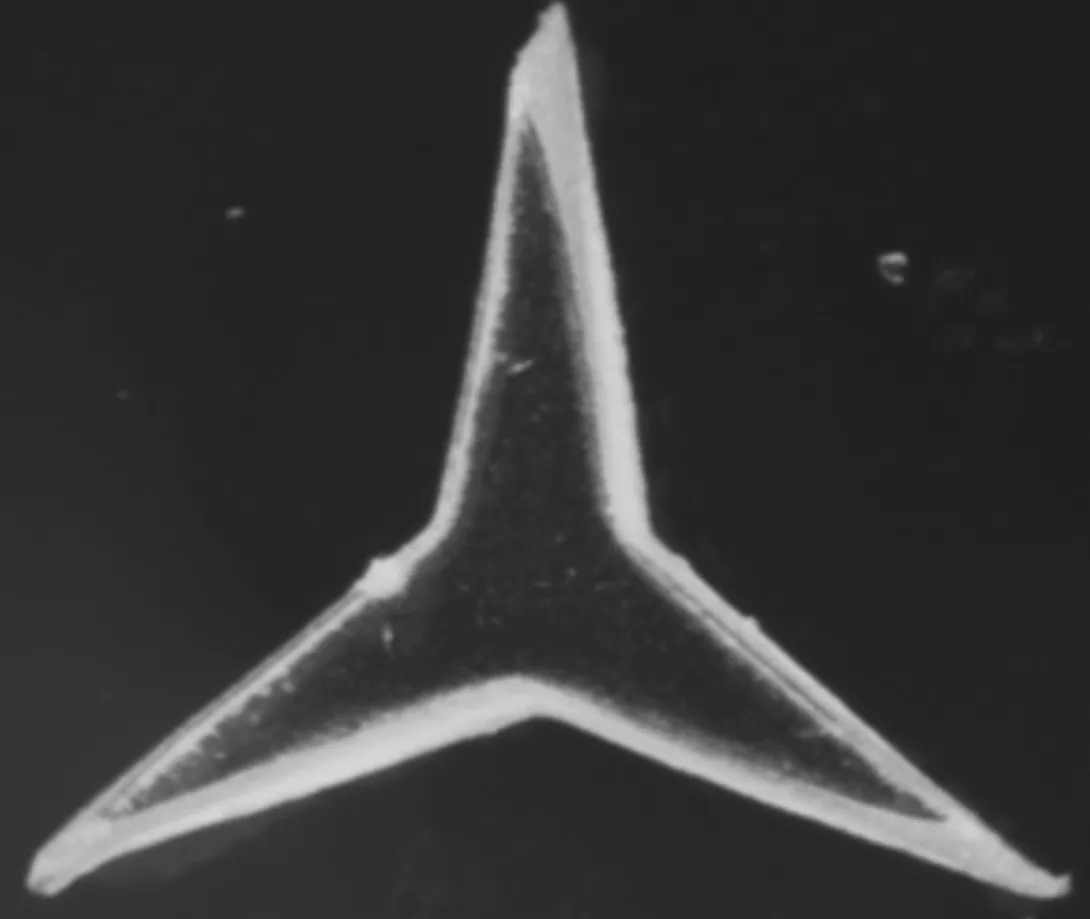
Our researchers have developed biodegradable versions of STAR particles, potentially making this topical drug delivery method better for the environment
GTRI veterans lead many of the research projects that advance scientific paradigms and protect our nation. Hear some of their stories on this Veterans Day:
This Veterans Day, we honor the veterans of Georgia Tech Research Institute whose service continues to strengthen our mission every day. Thank you for serving our nation, in uniform and beyond.
Read their stories of service here: https://t.co/kv7p2gTx2t
Our newest faculty member has hit the ground running! 🏃🐝
From lung ultrasound interpretation to faster MRI scans, Asst. Prof. Peter Wang is exploring how #AI can improve healthcare! 🫁🩻
Welcome to CSE, Peter! 🥳🎉
📰🔗: https://t.co/URSe17wQXT
Complex systems are getting a clearer view. Two new @GeorgiaTechAI platforms help users visualize everything from global logistics networks to the inner workings of a single facility. https://t.co/7UHC3QWavZ
Your skin is great at keeping things out. That’s a problem when medicine needs to get in. Georgia Tech researchers developed biodegradable microscopic “porcupines” that could help topical treatments get through the skin more effectively. https://t.co/xpOWa8GZa9