📍 We're in Baku this week!
🌐 FURP journal is proud to be represented at WUF13 Azerbaijan (the 13th World Urban Forum), taking place this week in Baku, Azerbaijan.
The theme this year, "Housing the World: Safe and Resilient Cities and Communities", resonates deeply with the work we publish every day: cities as living systems, housing as a human right, and communities as the foundation of sustainable urban futures.
💡 What does "adequate housing for all" mean in your city?
By 2030, around 3 billion people will need access to adequate housing. As a journal committed to comprehensive urban research, we know that solving this crisis demands not just policy — but knowledge, evidence, and interdisciplinary dialogue.
💬 We'd love to hear from our community:
What urban housing challenge is most urgent in your region?
📢 Are you at WUF13 Azerbaijan too? Let's connect!
#WUF13 #UrbanResearch #HousingCrisis #SustainableCities #UrbanPlanning #AcademicCommunity #SDGs #Baku #GUIHUA #FURP #FrontiersofUrbanandRuralPlanning
Hudson Bay is actually shrinking rapidly.
Along some of its very flat shores, the coastline can advance by as much as four metres (14 feet) a year as the land rises out of the water.
The cause? Isostatic rebound from an ice sheet that vanished thousands of years ago.
1/n
The metropolitan countryside: neither city nor countryside🌱
Urban expansion creates messy transitional spaces mixing agriculture, housing and ecology.
Old binary urban‑rural planning frameworks no longer work.
New research from the Sino‑UK rural planning workshop explores flexible governance & community participation for these hybrid zones.
GUIHUA Rap|3‑min paper breakdown
#UrbanRural #SpatialGovernance #RuralStudies
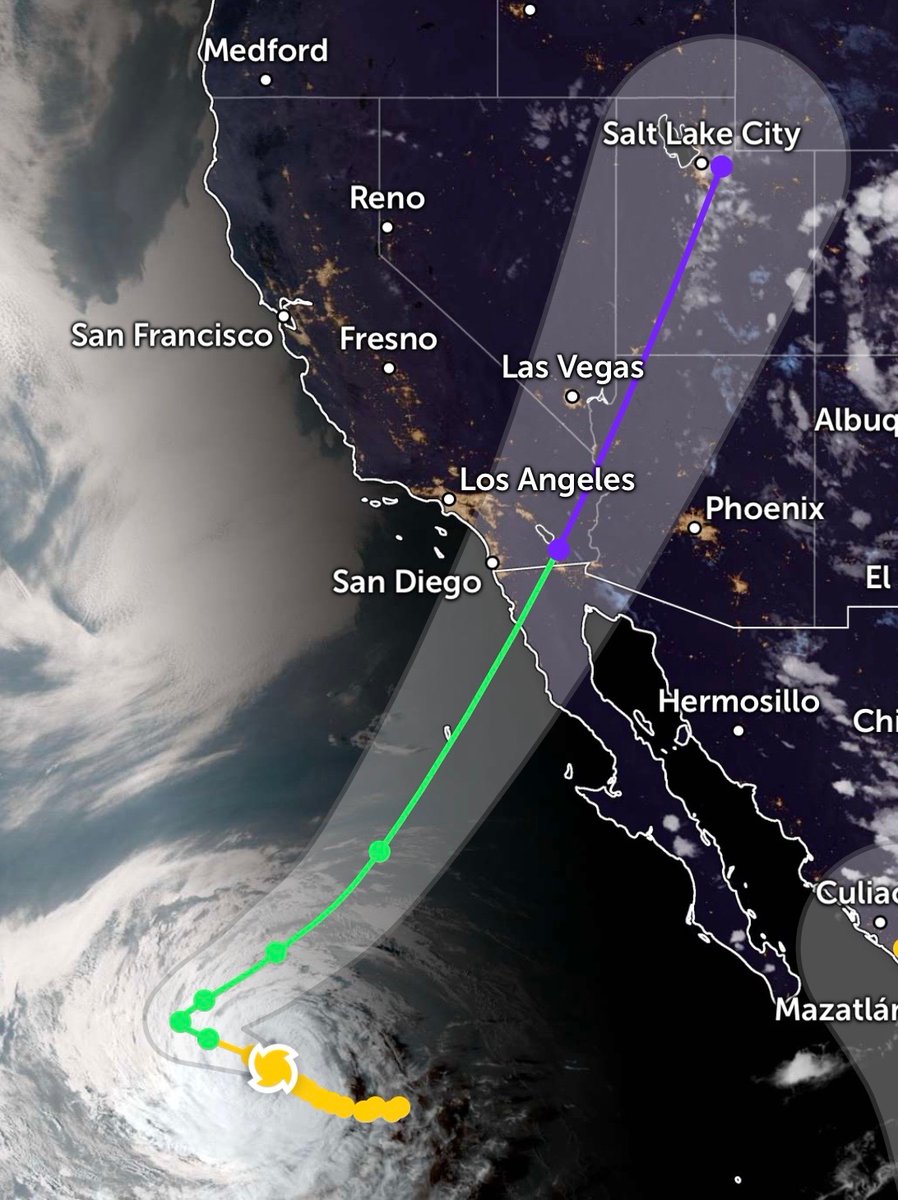
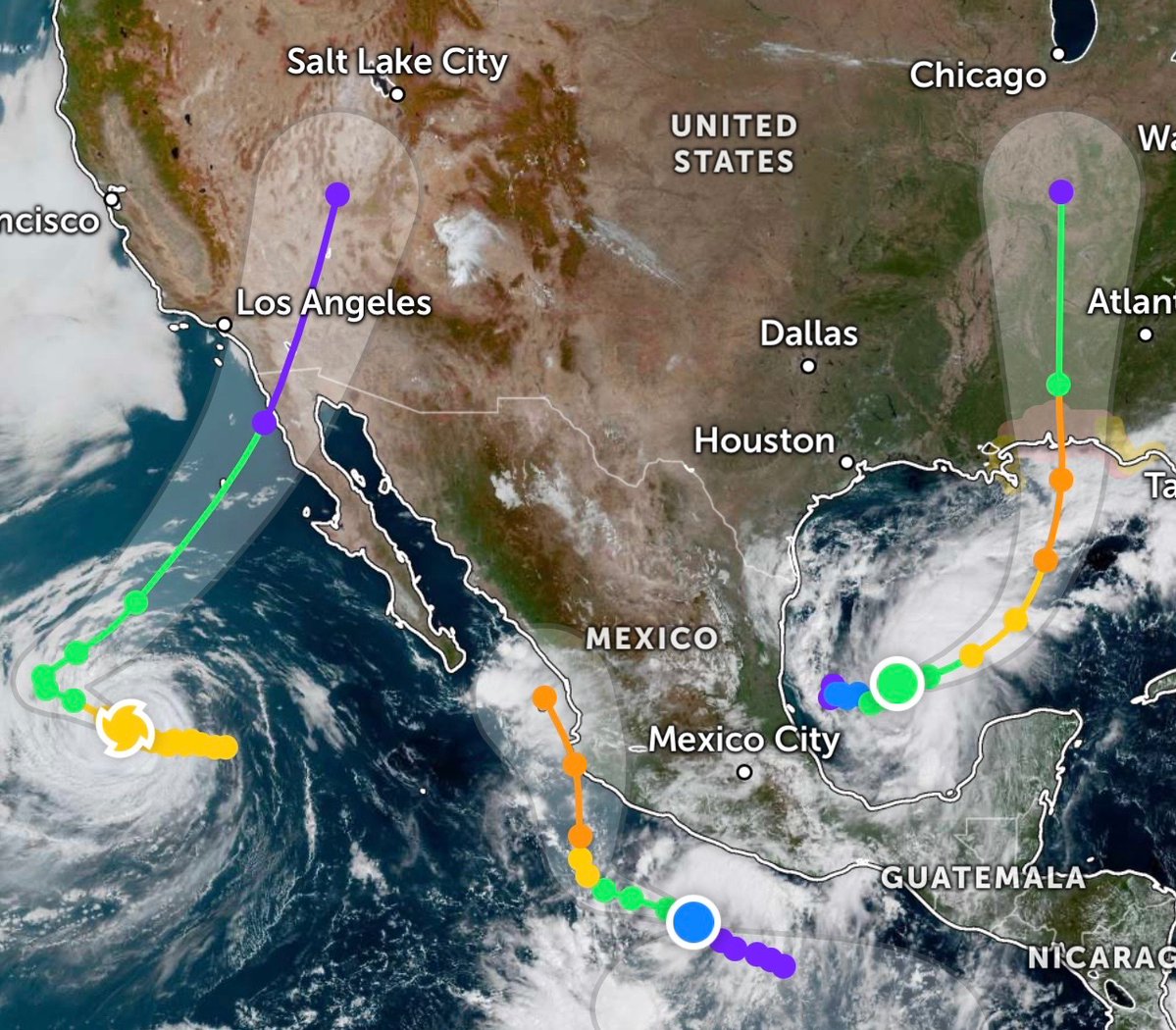
Hurricane Rachel is targeting Southern California, a very rare scenario for the US West Coast. Coastal regions are bracing for high winds and heavy rainfall amid abnormal weather conditions. #Rachel#CaliforniaWeather#Hurricane
From district‑level population numbers to gridded human distribution🌍
WorldPop (Global2 R2025A v1) delivers 100 m /1 km global population grids 2015‑2030, built with random‑forest spatial disaggregation.
Great for:
▫️15‑minute life‑circle service coverage
▫️transit catchment population calculation
▫️disaster‑risk‑exposed‑population mapping
▫️urban‑renewal spatial diagnosis
Pair it with GHSL for built‑environment + population analysis.
⚠️ Always calibrate against local official statistics for local projects.
#WorldPop #GIS #UrbanAnalytics #Population
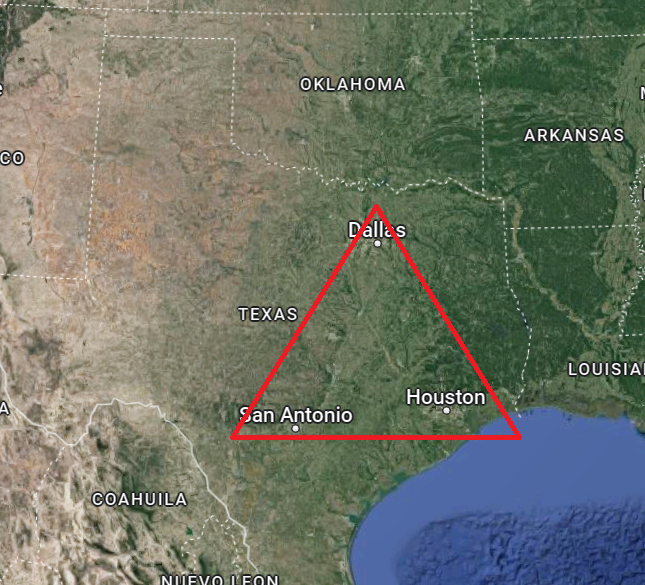
The Texas Triangle will see the biggest economic expansion in the US over the next ten years.
Dallas, Houston, Austin, San Antonio.
Nothing else groups like this:
- low cost of living
- high quality of life
- ample and relatively cheap land
- no state income tax
- central location
- good weather
- diverse economies
- business and regulatory friendly
- good education & healthcare
- Giga Texas + Terafab + Bastrop
The suburban and rural areas will also benefit massively from technological and cultural shifts:
- work from anywhere
- self driving cars, no traffic
- transportation: drones, flying cars
- food delivery improvements (not just TexMex and BBQ anymore)
- AR/VR/AI in education
- decreasing social isolation
- influx of talent and high-caliber people
- patriotic, pro-American, homogenous culture & values
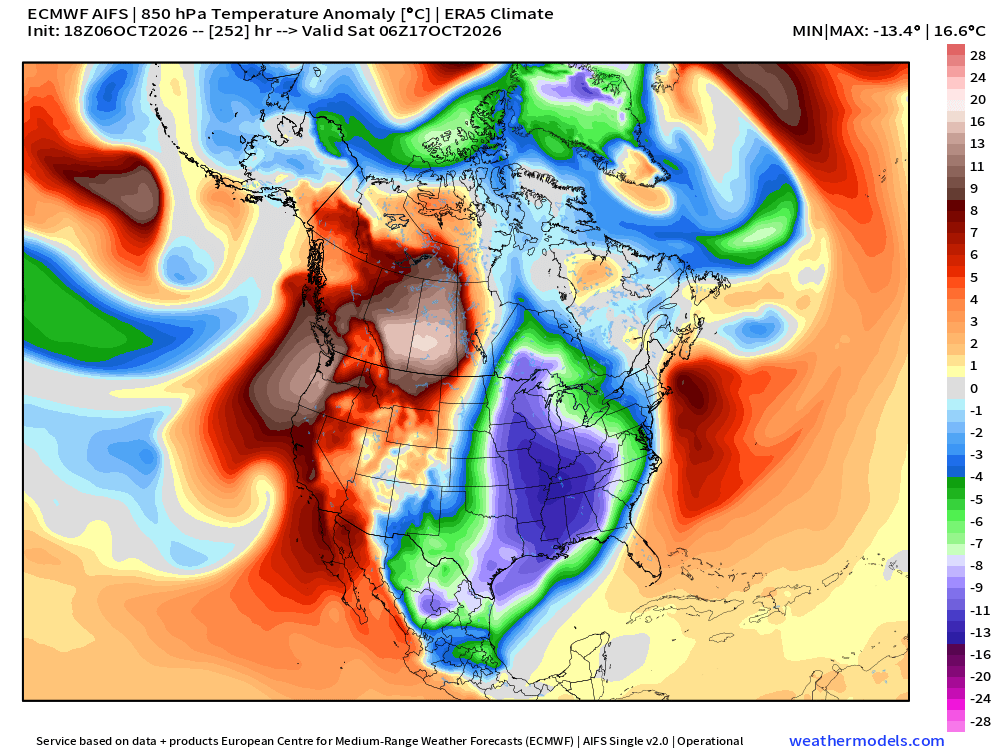
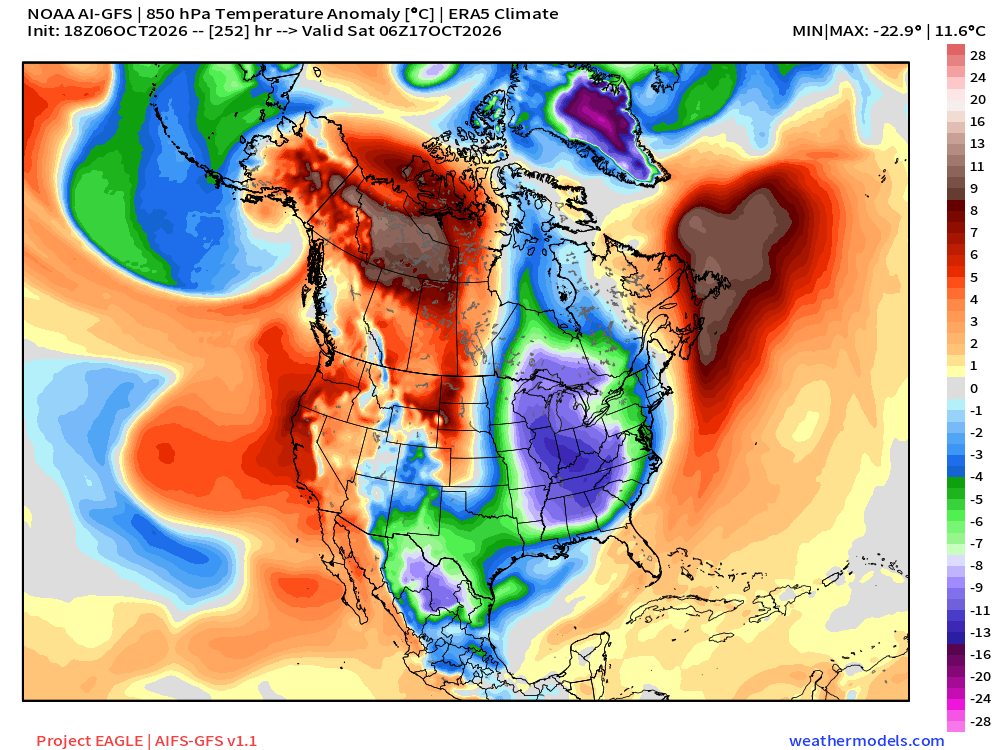
Flagship AI models showing an "Arctic Blast" in the longer range forecasts ~10 days from now.
Keeping a close eye on the Arctic as it could stretch and destabilize causing a massive dump of unseasonably cold air already in mid-October.
Downscaled-AIFS low temperatures Sunday October 18 -- way too close to freezing for me in Atlanta.
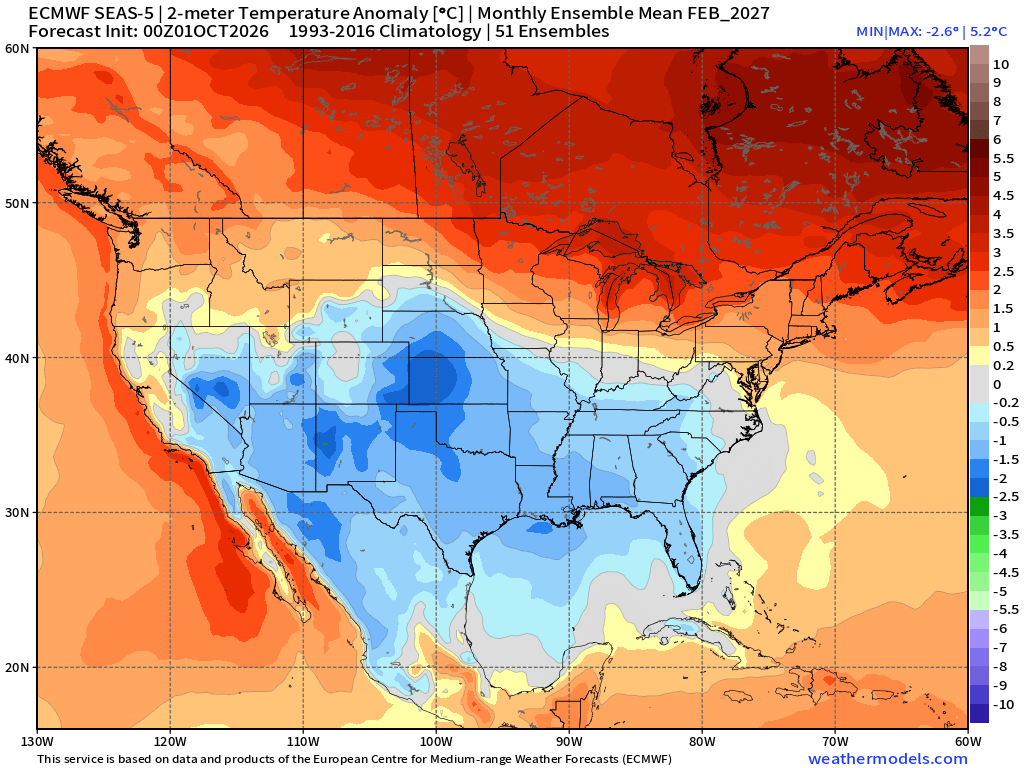
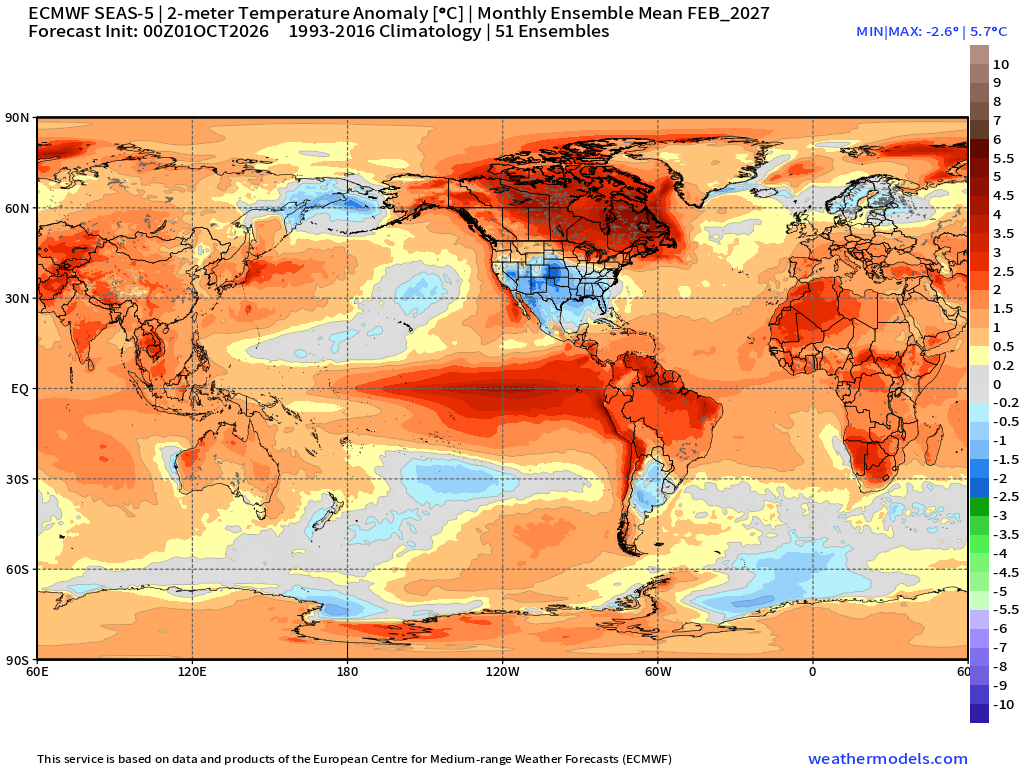
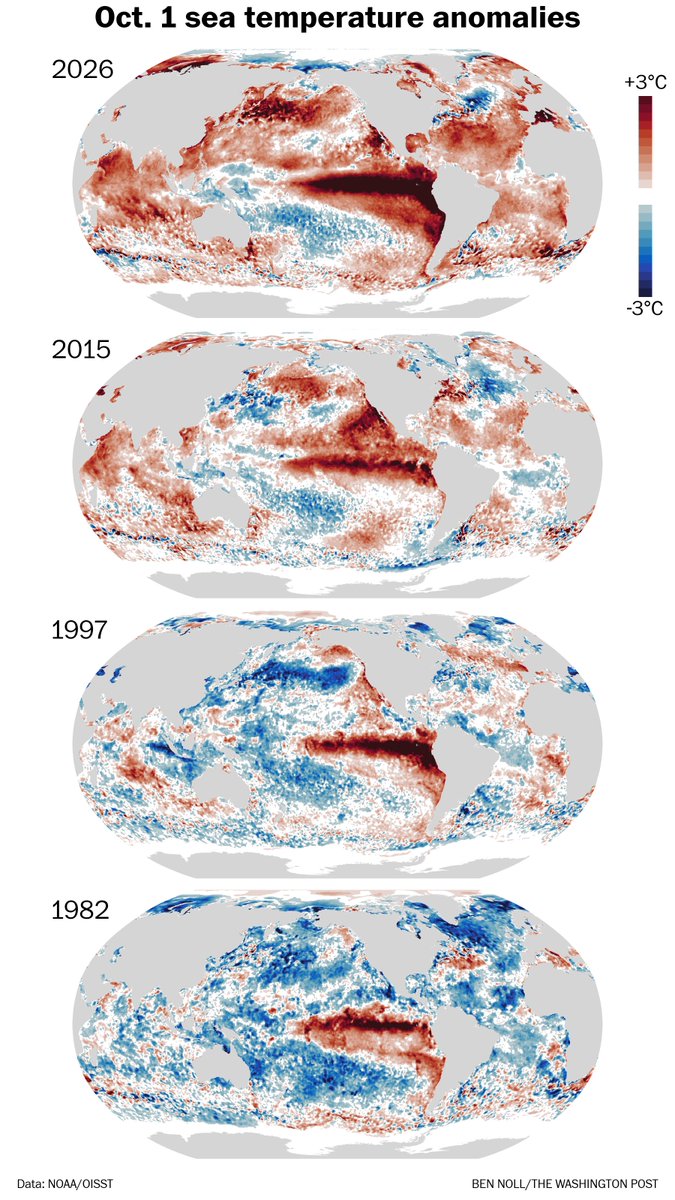
BREAKING: New maps show Earth almost entirely in the red 🔴
El Niño continues at "maximum power" into the winter with planetary heating dialed up everywhere EXCEPT the United States.
Colder than normal in February --> massive "snow dumps" and sloppy ice storms. Wow!
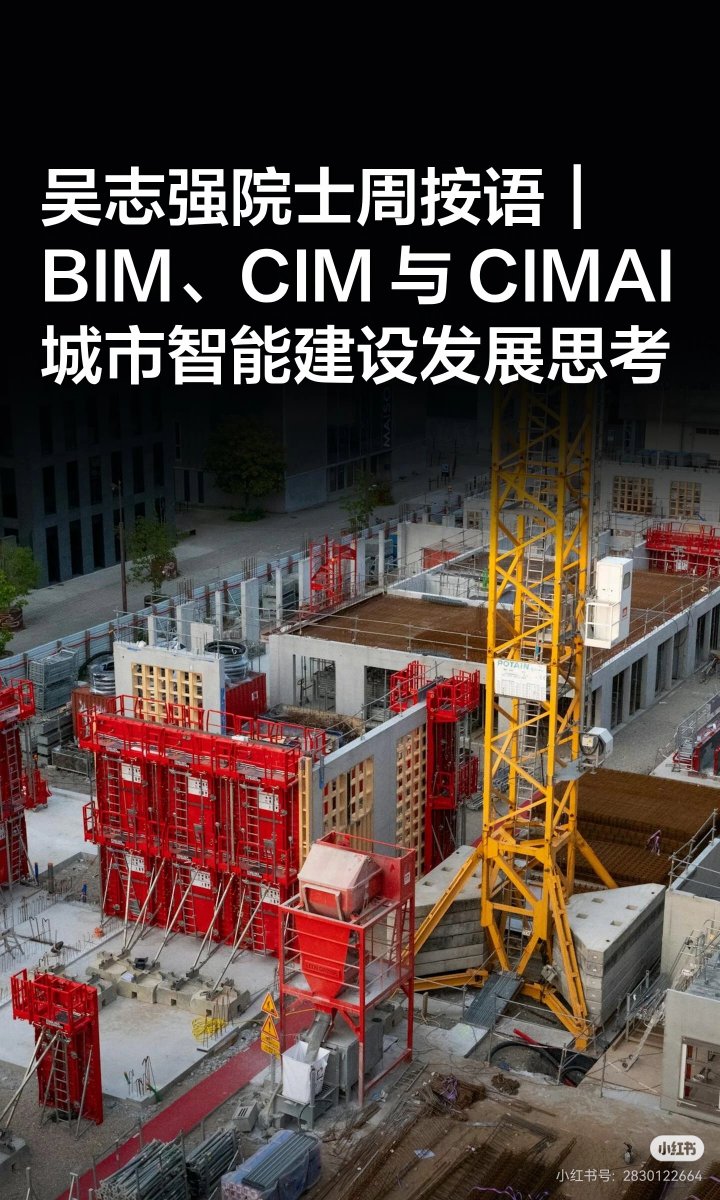
Decades of BIM‑CIM practice have generated huge urban digital assets — but data and platforms ≠ real urban intelligence.
Three major divides: data‑intelligence gap, siloed project models, disconnect between digital tools and real‑world governance outcomes.
Shanghai can lead the shift from BIM application highland toward a CIMAI innovation hub.
Three pathways: train domain‑specific intelligent models; embed BIM across full urban lifecycle; close the loop between real‑world challenges and algorithm iteration.
BIM → building‑level digital life
CIM → interconnected digital city organism
CIMAI → endogenous self‑evolving urban intelligence
#SmartCity #BIM #CIMAI #UrbanDigitalTwin #UrbanPlanning
BREAKING: New maps show Earth almost entirely in the red 🔴
El Niño continues at "maximum power" into the winter with planetary heating dialed up everywhere EXCEPT the United States.
Colder than normal in February --> massive "snow dumps" and sloppy ice storms. Wow!
China’s wind turbines alone generated more electricity in 2025 than all of Japan.
640 GW of installed wind capacity is 4 times the US’s and 8 times Germany’s.
This is not a target. It’s already built.
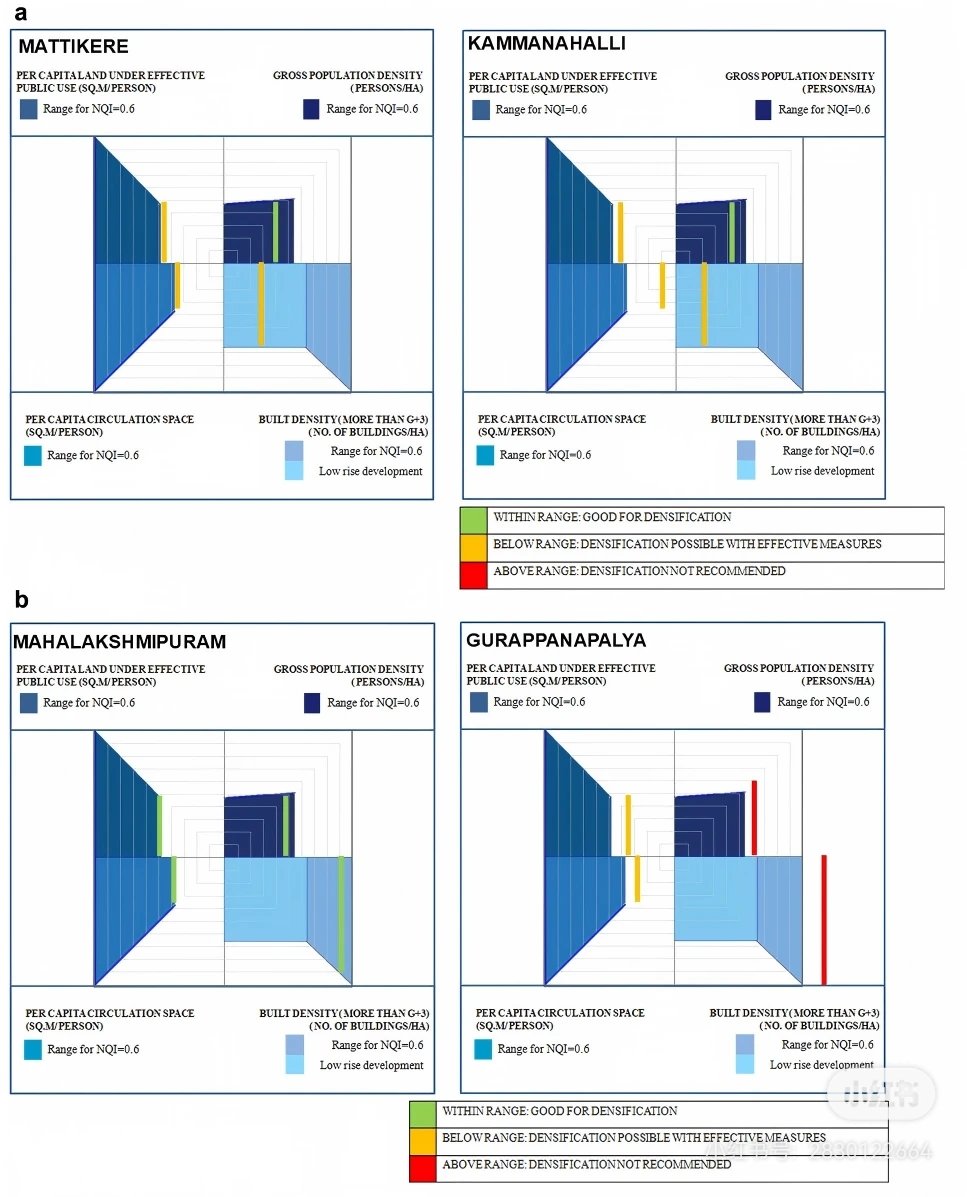
Many cities pursue densification to accommodate population growth.
But what happens when density outruns local public space and infrastructure?
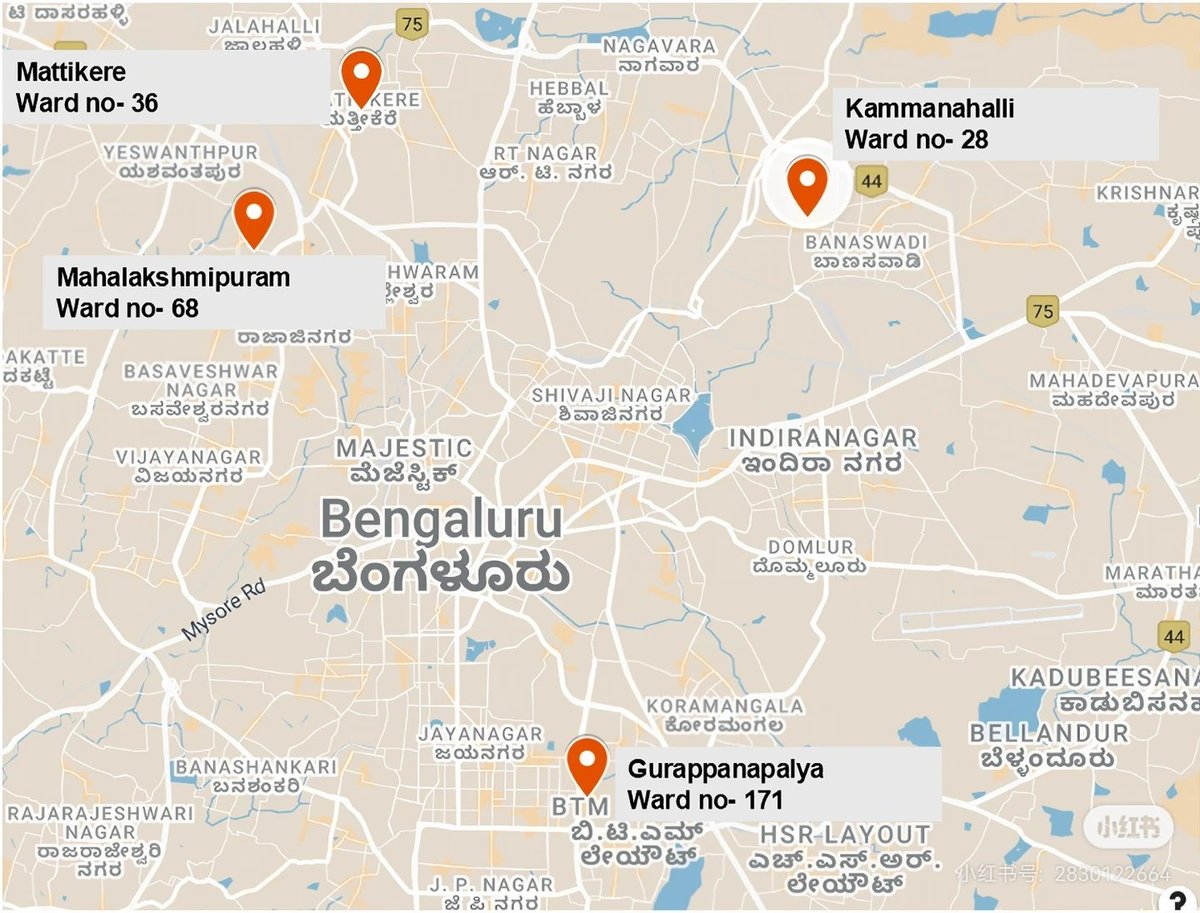
New thread drawing on a Bengaluru case study & the TAG Model published in @GUIHUAjournal.
One single population‑density metric is not enough to judge whether a community can absorb more development.
#Densification #UrbanResearch #CompactCity #BuiltEnvironment #SpatialPlanning #Infrastructure #UrbanResearch
The world is changing at an accelerating pace, with new technologies and constant emerging challenges. Yet the world does not operate in chaos. Amid turbulence, we must identify long‑term, enduring rules.
The key capability is not to predict random incidents, but to spot certain directions within uncertainty.
Twelve branches of engineering technology ultimately converge on cities:
▪️Urban electrical & electronic engineering
▪️Mechanical & manufacturing engineering
▪️Biological & life engineering
▪️Resource & energy engineering
▪️Urban‑agriculture & blue‑green infrastructure
▪️Civil & architectural engineering
▪️Urban environment & ecology
▪️Materials & nanotechnology
▪️Smart city & intelligence
▪️Water & resource engineering
▪️Transportation engineering
▪️Inter‑city integration engineering
Each follows its own path, yet shares one destination: serving human life in cities.
The elevator offers a powerful metaphor. Born as mechanical‑electrical tech, it reshaped building heights, land‑use patterns, urban density and spatial forms after entering cities.
A technology’s value goes far beyond its technical attributes — it becomes a driving force for urban evolution. Many emerging technologies today are going through exactly this journey: originating in specialized domains before maturing and reshaping our cities.
#UrbanPlanning #EngineeringForCities #UrbanFuture #SmartCity #SpatialGovernance
Small‑town renewable transition goes far beyond tech substitution⚡
A study of Algona (Iowa, US) applies scenario‑planning with local stakeholders. Rural residents favour small‑scale flexible energy schemes rather than big centralized facilities. Participatory scenario planning offers adaptive paths amid shrinking population & fiscal constraints. #ScenarioPlanning #RuralEnergy #EnergyTransition
The best foliage in the world right now is in VT and NH. This is the current state of affairs in Vermont’s Northeast Kingdom.” Taken today, October 3rd.