2025: The Year We Built Verifiable AI
2025 wasn’t about better prompts.
It was about a hard realization:
If AI is going to touch money, identity, or decisions, “trust me” isn’t enough.
This year, we pushed the industry from brand reputation (vibes) to cryptographic proof (math).
And we did it by shipping.
What Shipped in 2025
Before the philosophy, the proof.
• Gaia Network Launch & TGE — verifiable AI moved from theory to a live coordination layer
• 700,000+ Nodes Online — processing 29+ trillion inference throughputs across the network
• Gaia AI Phone Launch — agents running at the edge, not just inside data centers
• Ecosystem Expansion — deeper integrations across compute, storage, wallets, and dev tooling
• Keynote at Korea Blockchain Week — taking verifiable intelligence to a global builder audience
• Production Usage — real agents, real traffic, real economic constraints
No demos. No vibes. Systems under load.
The Problem We Tackled
Most AI conversations are still surface-level.
But underneath, the same unresolved risk persisted:
The Data Center Adversary problem.
If you don’t control the compute, you don’t control the agent.
Where did it run?
Who could observe it?
What code executed?
Can you prove the output?
Without receipts, AI isn’t intelligence — it’s theater.
What We Built: The Architecture of Trust
While much of the industry debated policy and benchmarks, we built infrastructure.
In 2025, we formalized the Gaia Network to break the black-box model of AI execution and make verifiable agents the default, not an afterthought.
The Service Layer
Clients and domains are separated so data, policies, and routing remain sovereign — not buried inside opaque APIs.
The Computation Layer
Execution is paired with verification. Requests aren’t just processed; they’re provably executed, with attestations instead of assumptions.
The Runtime
Secure, sandboxed environments make agents portable, deterministic, and inspectable across nodes — not dependent on a single vendor stack.
The result wasn’t a platform feature.
It was a closed loop of accountability.
We moved from “Trust the Company” to “Trust the Protocol.”
Looking Ahead to 2026
2024 asked: What can AI do?
2025 asked: Can we rely on it?
The next generation of AI won’t win by being louder.
It will win by being verifiable.
We answered the trust question this year.
Now we scale it.
Proof > Promises.
ICYMI: we dropped AgentKit in beta
A sovereign media agent that:
- Owns its own Substack
- Owns its own email
- Owns its own wallet
- Runs with verifiable execution
Here’s a look at some of the sovereign agents deployed so far 🫳
This aligns perfectly with our vision — verifiable AI isn't just a buzzword, it's the foundation for trustless autonomous agents.
Excited to see more projects pushing verifiable systems forward!
#VerifiableAI#DeAI#AgenticAI#Gaianet
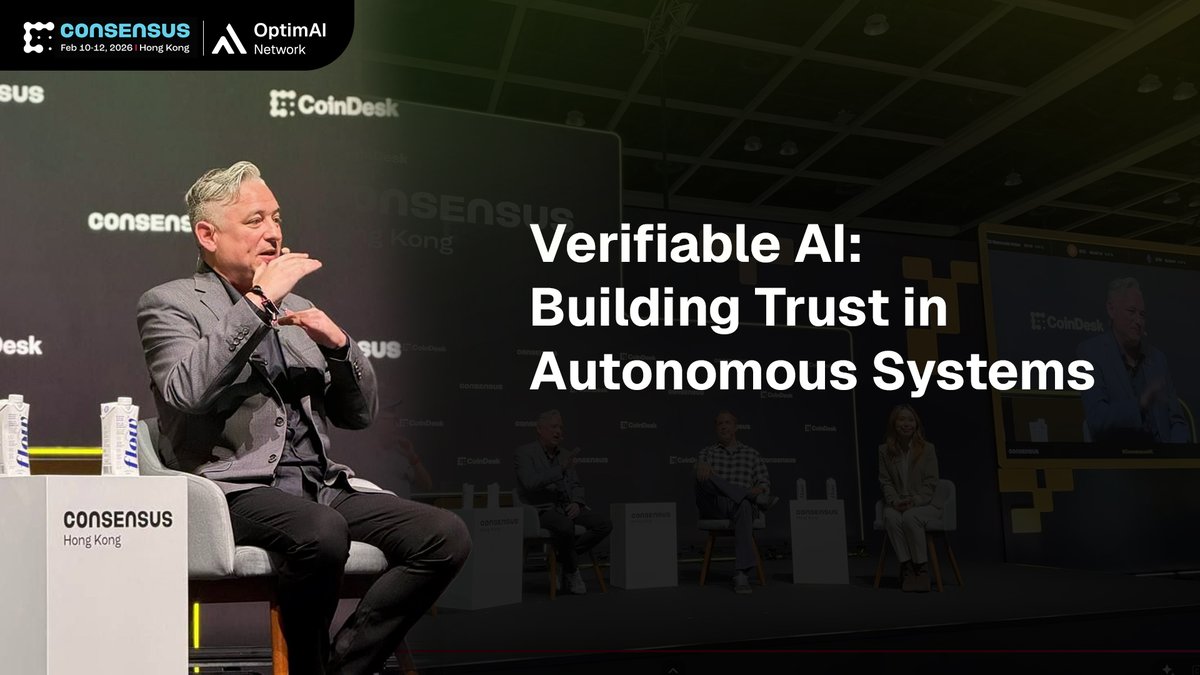
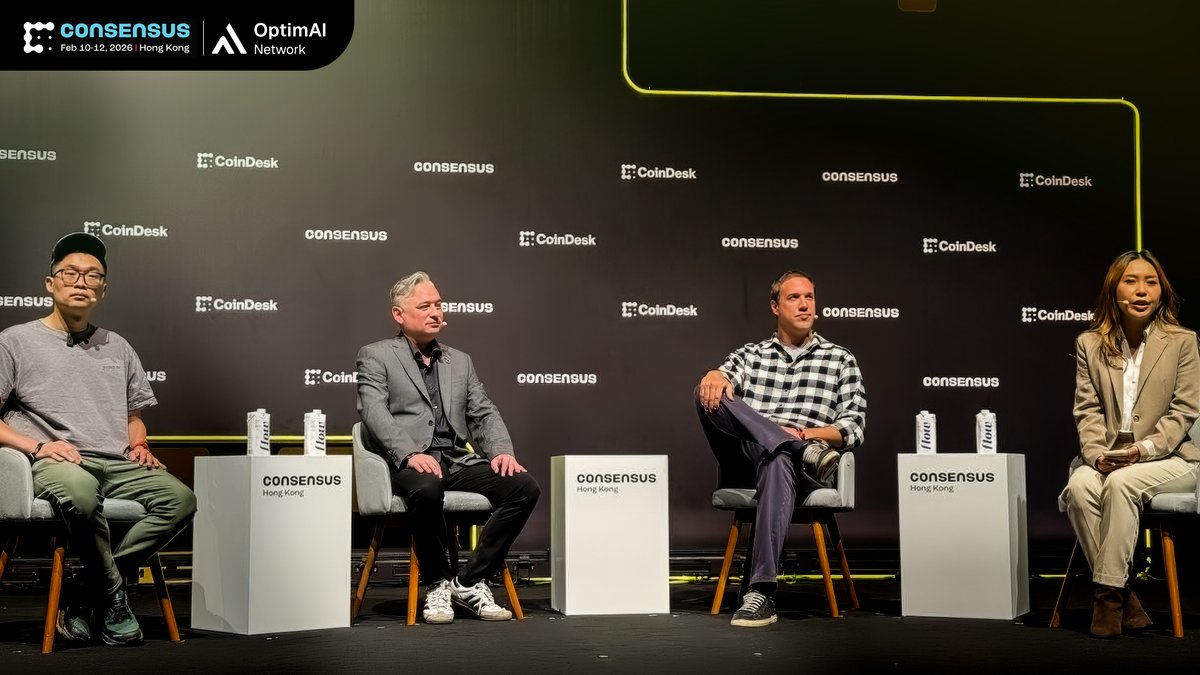
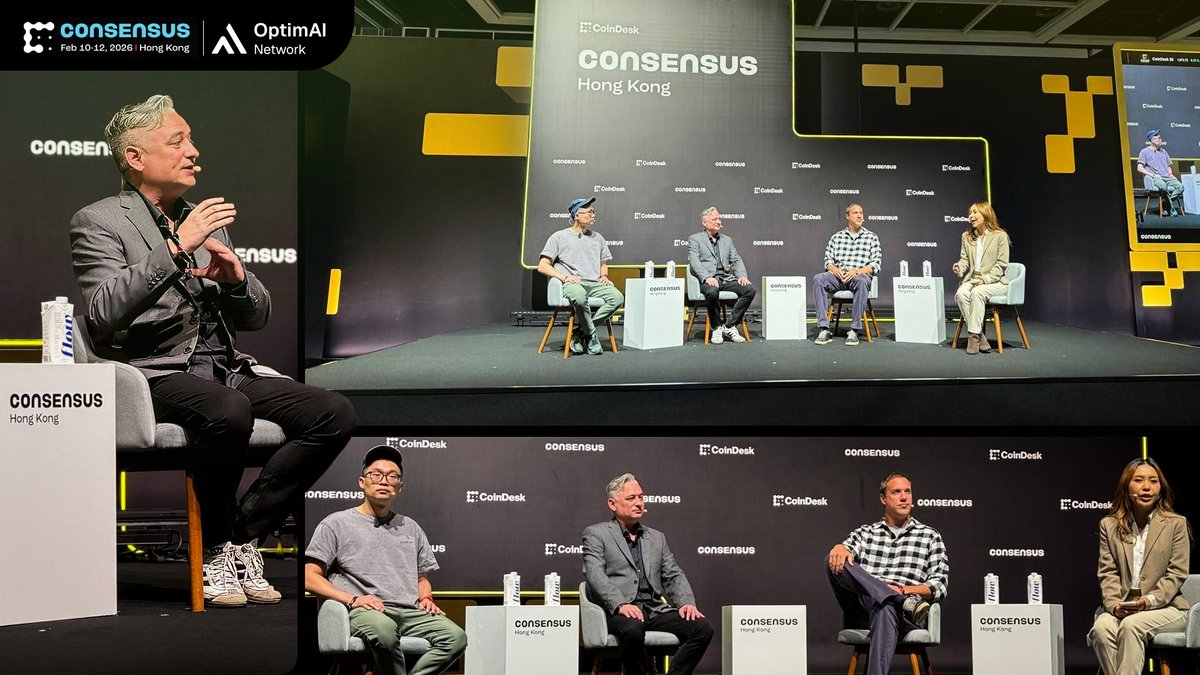
Great session at @consensus_hk today! 🔥
Talking verifiable AI, trust in autonomous systems, transparent data provenance & scaling trusted Agentic AI with incredible folks from @PundiAI, @lagrangedev, and moderated by Grace Li from Google.
Build on Bittensor: Jakarta Workshop Recap 🎥 🇮🇩
A full day of DeAI exploration and prepping for our @opentensor Subnet Ideathon — with Nick from Affine (Subnet 120) leading our subnet design workshop.
Huge thanks to @ethjkt@HackQuest_ID@verestraa for powering the event!
AI shouldn’t force you to choose: privacy or power.
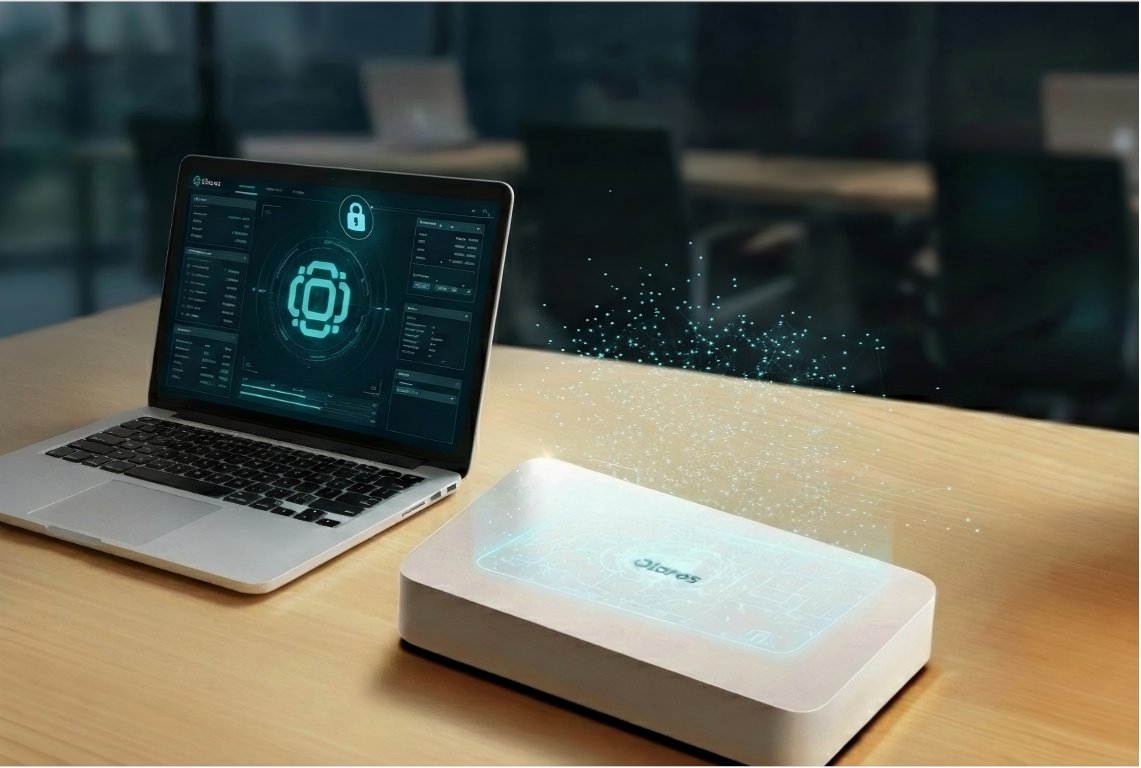
@Gaianet_AI + @Olares_OS — verifiable sovereignty: private by default, scalable when needed.
Three key advantages:
1⃣One-click Gaia node
Gaia nodes go native in Olares OS. Deploy from the Market—no setup pain. Stake idle compute instantly. Earn while you sleep.
2⃣Super Node hardware
Olares One crushes 70B+ models with stable latency. High-quality node = premium tasks, maximum rewards.
Verifiable compute meets verifiable hardware.
3⃣Hybrid inference routing
Personal data → fully local on Olares One (zero leak).
Public / heavy queries → routed to Gaia network with on-chain proofs.
Privacy absolute. Power unlimited. Every step verifiable.
Hardware ships. Protocol lives.
#DeAI #Gaianet #Olares #SovereignAI #VerifiableAI
The largest consumer of our future internet will be these degens... Machines, crawling through data, acting on intents and models, perhaps controlled or custodied by humans or agents.
The billion agent economy is getting legs!
What’s behind the #OpenClaw hype? A local AI agent exploding to 180k+ GitHub stars in weeks—running on your machine, integrating everywhere, and shipping at warp speed.
But let’s cut through the vibes: Is it verifiable? Or just another black-box assistant with hidden risks?
Here’s our take at @Gaianet_AI — Proof > Promises.
OpenClaw nails the basics: Open-source, local inference, no cloud lock-in. It empowers users with control over data and skills, breaking free from walled gardens. Kudos to @steipete and the community for that 1000x energy—19 days in, and it’s already a movement.
The real magic? Proactive agents that persist context 24/7, automate across WhatsApp/Slack, and even self-improve. It’s agentic AI in action: From business queries to health monitoring, it’s infrastructure for the agent economy.
But... what happens when an agent fails? Or leaks data? Local is great, but without on-chain proofs, trust is still “trust me, bro.”
Enter verifiable AI: At Gaia, we’re building decentralized agents with TEEs, zk-proofs, and staking/slashing. Your agent doesn’t just run locally—it verifies every action, every inference, on a distributed network.
No exposed keys. No blind faith. Just auditable outputs.
Compare: OpenClaw’s local power + Gaia’s verifiability = Unstoppable, trustless agents.
2026 isn’t about hype cycles—it’s about systems that scale with proofs. OpenClaw shows the demand for ownership; now let’s add the protocol layer for true decentralization.
Which breakthrough are you betting on? Local vibes or verifiable proofs?
Build with us: https://t.co/L9OEmJbyuk
#DeAI #Gaianet #OpenClaw
Looking ahead to 2026—which #DeAI breakthrough will actually move the needle from promises to proofs?
Not vibes. Not hype. Real verifiable systems under load.
Here are the contenders that matter:
🔘 Autonomous Agent Economies
🔘 Edge AI / Local Inference
🔘 Fully Private Knowledge Bases
🔘 DePIN-powered Compute
The real question isn’t “which one wins?”
It’s: which one delivers trust through verification, not trust through marketing?
Proof > Promises.
Which one are you building toward?
#DeAI #Gaianet
🚨 Live tomorrow 10am ET 🚨
Builder Thursdays w/ @sydneylai & @HarishKotra
Building an AI crypto assistant using Gaia + Zerion:
• AI wallet queries
• Live portfolio data
• Smart function calling
Join us 👇
https://t.co/r8GTU7yFxq
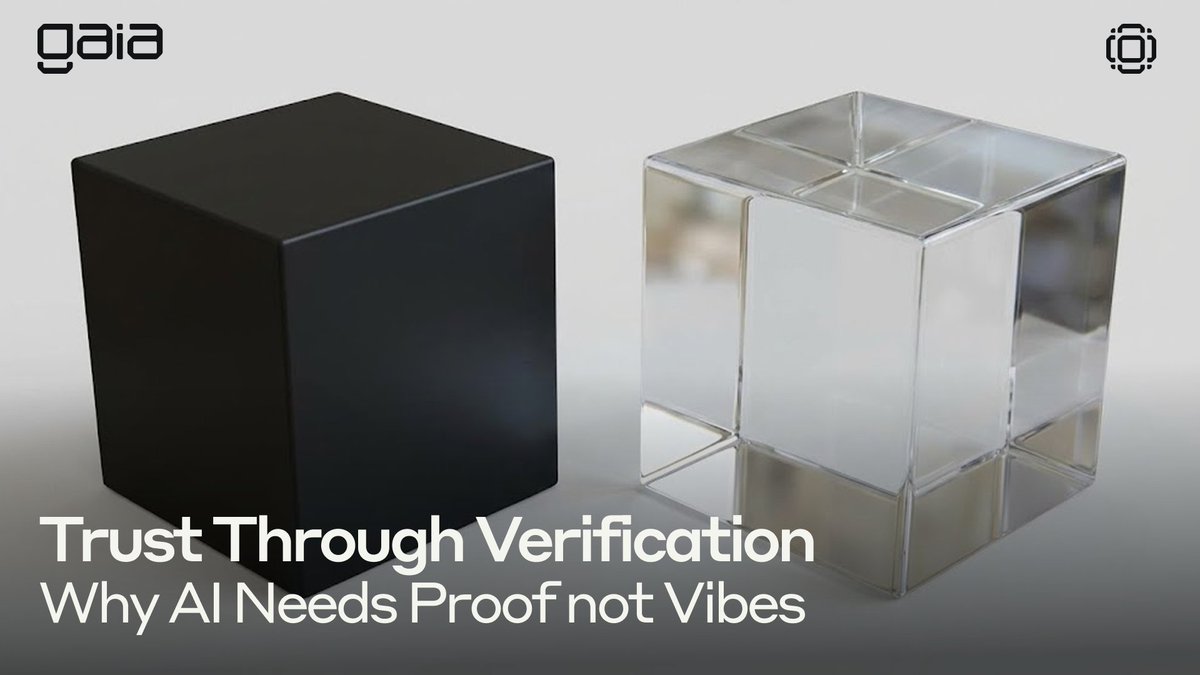
Trust Through Verification: Why AI Needs Proof, Not Vibes
“Human trust is emotional. Machine trust is statistical.”
— Julien Bouteloup
AI is entering an era where “trust me” is no longer enough.
Brand reputation worked in Web2 because humans forgive, forget, and follow narratives. Machines don’t. An AI agent handling money, sensitive data, or real decisions can’t rely on vibes or logos.
The Black Box Problem
Today, most AI runs as a black box API.
You send data in.
An answer comes out.
You’re told to trust the provider.
That isn’t trust — it’s outsourcing risk.
As agents move from chatting to doing, this model breaks. Execution requires guarantees:
Where did this run?
What code executed?
Who could observe it?
What happens if it fails?
If you can’t answer those questions, you don’t have trust — you have hope.
From “Trust Me, Bro” → Trust the Proof
AI trust must shift from brand reputation to cryptographic evidence.
Real trust starts below the model:
Hardware (TEEs): Ensuring the physical integrity of the compute
Verifiable Execution: Proving the code wasn’t tampered with
Economic Guarantees: Incentives aligned against malicious behavior
Not press releases.
Not dashboards.
Not promises.
Verified inference means every output comes with receipts.
No black boxes. No blind faith.
The Foundation of Open Agent Economies
This is the prerequisite for an economy where agents can execute and transact autonomously — without becoming surveillance tools or extractive platforms.
Trust through verification isn’t a feature.
It’s the new standard for AI that actually works in the real world.
Stay tuned, we’ll be unpacking this shift all week.
What happens when an agent fails?
In Web2, you file a support ticket and wait. In Web3, the agent gets slashed.
That’s the power of on-chain Service Level Agreements.
Here’s how the economics of reliable AI will work 👇
We’re building the Marketplace for Verifiable Intelligence — where agents earn based on what they can prove, not what they claim.
Reliability becomes a reward. Failure has consequences. And the network strengthens with every verified action.
What happens when an agent fails?
In Web2, you file a support ticket and wait. In Web3, the agent gets slashed.
That’s the power of on-chain Service Level Agreements.
Here’s how the economics of reliable AI will work 👇
DIN calls this “Watcher Networks” enforcing performance. At Gaia, this is where Domains are evolving:
A Gaia Domain isn’t just routing — it’s:
• a reputation layer
• a policy engine
• verifiable agent behavior
• economic weight