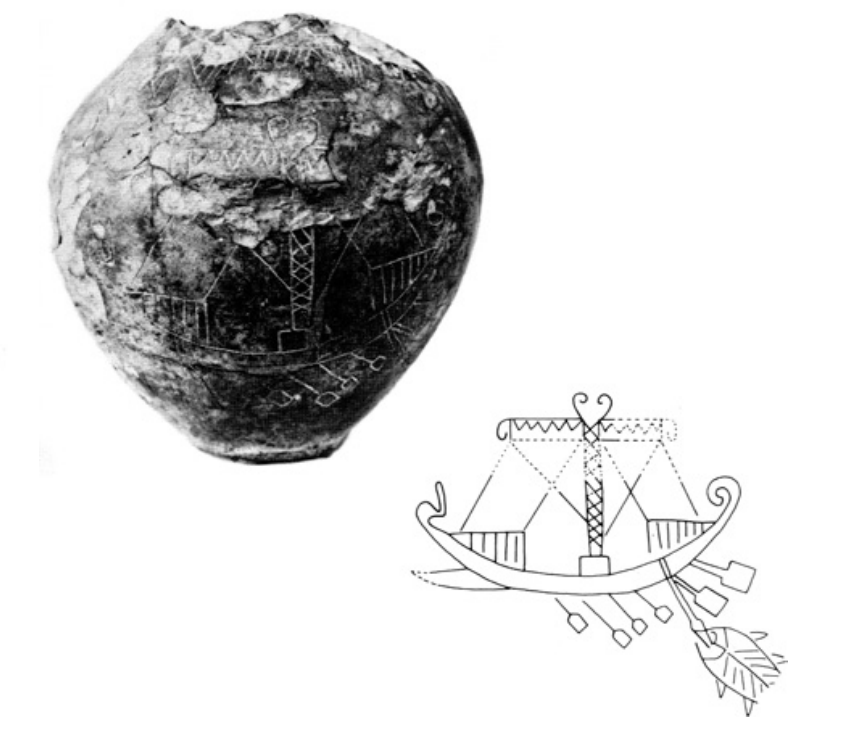
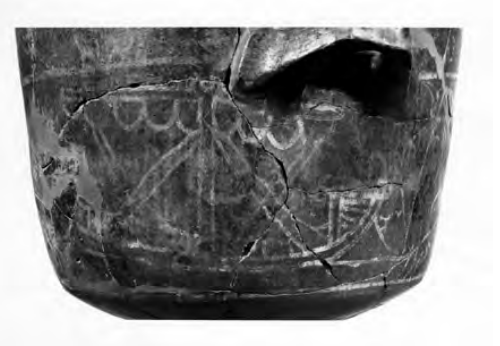
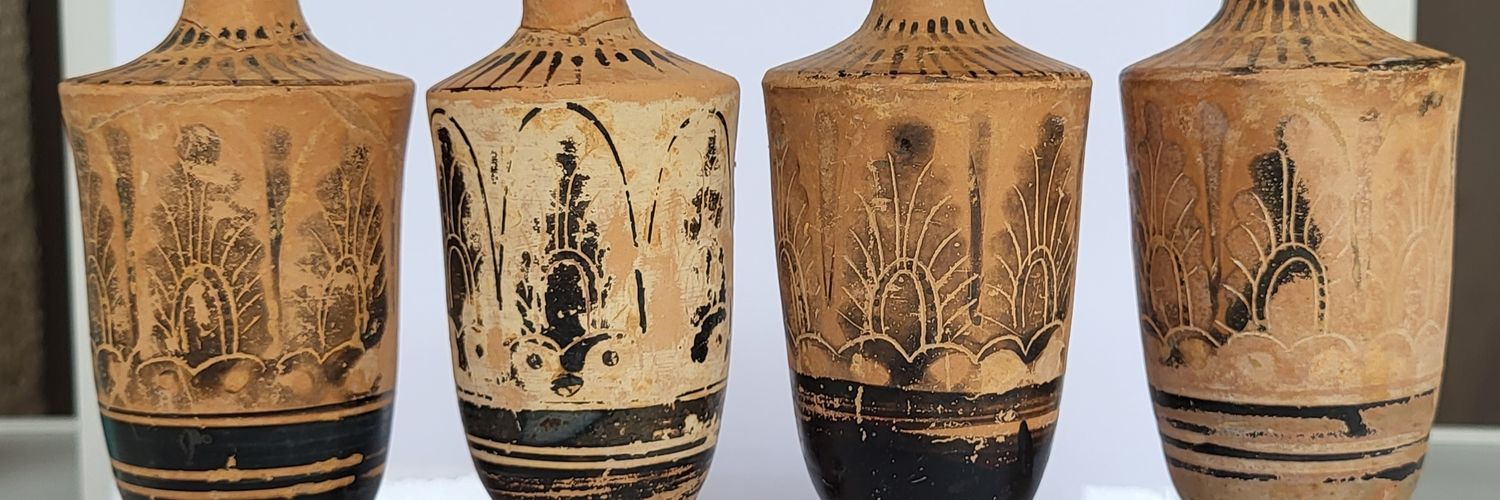
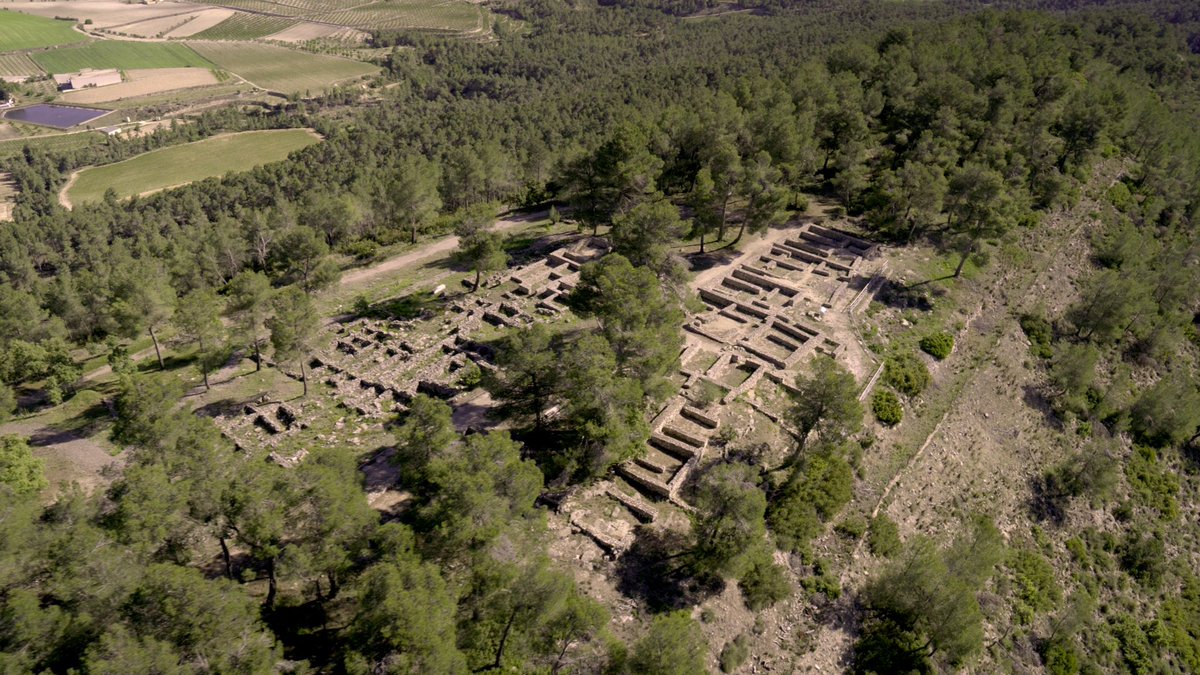
Hoy ha salido el número 36 de la revista APL, un número cargado de novedades para la protohistoria peninsular. Con contribuciones de primera orden de Pedro Miguel Naranjo, @joanferrerijane, Iván Amorós y un servidor. Epigrafía ibérica, áticas y más 🏺📜
https://t.co/MQ2rHdtSaA
Héraclès, héros civilisateur, largement adopté par les Étrusques.
- Ve s. av. J.-C., importation athénienne ;
- IVe, production locale.
(Antikenmuseum, Bâle)
Detail of a Late Archaic kylix (drinking cup), about 510-500 BC. Period: Archaic Greek: 'An octopus hiding from a fisherman.'
According to Aristotle, an octopus would gather crustaceans, eat their meat, and throw the shells and small fish remains outside its den. For a fisherman, these scraps were telltale signs that gave away the creature's underwater hiding spot. That's why hunting an octopus was different from catching a fish swimming out in the open. It wasn't enough to just spot the prey. You had to know exactly which crevice along the rocky shore was occupied, which hole had shells piling up in front of it, and exactly where to wait.
Also, there isn't just a single catch in the scene. The fish on the line is one catch, and the octopus is another.
The kylix was used in Ancient Greek symposia. A symposium was a gathering where men reclined to drink wine, talk, and have fun. The tondo inside the kylix - its circular central area - would slowly appear as the wine was drunk. The scene would fully emerge as the drinker emptied the cup. There isn't a grand mythological event here. No heroes, battles, gods, or ceremonies. Instead, the painter chose an everyday task: a young figure fishing / hunting for an octopus.
Feliç #DiaDelsArxius 📁 🎉
Ens sumem a esta data tan especial mostrar-vos una de les moltes joies del nostre #ArxiuSIP: el diari d'excavació de la campanya de 1931 en la #BastidaDeLesAlcusses ⛏ 📓
Sí, està obert per la pàgina del dia de la troballa del #GuerrerDeMoixent 😉
The Basque language seems to ahve preserved a few Old Indo-European words that do not survive in other nearby Indo-European languages and may represent Bell Beaker vocabulary that entered the language group during the Copper Age, the same time they also picked up a predominate Bell Beaker derived Y hapologroup.
One of these is "urki" from Proto-Basque *burki ("birch tree")
This is likely from Indo-European *bergos ("birch tree").
🏺🌳 Per al hashtag #MuseosPorElPlanetaMW hui parlem de la importància d'integrar la preservació dels paisatges i el medi ambient en la valorització del patrimoni arqueològic
I ho fem a través d'un dels nostres jaciments més emblemàtics: La #BastidaDeLesAlcusses 🏇🗡️
(1/5)👇
#ICAC_RRHH
🔊 Open call for a postdoctoral researcher in the field of paleoenvironmental studies.
Work on the HUM-DYNLANDS project, which aims to reconstruct Holocene cultural landscapes in Spain and Italy.
📍ICAC
📅 Deadline: 12 june 2026
➕ℹ️: https://t.co/qbCeZbUARL
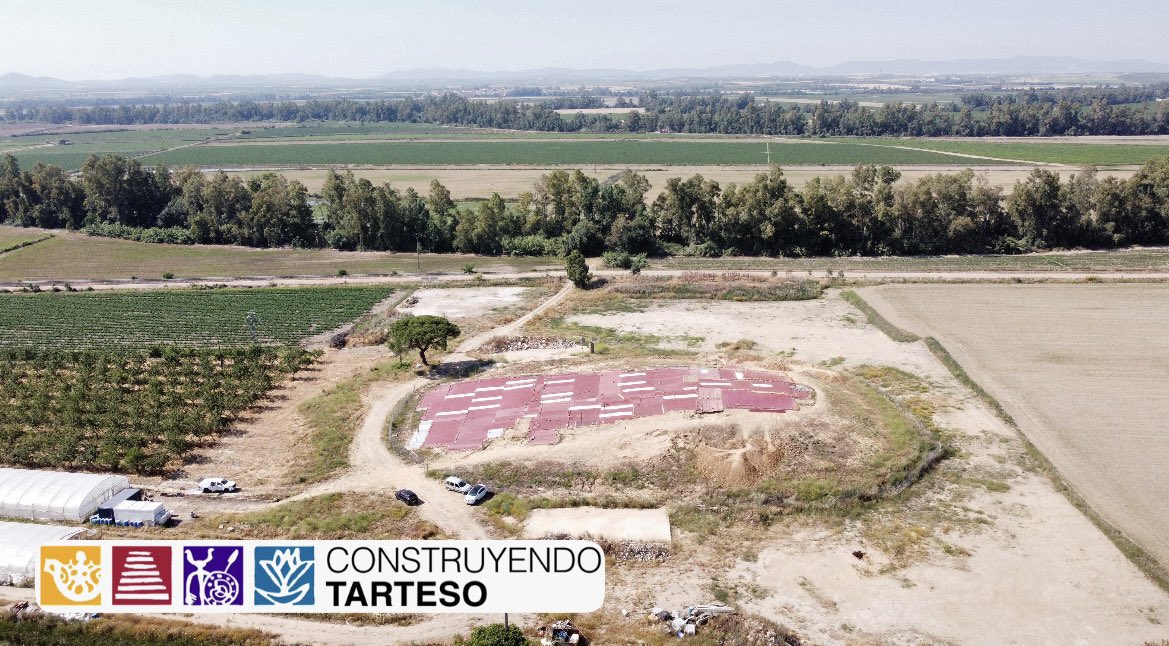
Hoy concluimos la VIII Campaña de Excavaciones en el yacimiento de Casas del Turuñuelo 🧱 (hasta próximo aviso)
Muy prontito os pondremos al tanto de los resultados 😎
📖 Ahir va ser tot un gust tornar a tindre la nostra #BibliotecaOberta amb la presentació del núm. 133 del #TrabajosVarios del #SIP!
Gràcies a Consuelo Mata i Lucía Soria, i a tots els assistents 🙏
El podeu consultar i descarregar gratuïtament ací 👉 https://t.co/e2AgSbPEoa
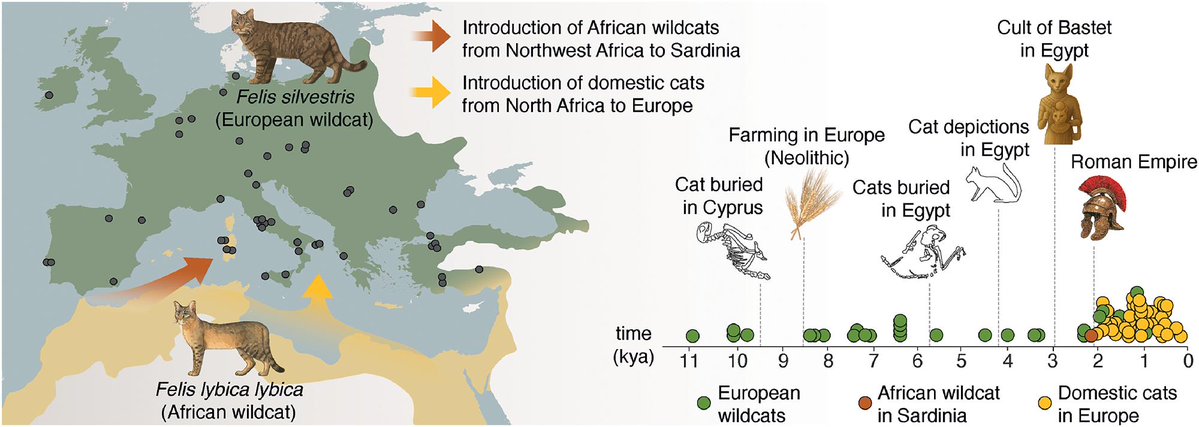
The domestic cat may be a far more recent arrival to Europe than previously thought, arriving roughly 2000 years ago and not because of the Paleolithic expansion of Near East farmers.
The findings in Science offer new insight into one of humanity’s most enigmatic animal companions and identify North Africa as the cradle of the modern housecat.
Learn more during #NationalPetMonth: https://t.co/zTVQPbzQAl
Un estudi de la UV demostra que s’utilitzaven molins, matxacadors i paletes per a produir colorants en la Cova del Parpalló de Gandia
🔗ℹ️ https://t.co/RT3Q3SGl0E
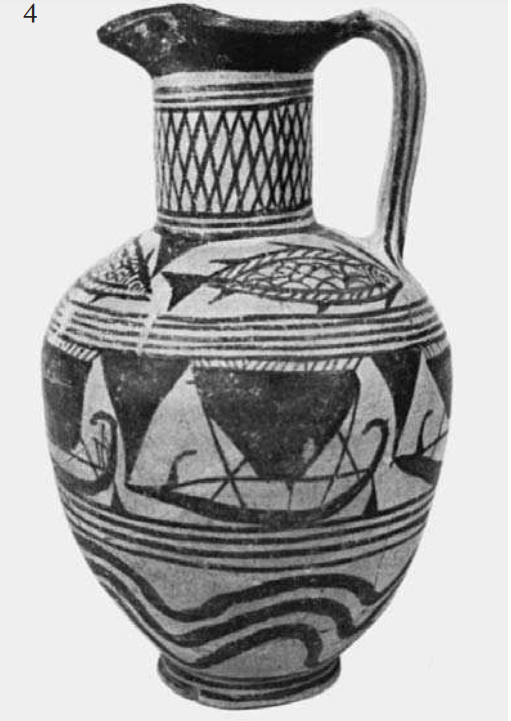
Some early Etruscan depictions of ships dating to the 7th century BC:
A) A local pyxis, tomb n.1, San Paolo mound, Caere, c. 675-625 BC;
B) Another local pyxis, same location, c. 676-625 BC;
C) An urn from Veii, c. 700-650 BC;
D) On an oinochoe from Tarquinia, 700-675 BC.
👮♀️📜 La Policia de la Generalitat ha localitzat un llibre manuscrit del segle XVII del Col·legi de l’Art Major de la Seda de València
🔎 Desaparegut fa més d’un segle
📝 Còpia de les ordenances del Gremi de Velluters (1479), signades per Ferran el Catòlic
💻💶 El document havia sigut posat a la venda en internet
📚 Ara s’incorpora al Cens de Patrimoni Documental Valencià
🛡️ amb les mesures de protecció corresponents
🎭 @GVAcultura
🔗 https://t.co/3mLmnIkXM6
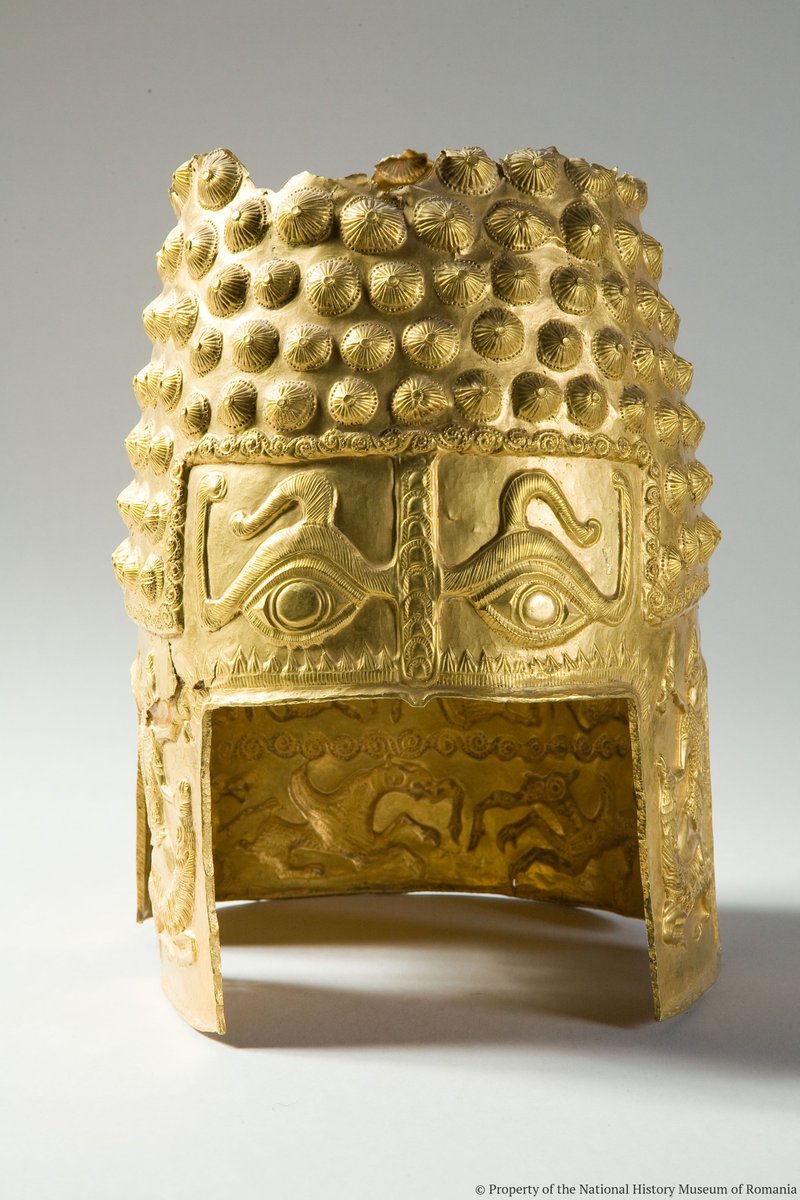
Breaking good news: The Gold Helmet of Coțofenești — a key historical artifact for the people of #Romania, stolen in 2025 from the Drents Museum — has just been recovered in the #Netherlands, together with two of its three Dacian Gold Bracelets.
The helmet and the bracelets had been featured since September 2025 in the @UNESCO Virtual Museum of Stolen Cultural Objects to raise awareness about the illicit trafficking of cultural property. With its return to the people of Romania, the Virtual Museum is losing its first objects and hoping more will follow soon. The search for the third bracelet is still ongoing.
#UNESCO Virtual Museum of Stolen Objects was created as the only global museum in the world whose ambition is to be empty. We hope one day its collections will be returned to their rightful owners.
Today marks a meaningful first step toward that vision.
For more information: https://t.co/Tzd9yvPX3E