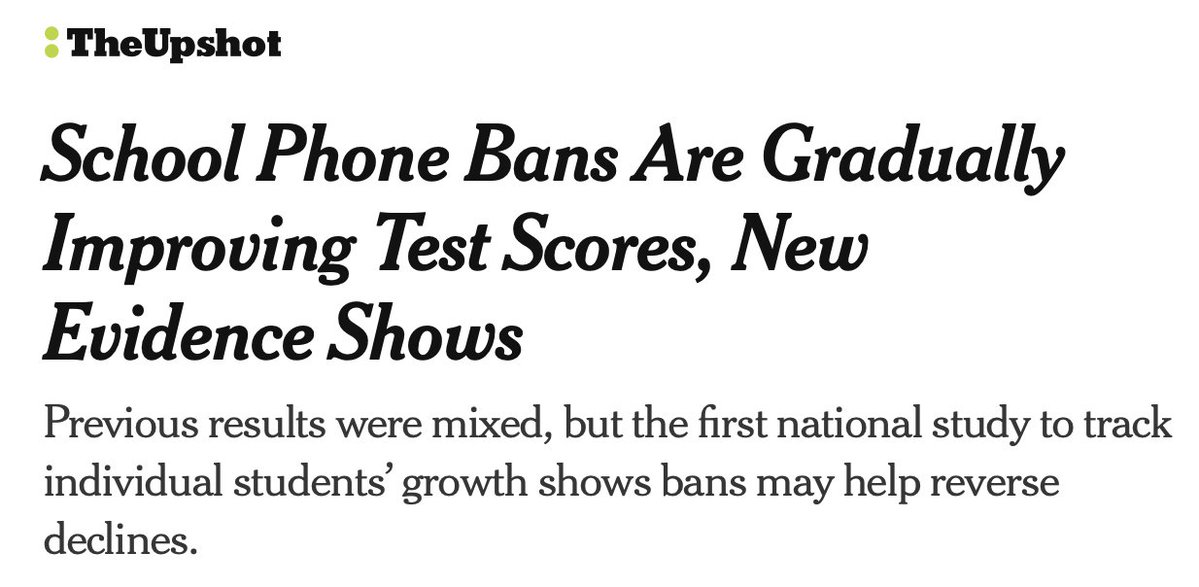
The point of cellphone bans isn’t simply to raise test scores. It’s to bring students back to each other, back to their teachers, and back to the business of learning.
Achievement gains are welcome. Rebuilding school culture is the bigger prize.
I still remember Charles Hoskinson's original Cardano whiteboard video. The ambition was never simply to build another cryptocurrency. It was to rethink how financial and social systems could work.
Almost a decade later, here's a real example of that vision becoming reality.
The Forensic Management System (FMS) is using Cardano to help institutions create verifiable records in their day-to-day operations, strengthening accountability and trust in processes that affect thousands of people.
And unlike speculative activity, this kind of adoption doesn't depend on whether we're in a bull or bear market. The work continues because the need is real.
This is what meaningful blockchain adoption looks like.
Not just transactions. Real-world impact.
And this is exactly why I believe Cardano's best days are still ahead of us.
Introducing Diffusion-UI.
Interactive software where every pixel is generated by a real-time model. Today, we're sharing a new research application that lets generated interfaces use structured data, maintain states and generate controls.
Here’s an early look:
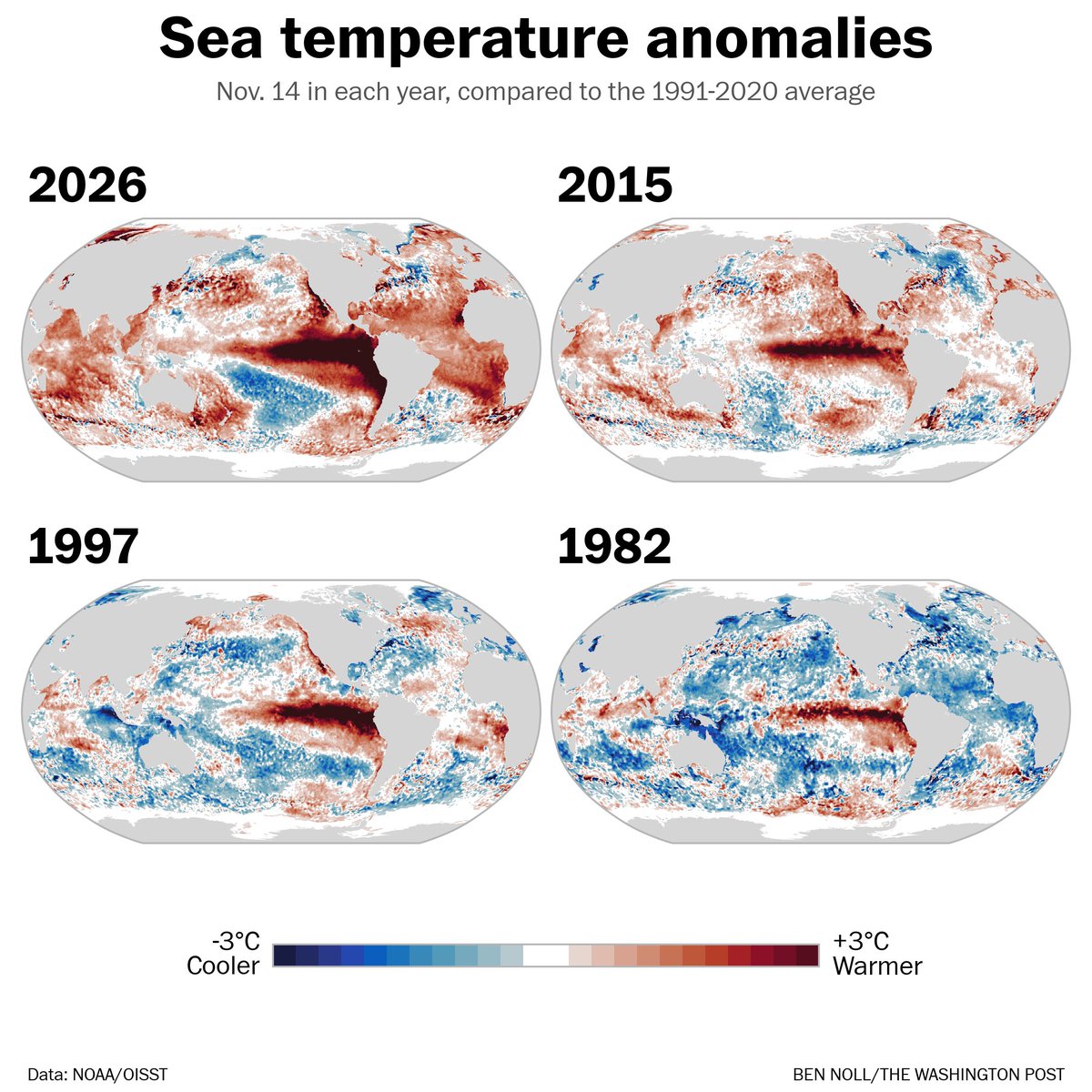
This El Niño is coming with much more ocean heat than the biggest events that came before it.
There's a much broader area of extreme warmth near South America as well as warmer waters near California and in the Gulf — factors that could add to extreme winter weather.
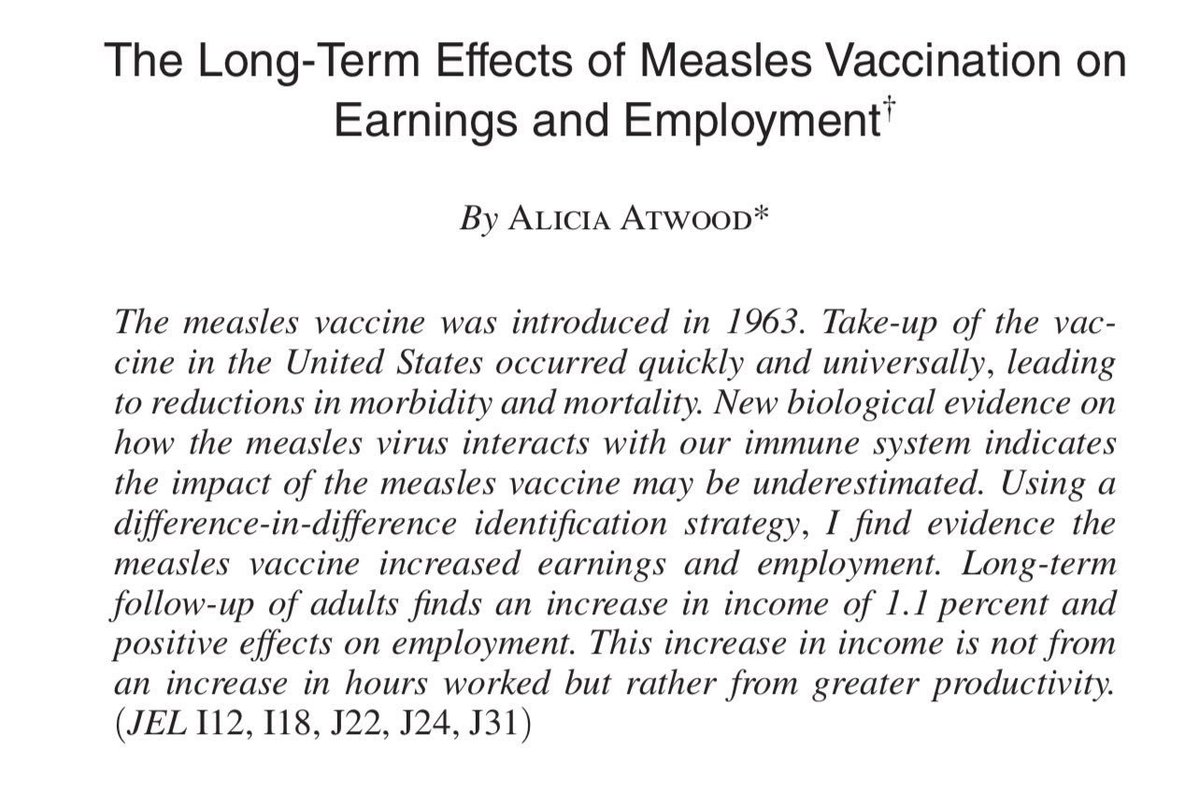
Most people don’t realize how much sickness we all lived with before modern medicine. The measles vaccination alone is responsible for half a percent of all US income this year, $80 billion. That is just from the reduced disease burden, it doesn’t include reduced medical costs
The largest rail yard in the world, in Nebraska, sorts its freight cars with gravity.
Union Pacific's Bailey Yard in North Platte covers 2,850 acres and more than 300 miles of track. It handles about 10,000 cars a day.
More than 3,500 of them are sorted into new trains. A train is pushed slowly up a man-made hill, 34 feet high on the eastbound side. Workers uncouple the cars at the crest, and each car rolls down on its own into one of 114 tracks, about four cars a minute.
Sensors along the track check each car's speed so it meets the car ahead without damage.
Each of those tracks becomes a train for a different destination, from the East, West and Gulf coasts to the Canadian and Mexican borders.
Shining bright across the solar system!
On Nov. 18, the Voyager 1 spacecraft will pass an extraordinary milestone, a distance reached by no other human-made object: one light-day away from Earth. And we're celebrating with a special message for the spacecraft!
Thrilled to announce $5B in funding for @IsomorphicLabs to accelerate our mission to Solve All Disease. We continue to make rapid progress reimagining drug design from first principles with AI to radically cut the time & cost to find new medicines. Gradually, then all at once...
In my ongoing quest to find the limits of Opus 5.5, I directed it to audit my old scientific field, theoretical astrophysics. We indexed about 150,000 papers, audited 50,000 for issues, and did progressively more thorough checks on thousands more. We found nearly 1000 major errors that got cited many times, most are still uncorrected. This survey enabled me to estimate the efficacy of peer review for correcting errors (not very good) and to identify dozens of open questions that anyone with spare Claude Max tokens could answer today (.md context files included).
Bottom line: AI can speed up quantitative science by >1000x with no further model improvement required. But I'm seeing no evidence of this being pushed within universities, only academics complaining about labs dropping math proofs.
Among my fellow reformed academic high agency founders, however, several are speed running entire disciplines.
This survey has implications for how science will be run in the very near future. Hint: Academic publishing is dead. It was already a very stupid way to record and promulgate knowledge, and had been so for decades, even before all that publicly funded knowledge was locked behind paywall cartels. Now AIs can generate thousands of novel, correct papers per day, it is no longer meaningful for humans to consider a research paper a "unit of science" or to even bother much with the 99.9% of science which, up to this point, was necessary drudgery. Time to discover something like General Relativity or Evolution every week. LFG!!
Enjoy: https://t.co/BhRxKVvbim
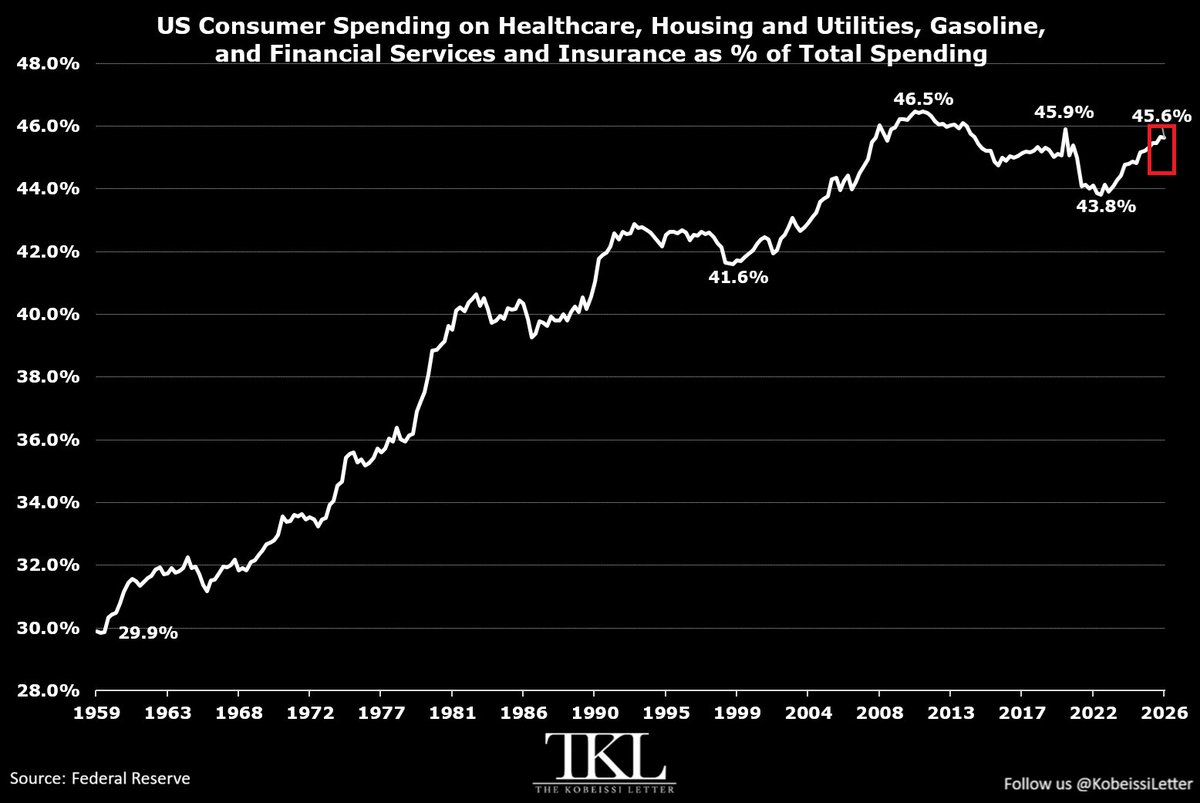
Essential expenses are taking up an increasing portion of US household spending:
Healthcare, housing, utilities, gasoline, financial services, and insurance now account for 45.6% of total US consumer expenditures, near the highest proportion on record.
Over the last 4 years, this figure has risen +1.8 percentage points from its lowest level since 2004.
By comparison, these essential expenses represented a record 46.5% in 2010, following the 2008 Financial Crisis.
Meanwhile, between the 1960s and the 1980s, this proportion never exceeded 40%.
In 1959, these categories accounted for less than 30% of total consumer expenditures.
Mandatory spending is eating up a growing portion of US household budgets.
An era-defining galaxy survey has released its final results. They don’t quite fit the leading theory of cosmology. @walkingthedot reports: https://t.co/aV8tkUwYM6
For most of the 20th century, astronomers thought Type Ia supernovae happened when a white dwarf siphoned enough mass from a companion star to cross a critical limit. Astrophysicist Ethan Siegel (@StartsWithABang) says that scenario may never occur at all. It’s one of 5 astronomy “facts” that changed this century. Read it here: https://t.co/fRVDdmnXlQ
Will China have the world's lowest fertility?
In 2025, China's fertility fell below 1. Unfortunately, a wide range of indicators suggest Chinese fertility has a lot further to fall. 🧵.