Can mixing Enlist One (2,4-D choline) and Liberty (glufosinate) improve foliar POST #waterhemp control in Enlist E3 soybean systems?
Check out the results from two #WiscWeeds bareground trials conducted in 2024 in southern Wisconsin by graduate research assistant @ZaimUgljic. We faced tough-to-control #waterhemp at both research sites (Brooklyn and Janesville, WI), with some great visuals captured at the Brooklyn location in our video posted on July 16 2024: https://t.co/fToLNYr01T
2024 product costs provided by a Wisconsin farmer:
- Enlist One (32 fl oz/acre): $12.00/acre
- Liberty (32 fl oz/acre): $5.50/acre
- AMS (3 lbs/acre): $0.87/acre
Applying Enlist One + Liberty improved foliar waterhemp control in our 2024 trials when compared to either product applied alone. For an additional $5.50/acre (Liberty cost), farmers relying on Enlist One can achieve more consistent waterhemp control in Enlist E3 soybean systems.
Additional research being conducted by our lab indicates that waterhemp should be 4 inches tall or preferably less for the Enlist One + Liberty mixture to work well. After waterhemp gets some size to it (>4 inches), even the mixture struggles to provide effective control. @WISoyCheckoff
@pete_90210 Are you able to dig roots to confirm feeding? In 2023 there was lodged corn in our geography after a wind event, some was caused by CRW feeding. Some was from hybrids with bad roots that got passed off as CRW damage. Dig to confirm if you haven’t already.
Took off a plot today and weighed the results with combine’s Active Yield vs our tender.
Important call out that one can’t always watch the yield monitor when evaluating strip/small scale trials.
Over the course of the whole field they’re accurate but not on individual passes
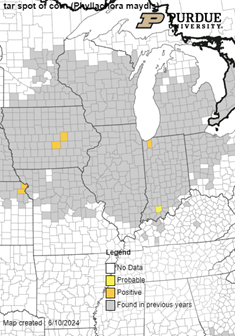
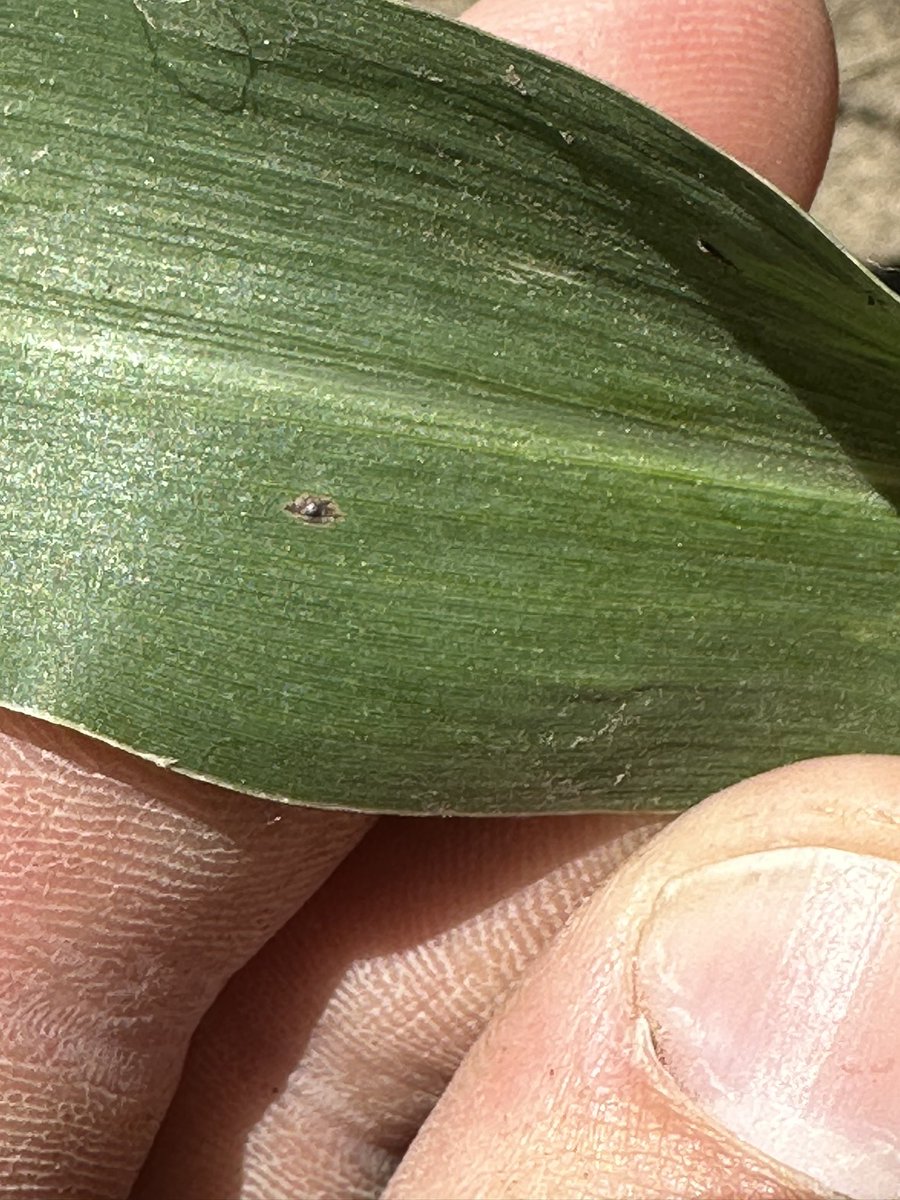
I found the first Tar Spot in Wisconsin this year in Pepin County near Durand. Weather continues to be favorable for Tar Spot development. Corteva Tar Spot Model is tracking it well.
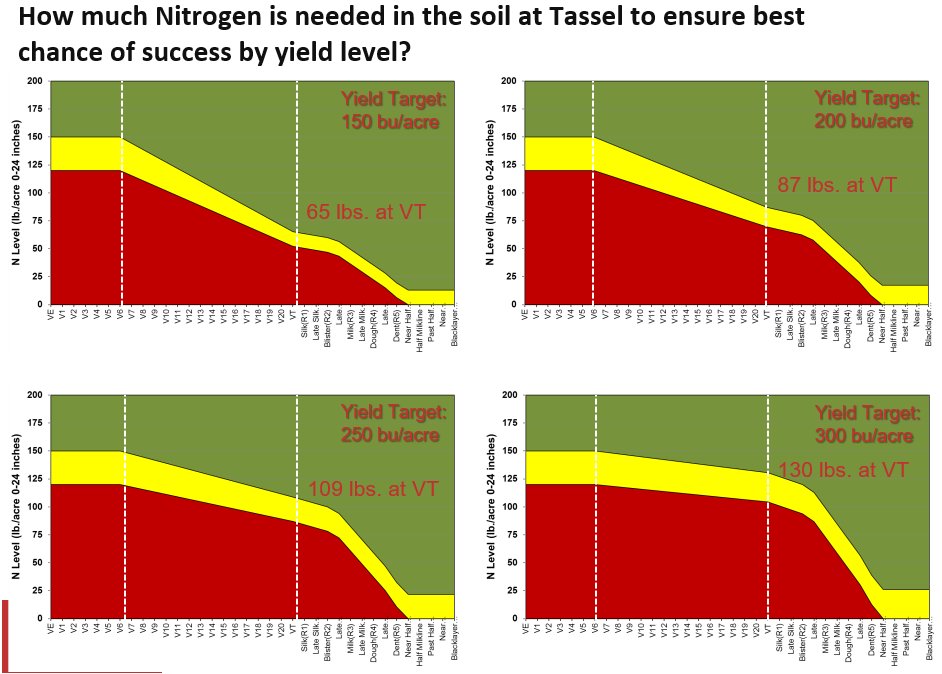
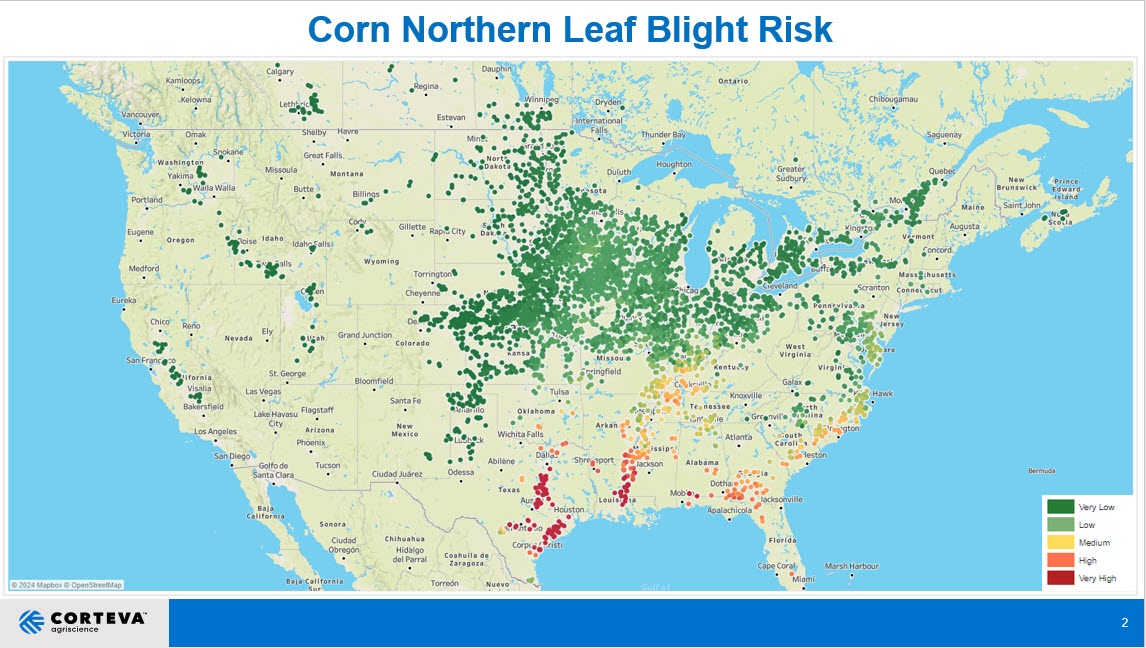
Updated disease prediction model. GLS risk coming on strong with all the rain, humidity and heat. Tar Spot risk picking up... We may see fungicide spray calls prior to tassel or right at tassel time.. Stay tuned!!
Corteva Disease Tracker model most recent update. Shows GLS and Tar Spot risks are increasing but not at a threshold level yet. Moisture this year, possibly be calling for fungicide applications by VT/R1. Will post weekly.
We have confirmed active tar spot in our research plots in northern Indiana today (planted April 25 at V4/V5 growth stage). - What does that mean?- get out and scout and be prepared - see article for more details.
https://t.co/ggFoXWZi5j
Tar Spot found in Tama County, IA today. V7 corn. Record early infection for Iowa. No need to overreact with fungicide now. Still a good reason to keep scouting the rest of the summer and monitor progression ahead of normal VT-R2 app timing.
Planting soybeans this weekend under so-so conditions? Do yourself a favor and KEEP THE ROLLER OUT of the field. You have plenty of time to roll them after they’re up. (Photo courtesy U of M Extension)
Data showing why sticking with your original hybrid plan until at least May 20th. Use your grain price & drying costs to determine your own "switch date". Plan A is the best plan, try not to use emotion when to switch to Plan B.
@PioneerPeteMN Couldn’t agree more. There are far more bushels of yield lost over fear of chilling injury … missed opportunities to plant, than chilling injury takes. The phenomenon is far more complex than simply getting a cold rain. In this case a warmer as you stated.
Should we be planting, and when should we stop?
I've gotten a handful of calls the last two days on when is a good time to stop planting ahead of this rain on Tuesday.
A colleague of mine says it best: “ Mr. grower, what has been your experience in the past planting early into warm, fit soils?”
Oftentimes the answer is, “turned out to be my best corn, despite being cold later on.”
When it comes to rain this time of year, certainly a concern is the temperature of that rain.
First, Tuesdays rain looks to be a "warm" rain. 👍🏻
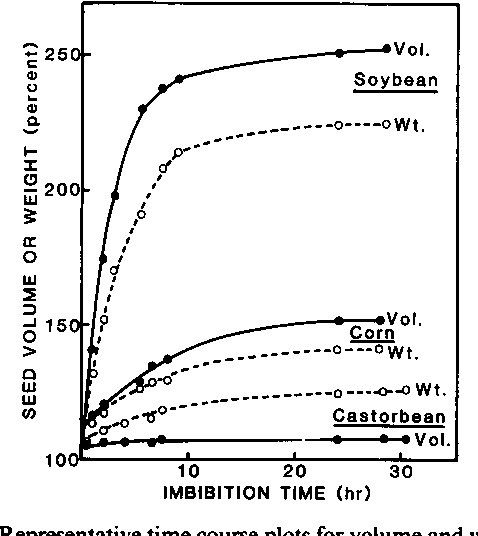
Second, the chart attached shows how much water it takes to germinate a seed relative to the weight of the seed itself. This is then plotted over time (hours).
Interestingly for corn, a good amount of this happens in the first 30 to 90 minutes and by 10 hours, 80% of the water that it will take up has been taken in.
Also of note, 90% of the water a soybean seed will imbibe is taken up in just 4 to 5 hours!
Planting today is certainly not without risks, but leaving the planter in the shed carries risk as well.
Bottom line: All risks considered, I'm VERY comfortable keeping the planters rolling as long as the ground is fit.
Have a great Sunday - Stay safe out there!
Have you heard SCN causes $1.5 billion soybean yield loss annually and thought that sounds crazy high? You might not think so after using the SCN Coalition’s Profit Checker to see how much SCN can cost a farmer in a single field. Learn more at https://t.co/53vqZBbseR.
This was worth a follow up. Some huge yield responses and some moderate. Late stalks were definitely a problem with the susceptible hybrids. Fungicide saved yield but you can’t fungicide your way out of Tar Spot. Make sure you ask for ratings!