Two weeks in. You have met our history and our green city. From here, we turn to what this city is best known for: what comes out of its kitchens.
🍽️ Not just a city. A crossroads.
Which city should hear this story next? Tag them below 👇
Before this city thought about clean energy, it thought about soil. 🌾
In Oğuzeli, just outside the city, a biogas plant takes in what nobody else wants.
Around 150 tonnes of animal manure, every single day.
Nothing buried, nothing left to drift into the air. It has collected awards along the way, including one that named it a Low Carbon Hero. Here, the golden fertiliser gets more attention. This land has been farmed for thousands of years.
A landfill breathes. That is the part most people never consider. 🌫️
Buried waste releases methane, a gas that traps far more atmospheric heat than carbon dioxide. Left alone, it quietly damages our climate. So we stopped leaving it alone.
Right next door, a newer plant supported by European Union and United Nations partnerships takes this further: sorting incoming waste to recover close to 17,000 tonnes of valuable materials each year.
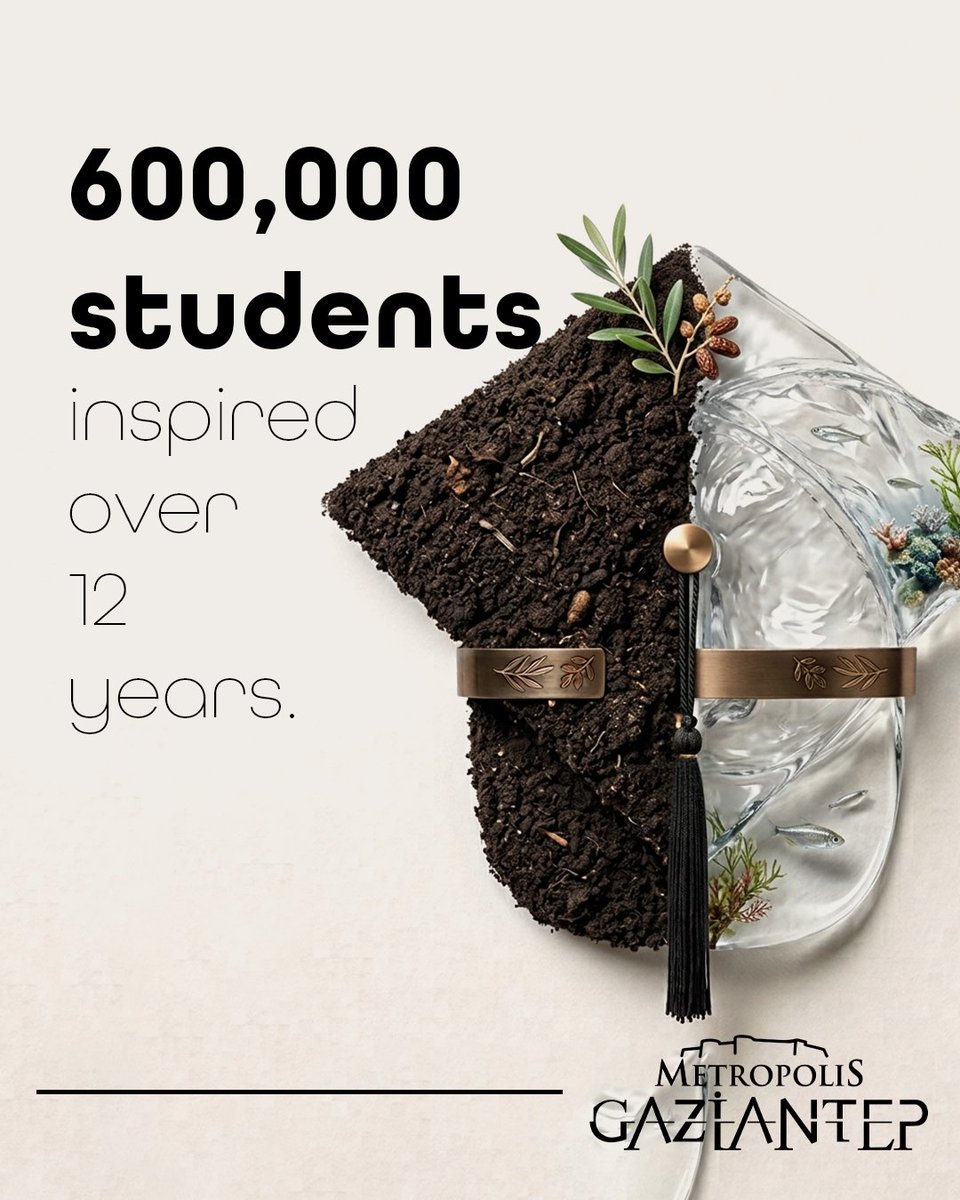
A zero-waste city doesn't start with machinery. It starts in the classroom. 🎒🌱
For 12 years, Gaziantep has introduced its children to two special characters: Soil and Water.
More than 600,000 students have grown up with this lesson. A city that has passed traditions down since the Silk Road is now passing down something even more vital: how to protect our shared future.
600,000 years of human history. Now learning to run on its own sun. ☀️
Gaziantep is building its solar park in stages:
The first is already supplying clean energy to the grid. The second is now producing as well. The third is under construction.
We are not doing this alone. Backed by the EBRD Green Cities programme, Gaziantep was among the first cities in Türkiye to make this ambitious commitment. The end goal is clear: that everything this municipality uses will one day come directly from the sun above it.