Oil production has shifted dramatically over the decades.
From the dominance of the U.S. and Middle East in earlier years to major changes in global rankings, the energy landscape continues to evolve.
Today, the United States, Saudi Arabia, and Russia lead global output, shaping energy markets worldwide.🌍
China has massive economic exposure to the Middle East:
China has spent over $269 billion on investments and construction contracts across the Middle East since 2005.
Saudi Arabia is the largest recipient at $82 billion, followed by the UAE at $48 billion, and Iraq at $40 billion.
Furthermore, Chinese investments and construction contracts in Iran have reached $25 billion.
Meanwhile, Middle East trade with China has more than doubled since 2017, to $317 billion in 2024.
That is nearly 4 times the $85 billion in trade with the US in 2024.
China is heavily tied to the Middle East's economy.
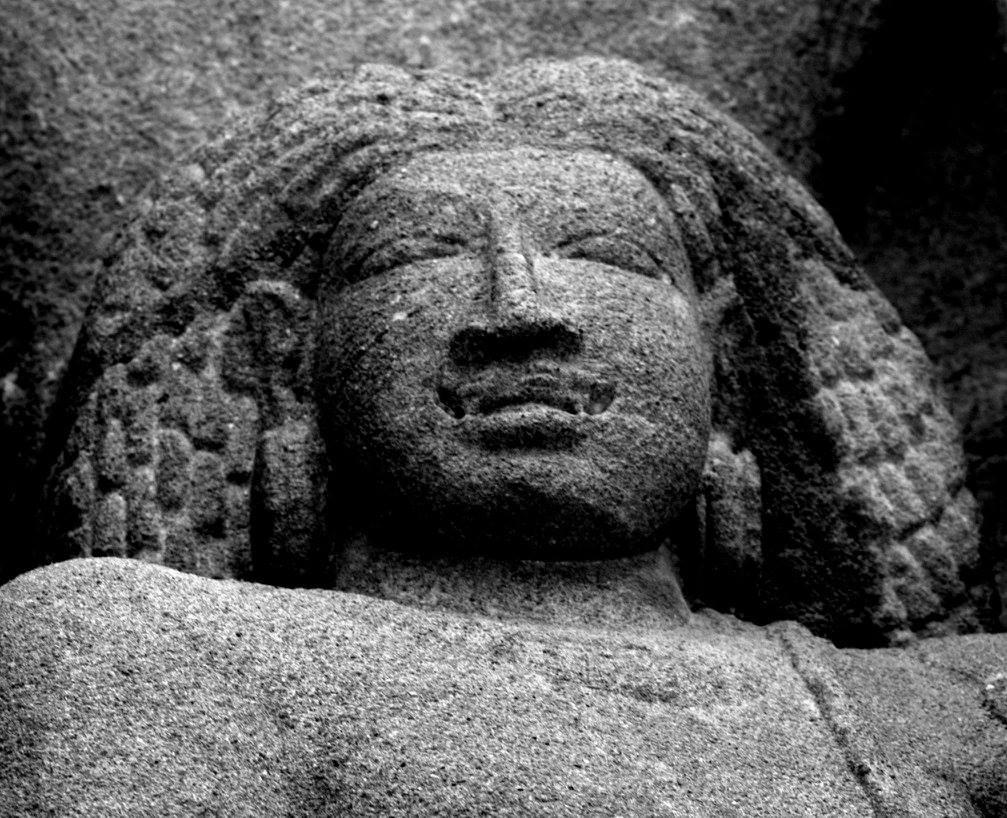
Photograph of the Sultanganj Buddha, a monumental copper sculpture dating to c. 600–700 CE, Gupta–Pala transitional period. discovered in Bihar in 1861 during East Indian Railway construction, now housed at the Birmingham Museum & Art Gallery.
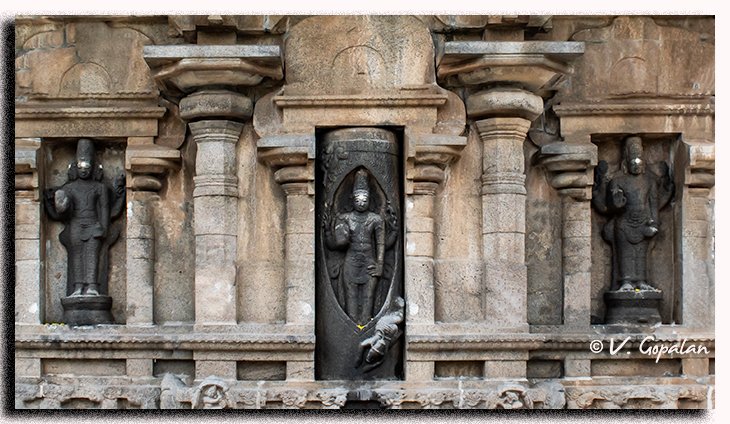
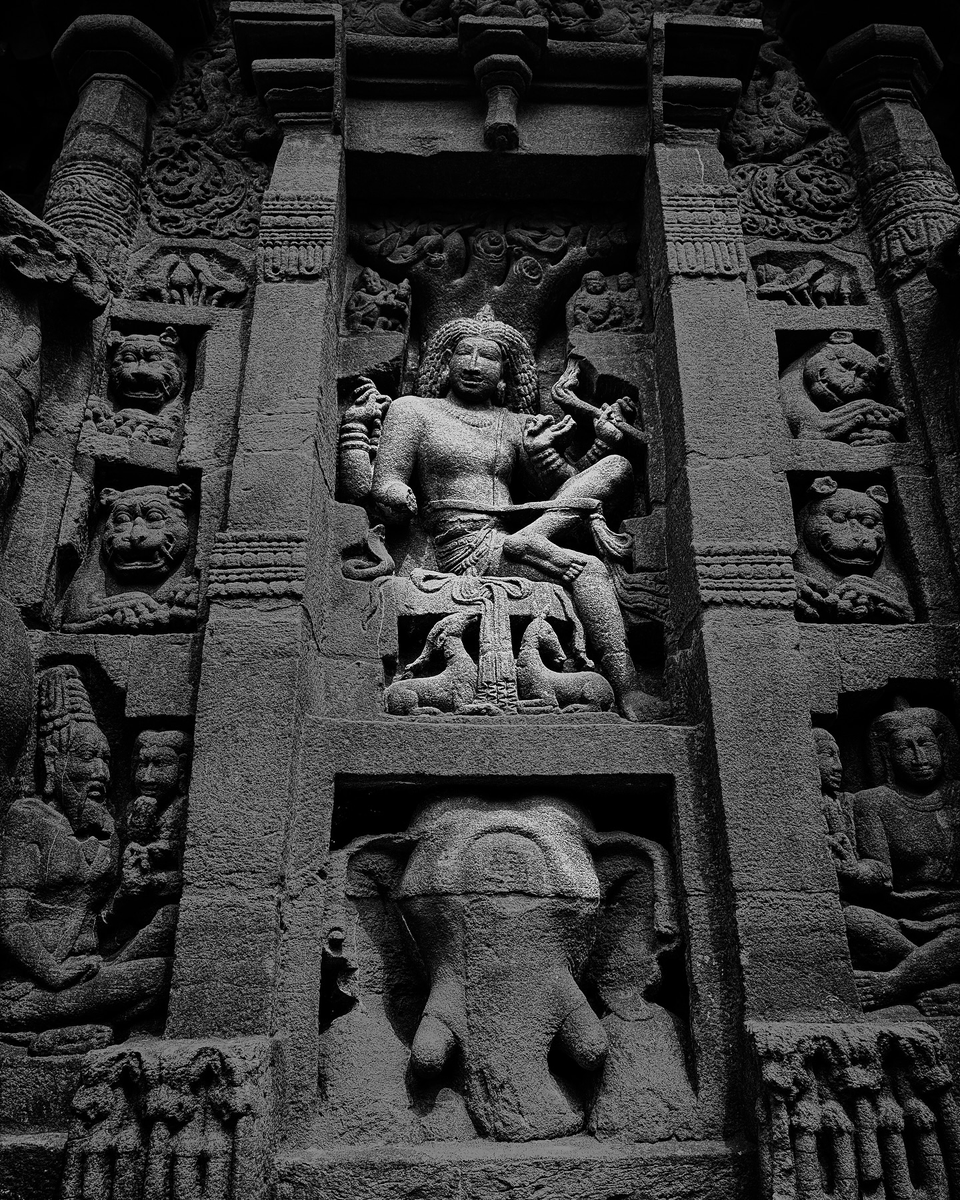
Kanchi Kailasanathar Temple is where art, literature, and spirituality merge.
Look at the Dakshinamurthy panel:
There is one special unique aspect of this particular Dakshinamurthy that had puzzled me for years before i got the most probable answer . Can you tell which aspect?
Top Portion inspired from — ?
Middle Portion inspired from— ?
Bottom Portion inspired from — ?
Can anyone decode how these layers come together?
I’ll share my reading after your responses.
#KanchiKailasanathar
#Heritage
#Temple #Art
#SculptureSpeaks #IncredibleIndia
#HeritageMatters
#Architecture #Pallavas
#HistoryInStone
Members of the Tsimihety people of Madagascar — a black African ethnic group whose name literally means “those who never cut their hair.” For generations, hair has symbolized freedom, identity, and resistance to imposed traditions. Unlike many cultures where hair is cut during mourning or rites of passage, the Tsimihety became known for refusing the blade, letting hair grow as a living archive of ancestry and belief. In today’s viral age, their appearance is often exaggerated, misunderstood, or mislabeled — but the tradition itself is real and deeply rooted. If what you’re seeing here doesn’t match what you know about the Tsimihety, say it. Culture deserves debate, not silence.
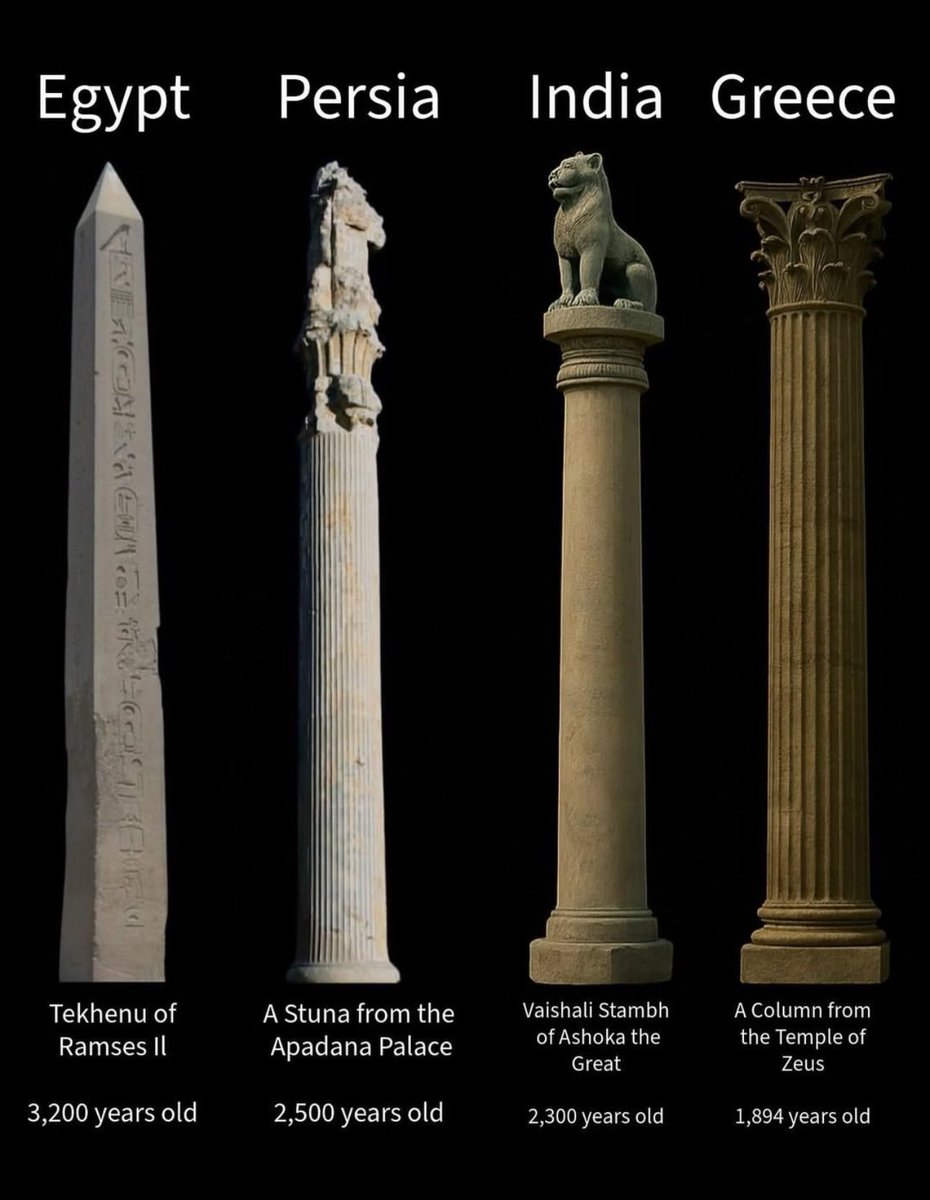
This image quietly destroys one of the most repeated myths in history.
What we call “classical” architecture is not Greek but really a continuous thread across civilizations.
The real shock is how much of the ancient world had already been standing tall before the Greeks.
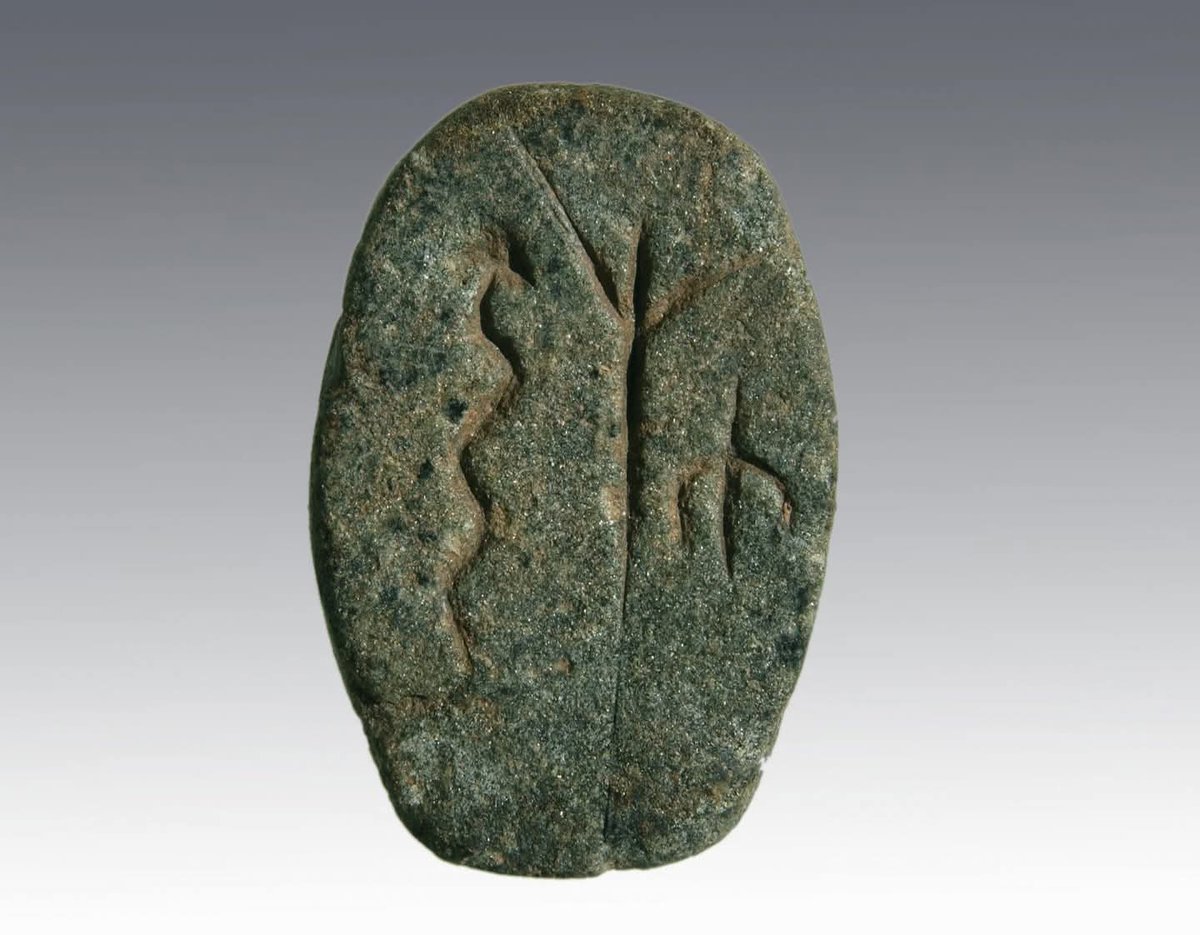
Irving Finkel - a scholar of ancient languages and a longtime curator at the British Museum, renowned for his expertise in Mesopotamian history and cuneiform writing believes this artifact from Göbekli Tepe is evidence of the earliest form of writing dating back to around 11,600 years ago.
He believes this Pre-Pottery Neolithic stone plaquette depicting a snake, stlized human head, and a bird” is a stamp used to sign contracts.
📷 : a small stone plaquette from the archaeological site of Göbekli Tepe in Türkiye. It dates back around 11,000 years to Pre-Pottery Neolithic period. The carvings on the plaque depict a snake, a stylized human figure (or another animal), and a bird. Some interpretations suggest etchings might be the earliest known use of 3D perspective in prehistoric art. It is currently displayed at the Şanlıurfa Museum.
#archaeohistories
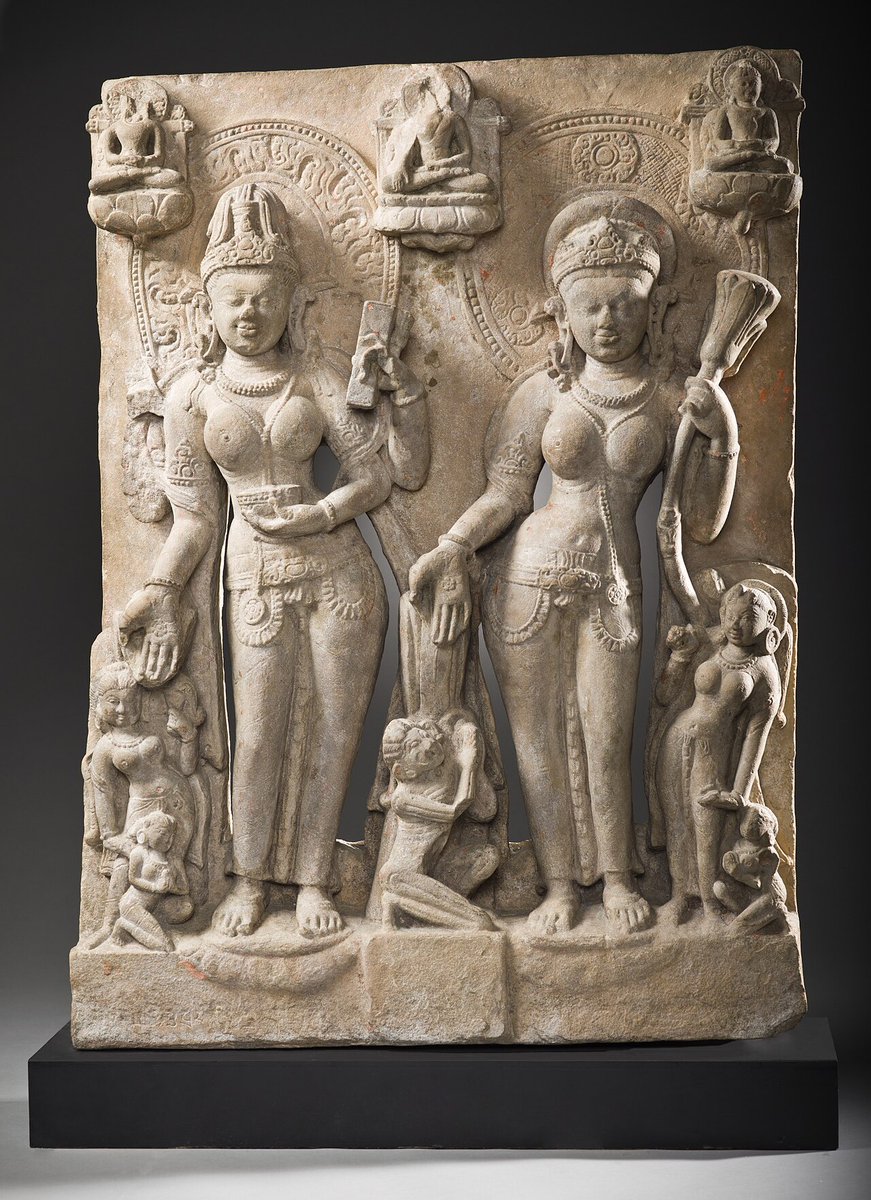
The 9th-century sculptures of Bhagwati Tara and Goddess Chunda reflect the excellent iconographic expertise of the Pratihara dynasty.
Chunda is a figure associated with the historical Buddha, known for offering him his last meal before his passing into Nirvana.
Discovered from Pakhna, Farukhabad, Uttar Pradesh
Gurjar-Pratihara dynasty.
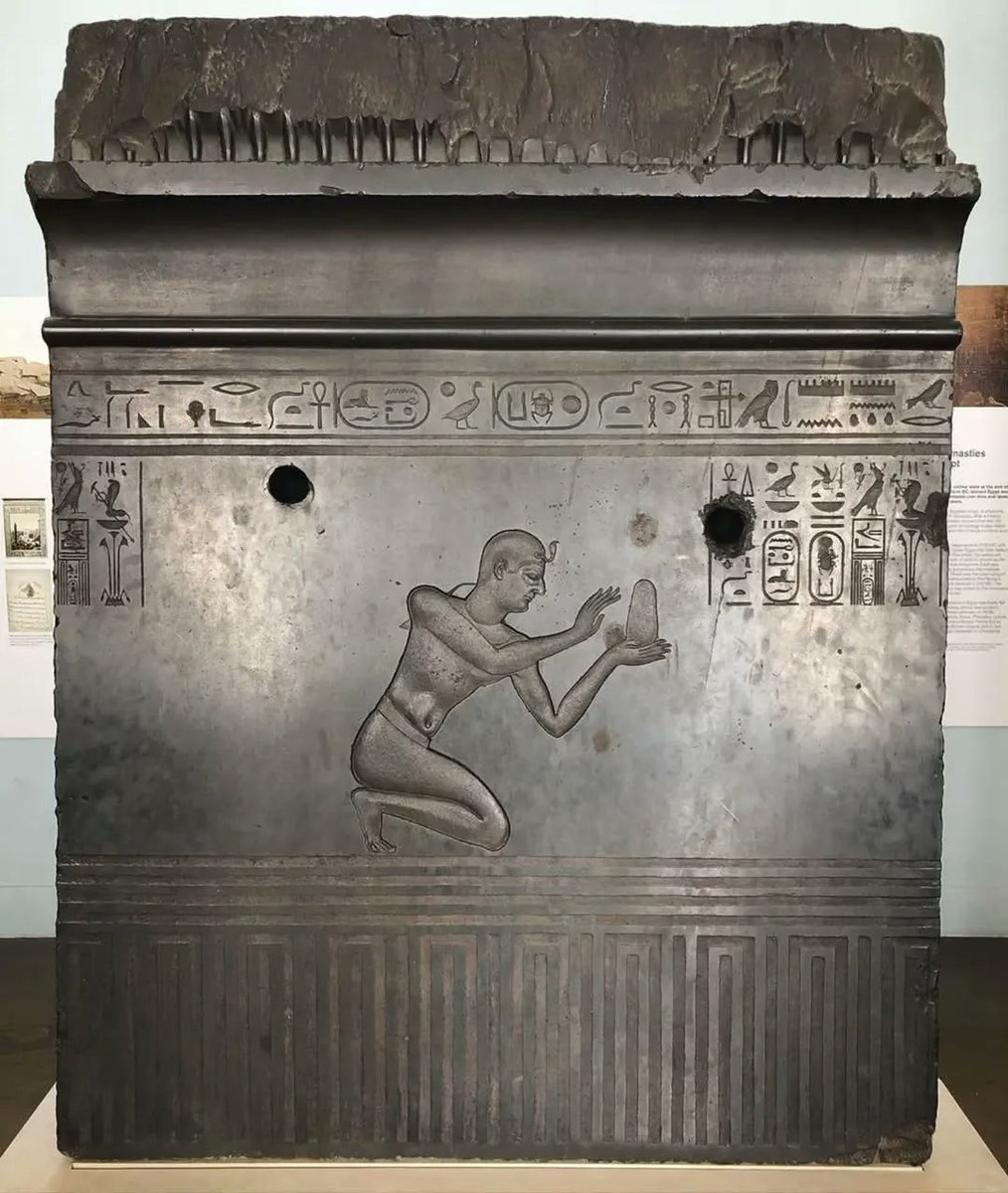
If this black siltstone screen slab shows Nectanebo I (380–362 BCE) frozen forever in a kneeling offering pose, was it really an act of devotion, or a calculated piece of temple propaganda designed to make Egyptians see the pharaoh as the only “valid” bridge to the gods when foreign rule was looming again?
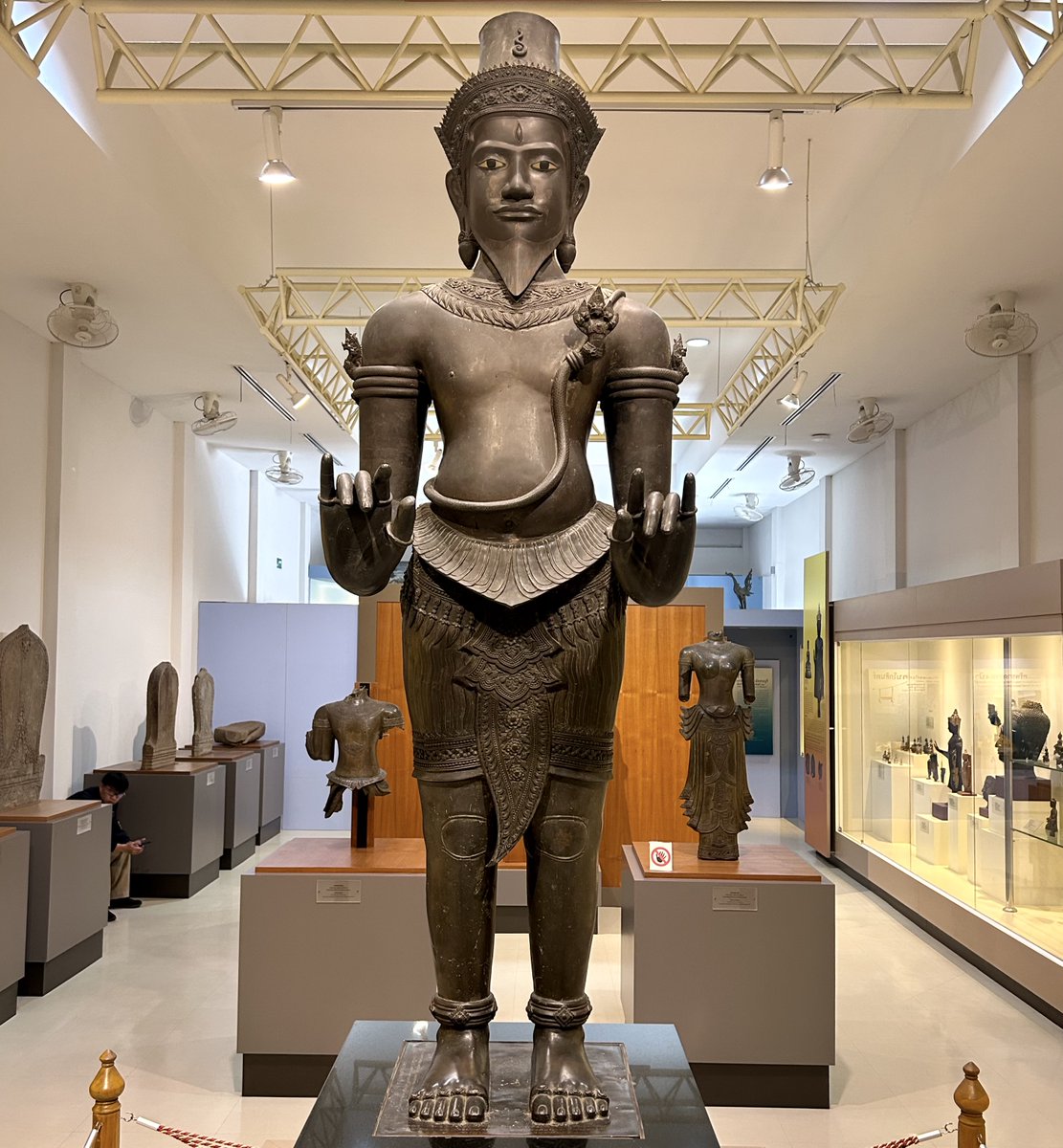
These two sculptural panel beautifully presents the Trimurti—Shiva, Vishnu, and Brahma—symbolizing destruction, preservation, and creation.
Each deity stands in a calm, frontal posture, conveying cosmic balance and harmony.
Together, the three figures visually express the unity of divine functions within a single cosmic order.
1. Gangaikonda Sozhiswarar Temple - very simple
2. Hoysaleswara temple, Halebidu - elaborately decorated