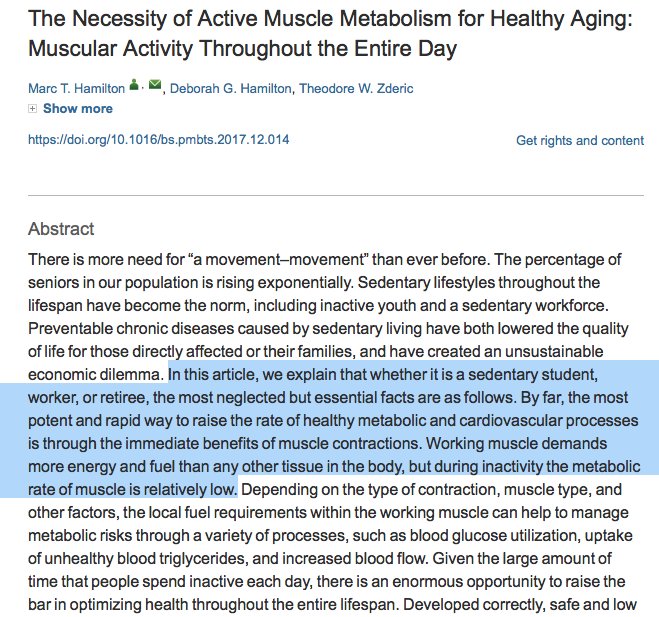
Mantenerse físicamente activo DURANTE TODO EL DÍA y a cualquier edad, es algo irreemplazable para mantener la salud y debería ser uno de los principales mensajes a difundir en salud pública (y no solo 30 min/día o mensajes similares).
Cc @SSalud_mx@inspmx
https://t.co/3NUf2Rqobl
New book
Policy Dismantling in Latin America: Political Leadership and Bureaucratic Erosion in Argentina, Brazil and Mexico
Co-edited with @JohabedOlvera and published by @Palgrave Macmillan.
https://t.co/XXlMWG3sRf
Durante años se ha repetido que, con artrosis de rodilla o cadera, era mejor evitar los deportes de impacto.
Un nuevo estudio sugiere lo contrario.
En más de 17.000 personas con artrosis:
- El ejercicio de alto impacto NO aumentó el riesgo de prótesis de rodilla.
- Se asoció con un 36-48% menos probabilidad de necesitar una prótesis de cadera.
No demuestra causalidad, pero añade evidencia contra la idea de que el impacto, por sí mismo, "desgasta" las articulaciones.
https://t.co/91ov0kXVNF
Novedad editorial
Policy Dismantling in Latin America: Political Leadership and Bureaucratic Erosion in Argentina, Brazil and Mexico
Co-editado con @JohabedOlvera y publicado por @Palgrave Macmillan.
https://t.co/OPG2ETgnaH
Esperamos que este trabajo contribuya a una nueva generación de investigaciones sobre Montessori:
• más transparentes
• mejor diseñadas
• con mayor fidelidad
• y más reproducibles.
📄Artículo:
https://t.co/0mSWDWZ9oW
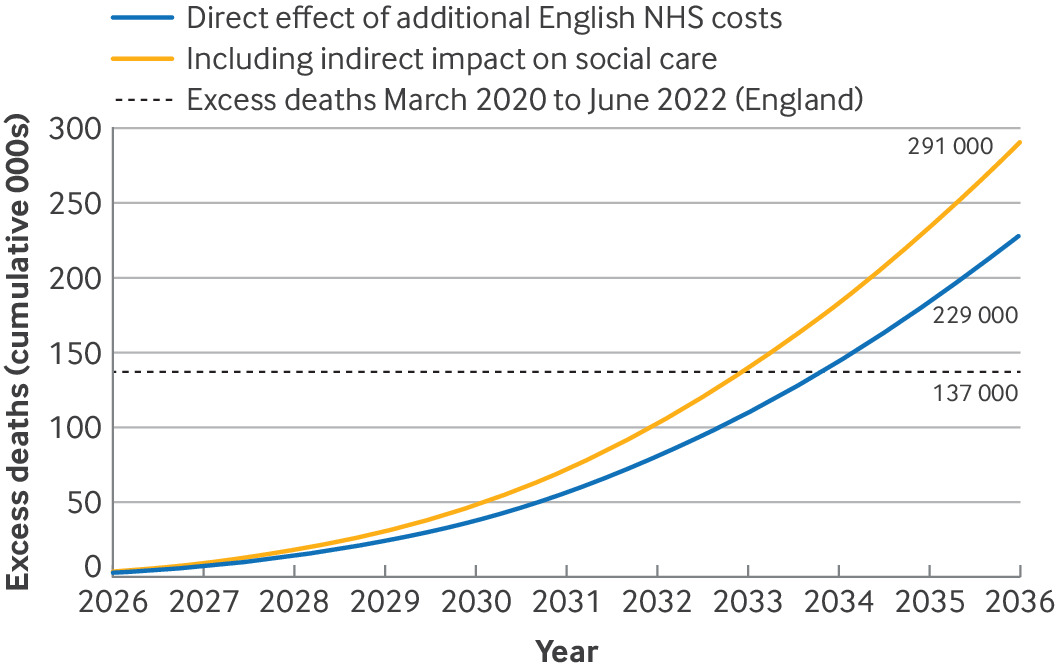
The UK-US trade deal on pharmaceuticals more than doubles the amount of money the NHS will pay for new medicines over the next 11 years.
Diversion of NHS funds to pay for this will be detrimental to population health, argues Analysis in The BMJ
https://t.co/nmCH12wQ0y
¿Debería existir algún tipo de responsabilidad cuando se demuestra que una revista científica incumplió gravemente los estándares editoriales que anuncia?
No hablo de pérdida de prestigio, sino de algo más mundano y menos etéreo: las revistas cobran un dinero no menor
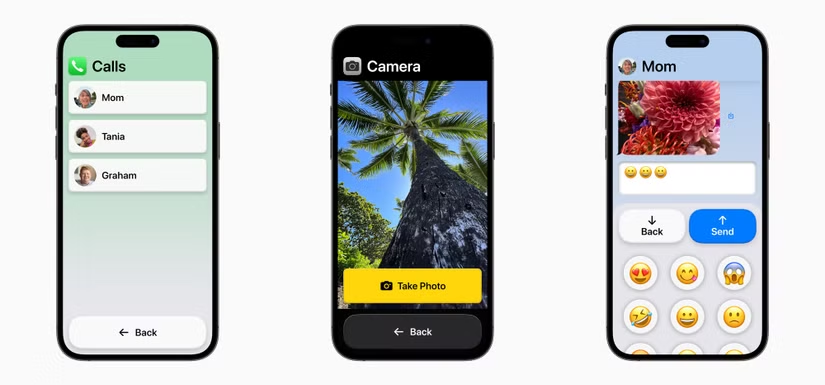
Do you have aging relatives who struggle to use their cell phone? Turns out iPhones have a special mode just for this, and it's amazing! It's called Assistive Access, as part of the Accessibility settings. It could also be useful for children or even as a focus mode. A thread...
We just put up our preprint for the new FUTO Swipe model on arXiv, if you are interested in a more technical overview of it, definitely give it a read.
🏛️📚 What is Democracy’s Library?
The Internet Archive's Democracy’s Library project is a free, fast-growing collection of government publications and records from around the world. 🌎
Its more than 11 million items include Supreme Court briefs, NOAA records, NASA technical reports, census data, local government documents, and much more.
Learn what's in Democracy's collection, and why it matters ⤵️
https://t.co/5WXPHzNC3Y
@MerrileeIAm
El Rincón del Paper ya hemos superado las 5000 entradas. Miles de horas invertidas en el proyecto, pero muy orgulloso por cómo va creciendo.
¡¡¡A leer, zagales!!!
Link en mi bio.
Recordatorio de que nos colaron uno de los FF más flojos de la era Square-Enix (que mira que estaba bajo el listón). Top1 de los peores sistemas de combates en un juego de acción que se ha hecho nunca. https://t.co/YCNQhFkin2
Don’t get me wrong, I think AI scribes are incredible —but I also think in our excitement to use it, we skirted over some important details and now the lawsuits are here.
Consent is essential and needs to be documented (and not autopopulated/hard coded into the note like one system being sued allegedly did).
Education on how doctors should be consenting patients is absolutely abysmal. It isn’t “hey, I’m going to use this ai scribe on my phone, is that cool?” — that’d be like consenting to a surgery with “hey, I’m going to remove your organ, is that cool?”
Consent needs risks, benefits and alternatives discussed. Problem is, the doctors using AI scribe platforms aren’t being told everything they need to know to consent…Is the patient’s voice saved or just the transcription? For how long? Is it identifiable? Is it sensitive? What about the voice/words of their family/friend in the room? What about the hallway patient within voice-range or the consultant/nurse at the nearby desk? What’s the security on the data being saved? Have there been breaches? Who owns the data after it leaves servers and what can it be used for (can it be sold? Used for training?Can it be subpoenaed?) What’s the laws in your state (1 party consent or 2 party consent) to be recorded?
Without knowing these answers, my opinion is it’s hard to truly consent. The misfire here isn’t using AI scribes, it’s skirting over the legalities of patient consent.
Read more from me at @Medscape:
https://t.co/jt3V2jnuCq
I'm pleased to see our paper introducing the Democratic Erosion Event Dataset, an events-based dataset on democratic erosion, finally out in Scientific Data. In our data, we distinguish between resistance, precursors, symptoms, and destabilizing events https://t.co/6lYAE5UIQw
NEW PAPER
Energy requirements: the case for the factorial model (as opposed to the constrained model)
No direct evidence of ⬇️BEE as PAEE ⬆️
There is little evidence of constraint in Hadza and other hunter-gatherers
50 days free access Link:
https://t.co/I5YbZIk8aE