I’m about to be ageist here.
We shouldn’t let people dictate the future of our cities who are unlikely to even be alive in the future that they are trying to control.
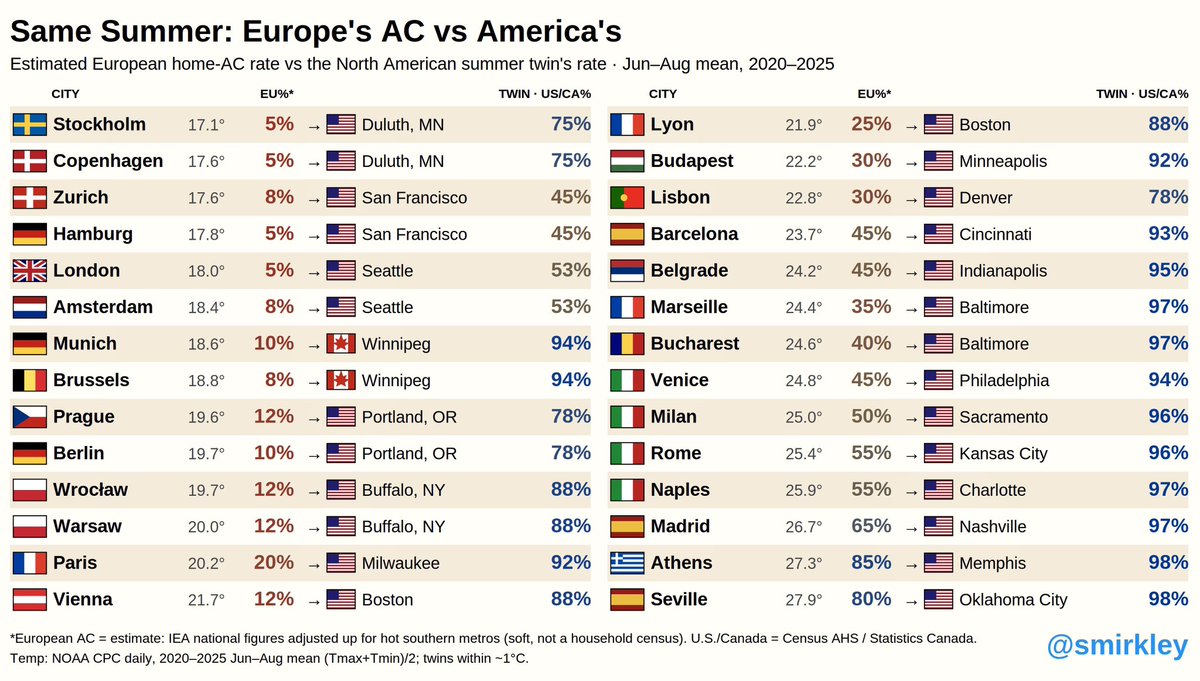
@NewLeftEViews Would have been nice if they added climate matched European and US cities and then compare AC adoption, to have more of an apples to apples comparison. They should also include cold deaths ideally.
https://t.co/smM6rLuB1R
Connie Chan's congressional platform in one word: NO.
No to new housing. No to transit improvements. No to Sunset Dunes and JFK Promenade.
Mine is one word too: YES. Yes to building a fun and affordable city, with plenty of housing for future generations.
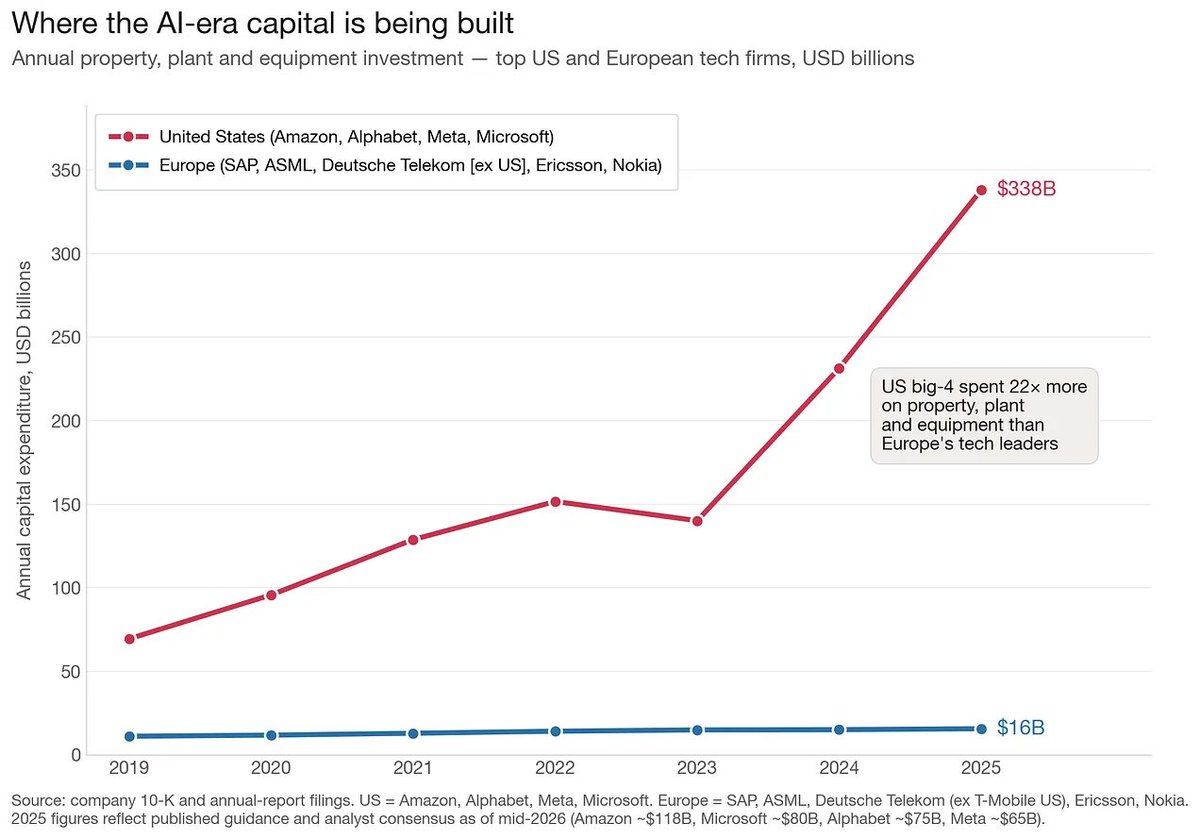
@Mads_on_X@MarvinTBaumann If you include services in the trade deficit, it is more balanced. A lot of modern tech is a service, from AI to an European firm using SpaceX to launch a satellite or using Starlink.
@rdomenechv@Ph_Aghion@a_bergeaud@lugaricano Serious question or misunderstanding. Does this mean that Europe can have say 75% of US living standards now and in the future, profiting from US productivity growth and still fund the welfare state, military etc.?
@kingofthecoastt There is something really weird in the whole argument. Suppose that Krugman is right, it essentially means that Europe is free riding and that that is a better position to be in than the US.
@benbawan I can see that some regulations can push up cost of childcare. You could increase productivity by more children per employee. For the rest it seems difficult to change productivity in childcare.
Healthcare is affected by way more than Baumol, though it for sure plays a role.
@benbawan I'm sure it isn't perfect. It also excludes collective benefits like defense or public R&D. However, GDP can also be inflated by being a tax heaven, shifting of or high corporate profits or by exporting a lot
@benbawan Asked Gemni about AIC PPP, citing: "Most economists consider this one of the most accurate ways to measure material well-being because it captures the total resources available to a person, regardless of whether those resources are bought privately or provided by the state."
@benbawan The "forcing to pay more" for a product where productivity increases happens because the rest of the economy becomes more productive and can pay there employees more. If you refuse to increase the salaries of teachers you will get a shortage. So you are "forced" to pay them more
@benbawan So indirectly the childcare cost comparison just tells that economy A is richer than economy B. So, basically using Baumols cost disease argument to compare productivity levels between 2 countries. As a kind of poor man type of measurement