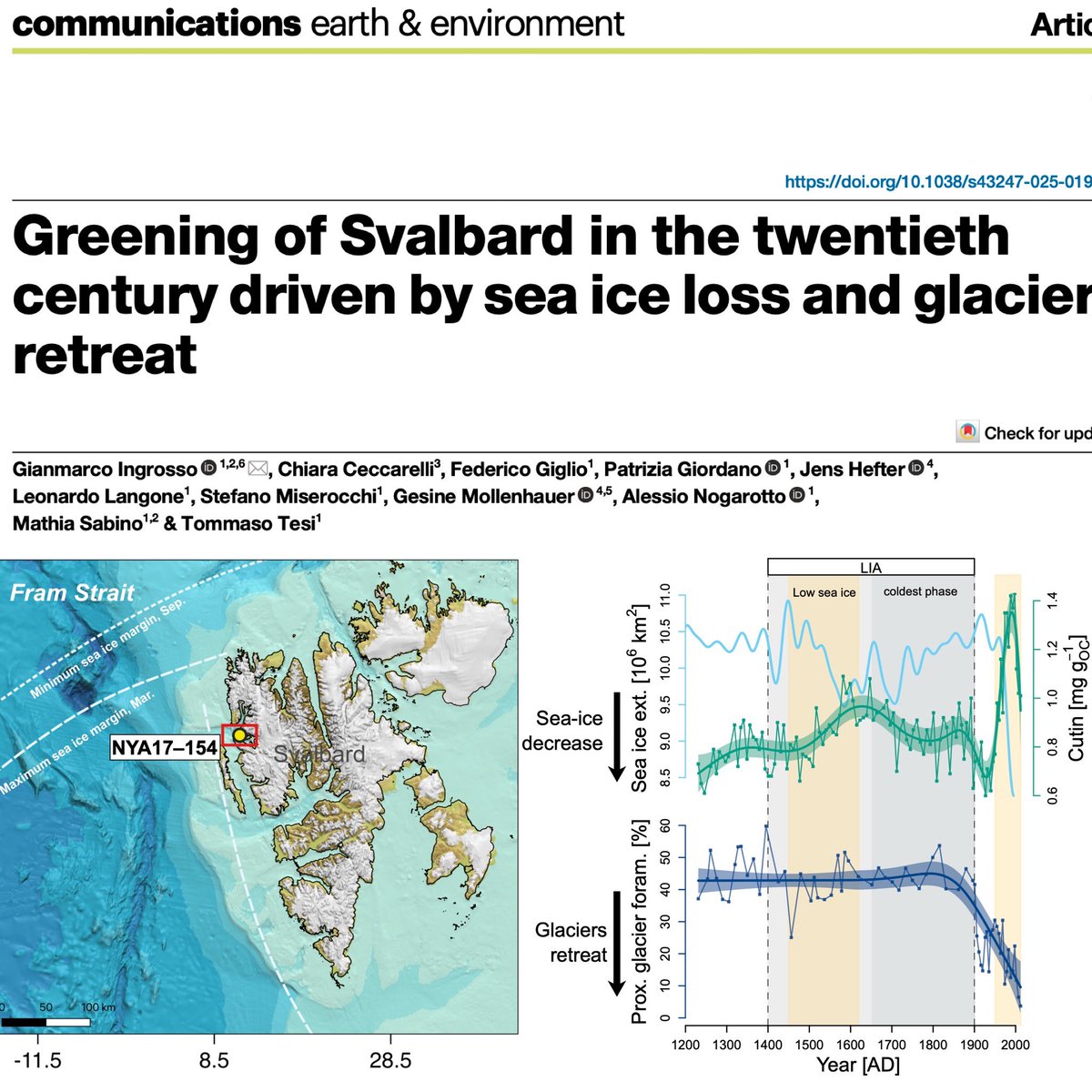
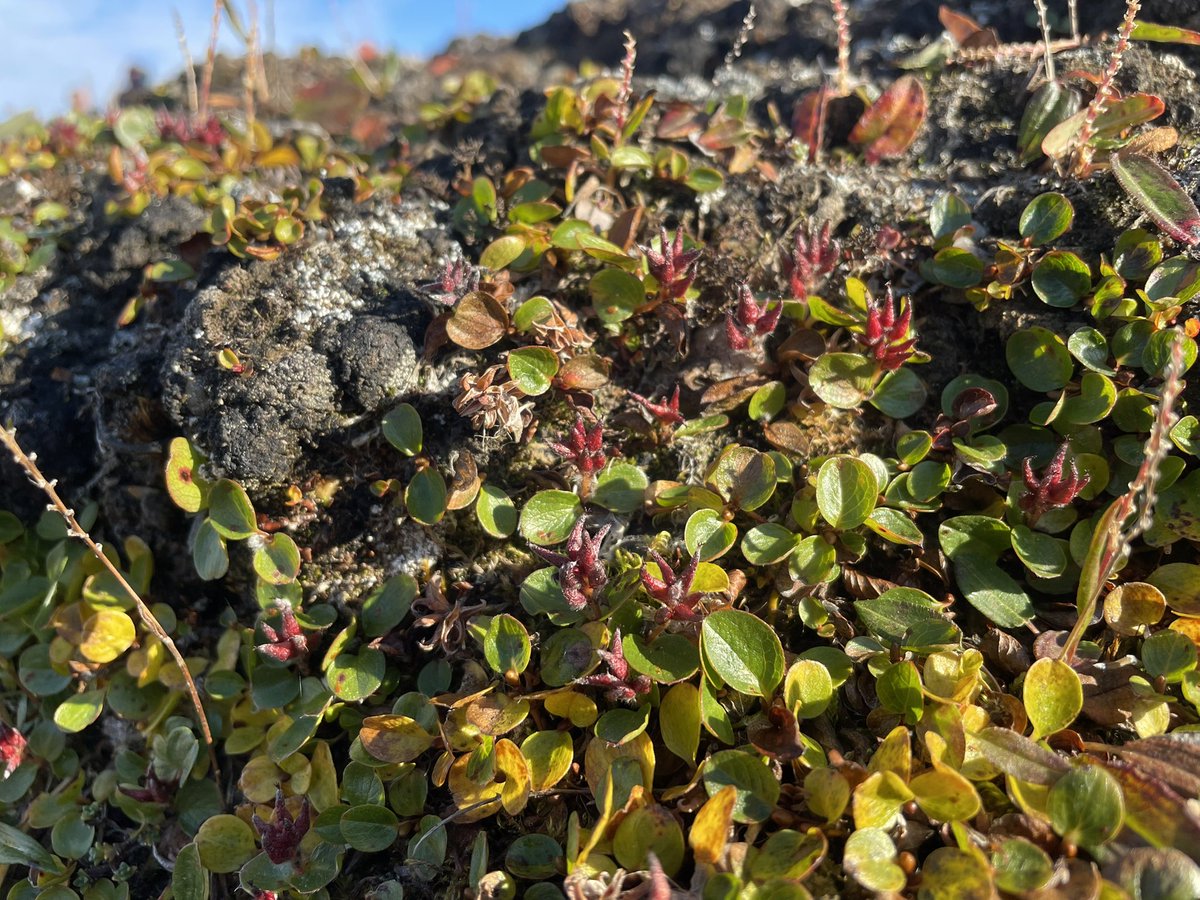
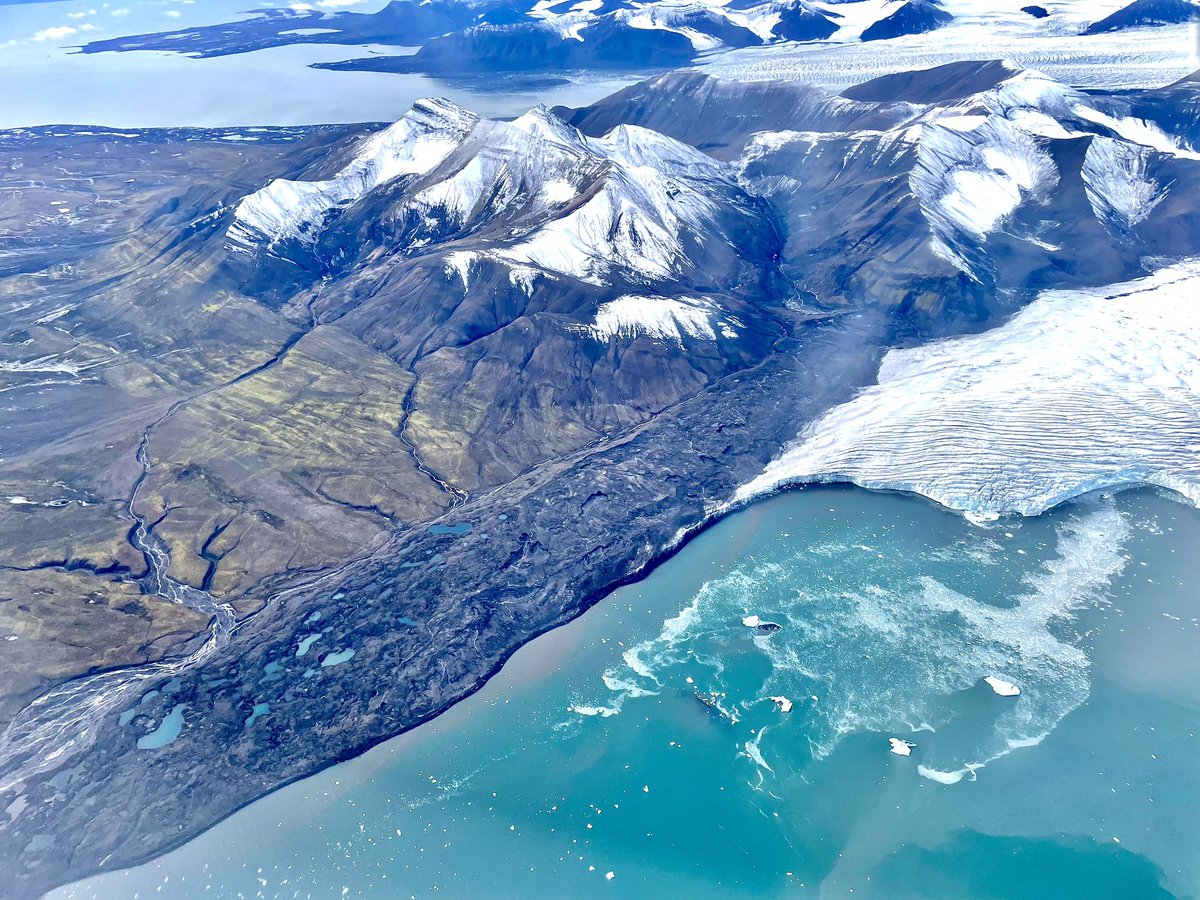
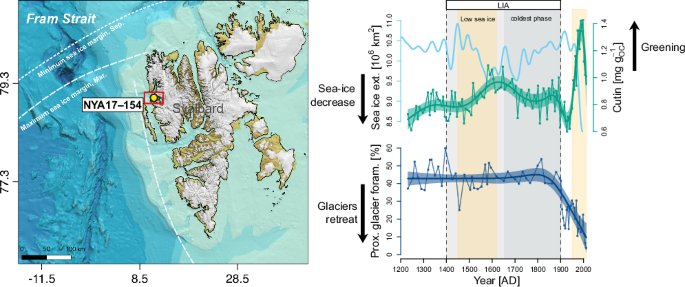
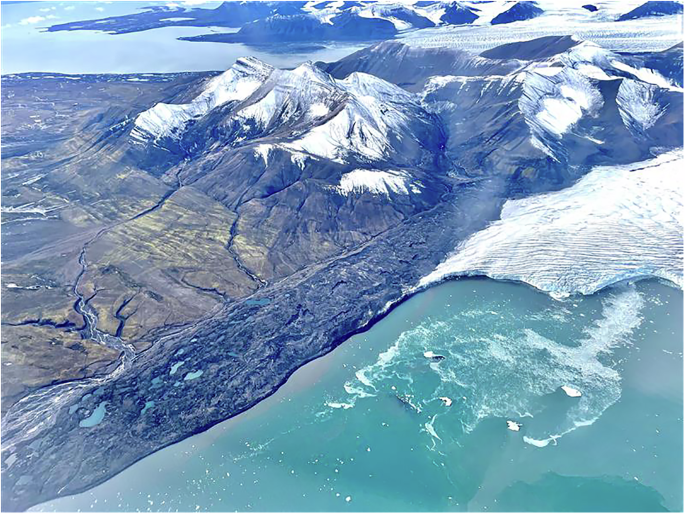
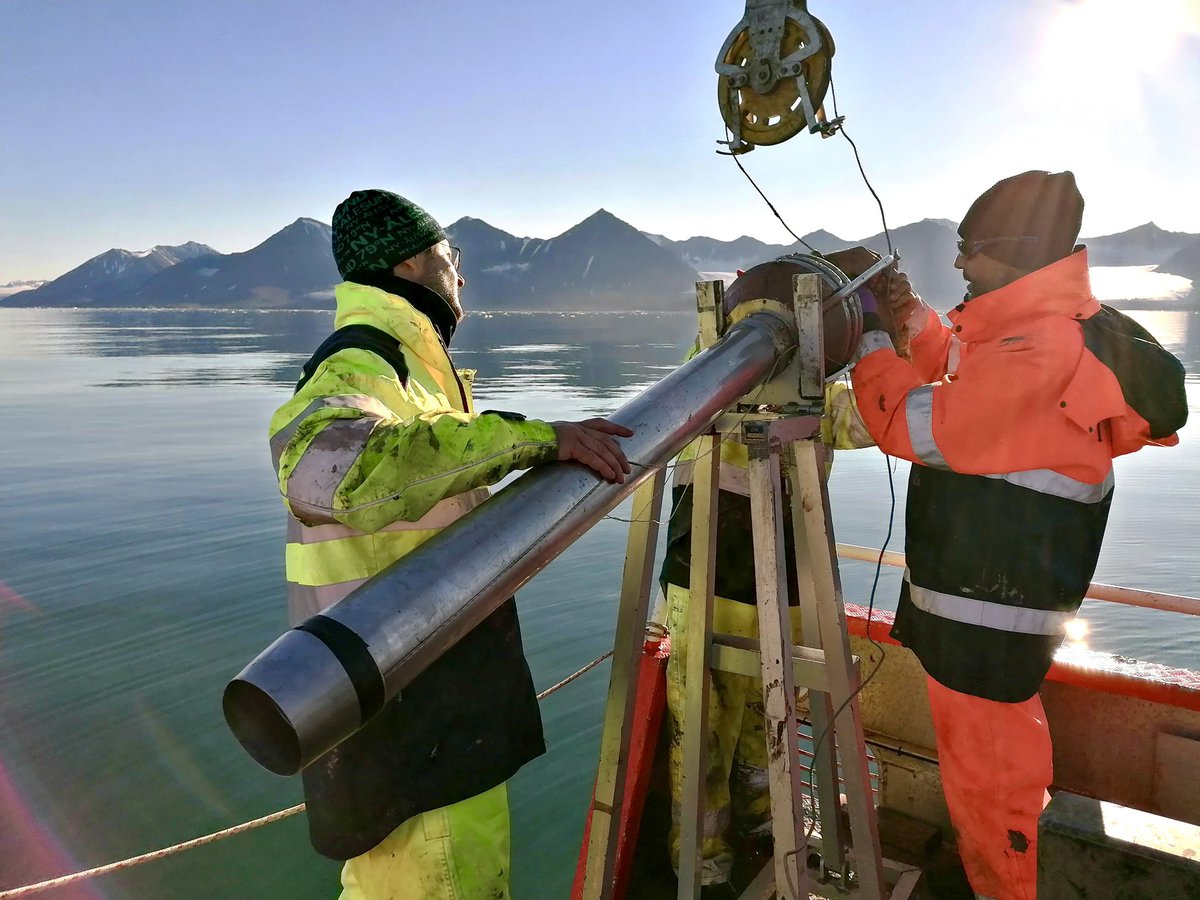
🌿 Excited to share our latest paper on the greening of Svalbard! ❄️
We use a sediment core to reconstruct how climate change is reshaping this Arctic landscape, revealing fascinating insights into vegetation dynamics 🌱🌍#ClimateChange#Svalbard#Greening#ArcticResearch
Greening of Svalbard in the twentieth century driven by sea ice loss and glaciers retreat: Communications Earth & Environment, Published online: 16 January 2025; doi:10.1038/s43247-025-01994-yThe rapid expansion of the Arctic tundra’s vegetation since… https://t.co/z9Kps8JaX4
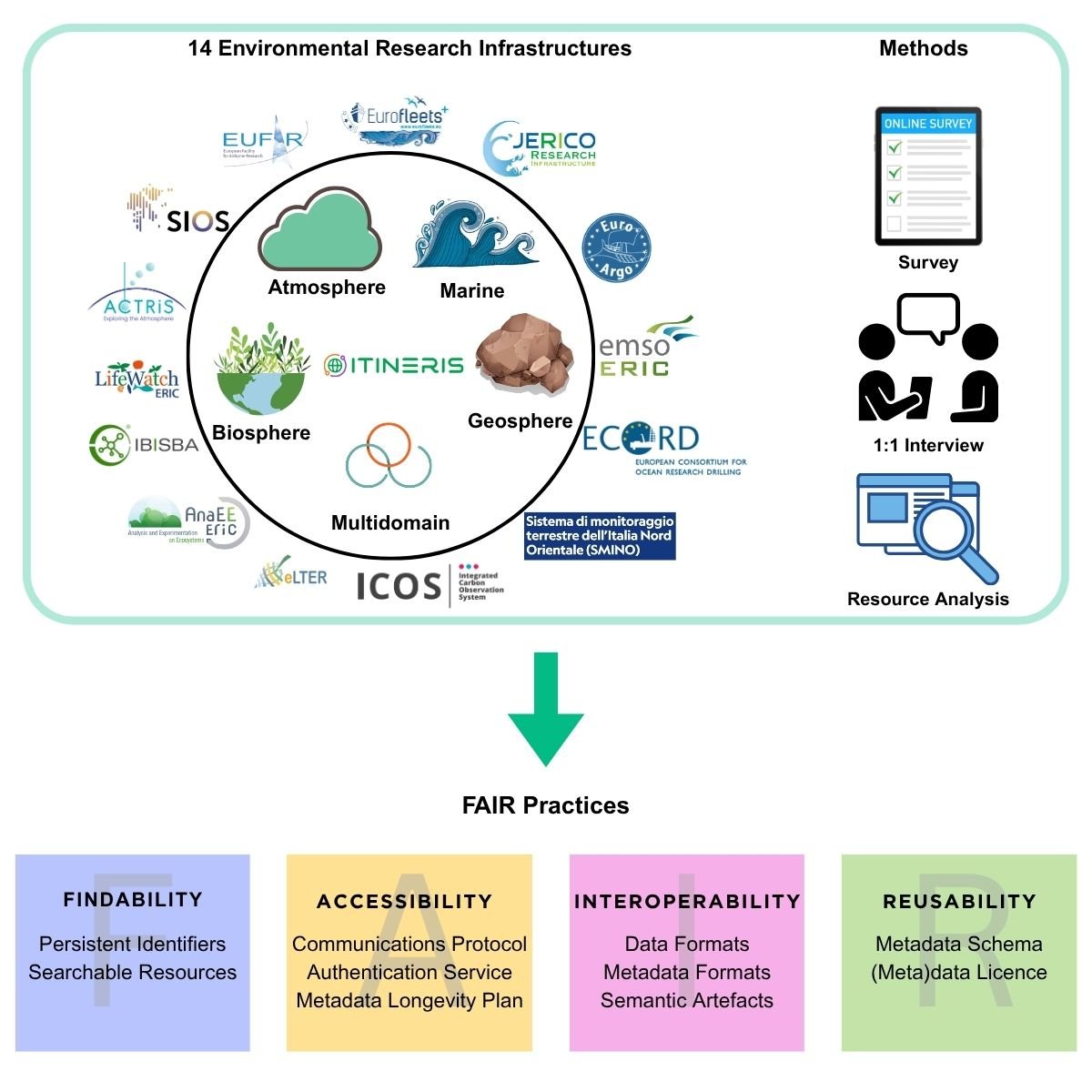
🌿The #ITINERIS study on how environmental research infrastructures in Italy are adopting the #FAIR principles is now published in @CellPressNews by Cell Press
A key reference to monitor future progress in FAIR implementation
➡️ https://t.co/8GS2p1YiCn
#FAIRdata#OpenScience#CNR
New paper out! 🚨
“Assessing the adoption of the FAIR principles in Italian environmental research infrastructures”
We explore how 14 RIs are putting #FAIRdata into practice — key to building more open, reusable, and connected environmental science.
We'd like to encourage you to participate in an exciting webinar series exploring how data sharing software is transforming marine science. The series is organised by the Decade Coordination Office for Ocean Data Sharing (DCO-ODS) and @EMODnet. Read more: https://t.co/buwunbifgb
How does shrub encroachment and the associated increase in lignin inputs driven by #globalwarming affect anaerobic #carbonturnover in #peatlands? Our new Nature Geoscience paper: #Methane production from lignin in anoxic peatland. https://t.co/fNKgbRvHnx
@NatureGeosci
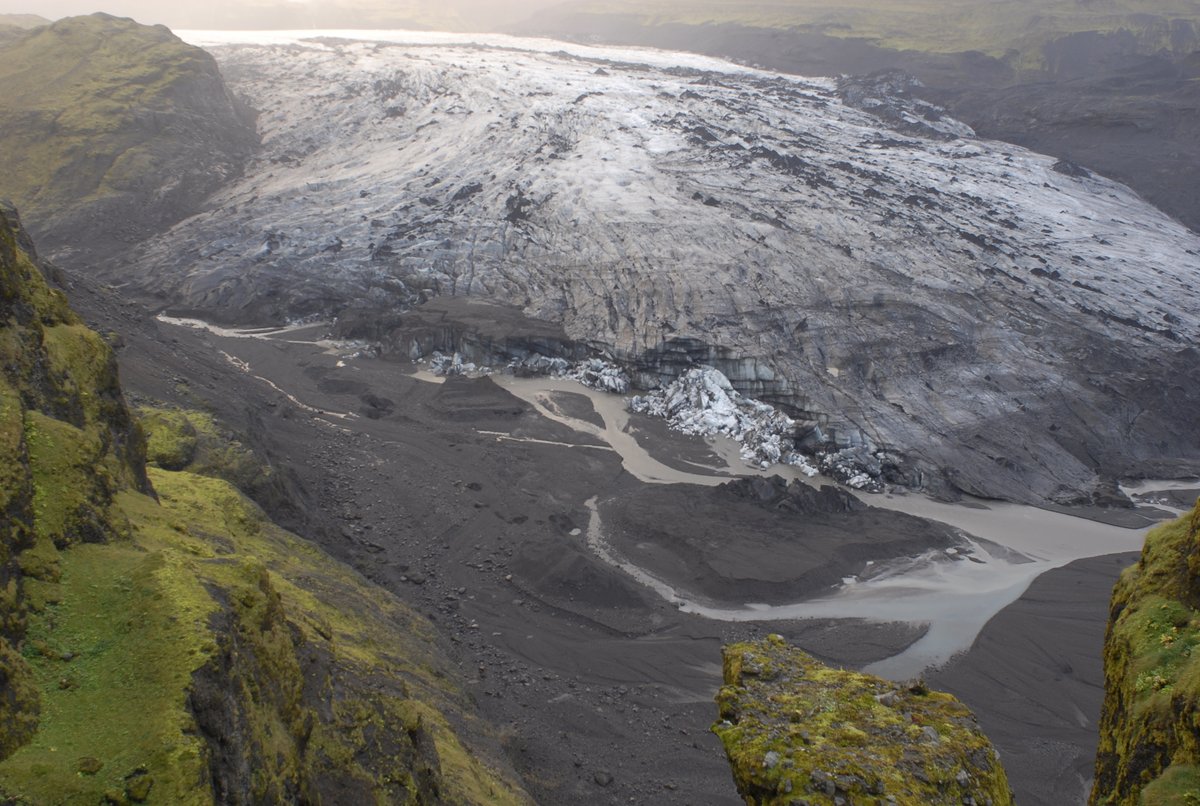
From 2007 to 2022, renowned photographer James Balog relentlessly documented glacial change around the world through the Extreme Ice Survey. NSIDC holds a collection of 1.5 million images from this project. Get images: https://t.co/P3kT7abvxu
OBIS seeks a skilled Data Officer to support the EU-funded @MARCOBOLO_EU project.
☑️ 9-month consultancy (7–12.25)
☑️ Remote position
Ready to contribute to cutting-edge marine observation efforts in Europe and beyond?
📅 Apply by 25.3.25, 17:00 CET
https://t.co/mBiZpUVGFO
L'Artico diventa più verde: la tundra si espande a velocità record. Uno studio CNR su Nature Communication Earth & Environment rivela un'espansione senza precedenti nel XX secolo, legata a perdita di ghiaccio e ritiro dei ghiacciai.
https://t.co/vaSD1zM5v6
#Artico: la tundra si espande ad una velocità senza precedenti
Uno studio internazionale, coordinato da @cnrisp, analizza il fenomeno dell'#ArcticGreening, l'espansione di vegetazione terrestre in un ambiente prima coperto da neve o ghiacci
👉https://t.co/jQMT58X0nJ
@MC_Carro
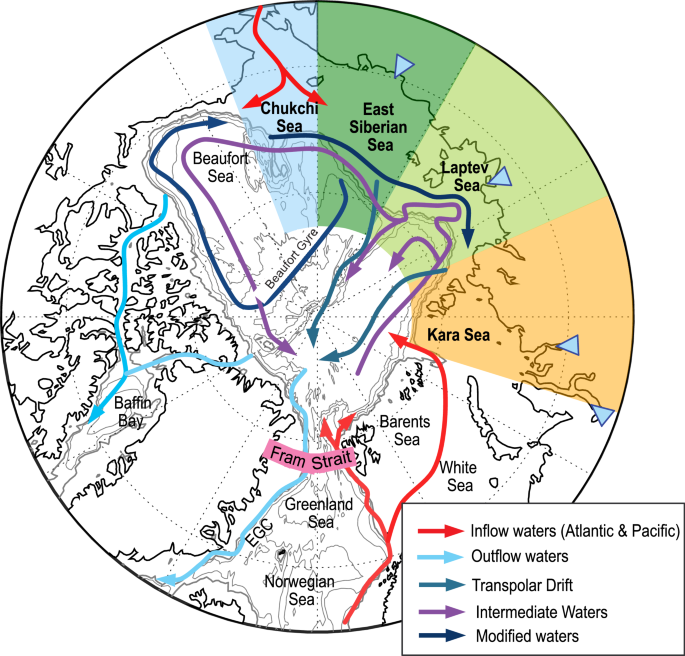
Check out our Review on the Land-Ocean Arctic Carbon Cycle, out today in @NatRevEarthEnv co-led with my awesome partner in crime Micha Fritz from AWI! https://t.co/0mJ6g8r6TR
Ice core data reveal that ancient Roman mining caused widespread lead pollution across Europe. A study shows that airborne lead raised childhood blood levels, reducing IQ by 2-3 points, suggesting cognitive impacts on entire populations.
@ScienceMagazine: https://t.co/mfLWIfClL8
📢 Apply for the #EMSO 4th Call for #PhysicalAccess and advance your #marineresearch and #innovation!
👉 The successful proposals will benefit from free access to EMSO marine sites, expert support and financial aid up to €15.000 per project.
🔍 More: https://t.co/ahk6rPxVn0
VLIZ recruits a marine data steward to help solidify and valorise the data management activities of the VLIZ Marine Data Centre. Apply no later than 2 March 2025. More info 👉 https://t.co/AajF3U7PIu #jobsatvliz
📢Upcoming webinar on DCAT-AP!
🗓️4 February 2025
⏰10-12pm CET
The webinar will cover the latest updates on the DCAT-AP specification, will discuss outstanding issues and explore the use of controlled vocabularies.
🔗 Be sure to register👉https://t.co/FqEP1JzYQ8
POSTDOC OPPORTUNITIES: We now have openings for 12 postdoc candidates who want to join the iC3 team in the Arctic through our MSCA funding support programme.
https://t.co/Fw6cekWLkd #MSCA#Arctic#Antarctica#postdoctoral#postdoc
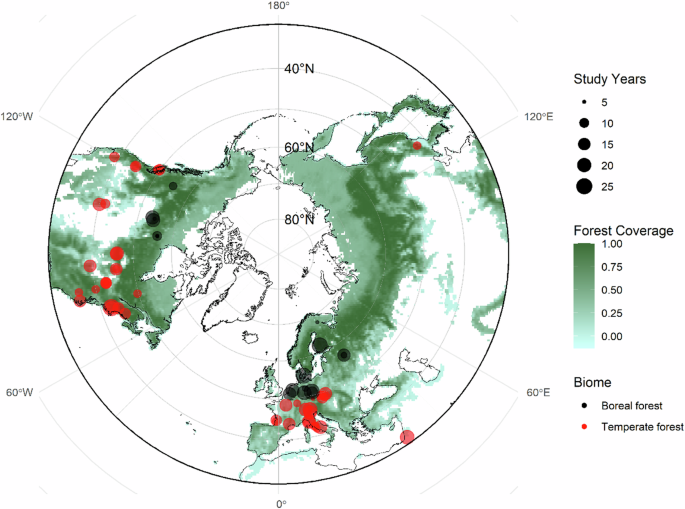
21 January 2025; doi:10.1038/s43247-025-02008-7Carbon dioxide uptake in old northern forests increases more in warmer springs and decreases less during warm summers and autumns compared with younger forests, according to an analysis of forest carbon… https://t.co/b4WoEvUgyD