A few months ago, I was building AI systems inside one of the Netherlands’ largest banks.
Today, I’m the CTO of SKUU, building a technology company from zero.
I’ll be sharing the real journey: AI, engineering, CTO decisions, wins and mistakes.
Let’s build.
@cursor_ai This is where agents become useful beyond the IDE. The big challenge now is permissions: what can the agent read, what can it change, and how easily can a human review or undo the action?
@nextjs The memory reduction is the part I care about most. Developer speed is often won through boring improvements to feedback loops, not another headline feature.
@paulg A fast no is often more valuable than six months of “maybe.” The hard part for a startup is knowing when a large deal is real enough to justify the roadmap cost.
One lesson from my CTO journey: the job isn’t just to build the system. It’s to make sure the whole team understands where we’re going and why.
Great technical leadership turns complexity into clarity, then turns clarity into momentum.
@denk_tweets@beehiiv I agree with the premium on exceptional human support. The best use of AI may be invisible: remove repetitive work, surface context and give skilled people more time for the moments customers actually remember.
@Cloudflare@nvidia Security is one of the few domains where sharing failure modes can make everyone stronger. Open research works when disclosure is responsible, reproducible and quickly translated into tools defenders can deploy.
@levie Exactly. Intelligence alone rarely changes a workflow. It needs real data, permissions, feedback loops and a clear handoff between automation and human judgment. Applied AI is mostly systems design.
“Out of stock” is not just a product problem.
It’s a customer acquisition leak.
You paid to bring the shopper in. One empty shelf sends the sale, and often the customer, somewhere else.
The next retail advantage is connected inventory.
@gregisenberg The best AI should create useful friction. Separate facts from assumptions, challenge weak reasoning and explain what evidence would change the answer. Synthetic enthusiasm feels good; honest disagreement improves decisions.
@zarazhangrui Disposable software changes what “maintenance” means. The durable asset may be the intent, data contract and constraints, not the code itself. Regenerate the tool when needed; preserve the knowledge that made it useful.
@rauchg Model choice is becoming a routing problem, not a company-wide religion. The best stack can select by task, latency, cost and reliability, then switch as the frontier moves. Lock-in is expensive when model leadership changes every few weeks.
The best businesses are not built on one-sided wins.
They grow when every participant gets stronger as the system grows.
The strongest models create alignment, not extraction.
Long-term value comes from mutual benefit.
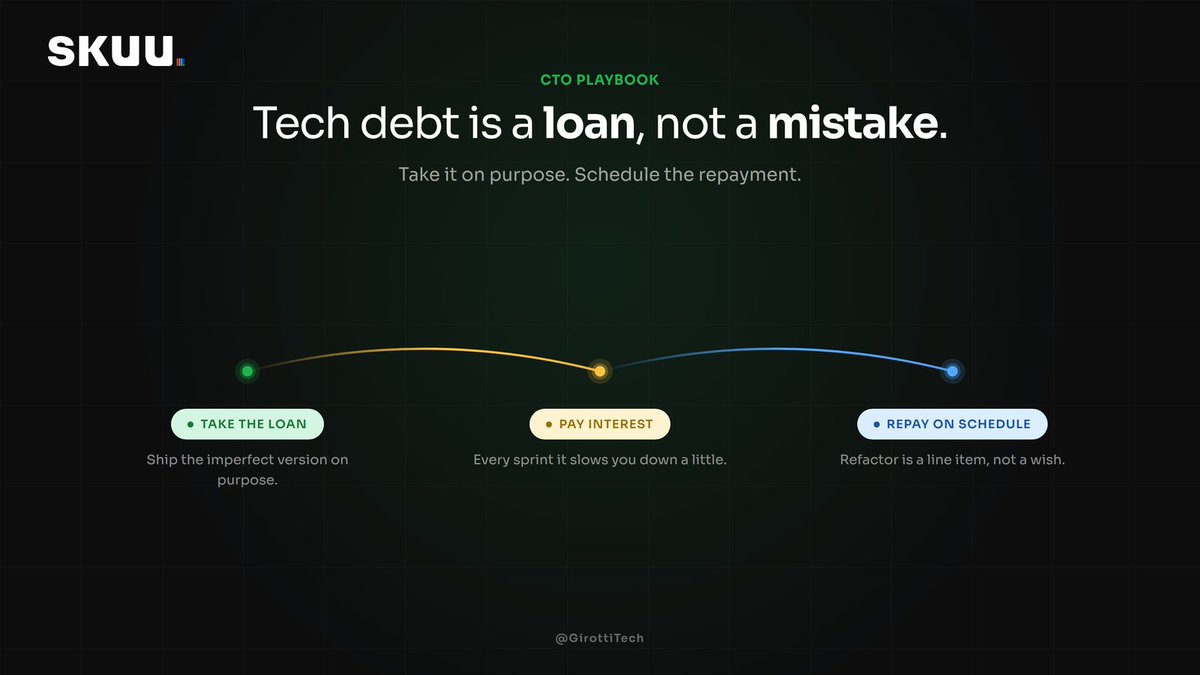
Tech debt is dangerous when it’s ignored, not when it’s intentional.
Sometimes speed matters more than perfection.
The key is knowing what you borrowed, why you borrowed it, and when you’ll pay it back.
Debt without a repayment plan becomes drag.
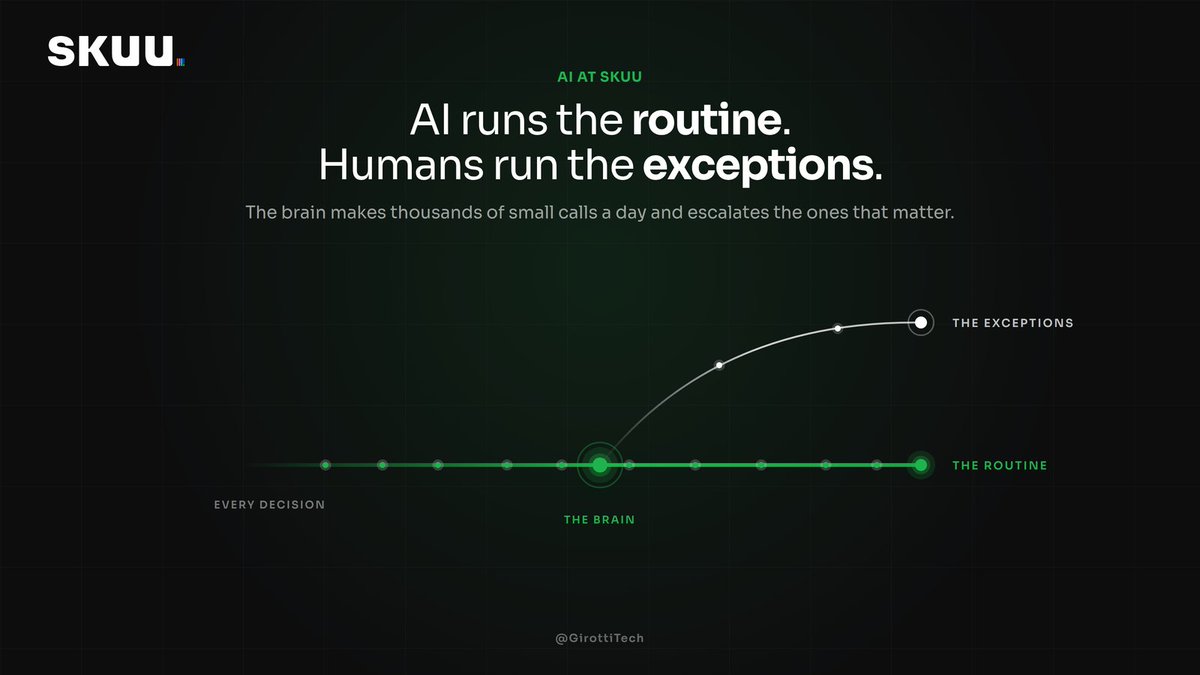
The best use of AI is not replacing people.
It’s removing repetitive decisions so people can focus on the ones that actually matter.
Let systems handle the routine.
Let humans handle judgment.
@sama Voice becomes transformative when it stops feeling like dictation and starts preserving context across turns. The interface disappears only when latency, interruption handling and memory are good enough.