We are looking for qualified medical doctors to strengthen health care for Canadians. Did you know there are 5 options for physicians to apply to live and work permanently in Canada?
• Express Entry
• Provincial Nominee Program
• Atlantic Immigration Program
• Rural Community Immigration Pilot
• Francophone Community Immigration Pilot
Explore these programs and how to apply today: https://t.co/WppZIgz9GP
Fetal Circulation: How Does Blood Bypass the Fetal Lungs?
The fetal circulation is designed around one key fact:
The placenta provides oxygen, while the fetal lungs have high pulmonary vascular resistance.
Here is the journey of blood:
⭕ Placenta ➡️ umbilical vein: Oxygen-rich blood enters the fetus.
⭕ Ductus venosus: Much of this blood bypasses the liver and reaches the inferior vena cava.
⭕ Right atrium: The better-oxygenated blood is preferentially directed through the foramen ovale into the left atrium.
⭕ Left ventricle ➡️ aorta: This relatively oxygen-rich blood supplies the brain and heart, which need the highest oxygen delivery.
Meanwhile:
◻️Blood entering the right ventricle is pumped toward the pulmonary artery.
◻️ Because fetal lungs are fluid-filled and pulmonary vascular resistance is high, only a small amount enters the lungs.
◼️Most pulmonary artery blood passes through the ductus arteriosus into the descending aorta.
◼️Blood then returns to the placenta through the umbilical arteries for reoxygenation.
The 3 critical fetal shunts
⬜ Ductus venosus: bypasses much of the liver
⬜ Foramen ovale: RA ➡️ LA
⬜ Ductus arteriosus: PA ➡️ Aorta
At birth, the placenta is removed from the circulation and the lungs expand. Pulmonary vascular resistance falls, placental vascular resistance rises, and these fetal pathways begin to close.
Remember:
Fetal circulation is essentially a system designed to bypass the lungs and deliver the most oxygenated blood preferentially to the brain and heart.
Suits was not ranked in the Top 30 most BingeWorthy TV Shows of all time.
They were Supposed to remove “Stranger Things” and replace it with SUITS… imo
STEP 1 STUDY TIP: Immunology is tough because it contains a zillion small details that could be tested but no ultra-high-yield topics that appear again and again. Start with one pass through a video series focusing on the big picture. Don’t try to memorize every cell type and cytokine. Just make sure you understand the major terms and processes. Then drill questions from a good Qbank. You’ll get a lot of stuff wrong but that’s part of the process. By exam day, you’ll have seen enough to handle most immunology questions.
And good news: it's not on Step 2!
Hemoptysis 103 : 🫁
is coughing up blood, commonly due to airway or lung disease; with massive hemoptysis requiring urgent imaging and possible embolization
Only 1 page daily ☝🏻
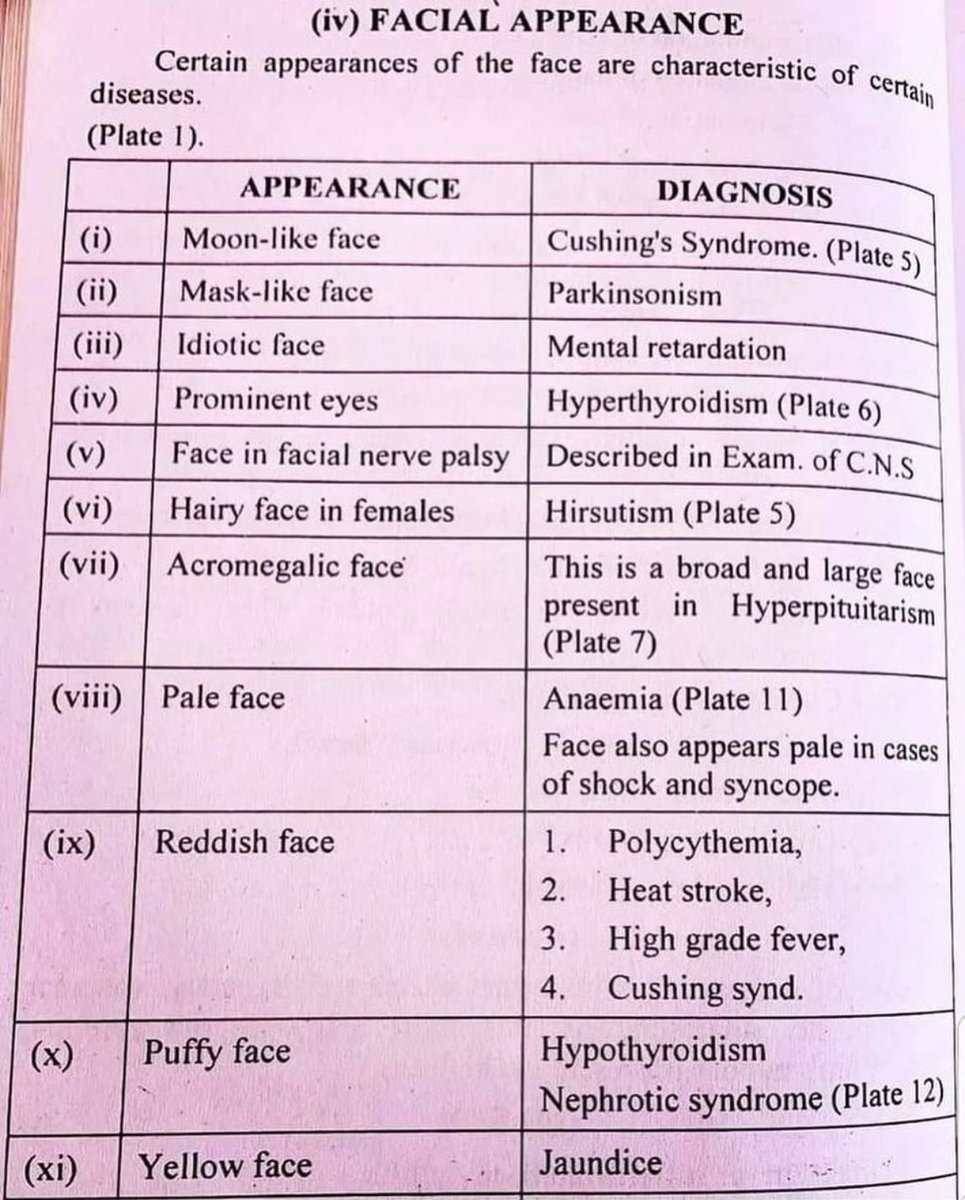
#series of Medical diagnostsis and manangement Book by Inaam Danish
Here’s the book