True education is not about factories of obedience,it’s about sparking minds,encouraging questions & nurturing.
When discipline & punitive measures become the norm & children expressing their emotions are suppressed & punished,they become a shadow of their potential selves.
Making pupils feel worse doesn’t teach self -regulation,emotional regulation or positive behaviour.
Feeling safe enough to learn does.
When our pupils are having a difficult time,they don’t need more shame & punishment.
They need safety, support & connection.
@gerrydiamond71 I don't think logic and reason are totally offline. I think they are diminished - the volume is turned down - but with the right relational approach can still be reached.
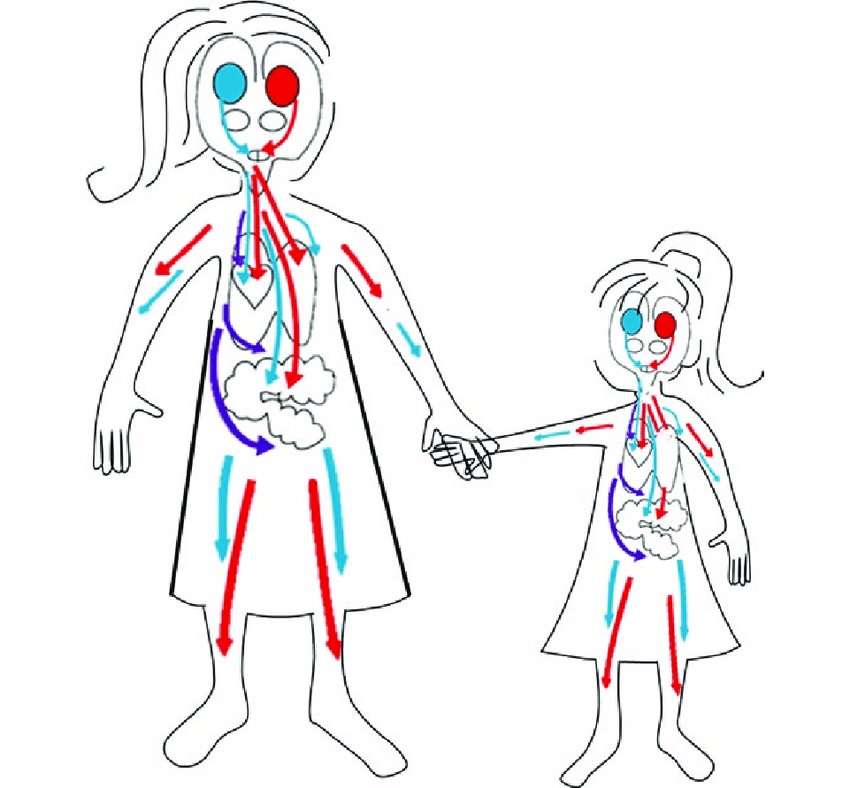
When a pupil is dysregulated they move into sympathetic activation(fight, flight,freeze)the thinking brain pre frontal cortex goes offline, logic & reason are inaccessible. Invite them back through micromoments,regulate, relate,reason & simple words of safety & belonging.🧠🌱
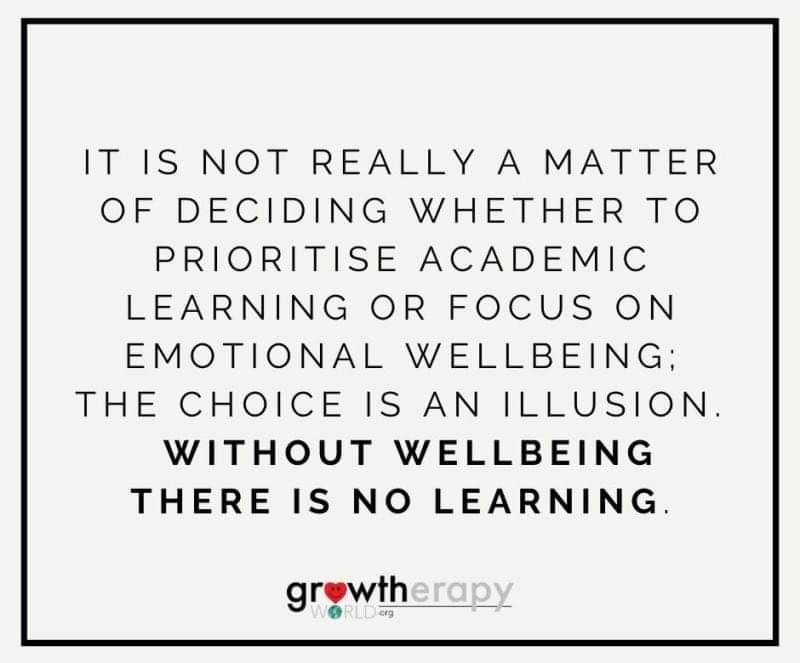
If schools want to improve attainment, it should first focus on our young people's happiness and wellbeing.
Stressed brains cannot learn,absorb,retain information, or problem solve effectively.
Wellbeing first. Attainment second.🧠🌱
💻 Upcoming Webinar - Relational & Restorative Practice: Insight from Scottish Education.
Learn more about how some educational settings are using relational and restorative approaches to create more positive inclusive learning environments.
🔗 https://t.co/xqTtptAKJB
Some young people grow up in a different world from us. They grow up in an environment that shapes their emotional, behavioural, social, and physical health. We need to look at the history of adversity and the history of relational health.🧠🌱
His approach totally disconnects the contemporary understanding of child development & neuroscience. A total disregard for approaches, understanding the why behind the behaviour instead for his rigid framework & emphasis on immediate compliance & punitive practices.🧠🌱
And here we have yet another misconception that trauma informed practices are about excusing behaviour.
WRONG!
Before we discipline, we miss out on the stories behind the behaviour that is driving it.
We need to hear their stories. Consequences can come afterwards.🧠🌱
Trauma is not what happened to you. Trauma is the wound that you carry because of what happened to you.
What should have happened that didn't. The lack of connection, the neglect.
The care that you never got.
This is called relational trauma, which is too often overlooked.
🧠🌱
Trauma impacts a young persons ability to learn & self-regulate,with cognitive functioning & concentration problems caused by actual changes in the brain.
A trauma informed/responsive educational system would train staff to be well-versed in the science of development.🧠🌱
Masking is a huge issue in schools & it can go so unoticed before its too late, leading to emotional crashes. It may seem that everything in fine in school.Quiet,compliant,but underneath, they are overwhelmed ,anxious & exhausted. At home,tears,frustration, panic.🧠🌱
What if all schools changed the name "School Behaviour Policies" to "Positive Relationship Policies" instead...what a change in thinking and ideology for the better that would be.🧠🌱
The phrase “challenging behaviour” was invented nearly 40 years ago, in 1987, in a King’s Fund Centre report. Only two editors were named. The true authors were never made public. No disabled voices were credited.
And yet this "UK-made phrase", never recognized in the DSM or ICD was adopted into policy, training, and guidance worldwide.
Over time, it became a label pinned on children and adults. A tool to stigmatize. A justification for restraint, seclusion, and exclusion.
So the question isn’t just where did this phrase come from? It’s:
👉 Who created it?
👉 Who benefited from it?
👉 And why has it been allowed to shape decades of harm?
Since 2019, ICARS has been uncovering this history — mapping the UK entities, individuals, and networks behind the spread of this language, recovering out-of-print reports, analysing historic restraint training and ‘reduction’ manuals, and tracing how it shaped today’s culture of restraint and seclusion in education.
Our research shows how a phrase with no science behind it, no collaboration with the disability community, and no disabled expertise has become embedded in policy and practice — propping up the very systems tied to the Restraint Industrial Complex. #AgainstRestraint
When supporting pupils with multiple ACEs,there is no quick fix solution,we also can't change the past.Its about the little interactions, being present & creating space to help them feel & grow.Opening up conversations that are healthy & supportive.
Transformation takes time.🧠🌱
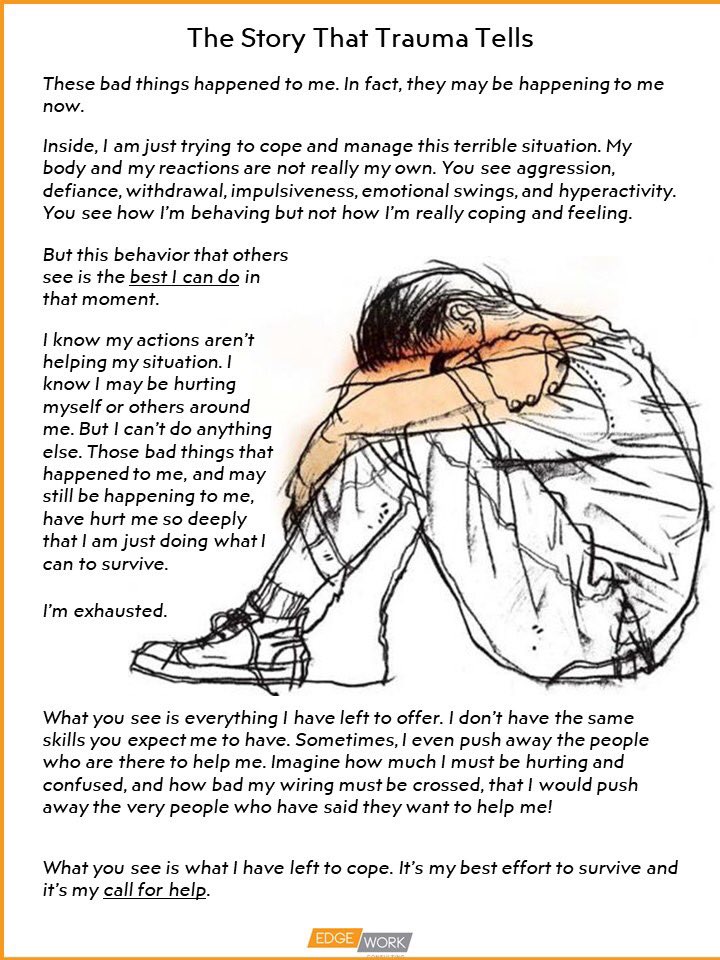
The Story That Trauma Tells.
If we infused trauma informed / responsive approaches into our education systems, this would help us understand the stress response system to help our young people deactivate these defensive manoeuvres that ensure their survival.🧠🌱