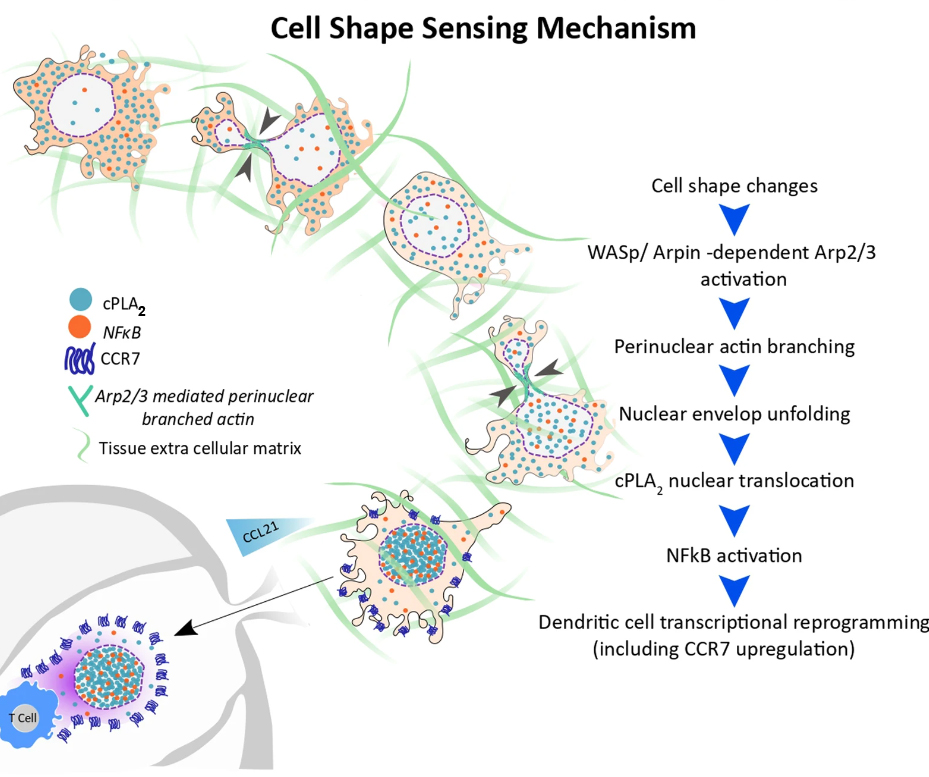
So happy🥳4 @ZahraaAlraies & all the colleagues from @institut_curie@piel_matthieu@LennonLab 4 publishing this cool story! Mechanical cues sensed by iDCs via cPLA2-Arp2/3 are relayed into transcriptional programs endowing the DCs w.tolerogenic potential https://t.co/LmWf83dXwg
Investigating the basis of lineage decisions and developmental trajectories in the dorsal spinal cord through pseudotime analyses
Read this Techniques & Resources Article by @Sandeep04998190, Eric Heinrichs, @NovitchLab & @Butlerlab_UCLA:
https://t.co/9Y1SZXP5wa
Attention organelle enthusiasts!!
I am beyond thrilled to introduce Nellie: a fully automated pipeline for organelle segmentation, tracking, and hierarchical feature extraction in 2D/3D live-cell microscopy.
paper: https://t.co/TfVLFTobd2
github: https://t.co/A4cdRp2gRe
🧵1/N
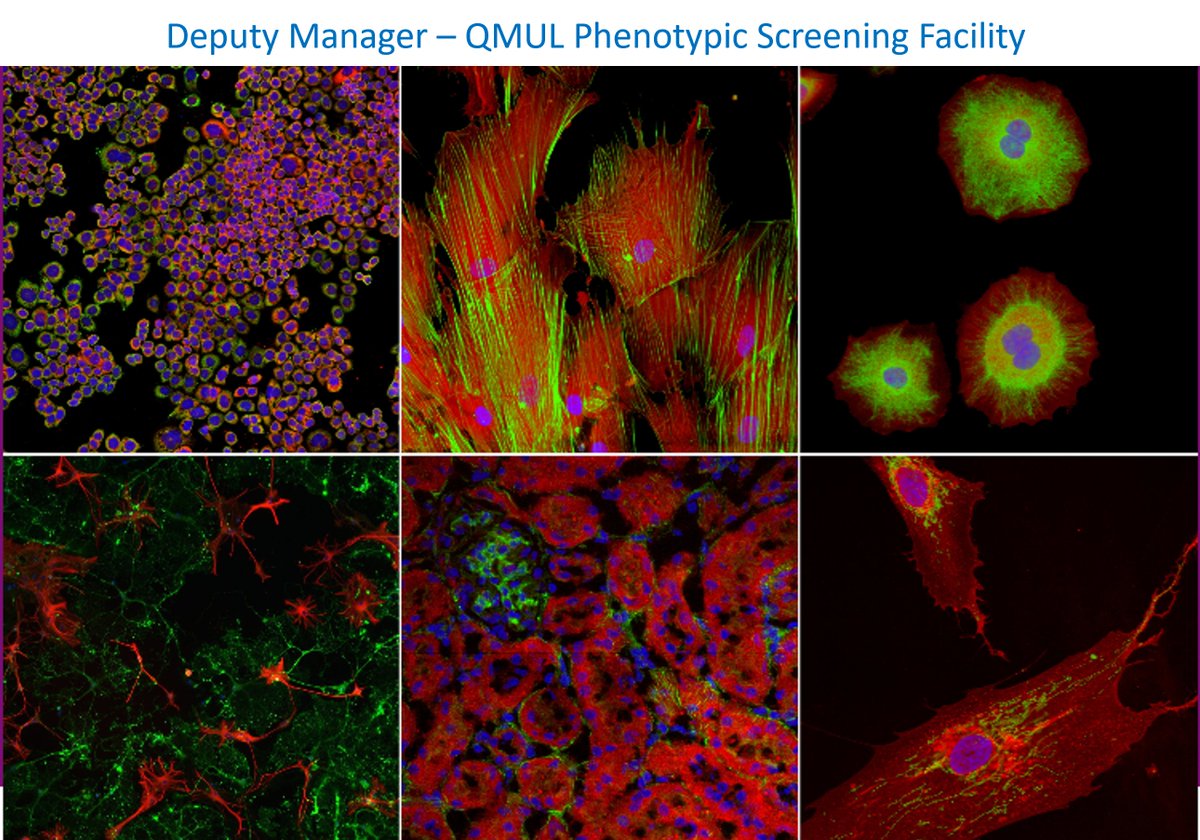
New Year, new job? Excited to be #hiring a Deputy Manager for our Phenotypic Screening Facility #microscopy#multiplex#highcontent#drugdiscovery#screening Excellent training and development opportunity. Interested? Get in touch! Or share! 👉 https://t.co/gKwrNM7uJF
Hibernating brown bears rarely suffer from blood clots despite 6 months of immobilization.
A recent Science study revealed a factor that appears to protect the animals against this immobility-associated thrombosis. Learn more: https://t.co/IFxV9Kup7F, https://t.co/1X8Xq2XwN5
Dogs are humanity's best friend—but how long has it been that way? 🐕
This Science study investigated ancient dog genomes, revealing a complicated genetic legacy that reflects a long, shared history with humans. Learn more on #InternationalDogDay: https://t.co/nzyDVXiUwf
As part of our commitment to increasing transparency in our editorial and peer review processes, we are very pleased to announce that we are now publishing peer review reports (including editorial decisions letters and author rebuttals) for original research papers.