Thank you Blue Supporters for sponsoring the National Mitigation and Environmental Markets Conference! Looking forward to seeing everyone in Jacksonville, May 8-11 #nmemc#ecologicalrestoration#EnvironmentalMarkets
It's a Fact!
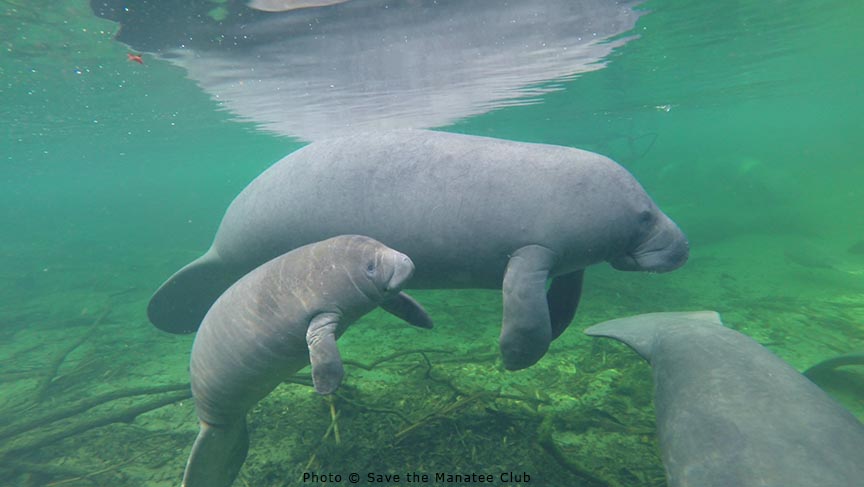
The average Florida manatee is 8-10 feet long and weighs 800 - 1,200 lbs. The largest manatee ever recorded was over 13 feet long and weighed over 3,500 lbs. Calves at birth usually weigh 60-70 lbs.
Find more facts at https://t.co/8DspBpmG8Y #Wildlifewednesday
It's a Fact!
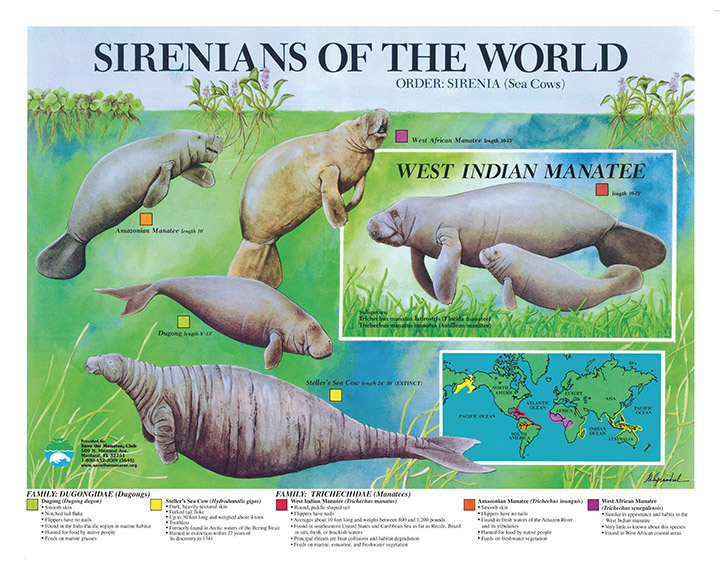
There are 3 different species of manatee: The West Indian manatee, the Amazonian manatee and the African manatee. The dugong is a cousin species of the manatee and lives in Australia and the Indo-pacific.
Find more facts: https://t.co/8DspBpDJaY #WildlifeWednesday
We need to have a talk about the birds and the bees. 🐦🐝
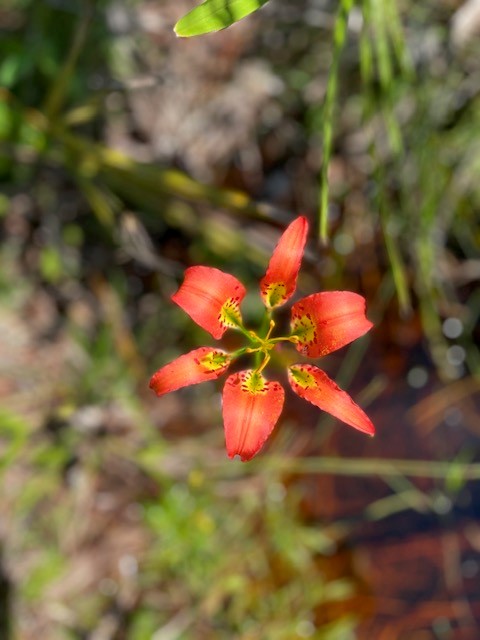
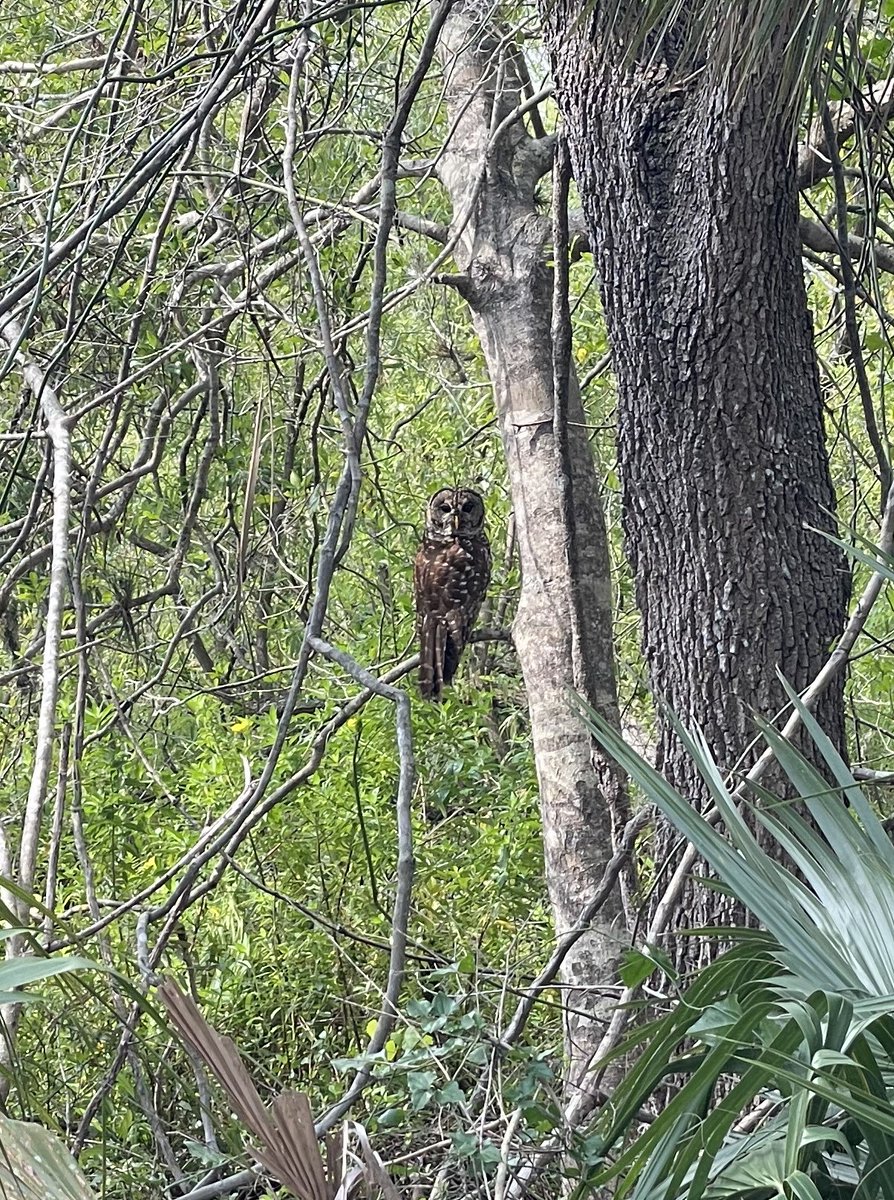
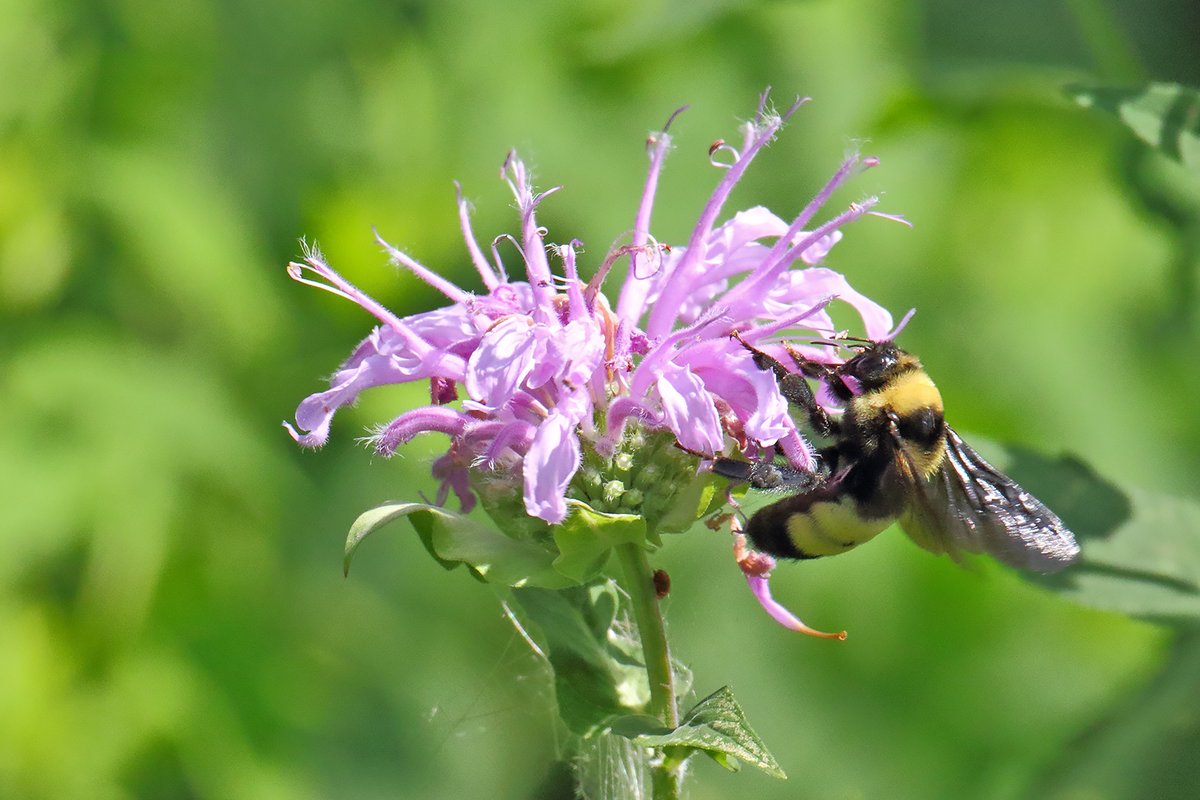
Did you know that birds, bees and many others benefit from planting flowers native to your area? These plants provide vital food and habitat for many species and are easy to care for. Photo courtesy of Gordon Garcia.
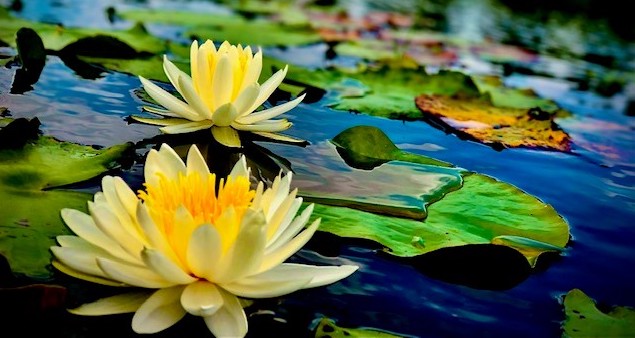
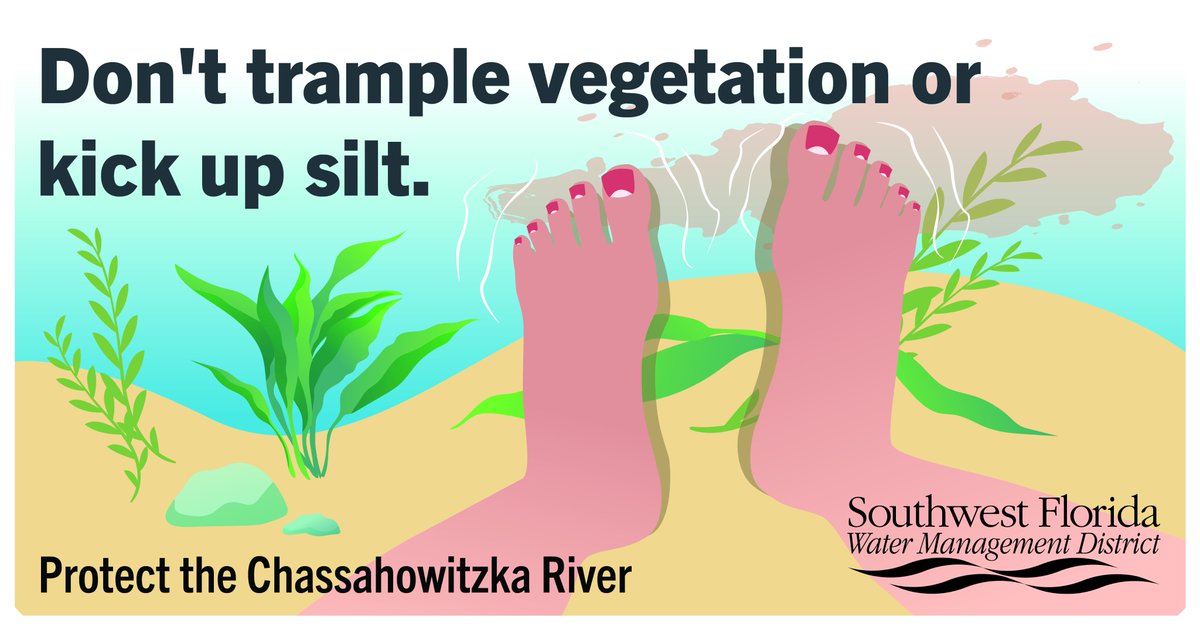
Vegetation is very important for the Weeki Wachee River. It helps with water clarity, provides food for manatees and habitat for animals. Find out how you can help protect the vegetation when visiting the river. https://t.co/wnWQXgixJZ
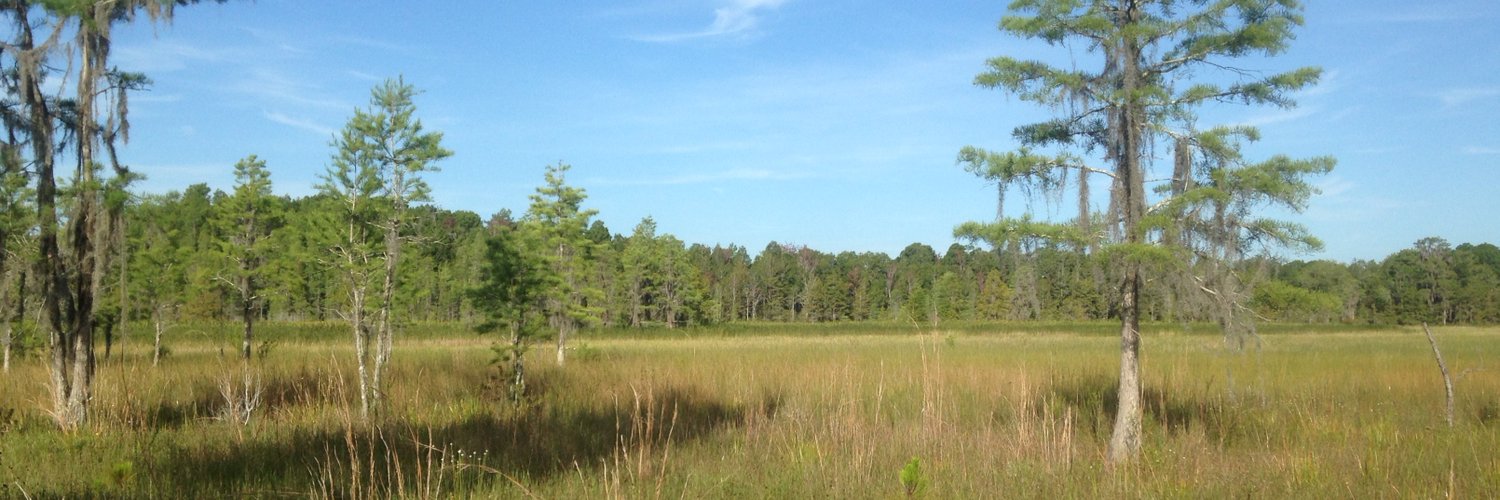
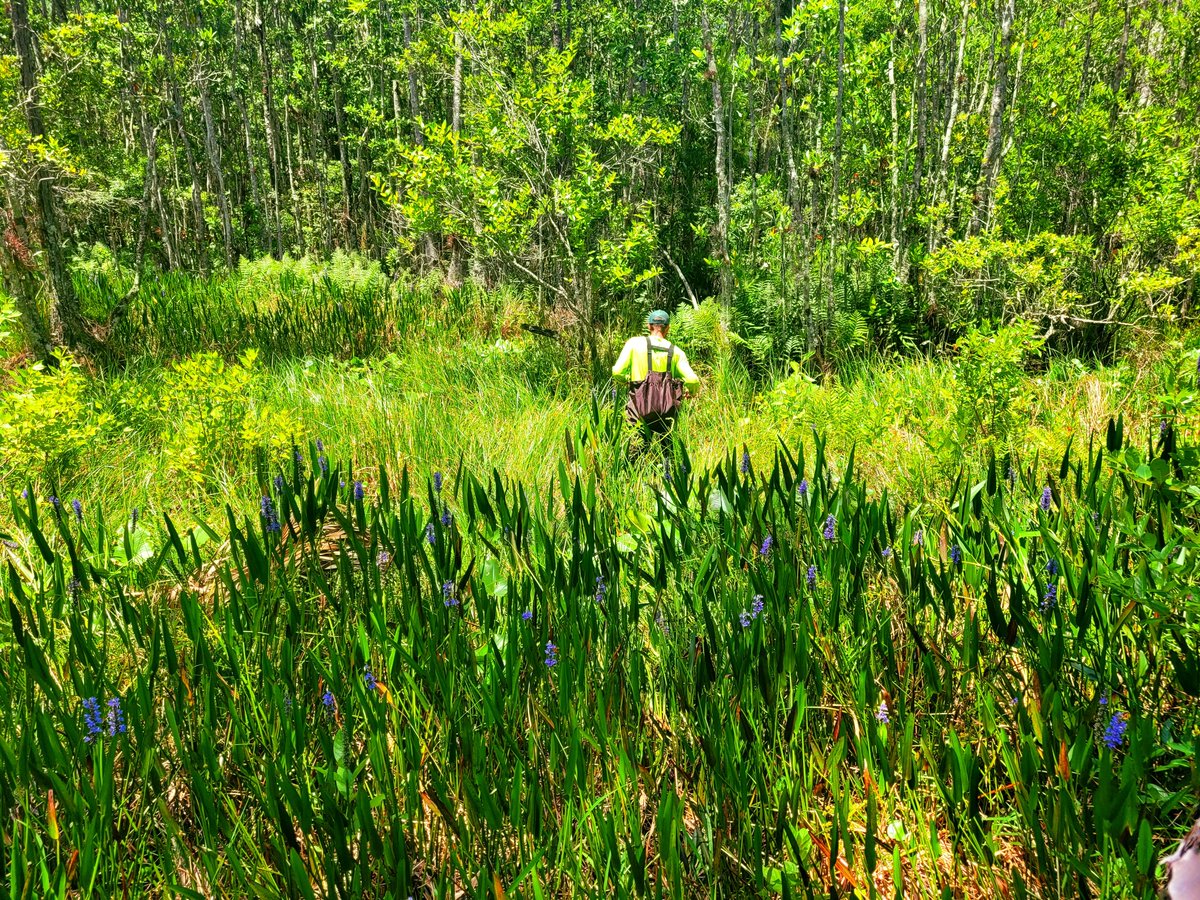
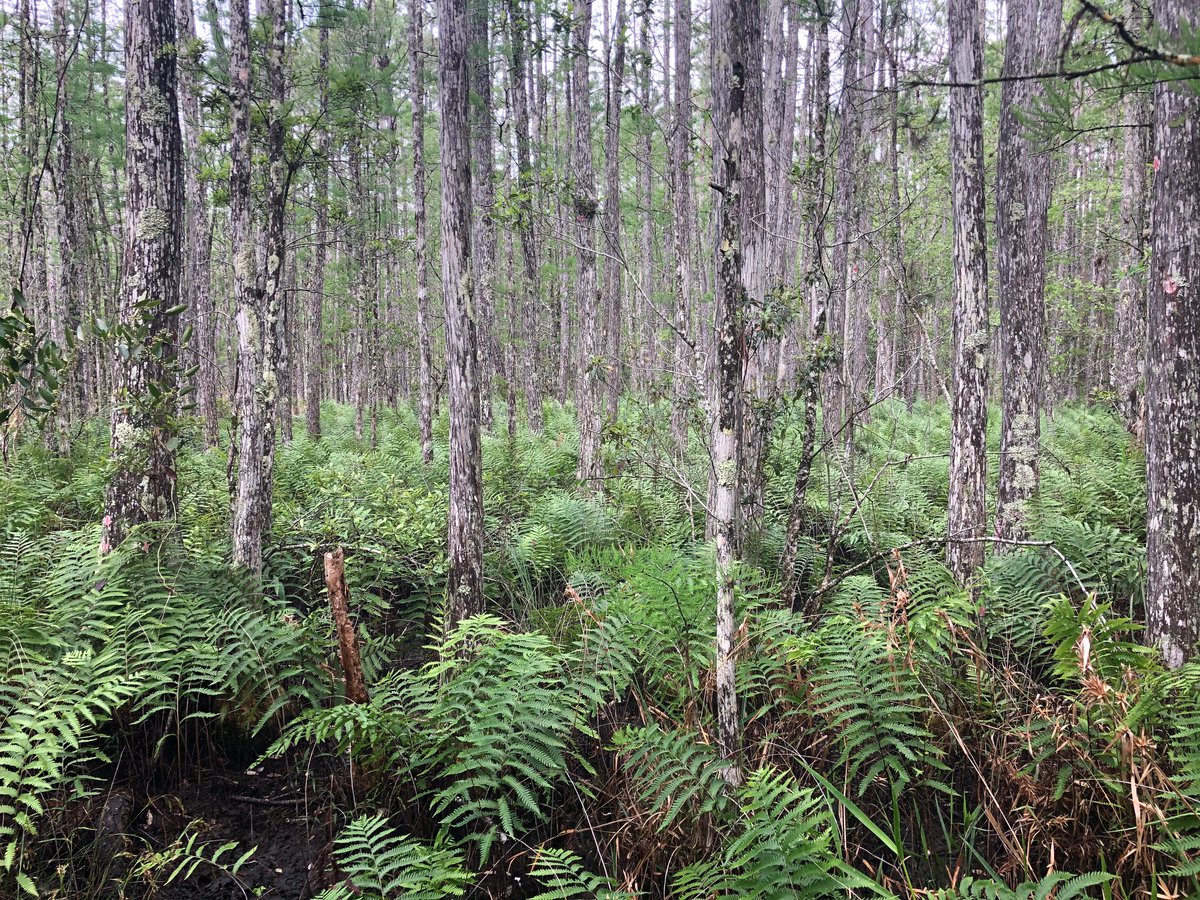
Missing Link Mitigation Bank
Polk county Florida
Wetland impacts located in the Southern Ocklawaha River and Palatlakaha River (Nested) basin.
Credits
Freshwater Forested
Freshwater Herbaceous
Palustrine Forested
Palustrine Emergent
#polkcounty#wetlands#mitigationbanking