For the cost of a mere quarter-mile of light rail (a whopping $210 million!), you could instead put 3,000 Waymo vehicles on the road. Or 7,000 Cybercabs. Or add 200 brand new all-electric buses to CapMetro’s fleet. And you could run them all over town, anywhere and anytime the demand for public transit arises. And those numbers rely on the last cost estimate Austin Transit Partnership made public, which was over two years ago! Cheap, flexible, and quickly deployable alternatives, without relying on federal funding or 20% higher property taxes permanently.
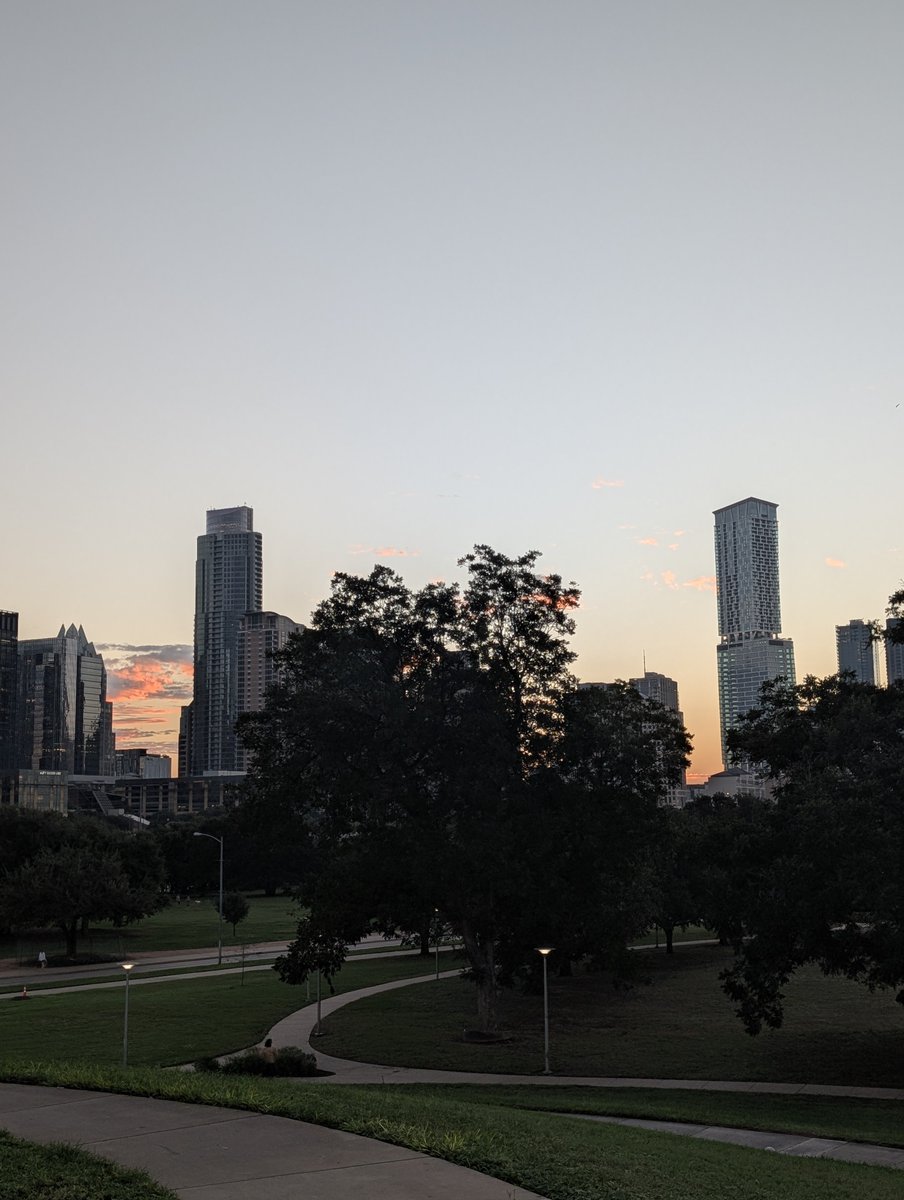
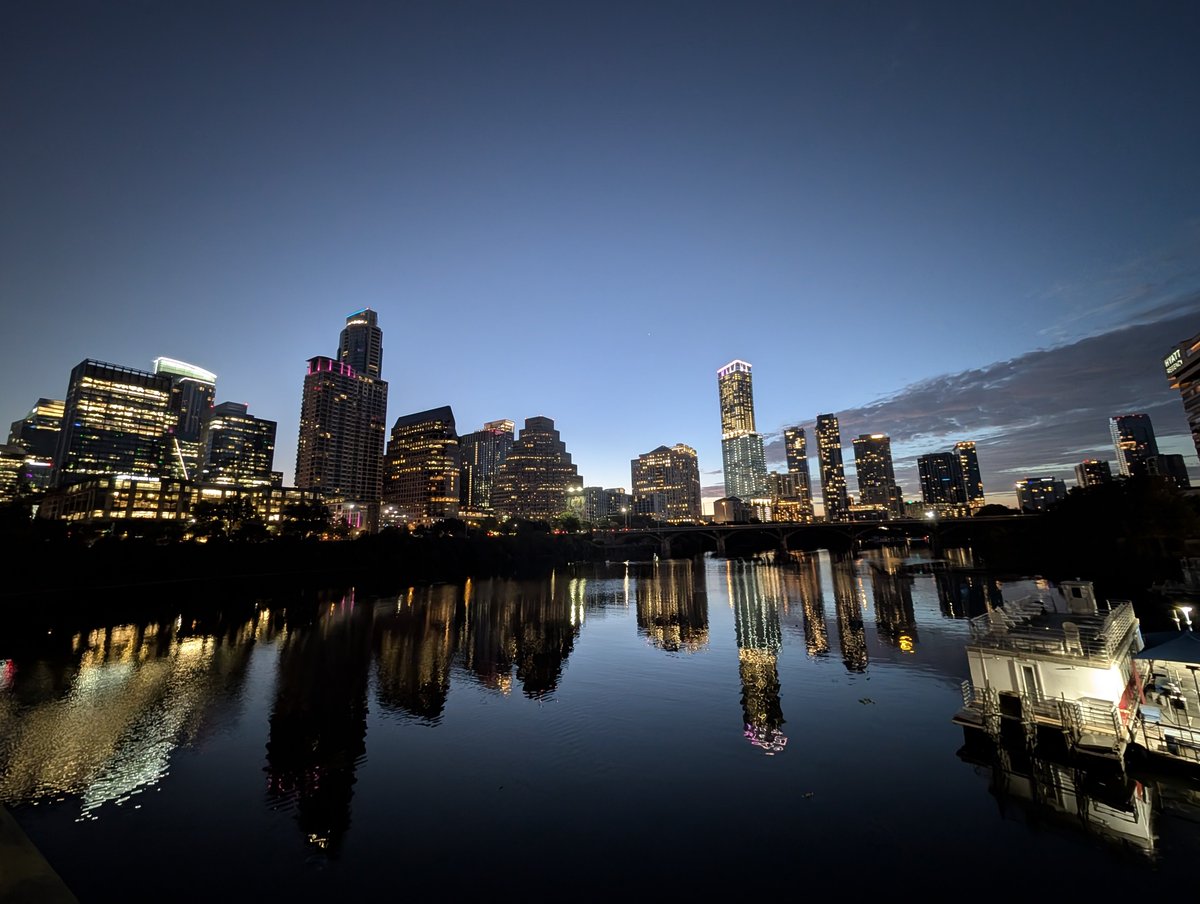
Happy Flip Day, Austin! Today is the day when the morning temperature finally flips to be cooler outside than inside. I recommend celebrating in the traditional way: open up all of your windows and get outside. Enjoy. @averytomascowx
When we look at an oak, a sequoia, or a balsa tree in the Amazon rainforest, we're looking at solidified carbon and oxygen.
Trees do not obtain structural mass from the soil; it comes out of thin air. Plants are built almost entirely from atmospheric gases—living, complex architectures of carbon, oxygen and sunlight. No wonder that as children, we hug them, play and climb in them, or wander through their woods, hearing them sighing in the wind.
Around 90% to 95% of a tree's dry weight is carbon and oxygen, pulled directly from atmospheric carbon dioxide. Most people assume trees draw their body from the earth, yet the soil volume beneath a canopy remains unchanged as a sapling matures into a giant.
Roots do not consume dirt to build branches; large trees leave no gaping holes in the ground. Instead, the root network is a mechanical anchor to hold the heavy tree structure upright, while absorbing water and a tiny fraction of soil minerals—nitrogen, phosphorus, and potassium. These are their biological multivitamins, accounting for less than 5% of final dry mass.
Through photosynthesis, sunlight breaks apart carbon dioxide and water molecules. The plant releases oxygen back into the atmosphere and chains the remaining carbon and oxygen into glucose molecules, forming complex structural polymers like cellulose and lignin.
Across the globe, an estimated 3 trillion trees hold roughly 500 billion cubic meters of wood. Every forest on Earth is in reality solidified atmosphere—hundreds of billions of tons of air trapped, structured and given physical form by living plants.
Mankind owes its survival to these friendly giants of the natural world.