✨SimpleDIVA 2.0 is here! ✨
Our major update is the added functionality to fit data from reflexive in addition to adaptive experiments. Feedback welcome!
Download from @GuentherLab ⤵️
https://t.co/m26WlMVOHU
Paper describing reflexive model ⤵️
https://t.co/awwyzNcRba
🏆Guenther Lab doctoral student Hilary Miller was awarded an NIH/NIDCD F31 predoctoral fellowship to fund her dissertation work on "Predictors of Speech Motor Sequence Learning in Neurological Disorders." Please congratulate @hilaryemiller on her amazing accomplishment! 🎉🎉
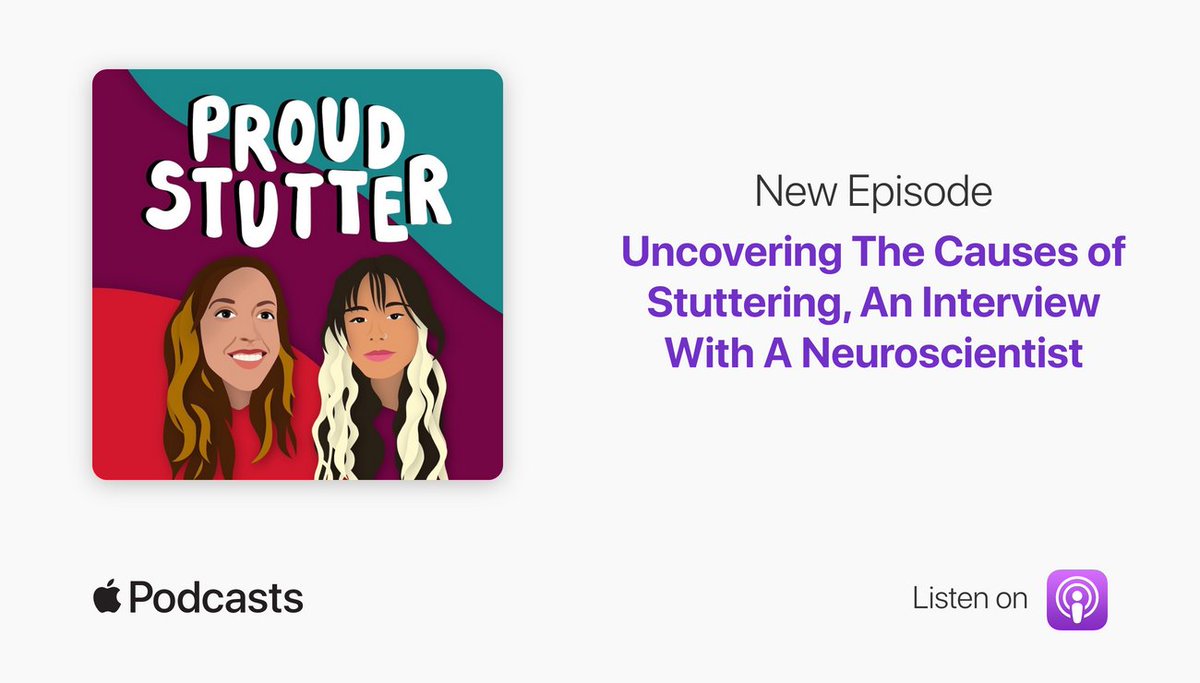
Check out this podcast featuring Dr. Frank Guenther, "Science Finally Has a Good Idea about Why We Stutter" from Scientific American.
https://t.co/ExRMkXsnAE
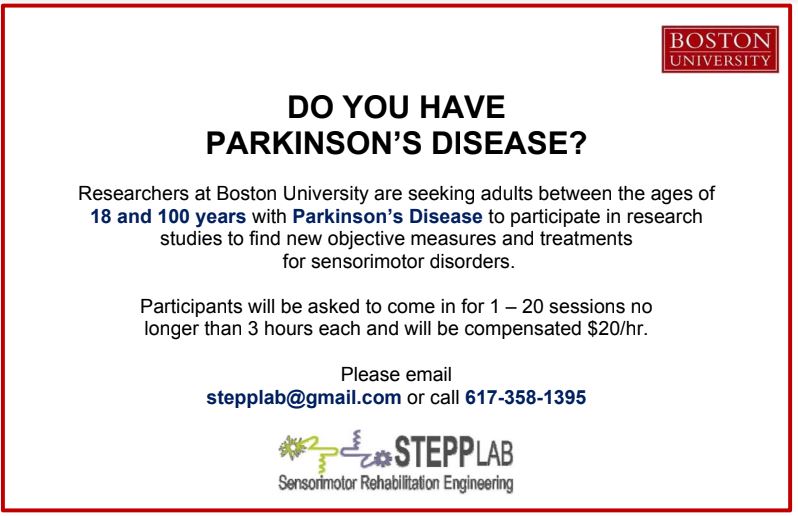
We are recruiting adults between the ages of 18 and 100 years who have Parkinson’s disease for our studies at Boston University. Studies may involve speaking and listening tasks. Please see the flyer attached & contact [email protected] for more information about participation.
Assistant Professor @jaybohland's project "Manipulation of sensory-motor coupling during speech production" was awarded Pitt Momentum Seeding funds! Congrats, Dr. Bohland! Read more about this bold approach to studying speech production ➡️ https://t.co/vFl6sXgl6q
@PittSHRS
We are excited to announce the arrival of our new mobile research lab! This van was purchased through funds received from two generous donors- @ArsenTomsky and Mike Pinkert. (1/5)
📢Event Alert! 📢 Register early for March 24th ✨️ lightning talk✨️ by Professor Frank Guenther on the effectiveness of brain-computer interfaces in restoring speech. 🧠👂🗣️🎙️Registration link below 👇
🌟Upcoming event! 🌟🧠Did you know you could use brain computer interfaces to restore speech?🧠
Register in eventbrite for an engaging session with Dr. Frank Guenther @BU_Computing
Thursday, March 24
1pm – 2pm ET
https://t.co/KHLepN2Ewm
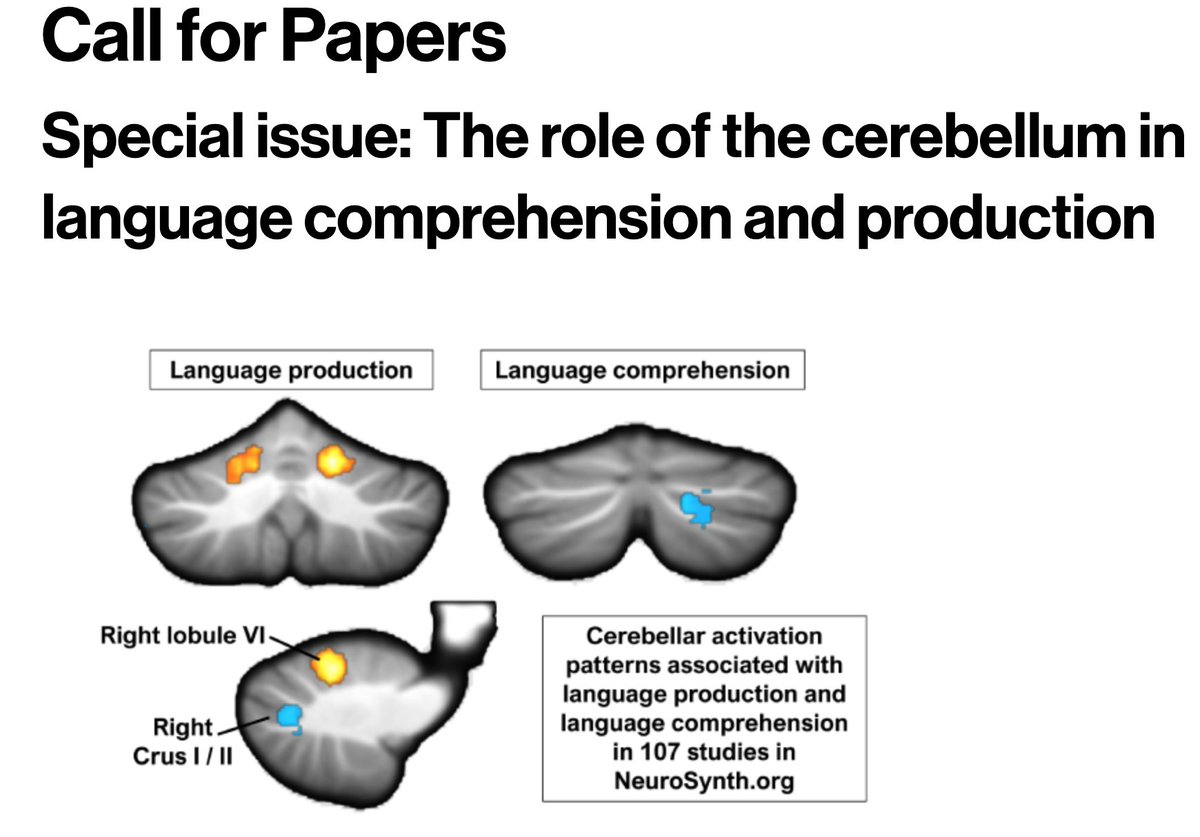
Call for papers for Special Issue on the role of the *cerebellum* in language comprehension and production! | https://t.co/msuSrl5y5h | Submit your cutting-edge cerebellar research to Guest Editors Julie Fiez & Catherine Stoodley
Previously viewed as a psychological problem, stuttering may have more to do with an anomaly with a specific brain function, explains @ckbergland https://t.co/AbZEkOuykY
Calling all researchers in communication sciences and disorders and based in the US, please consider filling out this survey on #OpenScience practices in our field!
Delighted to finally share my Master's thesis work at @UofNH! We looked at #acoustic measures of #prosody as our primary outcome measures in this #CAS group treatment study. Now available #OpenAccess in Developmental Neurorehabilitation! https://t.co/VBBGEqtJQX
Registration for Boston Speech Motor Control Symposium 2021 is now open! We are going virtual this year! Check out the twitter thread here for the amazing line-up of invited speakers! 👇#2021BSMCS 🗣️🧠🦻🎙️ Find more info at conference website ➡️https://t.co/WZs4S63wJZ 1/6
Congratulations to all the #BU faculty promoted to full Professor including @carastepp@SteppLab! Stepp specializes in the treatment of voice, speech, and swallowing disorders by integrating speech science, computer science, and engineering 👏👏
https://t.co/GdTi5VYm0H
Attending #ISSP2020? Check out poster session 2 today at 12:30 EST to see @hilaryemiller present new findings on repetition deficits in primary progressive aphasia and @FrankfordSaul share his interesting work on the rhythm effect in stuttering.