There's more to law than just Mr Law.
You might have spotted a famous new face in legal tech this week. While some are hiring film stars, others are busy building software that works.
So if you want legal tech that delivers, not a celebrity cameo, you know where to find us.
Last week in the UK was sweltering. The kind of weather that demands serious refreshment.
So as the hot months arrive, Claren is bringing back our summer drinks.
This year: 4 June, the day before Crafty Fest, one of the best events of the summer for in-house teams.
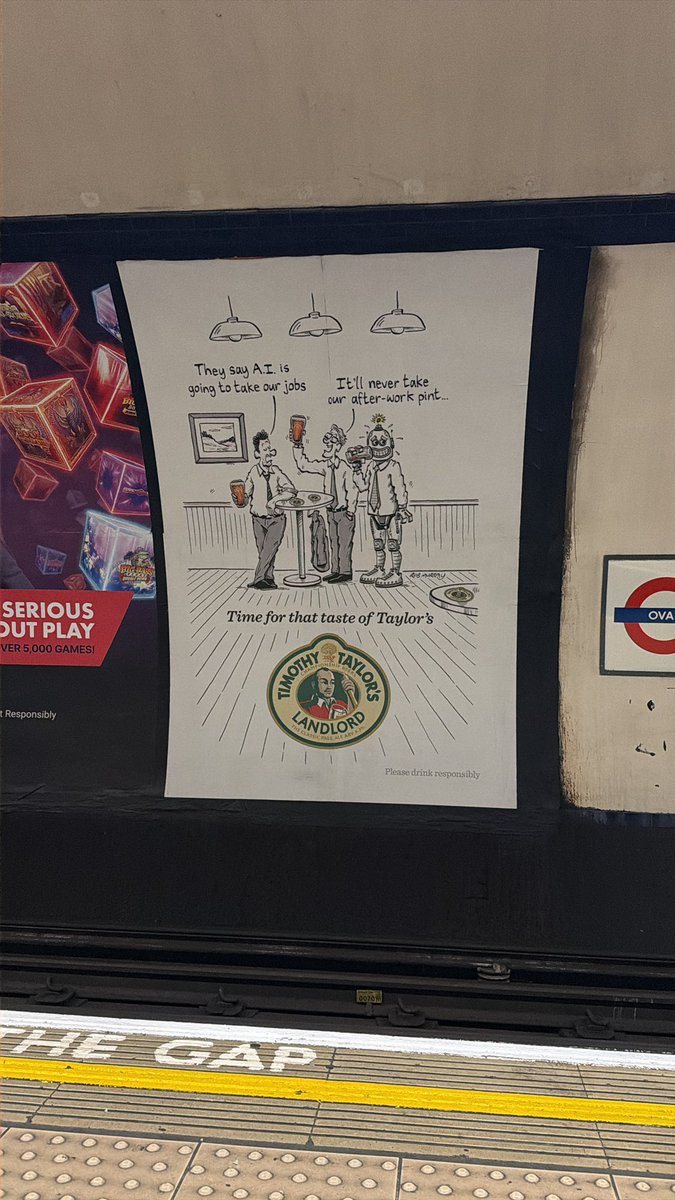
Come chat AI, legal tech and ops. And get the honest answer to the question quietly worrying everyone: is AI going to take my job?
(No. It gives you leverage. The good bit is the conversation about what it unlocks, how to actually use it, and where human expertise and judgement matter more than ever.)
Consider it a gentle warm-up for the main event. Pace yourself, and you'll get to Crafty Fest with a clear head.
Link to sign up here: https://t.co/uAGRuZ7DUl
P.S. In the spirit of the topic: the photo is real, but the background has had a little AI help. The original vibe was more airport ceiling than Marylebone pub. Me and the pint remain proudly human.
For months, Claude Code set the pace. From late 2025 it was out in front, and it wasn't a close race.
This week our engineering team moved a chunk of our coding work off it and onto Codex. It was never going to take OpenAI long to fight back, and Codex has quietly become very good.
Here's a thing that surprises people new to AI. Some days a model just feels worse. Slower, less sharp, like it's not really trying. And you're left guessing: is it the model today, or my prompts, or just a harder task?
Often you genuinely can't tell. One reason is quantization, which is when a model is served at lower numerical precision to run cheaper and faster. Usually the quality drop is too small to notice. It's a normal engineering trade-off. But the model behind a fixed name can change, and you rarely get told when or why.
That uncertainty is the real point. If you wire your whole stack to one model, you inherit whatever that lab does next, including the parts you can't see. In legal, where a client relies on the output, that's a real cost.
It's why we don't try to pick the winner ourselves. We route across models, monitor performance constantly, and update what's running behind the scenes, so the best engine is always on the task and the churn stays our problem rather than the customer's.
The frontier keeps moving. The point is to keep moving with it.
Claude for Legal had its week last week. Six months ago it was Gemini, the year before it was ChatGPT. The leading lab keeps on changing...
In reality, the model hasn't been the bottleneck in legal AI for a while. It's been two things: the harness, and the human layer on top.
The harness is what makes the AI actually work for a legal team. Workflow depth, business logic, context that builds up matter to matter.
The human: a regulated, insured lawyer for the high-stakes matters. Not something a model lab will ship, not least because regulation doesn't allow AI to practice law (and probably won't for some time).
Lots of teams will start on Claude and want to upgrade to something legal-specific. Lots will also want a real lawyer at the other end when it matters.
What teams don't want is to keep bouncing between Claude, Gemini and ChatGPT every time there's a new model. They want someone who gets their context, human or AI, and delivers it end to end.
From my days as a lawyer, I still know some of the world's greatest legal minds who run their entire practice from their 2008 Yahoo email.
Legal as an industry doesn't always adopt new tech easily. Which is why training matters just as much as the software.
But often a lawyer joins one prompt training or a short walkthrough, something clicks, and they never review a contract the same way again. Once they're past that first hurdle, they become some of the stickiest power users you'll meet.
Today we're launching Claren Academy to make that hurdle as low as possible. Short tutorials, real workflows, prompting tactics, live sessions, and a community of lawyers sharing what's working.
If your team uses Claren, everyone has access from today. https://t.co/ftPvIzu2Og
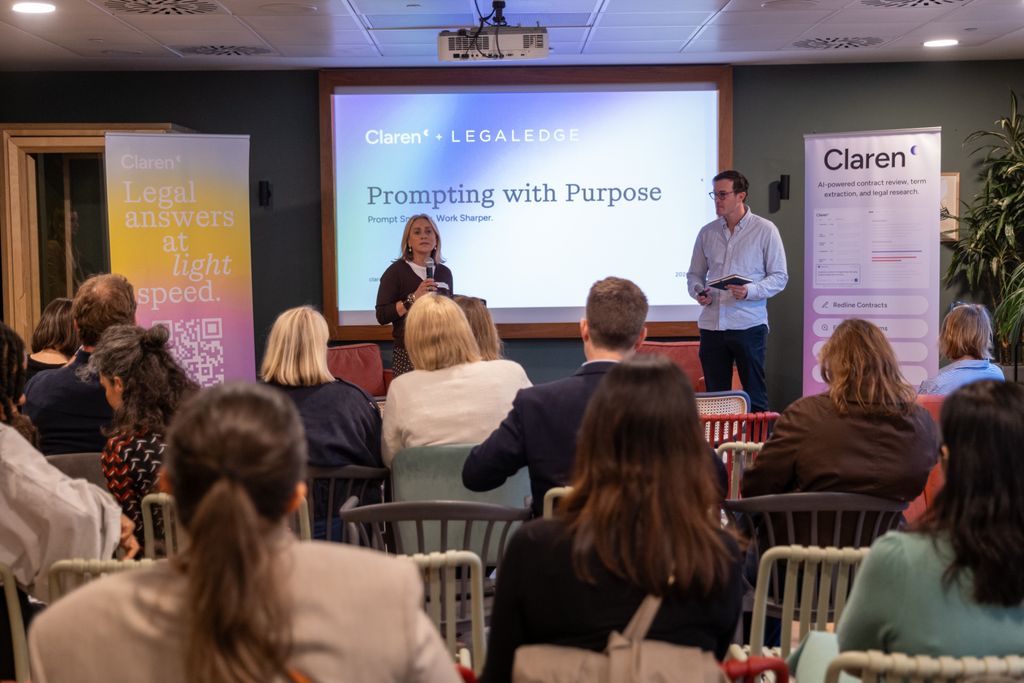
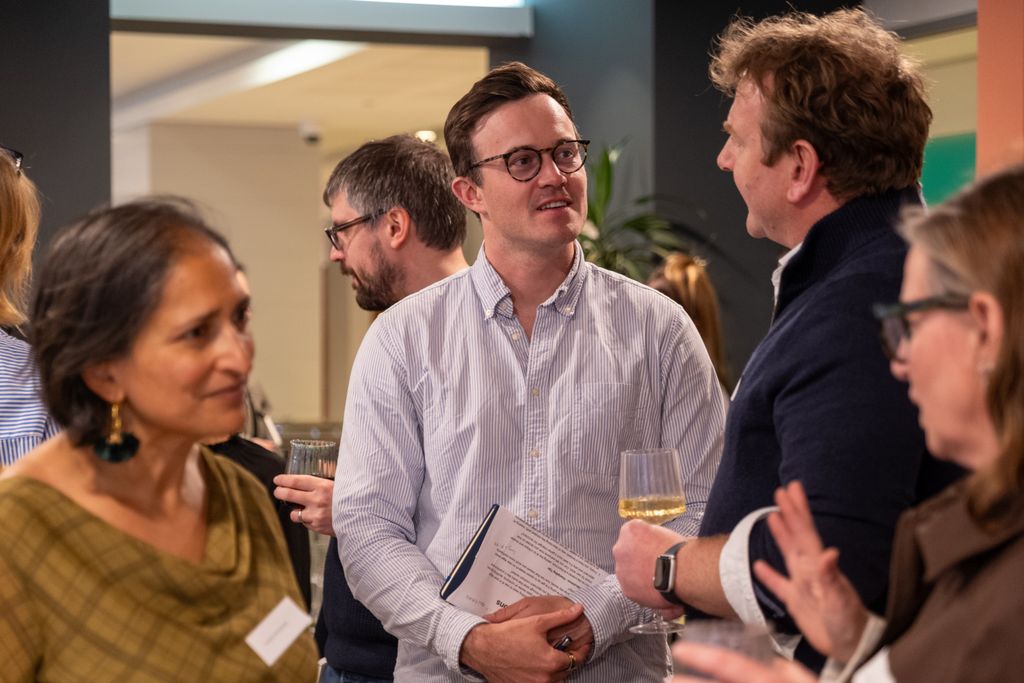
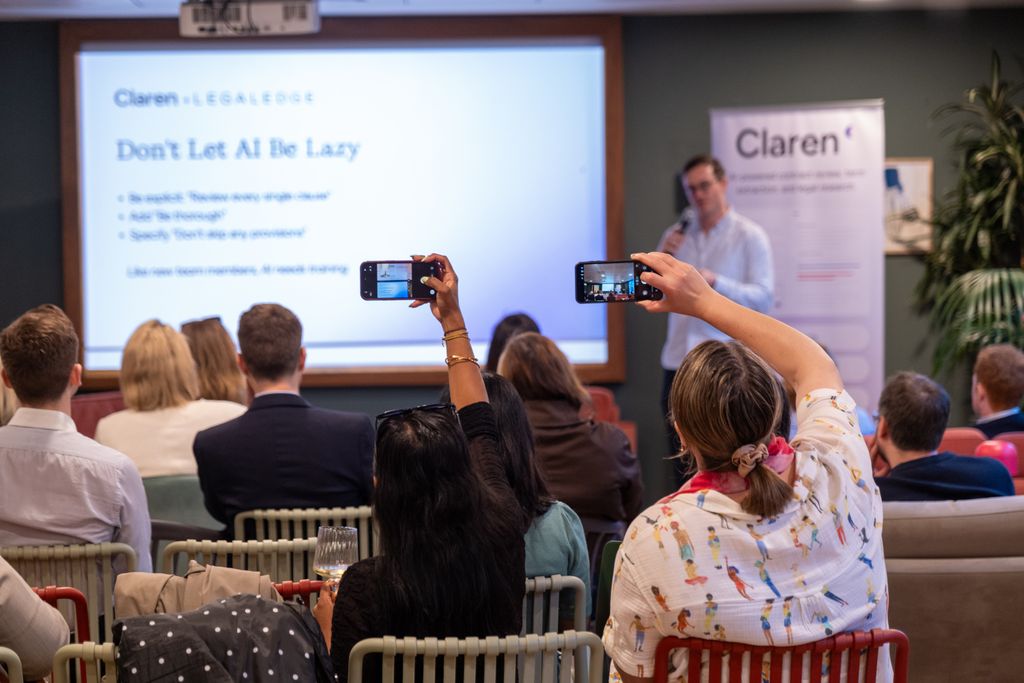
Really loved co-hosting last night's event with LegalEdge on how to prompt with purpose.
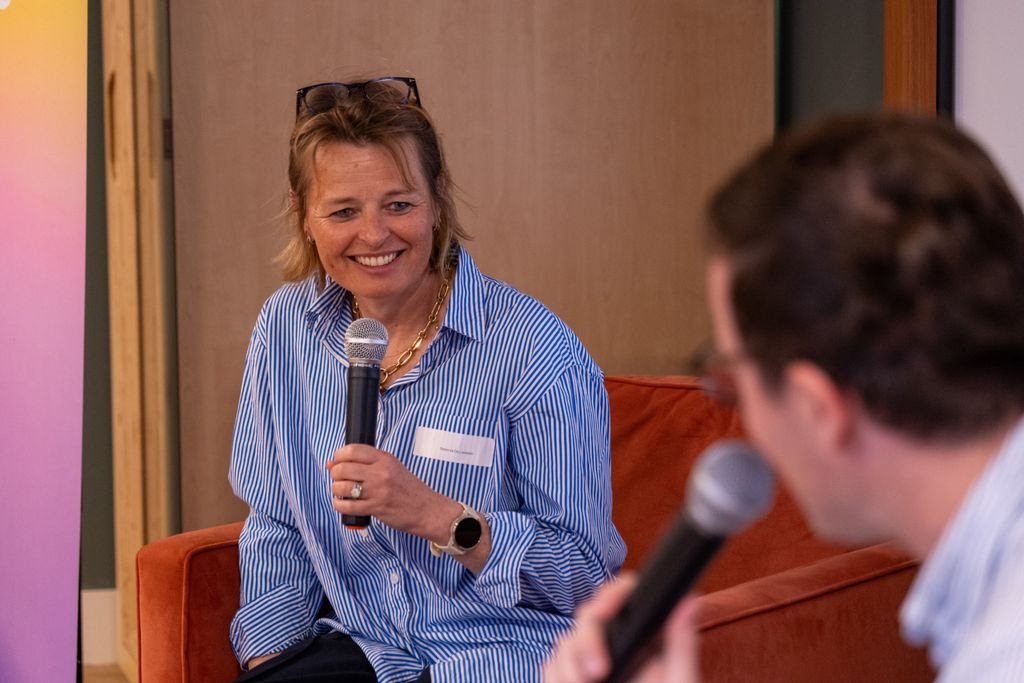
It was great to see such a strong turnout in the room, and I especially enjoyed sitting down with some of the LegalEdge superusers to hear how they get the most out of Claren and to swap prompting tips.
A big thank you to the LegalEdge team. You're all incredible and we're looking forward to hosting more of these together!
@gradypb “What can you achieve when your plans are measured in centuries?” - great food for thought, reframes what’s possible by several orders of magnitude