Our recent paper in JCEM from the Raine Study suggests a paradigm shift in how we think about metabolic risk in people with PCOS. Those with coexisting MASLD/ SLD are at higher metabolic risk than PCOS alone @EASLnews@TheEndoSociety#PCOS#MASLD
https://t.co/690EJvhXzj
Excessive colonoscopy and the law of diminishing returns. When colonoscopy is repeated unnecessarily or prematurely within 3 years of a high quality colonoscopy, likelihood of colorectal cancer is negligible and yield of advanced colorectal polyps is low https://t.co/s2SRfrtpLh
If you like the sound of L-CKM Syndrome, then check out our review in Heart Lung and Circulation
“Connecting the Dots: Hepatic Steatosis as a Central Player in the Choreography of the Liver-Cardiovascular-Kidney-Metabolic”
See article link: https://t.co/bzW8cZJIJ5
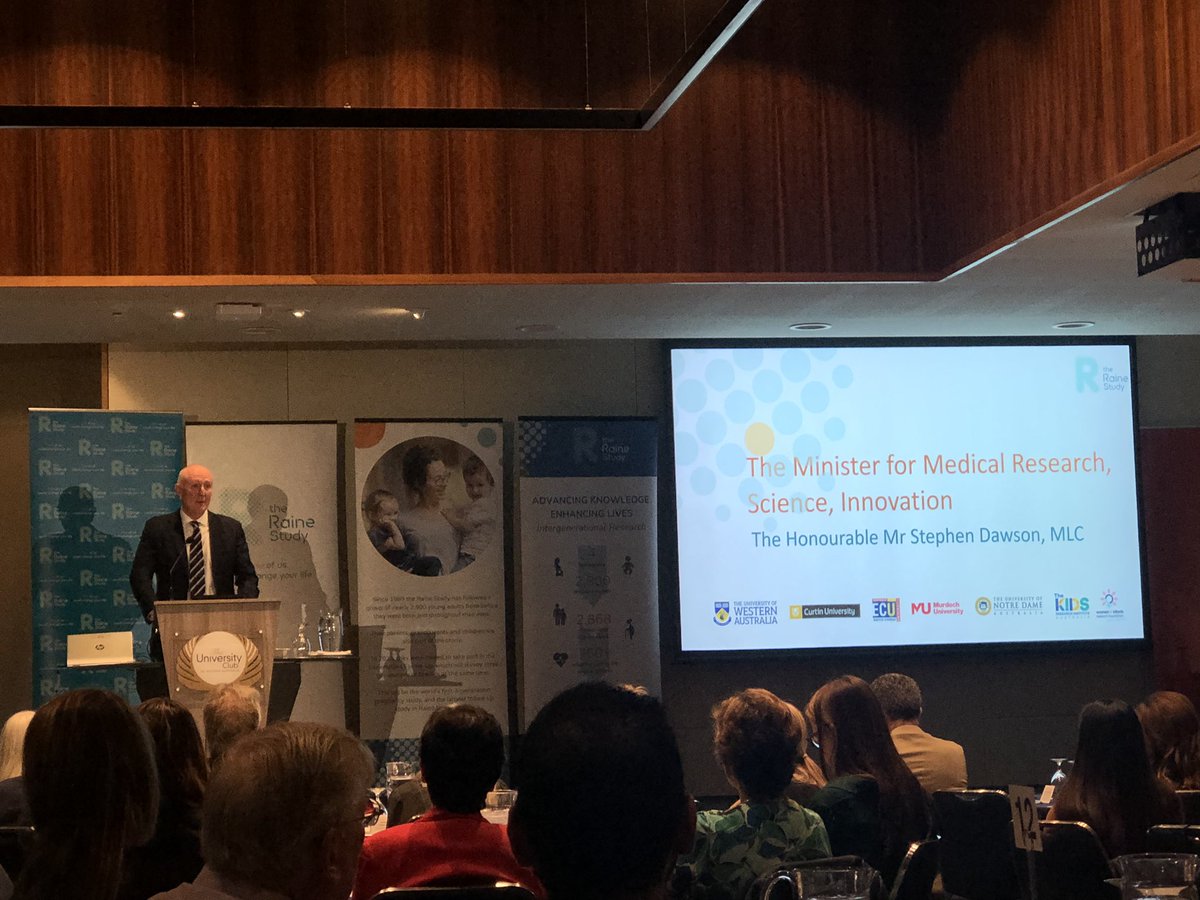
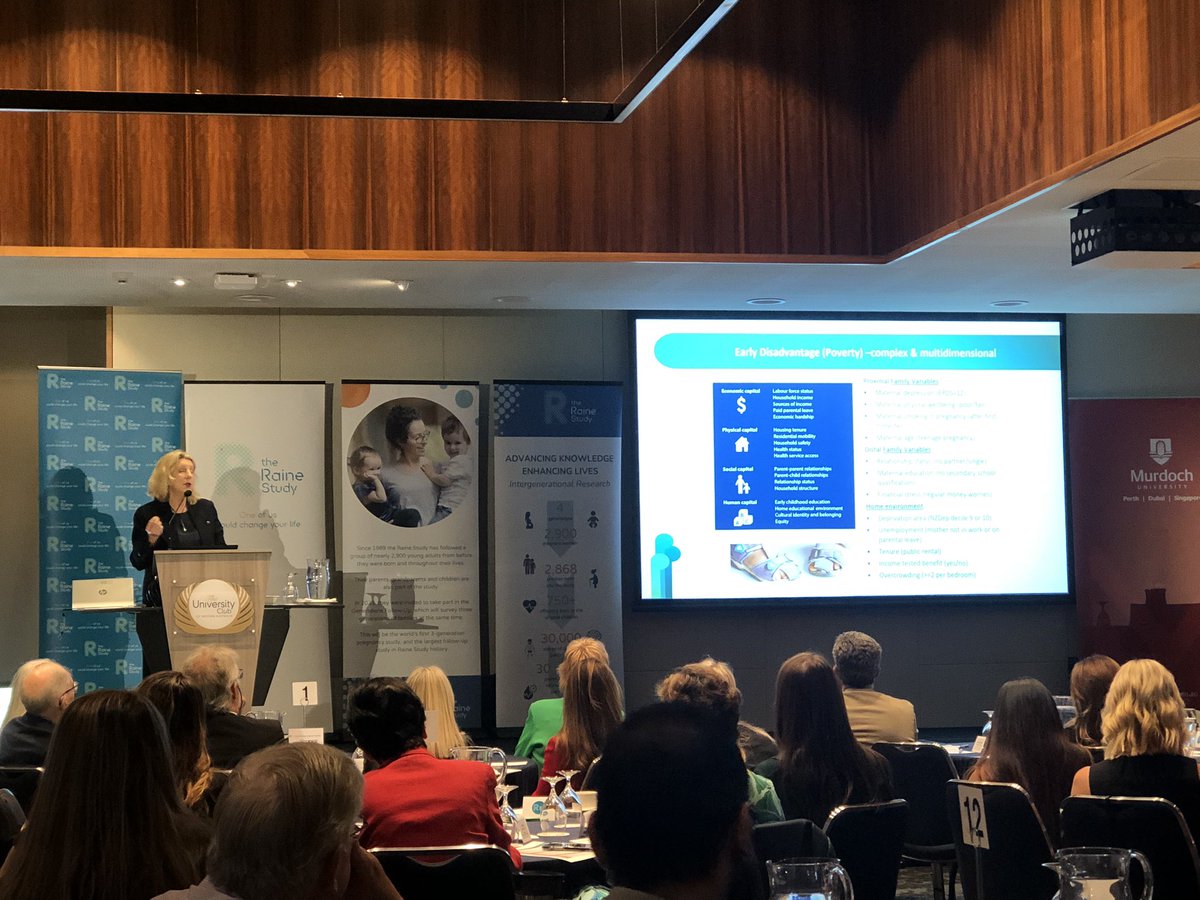
The Raine Study…one of the most successful multigenerational longitudinal cohort studies in the world. Started as a pregnancy and birth cohort and now 35 years later…going strong. @RaineStudy@UWAresearch@uwanews
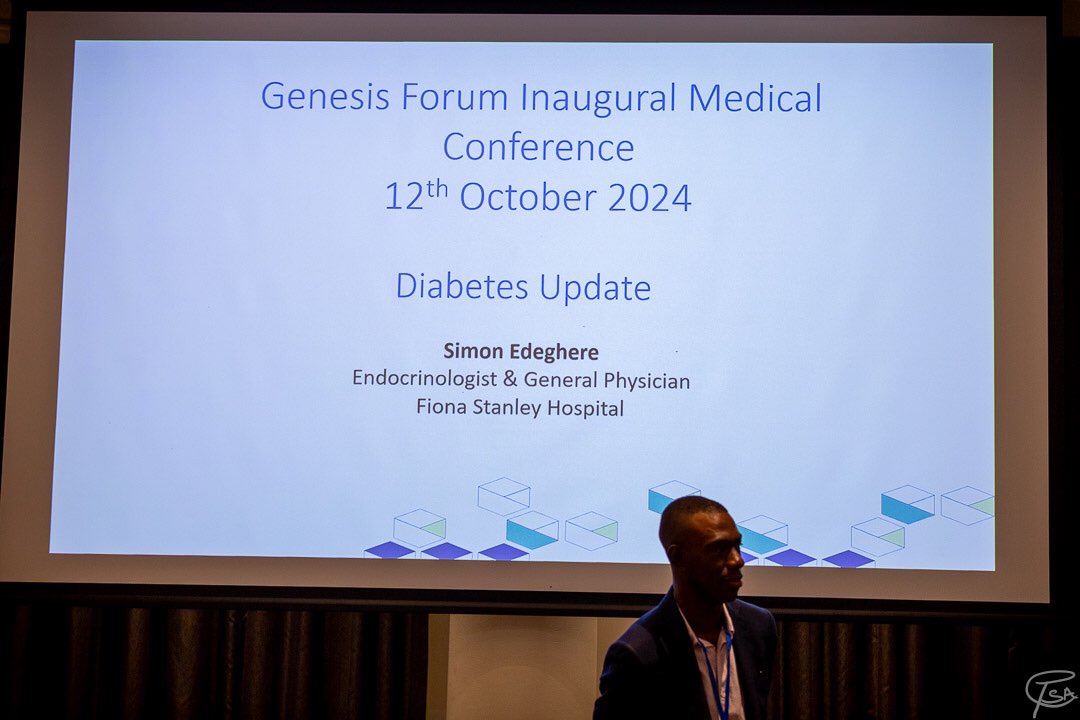
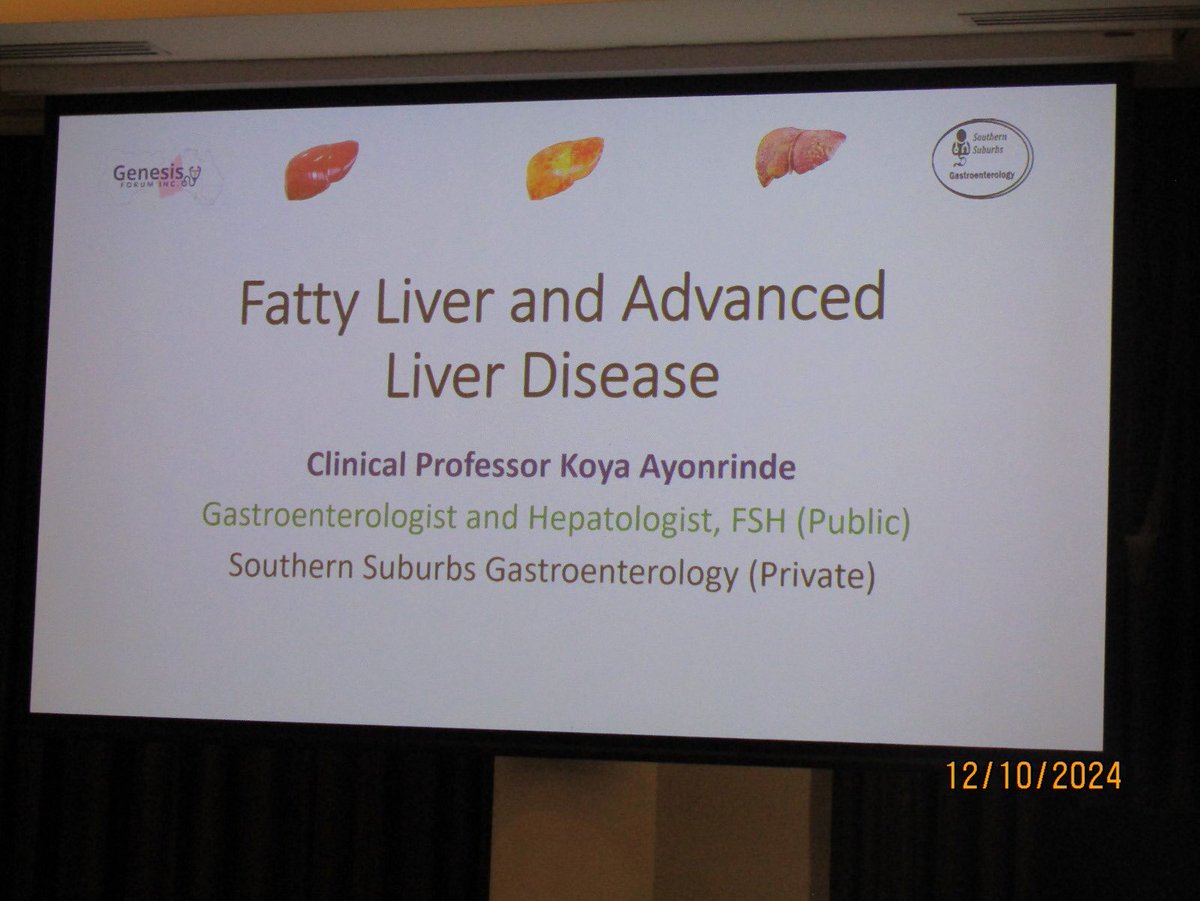
Genesis Forum Association of Nigerian doctors in Western Australia had an inaugural medical conference today. Topics were #dementia by @asanakpan , steatotic liver disease by @GutLiver , coronary CT imaging, diabetes, adolescent mental health, stroke + a student presentation.
@stevenbollipo@james_fiori@chriscraigCCC Good question, @stevenbollipo . We were unable to determine whether cancer biopsy, polypectomy or other biopsy came first…and we are not suggesting a change in practice. There is a risk of seeding, which led us to seek any significant association in our CRC population.
Proud of this paper in collaboration with @james_fiori that provides some reassurance about risks of metachronous CRC when biopsies or polypectomy are performed in the same colonoscopy as when CRC is diagnosed. Keep an👁️ on anastomoses. https://t.co/gBaZNo6RgI
@stevenbollipo
This is important! While liver fibrosis is a deserved outcome to prevent and treat to reduce cirrhosis and liver cancer, liver fat also matters. The more the amount of liver fat, the higher the risk of type 2 diabetes and heart disease.
Here is another very interesting poster from this week's American Diabetes Association conference. "The leading cause of death in patients with steatotic liver disease (SLD) is CVD."
"As SLD is frequently associated with metabolic disorders such as type 2 diabetes (DM), the concept of MASLD has been proposed. MASLD can be classified according to the type of associated metabolic dysfunction. Among MASLD subtypes, MASLD with DM (DM-MASLD) was shown to have a major impact on the development of CVD. However, the presence of SLD and status of concomitant metabolic abnormalities change over time. Since it is unclear how the incidence of CVD changes when DM-MASLD transitions, this study aimed to clarify this issue."
"Changes in incidence of CVD due to changes in DM and MASLD status are shown in Figure 1. Remission in DM and MASLD each significantly reduced the incidence of CVD. Remission of hepatic steatosis in DM-MASLD patients was comparable to remission of DM in preventing new onset of CVD."
Poster: 1278-P - Changes in Cardiovascular Disease (CVD) Incidence Due to Remission of Diabetes and Metabolic Dysfunction–Associated Steatotic Liver Disease (MASLD). Poster lead author: Yasuhiro Matsubayashi.
@EASLnews@AASLDtweets@CASLupdates@EuropeLiver@GlobalLiver@scottisaacsmd@ISGLOBALorg
@MajaThiele @ReibergerThomas@docberza@VWSWong@WFUMB Non-invasive liver assessment is definitely improved by having adequate information about the patient, understanding the disease, correct examination technique and proper interpretation. These 👆🏾 guidelines update on how to achieve more reliable elastography results.