⚡ Are electric cars the future? Is it worth buying a hybrid car?
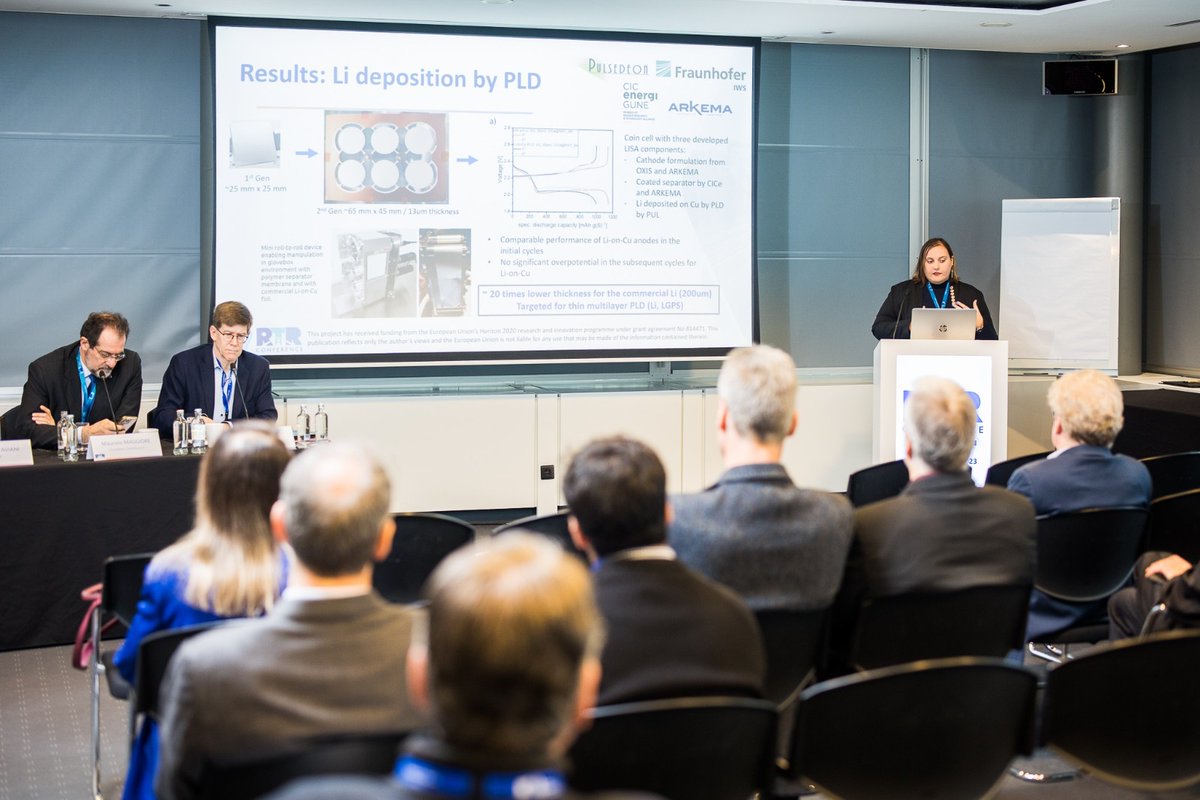
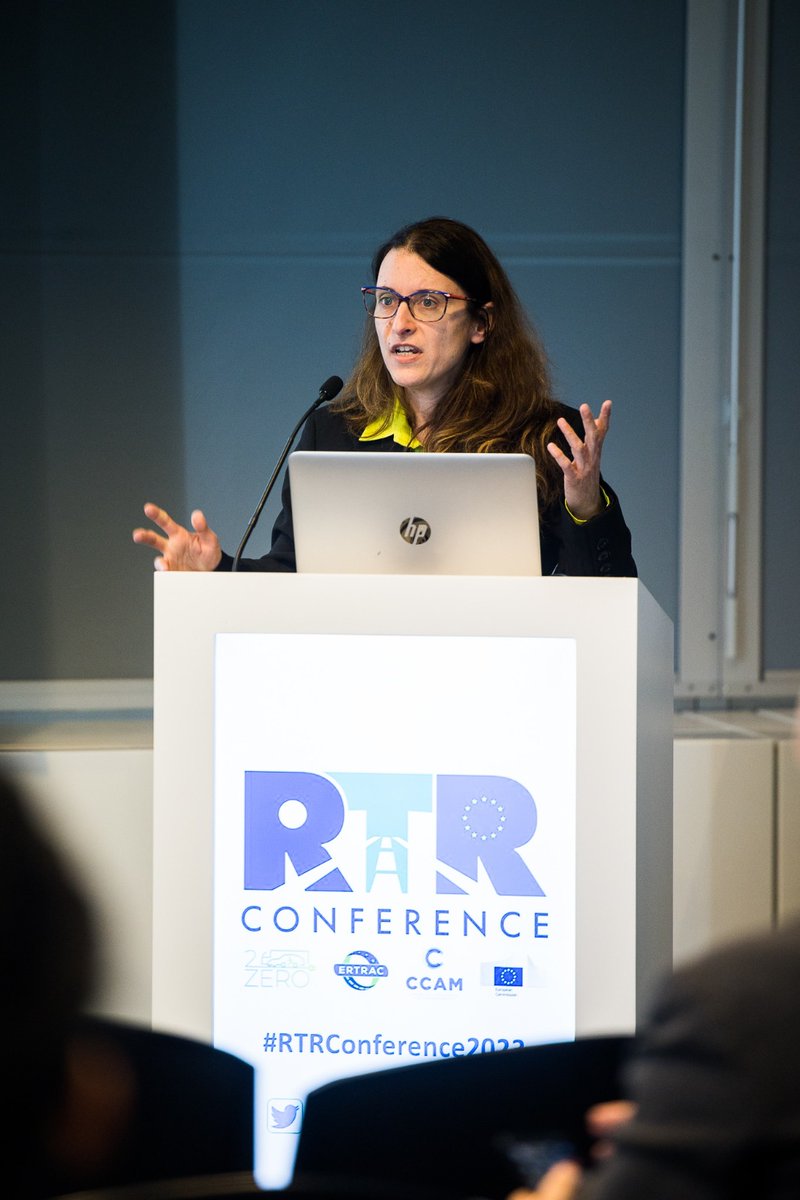
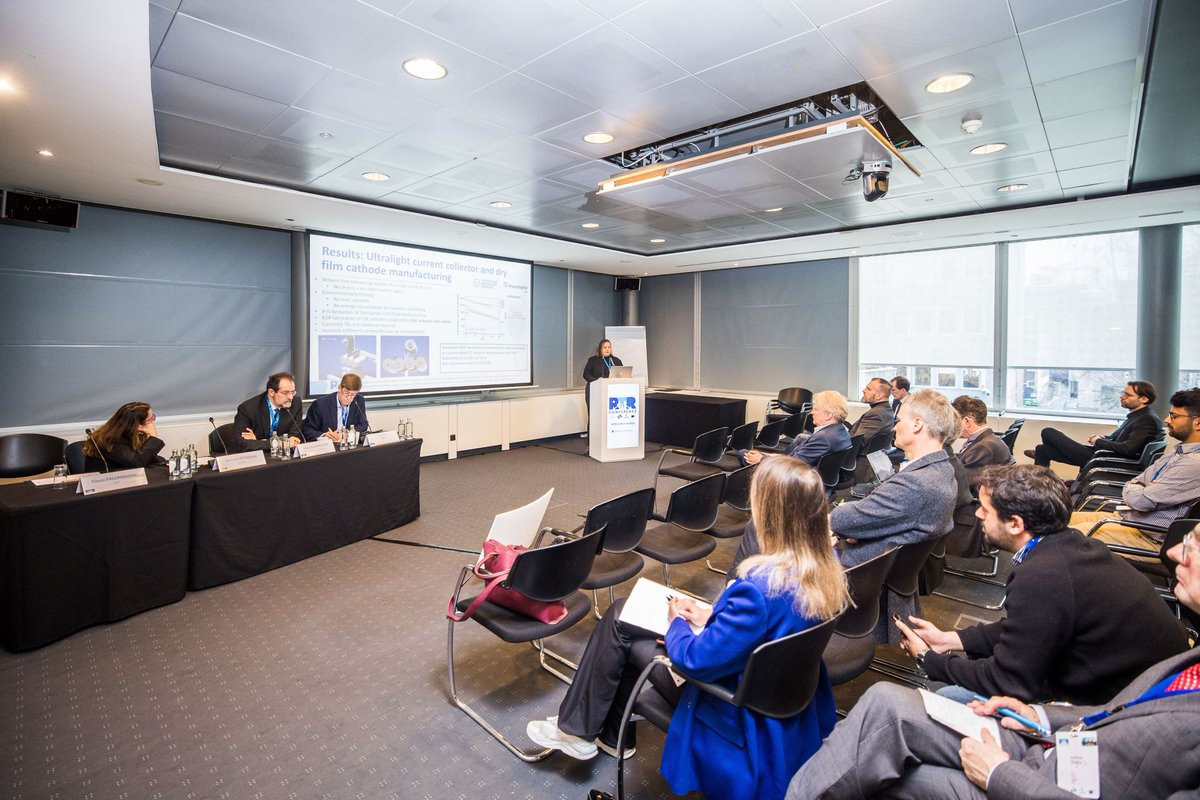
🎙️ Flavia Palombarini, a chemical researcher of LISA's project answered these questions and talked about Lisa.
🗣️ Language: Catalan
👉Don't miss it: https://t.co/3S2R6gPIAm
Lisa Webinar: Inherently safer battery chemistry with lithium sulphur
Adam's (@Leitat) presentation offered an introduction to lithium sulphur and highlighted the inherently safer battery chemistry of the LISA project.
https://t.co/2TOVhLRIzE
🆕Exciting news! 🎉
The call for the Climate-Neutral & Smart Cities Mission closed. 3️⃣7️⃣7️⃣ cities from all 🇪🇺 & associated countries expressed interest to join #MissionCities. The results of the selection are expected in April.
Discover the next steps!
👉https://t.co/frwwrjHBRI
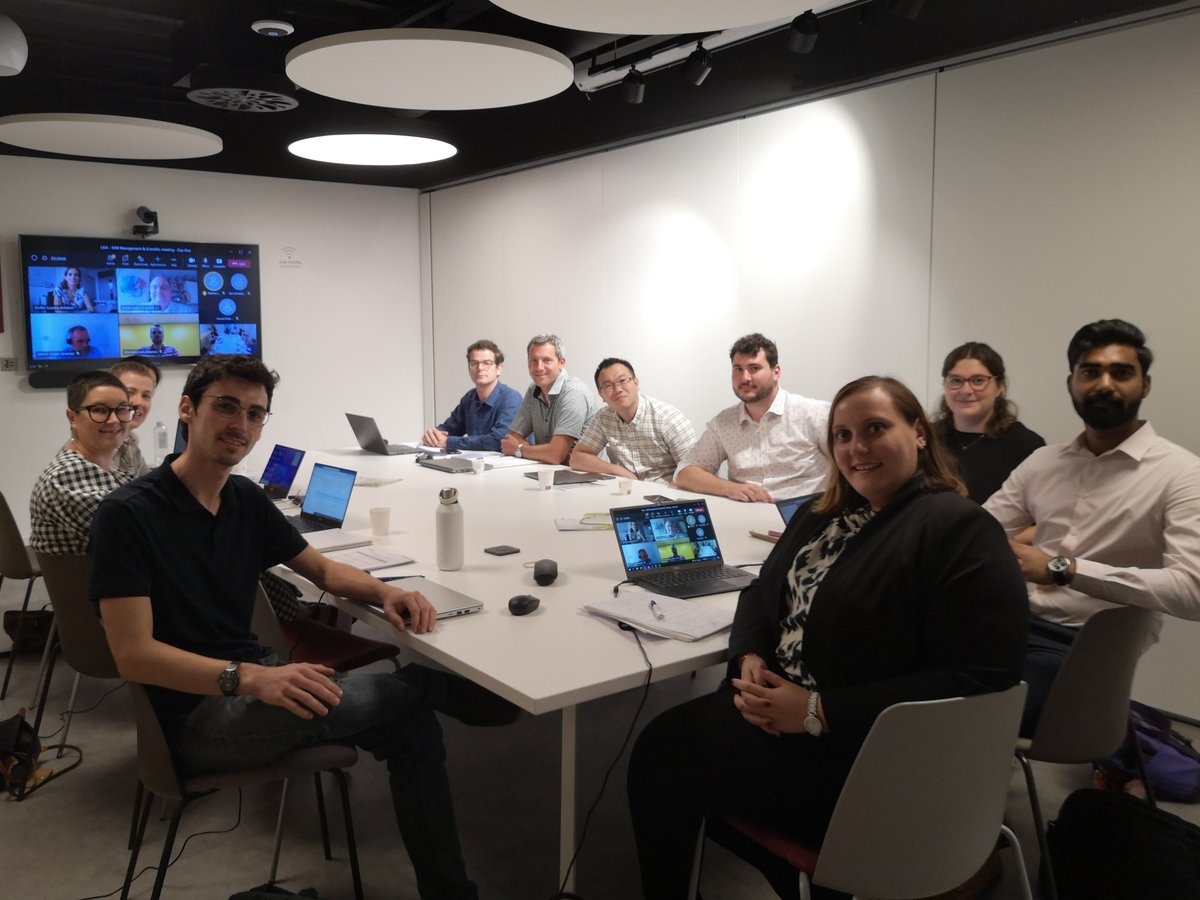
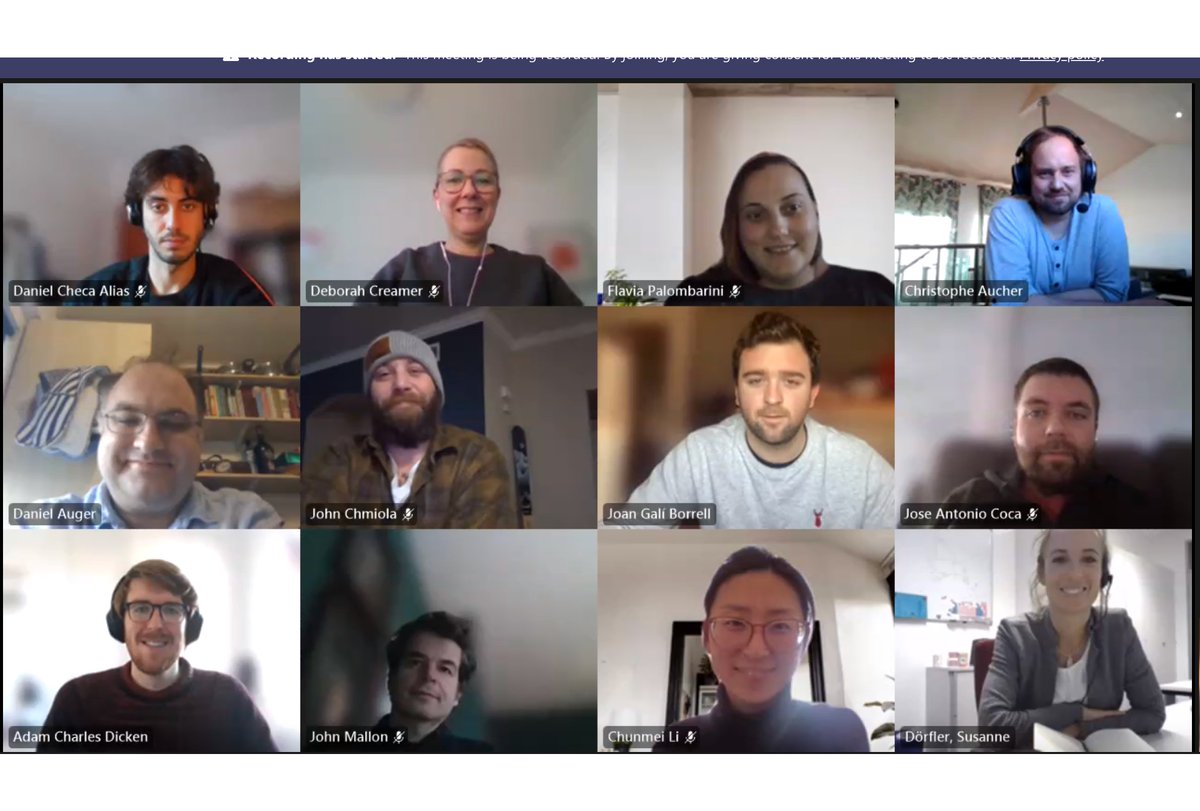
On January 26th and 27th, the LISA project consortium met to hold the M37 meeting.
Due to pandemic issues, the meeting was online.
We look forward to seeing you soon.
#LISA#Meeting#EUProjects#H2020
Studie zum Photonen-#Recycling zeigt Weg zu hocheffizienter #Solarenergieumwandlung: ☀️ Forscher:innen @TUD_Science können durch Photonen-Recycling & Lichtstreuungseffekte die Photospannung von #Perowskit-#Solarzellen signifikant verbessern. Mehr Infos ➡️ https://t.co/YMasmfv9HD
@DennisKopljar@H2020Lisa@energigune_brta Well, yes and no, if you can only achieve a very small percentage of the theoretical performance, indicates either a complicated technology or a lack of maturity. Here the post implies that theoretical can be improved...
@Mr_Teigland@H2020Lisa@energigune_brta One should keep in mind that the "theoretical energy density" is completely hypothetical & has no real value in reality as it only accounts for active material mass. A realistic upper limit that can actually be achieved (although very ambitious) would be sth between 600-700 Wh/kg
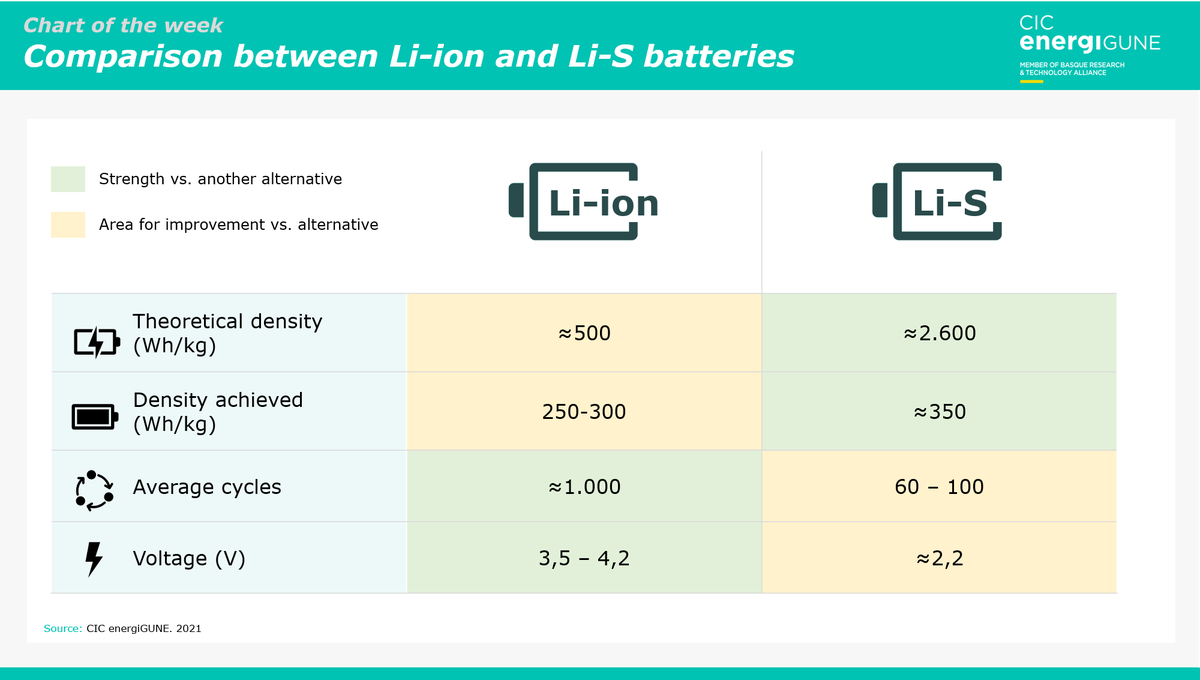
Regarding the blog post we published yesterday on @H2020Lisa project and lithium #sulfur#batteries (https://t.co/V8ME54nyDr) today in📈CIC energiGUNE's chart of the week📈we introduce the strengths and improvement areas of these batteries compared to #Lithium-ion batteries.
@Mr_Teigland@H2020Lisa Refers to improving over the other alternative. In this case, it means that Li-ion must improve over Li-S to match in performance. But in any case, both solutions have a high potential for improvement and development, including their voltages.
@energigune_brta@H2020Lisa So lithium ion at 60% of theoretical needs to improve but liS at 15% of the theoretical does not? And can the voltage of LiS be improved?
@Mr_Teigland@H2020Lisa Indeed, by potential for improvement we meant actual results being achieved today, not theoretical ones. And to find out more about our LiS research and improvements, stay tuned for new updates regarding our LISA Project (@H2020Lisa)
MEPs during the @EP_Industry exchange yesterday, highlighted the need for having #batteries recycled, which we as @eurobat_org agree with. However, it’s key to put in place right legislative framework conditions and methodologies. Our position paper: https://t.co/DHVB1kPQME
Last Friday we were able to do the LISA project workshop. The result was a success
Under the name Common Challenges of Lithium-Based Batteries, the event drew nearly 200 attendees.
#LISA#EUProjects#H2020