An old man is selling Avocado by the side of the road.
His sign reads:
Moja ni Kshs. 30 Bob
Tatu ni Kshs 100 Bob (Tatu Mia)
A young man stops and buys one Avocado.
“That’ll be Kshs. 30,” says the old man.
The young man then buys a second Avocado. And then a third.
After paying another Kshs 30 each time, the young man picks up his Avocados and starts to walk away.
Then he turns back, grinning proudly.
“Hey old man,” he says, “you realize I just bought three Avocados for Ksh 90 bob instead of Kshs 100 bo ? Maybe business isn’t your thing.”
The old man smiles and shakes his head.
He says
“Funny… every time somebody comes by, they buy three avocados instead of one… and then try to teach me business.”
Kila mtu ajue ile kitu ilimleta Nairobi
That mzee is a sharp boy
Giste Says.
10 perennial plants that can create generational wealth:
1. Oil Palm
Starts producing in 3–4 years and can remain productive for over 40 years. One of the most profitable crops in Africa because palm oil is used in food, cosmetics, soap, and industrial production.
2. Cocoa
Takes about 3–5 years to produce. A cocoa farm can generate income for 30 years or more. The global chocolate industry depends on it, making it one of the strongest export crops.
3. Rubber Tree
Begins latex production in 5–7 years and can keep producing for over 25 years. Rubber is used in tires, gloves, medical equipment, and factories worldwide.
4. Coconut Palm
Starts fruiting in 5–7 years and can produce for over 60 years. Every part of the coconut has value: oil, water, milk, fiber, charcoal, cosmetics, and food products.
5. Cashew
Produces in 3–4 years and can remain productive for decades. Cashew nuts are highly valuable in international markets and processing industries.
6. Avocado
Starts producing in 3–5 years. Demand keeps rising globally because of health, food, and cosmetic industries. Mature orchards can become extremely profitable.
7. Kola Nut
Takes around 5–7 years before full production. Widely traded across West Africa for cultural, traditional, and commercial uses.
8. Orange Tree
Begins fruiting in 3–4 years and can remain productive for decades. Profitable through fresh fruit sales, juice production, and export markets.
9. Grapes
Can start producing in 2–3 years with proper management. Profitable for fresh consumption, wine production, raisins, and juice industries.
10. Mango
Starts fruiting in 3–5 years and can produce heavily for decades. High demand locally and internationally makes it a strong long-term investment.
Invest wisely in these areas
Even with zero tariff & market access, exporting cow bones to China still requires serious compliance. Here are some of what you need 👇
1. GACC Registration Register your processing facility with China’s General Administration of Customs. This gives you the official Chinese registration number. Exception: Partner with licensed Chinese importers (they handle this for you) This is where Training with some who is into the business already comes in.
2. Nigerian Health Certificate
Mandatory Health Certificate from FMARD (Federal Ministry of Agriculture) for every shipment.
3. Processing Standard Heat treatment at minimum 80°C for 30+ minutes.
Exporting is very possible right now, but compliance is key. To get the right compliance, you have to get the right Training, all these doesn’t come cheap, to startup isn’t cheap as well, but with the right knowledge you can scale through.
Kindly check my pinned tweet for more information.
Economists used to accuse China of having a vast amount of GDP (35%) as a result of investment Infra-structure and real estate construction. They used to say that is the reason Chinese economy is not as big as stated.
They used to claim it was a bug, but it was a feature of Chinese mode. Without that kind of investment you don't get to be today's China with wold class infrastructure for its citizens.
You heard that Tanzania had a flawed election last year, followed by post-election violence from disgruntled young Tanzanians protesting against Africa's first female dictator. You heard that thousands of people were massacred and dumped in mass graves. You heard that this was "Democracy" versus "Dictatorship."
But what if you found out that everything you have heard about what happened from October 29 to the first week of November in Tanzania was completely fabricated? What if everything you "know" about Tanzania's 2025 election is the result of a brutal information campaign waged by an adversary more powerful than any African government?
The Spearhead has spent 7 months working onsite across Tanzania, Ghana, Nigeria and Kenya to produce our first feature-length documentary titled "What Happened On October 29?"
The documentary will premiere in Accra at 5PM on Tuesday May 26 at the WAGMC Auditorium, University of Ghana. Subsequently, it will also premiere in Dar es Salaam and Nairobi before going up for general viewership on YouTube on May 31.
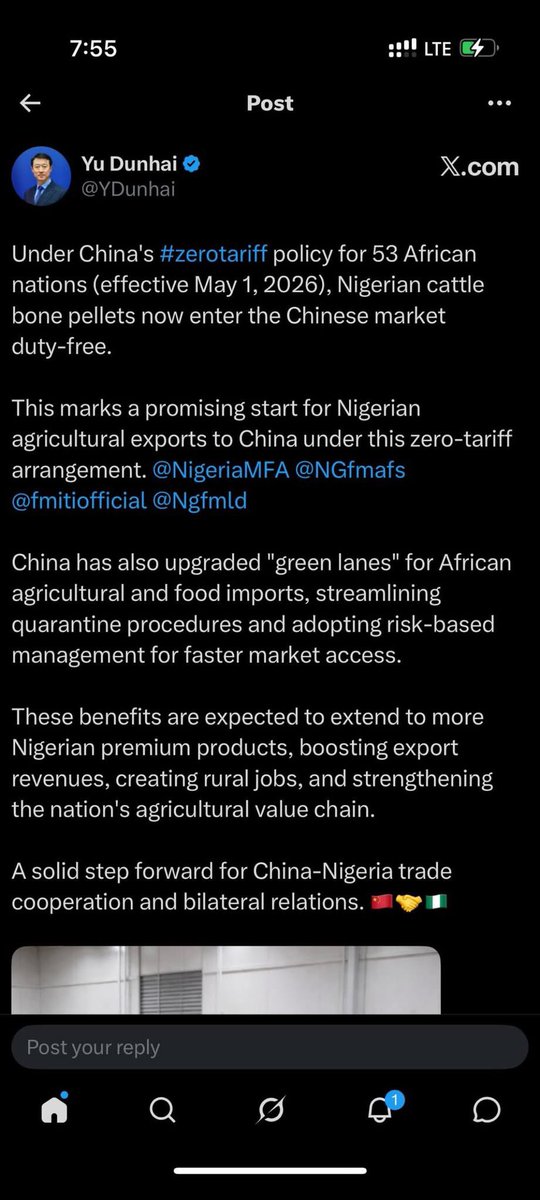
Yesterday, Chinese Ambassador to Nigeria posted on Twitter that Nigerians can now export cow bones duty-free to China.
Under the comment sections, some Nigerians were asking the ambassador to tell them what they are using the cow bones for😁
Some were telling the ambassador to tell his people to come and setup the processing facility here in Nigeria, so they can create jobs.
Funny people. I laughed at our inability to do simple Google search.
As a livestock farmer and Agro commodities trader, I already know the uses of cow bones.
And about building a factory here in Nigeria? Nigerians are the ones to do it, but sadly everyone is building hotels😁
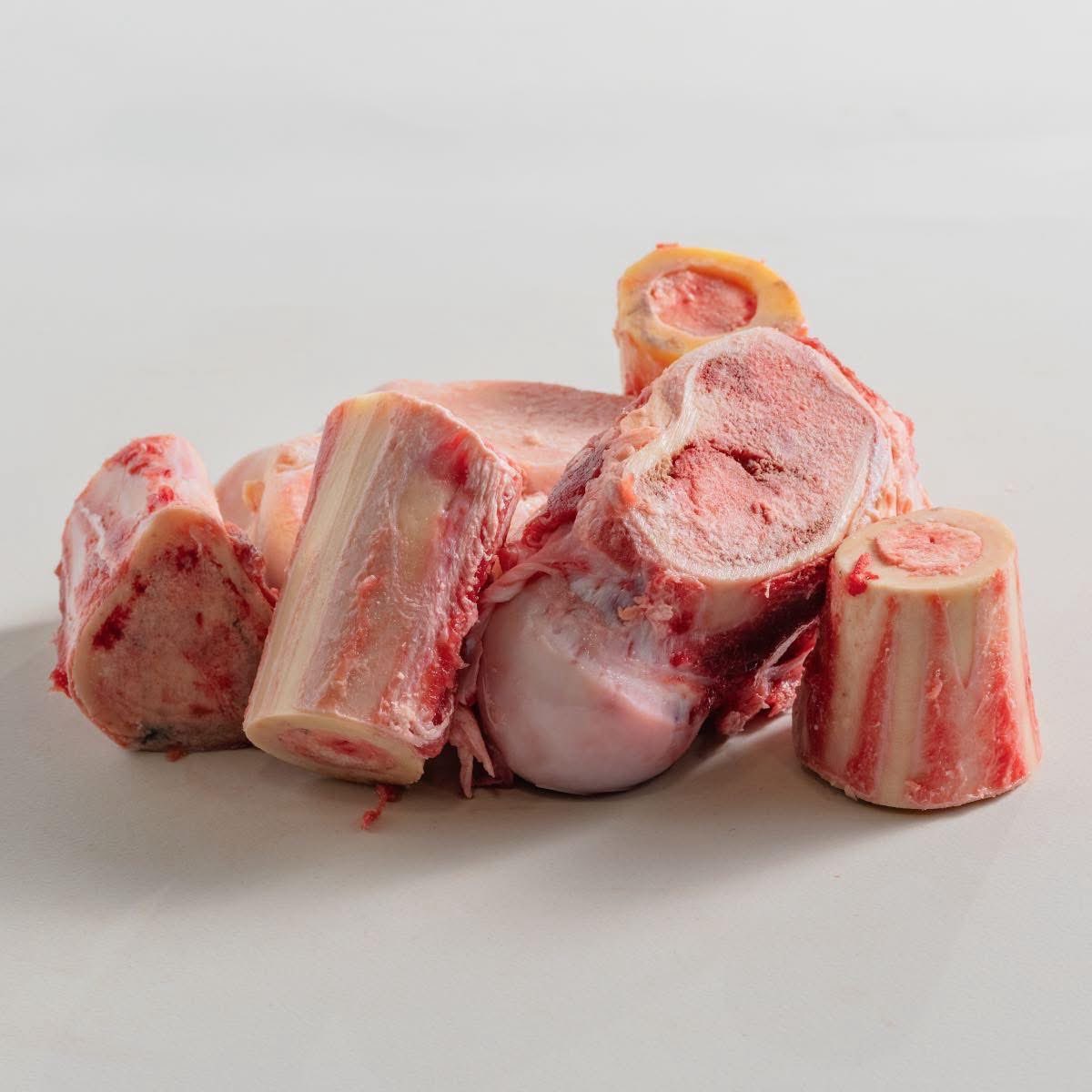
Let me tell you a few uses of cow bones.
Here are 4 major uses of cow bones you can mention in your content;
✍🏻Bone meal fertilizer: Cow bones are processed into bone meal, rich in phosphorus and calcium, used to improve soil fertility.
They prefer this to fertilize their soil not the chemical sold to our rural farmers.
✍🏻Animal feed supplement: Processed bone meal can be used as a mineral supplement in livestock feed, especially for calcium and phosphorus.
We use this for chicken feed, pig, and fish feed production.
Verify the price per kg and you’ll be shocked.
✍🏻Gelatin production: Cow bones can be processed to extract gelatin, used in food, pharmaceuticals, capsules, and cosmetics.
Just imagine the volume of cow bones wasting in your village?
Pharmaceuticals companies are paying billions of dollars to buy it from those processing it.
And I believe those Chinese companies will focus more on this.
It is big money wasting away in Africa because we don’t know anything about value addition.
✍🏻Activated carbon / bone char: Burnt bones can produce bone char, used in filtration, sugar refining, and water purification.
Pause here and think deeply with me. They use bone char for water purification in their country.
But they produce capsules and sell to us for water purification😳
Let’s not blame them. We take responsibility.
Now, let’s be honest. This is a golden opportunity for us. Let’s export the cow bones and cash out.
Also, let’s learn how to process the cow bones locally and export the finish product too.
If I tell you now that chicken feed producers in Nigeria import bone meal, you won’t believe. Research it yourself.
A ton of bone meal is around $200 - $750 currently.
Bro, just imagine earning over $200 from wastage thrown around our local markets in Africa.
Business opportunity for you. Do your research and see how you can position to serve this market
Iringa kuna Halmashauri inaitwa Kilolo na njia rahisi ya kufika ni unapitia mahala panaitwa Ipogolo na kwa muda sana barabara pekee ya kuunganisha main-road (Ipogolo) ilikua na ya vumbi/changarawe mpaka Mwaka 2023 ambapo TANROADS walitangaza tender ya ujenzi wa ile road.
Tender ikatangazwa ya value ya 33.61 Km ikiwa valued around 61 Billion na November 10, 2023 Kampuni ya SHICO wakashinda ile Tender na kuingia mzigoni na hatimaye napozungumza sasa ile Barabara kesho sasa inaenda kuzinduliwa rasmi na PM-Mwigulu Nchemba.
Mbali na kwamba its just a road, pia ile program inahusisha kuwekwa taa zaidi ya 100 ili kuifanya iwe salama 24/7. Watu waliowahi fika yale maeneo wakati ile barabara iliwa rough sana wanaweza testify how ile road kuwa ya standard hii ya sasa imechochea Uchumi wa Kilolo kwa kiasi gani
Bro to bro, nobody taught us money, so here is the order from zero:
1. Know your risk first. If a 30% drop will make you panic sell, stick to safer options like money market funds and bonds. If you can stomach the swings, you can add stocks later.
2. Build an emergency fund. 3 to 6 months of your expenses (High yield savings account like money market funds). This is what saves you when work scatters so you do not have to borrow or sell investments at a loss.
3. Park that emergency fund in a money market fund, not a savings account. @ZedcrestWealth , @CardinalStoneNG , @cowrywise and @MeristemNigeria pay around 17%+ yearly, your money is safe, and you can withdraw within 24 hours.
4. Pay yourself first. The moment alert lands, move a fixed cut into investments before rent, before anything else. Start with 10% and push to 20 to 30% over time. Automate it if you can.
5. Live below your means. Earning 800k and spending 800k is not wealth, it is survival in style. Cut what you will not remember next year.
6. Build multiple streams of income or learn a high demand skill. Tech, sales, copywriting, design, video editing, data. One salary in this economy is risky. Skills travel with you and can earn in dollars too.
7. Once your emergency fund is solid, start investing in stocks. If you are under 30 and can handle risk, look at growth stocks. If you want safer plays, stick to blue chips, Zenith, GTCO, MTN, Dangote Cement and BUA Foods on the NGX, Apple and Microsoft on the US side. @ZedcrestWealth , @investbamboo and @CardinalStoneNG make it easy.
8. Add dollar exposure. The naira keeps bleeding, so hold assets outside it. @Risevest and @investbamboo give you access to the S&P 500 and other USD assets. Even small monthly buys add up.
9. Diversify properly. Treasury bills, Vault savings and FGN savings bonds through apps like @Afrinvest , @mycashierlife and @getladda , eurobonds via @cowrywise when you can access them, real estate via @Risevest when your capital is ready. No single event should be able to wipe you out.
10.Avoid stupid debt. Owambe loans, gadget loans and lifestyle loans set you back years. Only borrow for something that pays you back.
Wealth is boring and slow, but it works. Move with a plan, not vibes.
I went deeper into all of this in my book if anyone wants the full breakdown: [
https://t.co/3PaTnYbJAb
]
In 2022, Nigeria was the world's 2nd biggest ginger producer. We exported ₦26.2 billion worth, mostly to India and other spice markets.
Then a disease called Proxipyricularia zingiberis hit ginger farms in Kaduna, Plateau and Nasarawa. It destroyed up to 95% of the harvest.
Farmers lost over ₦12 billion. The price of a 50kg bag of ginger jumped from ₦50,000 to ₦800,000.
By 2024, exports had dropped by 74%. By the end of 2025, we were exporting nothing at all.
Ethiopia quietly took our place in the global market.
We didn't just lose money. We lost an entire $4 billion industry that could've grown to $6 billion by 2030.
While we sleep on our agricultural goldmine, other African countries are quietly taking it over.
President William Ruto has announced that the first 100,000 electric vehicles imported into Kenya will be exempt from import duty.
The tax waiver will apply to both public service and privately imported electric vehicles.