@FrDidymus The offertory collection is how the laity participates in the Eucharist. It's the prosphora - the offering. My understanding is the money is in lieu of turning up with an actual loaf and bottle of wine. Some clergy put the collection on the altar to make the connection explicit.
@sanjanacurtis I've come across the phenomenon in a small number of older, US women. Possibly related to pushing back against attitudes in Deep South culture? It's not widespread.
A camel is still in the loose in Worcester Cathedral. At least it’s a pious camel: it attended evensong this evening, having positioned itself as close as it could to the choir.
Hello Kelvin Helmholtz Waves!! 🌊
Steven & Charissa captured this pic between Socorro & Magdalena. Pretty cool!
@koat7news#NewMexico#Clouds#NMwx
I do love the brothers in The Church Tech Team. Here, The Churchwarden’s Stick of Office is repurposed with a blob of blu tac on the end, to retrieve my mate’s iPhone, which has fallen down the hole in the middle of our stage
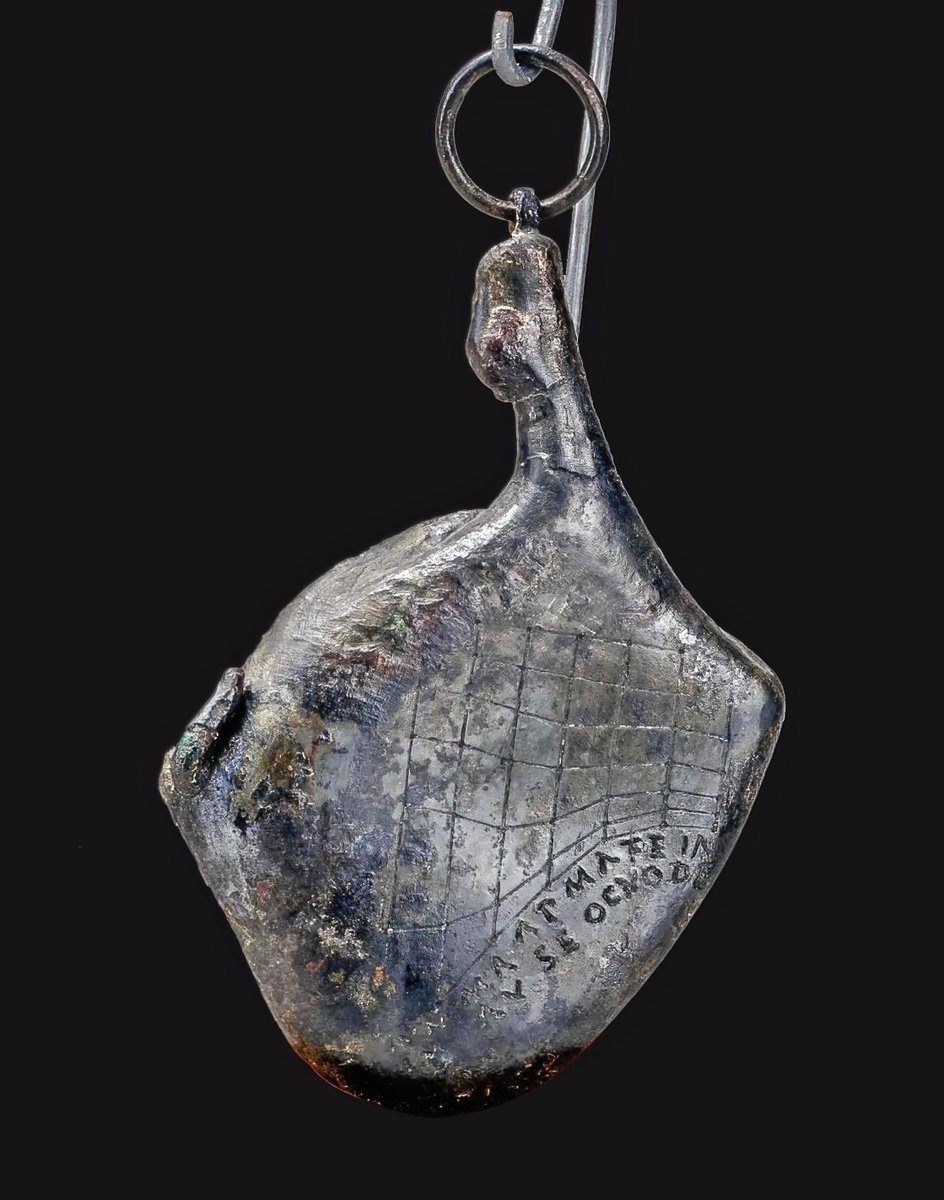
Roman portable sundial in the shape of a cured ham. The whimsical yet precision-crafted bronze timepiece was unearthed in Herculaneum in 1760 and quickly identified as a rare pocket sundial by its grid markings. The exact workings of the 'pork clock' have, however, only recently come to light thanks to new research.
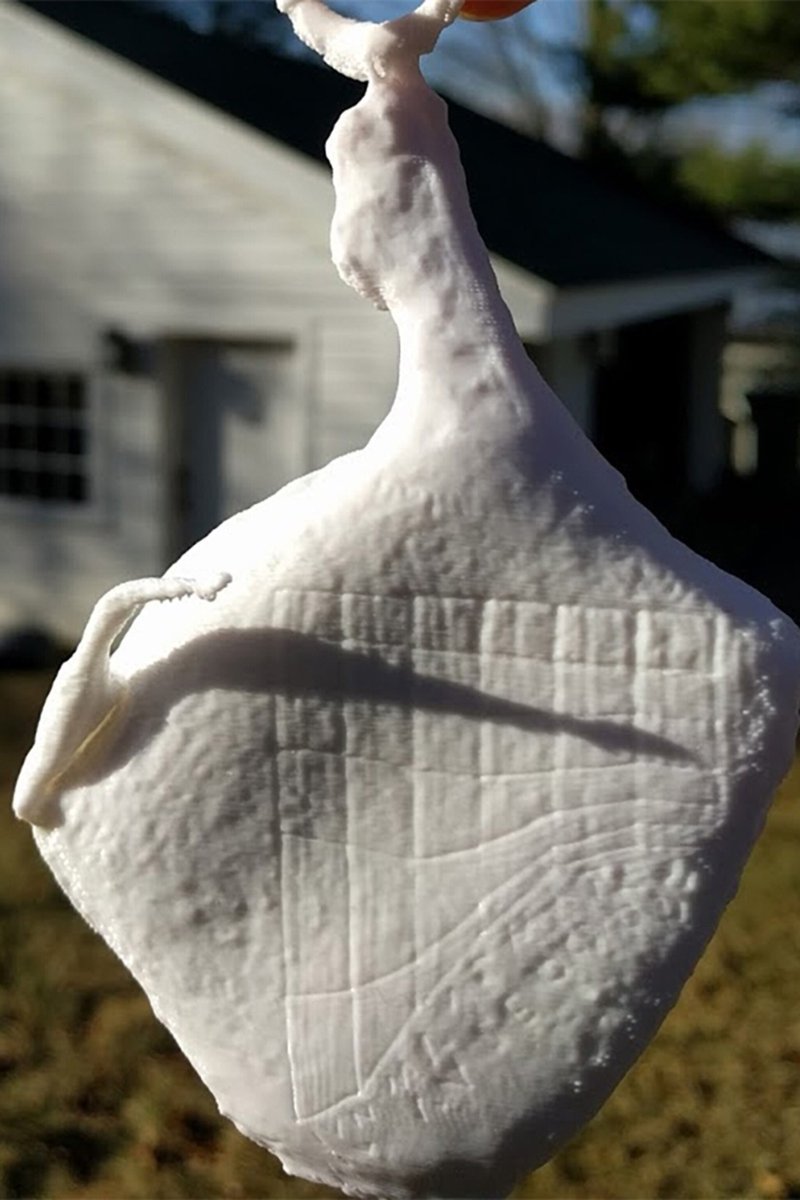
Historians at Wesleyan University created an exact 3D-printed replica of the sundial, complete with its lost gnomon (the part of a sundial that casts a shadow) which was described by an 18th-century museum curator as having been in the shape of a pig’s tail.
Outdoor experimentation with the sundial confirmed that the device would be hung from a chain with the sun on its left side, allowing the pig tail to cast its shadow across the grid. Vertical lines on the grid represent the months of the year, while the horizontal lines indicate the number of hours past sunrise or before sunset.
The Roman user aligned the tip of the tail's shadow to fall on the vertical column of the current month. They then counted the number of horizontal lines from the top of the grid to the tip of the shadow, to reveal the hour of the day.
While fixed sundials were common in towns across the Roman world, this prosciutto clock is one of only around 25 portable sundials to survive from antiquity and one of the earliest known to exist.
@cdnusboy@scottagunn I've also been very satisfied with AT&T pre-paid. I've been with them for years.
I've recently tried Mint Mobile, using an old phone as a hot spot to cover a gap in home internet service. The introductory price is very good indeed, but have experienced data throttling weekly.
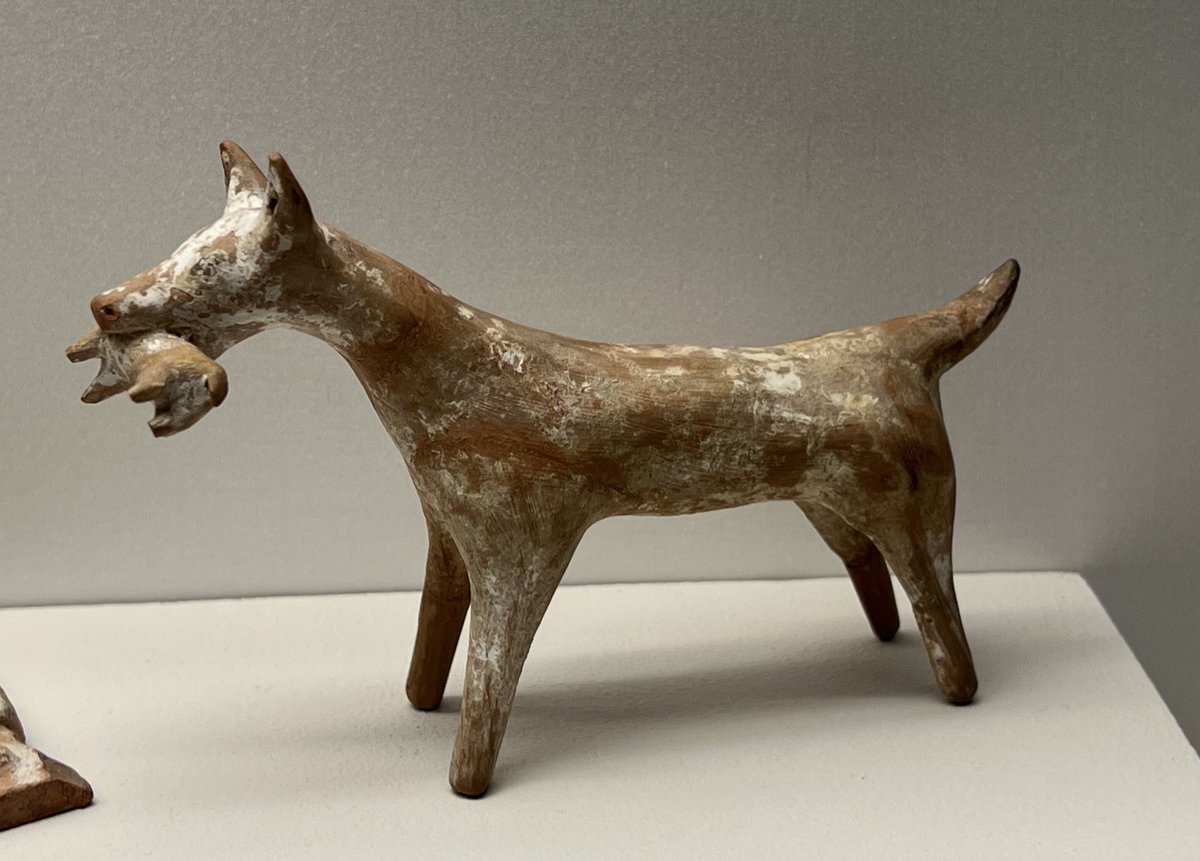
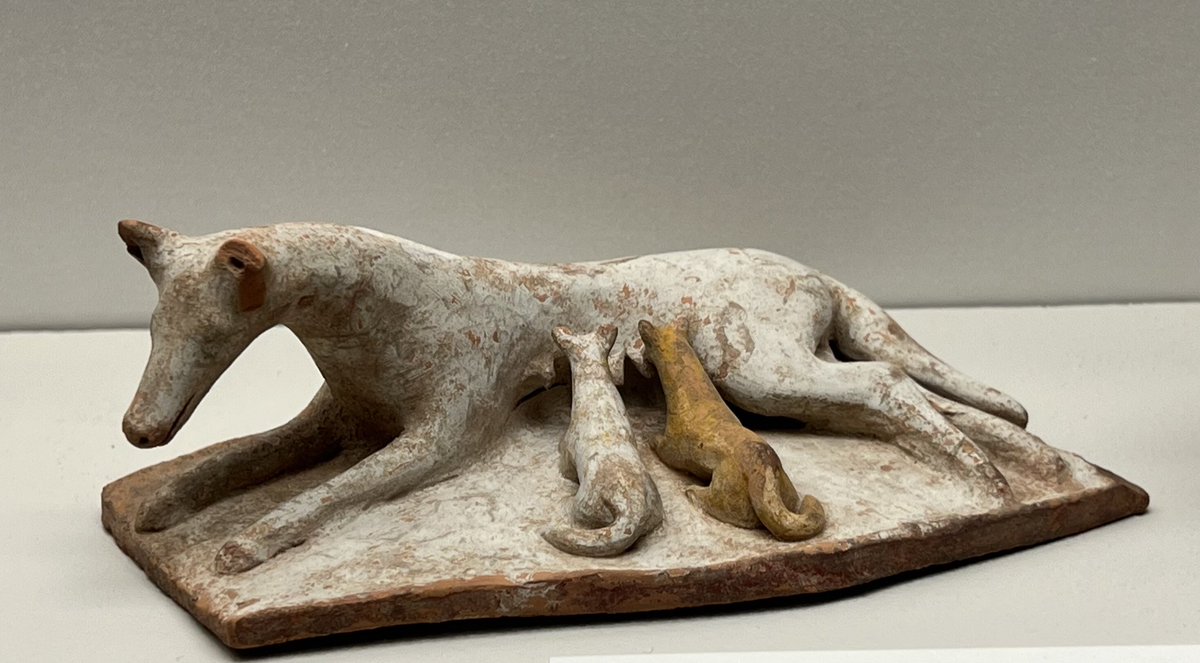
Around 2500 years ago these adorable terracotta dogs would have likely been someone’s treasured possessions. One a mother with her puppies, the other perhaps a successful retrieval of an errant pup.
500 BC-450 BC
Boeotia, Greece
📷July
#Archaeology#InternationalDogDay