A higher VO₂ max can help your lactate threshold improve. But what happens when fatigue builds?
@YMSchwarz explains how VO₂ max, exercise economy, and lactate threshold interact, and why prolonged exercise makes that relationship more complicated.
https://t.co/BmzbSNIpMP
On the Training Science Podcast, Mollie Brewer explains why domain expertise matters when working with large datasets in sport science, and how it helps tell a genuine new insight apart from a problem in the data.
Full episode: https://t.co/7emGwNkX0w
@PaulBLaursen
HIIT or just interval training? An interval is a piece of time. Above critical power, it's HIIT. Below it, it can still be hard, just sub-threshold. Either way: hit the signal, walk away, repeat.
Full episode (timestamped): https://t.co/oCZTwr0lde
@PaulBLaursen@Athletica_AI
Does high-intensity interval training have to feel like you're dying to be effective?
Full episode (timestamped): https://t.co/oCZTwr0lde
@PaulBLaursen@Athletica_AI
You don’t carve a table to make sawdust.
That’s how Dr. Ted Polglaze thinks about GPS data in soccer training. The goal of a session is to help players get better at the game...
Full episode on Spotify: https://t.co/Ahbi93sTAS
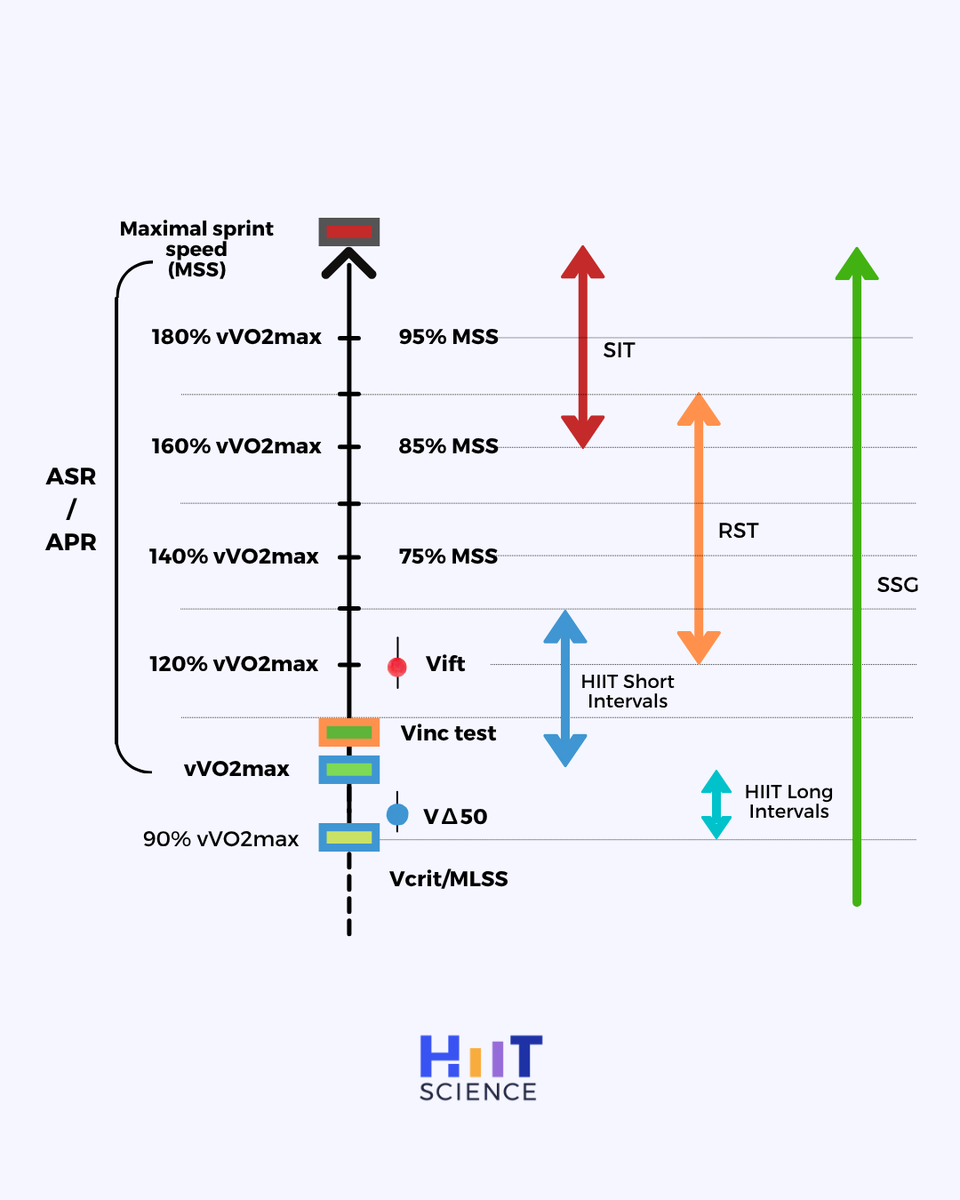
HIIT, SIT, Tabata. All hard, not all the same.
HIIT is the umbrella: red zone, recover, repeat.
SIT is all-out, 20–30s sprints, long rest.
Tabata is 20s at ~170% VO2max, 10s rest, 7–8 rounds.
Full episode (timestamped): https://t.co/u5YZJxaPUN
@PaulBLaursen@Athletica_AI
A well-designed HIIT session can still be the wrong session for that day...
The best format depends on the context: the demands of the sport, the athlete’s profile and psychological state, the phase of training, long-term goals, and even unexpected events that affect readiness.
That’s a lesson at the heart of the Norwegian method: control the intensity so you can train consistently, and save the hardest work for when it serves your goal.
Spotify: https://t.co/UwGxu1zFsi
Apple: https://t.co/LOIw95ydSQ
@bbculp@PaulBLaursen
** Adapted by permission of Springer Nature from M. Buchheit and P.B. Laursen, “High- Intensity Interval Training, Solutions to the Programming Puzzle: Part I: Cardiopulmonary Emphasis, SportsMedicine 43 no. 5 (2013): 313-338.
@PaulBLaursen@mart1buch@Athletica_AI In the new HIIT Science Q&A, @PaulBLaursen clears it up: what actually counts as HIIT, do you really have to go all out, HIIT vs SIT vs Tabata, where it came from & more.
Timestamped: https://t.co/st4xO3udlQ
If you can sustain it, it's not HIIT.
Dr. @PaulBLaursen on what actually counts as high-intensity training… and the "red zone" rule that defines it...
The whole episode is below, with timestamps so you can jump straight to the questions you care about👇
https://t.co/oCZTwqZNnG
The goal isn’t to give every player the same workload. It’s to create the right training stimulus for each athlete while managing fatigue effectively.
Join our free 5-day email course, The Team Sport Conditioning Playbook: https://t.co/I0DdjndDh0
@mart1buch@PaulBLaursen
Strength underpins sprinting speed, running economy, tolerance to repeated high-intensity efforts, and the ability to withstand the demands of training and competition.
Join our free 5-day email course, The Team Sport Conditioning Playbook: https://t.co/ZIVAw4JRBQ
What happens to your heart the moment you hit cold water?
Sudden immersion can trigger two powerful responses at once: the cold shock response pushes your heart rate up, while the diving reflex tries to slow it down.
Watch the full episode here: https://t.co/E01crRSlRo
Athlete testing shouldn’t feel like a list of everything that’s wrong.
The data should reveal opportunities: what can be developed, where progress can be made, and what could move the athlete closer to their goals.
Full Podcast Episode: https://t.co/dHmcwDSLgr
@Athletica_AI
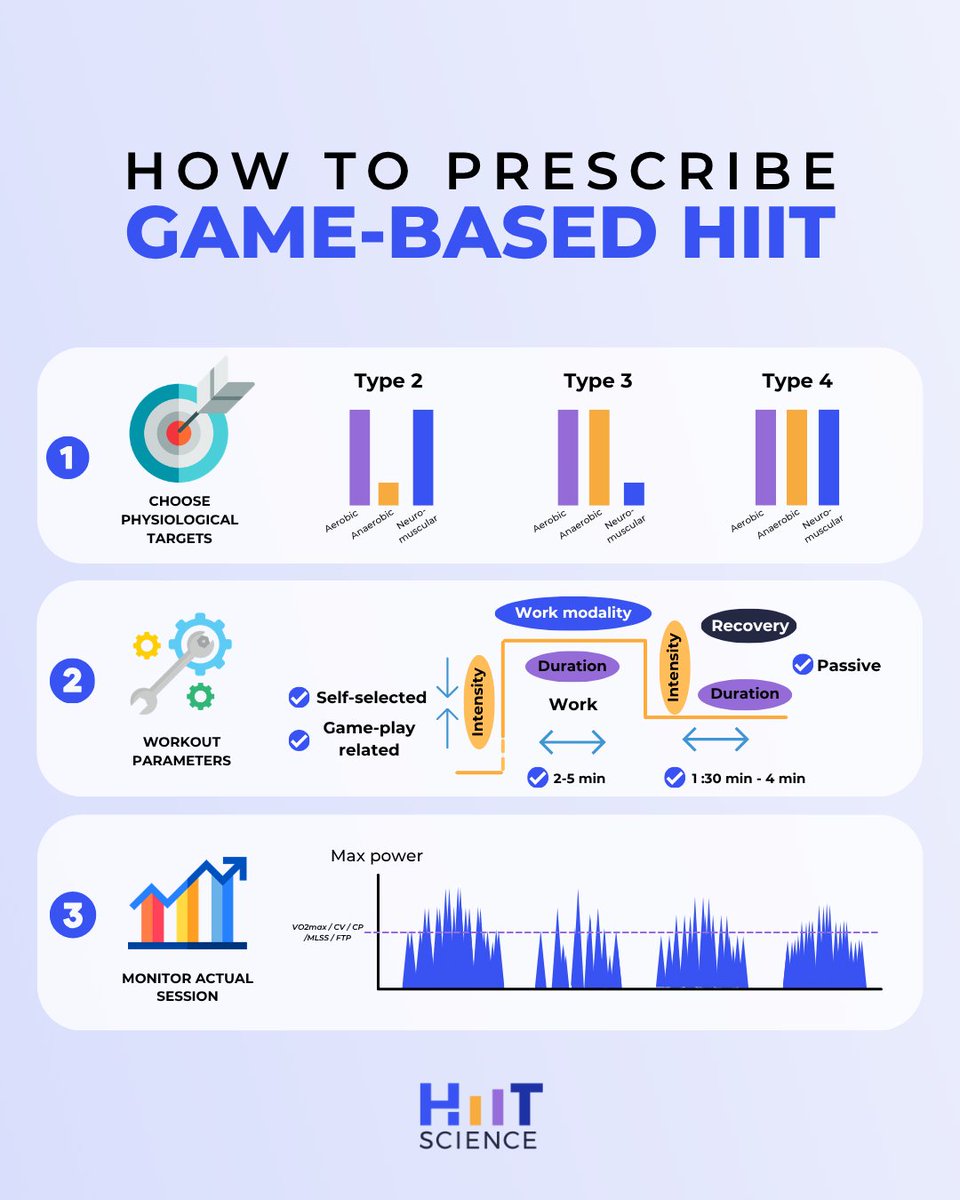
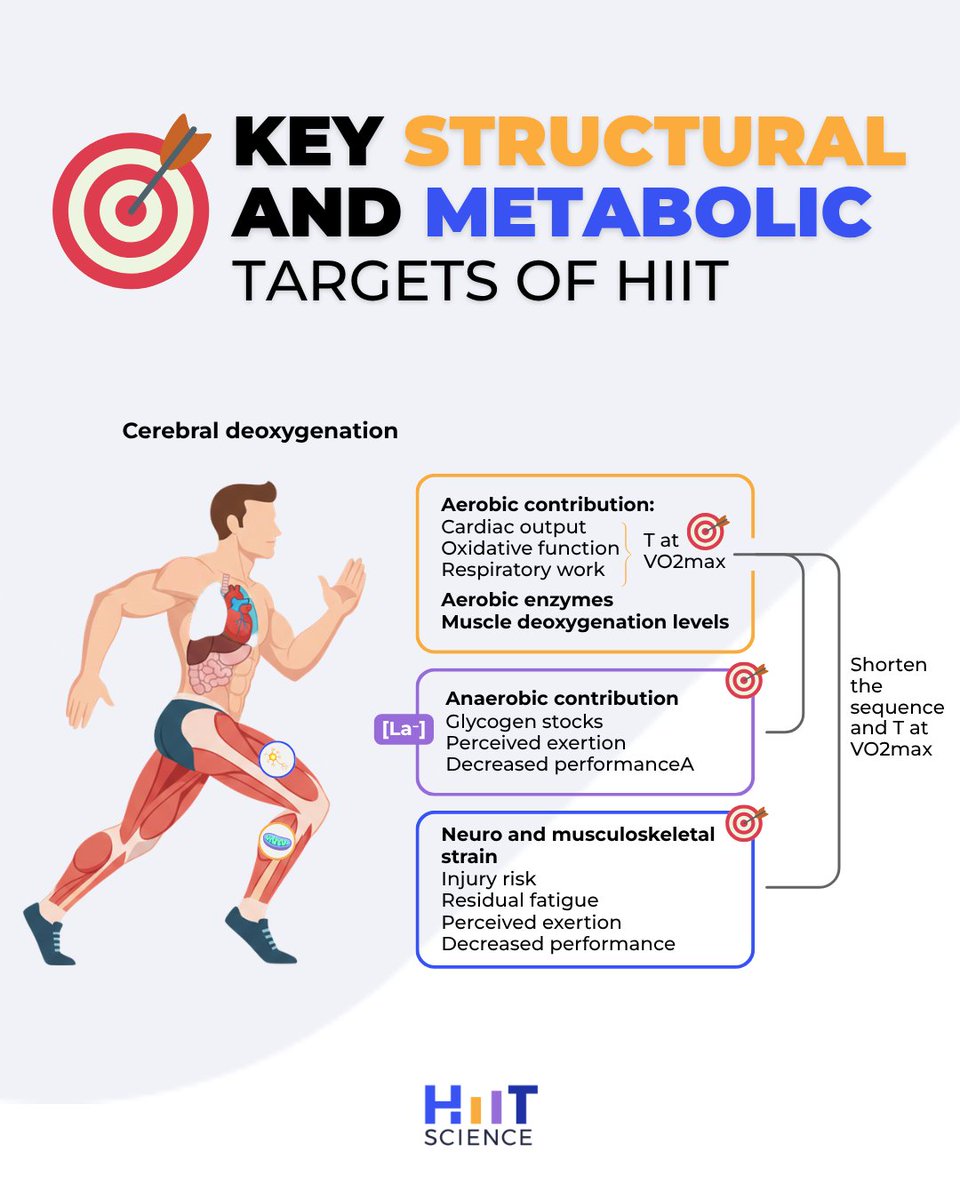
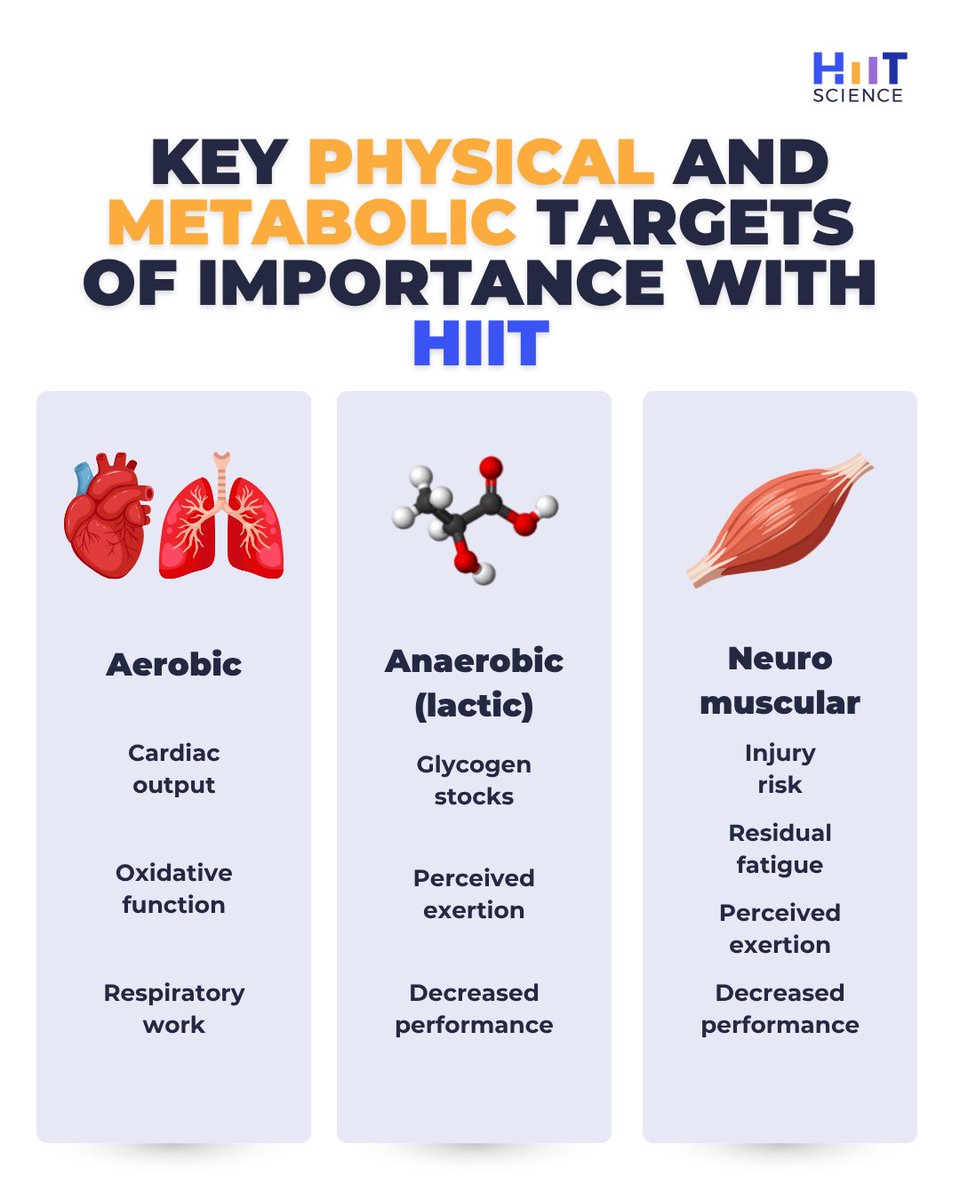
What is your HIIT session actually targeting?
Every interval session creates a different physiological response. Depending on how it is designed, the main demand may be:
🫀 Aerobic
⚡ Anaerobic
💪 Neuromuscular