¿Por qué una persona se comporta como se comporta? El análisis funcional intenta responderlo relacionando la conducta con sus antecedentes y sus consecuentes.
The distinction I keep coming back to is this: there's a difference between having a thought and being that thought. One is a mental event passing through awareness; the other is an identity you've accidentally stepped into. Most of our suffering lives in that difference.
#psychologicalflexibility
#ACT
#ACTtherapy
Most people understand that ruminating about the past can be painful. But there's a more specific version of this that I want to name, because it shows up everywhere and is worth understanding precisely.
Fusion with the past is what happens when a past event or a story about your past becomes so real in your mind that it functions almost like a current experience, shaping your perceptions, your decisions, and your behavior in the present. You're not remembering the past; you're living in it, and responding to the present as if it were the past.
Someone who was publicly humiliated once, ten years ago, still scans every new social situation for signs of the same thing happening again. They're not responding to the room they're in; they're responding to the room they were in a decade ago. Defusion applied to the past isn't about forgetting; it's about letting the memory be a memory rather than a present-tense reality.
#psychologicalflexibility
#ACT
#ACTtherapy
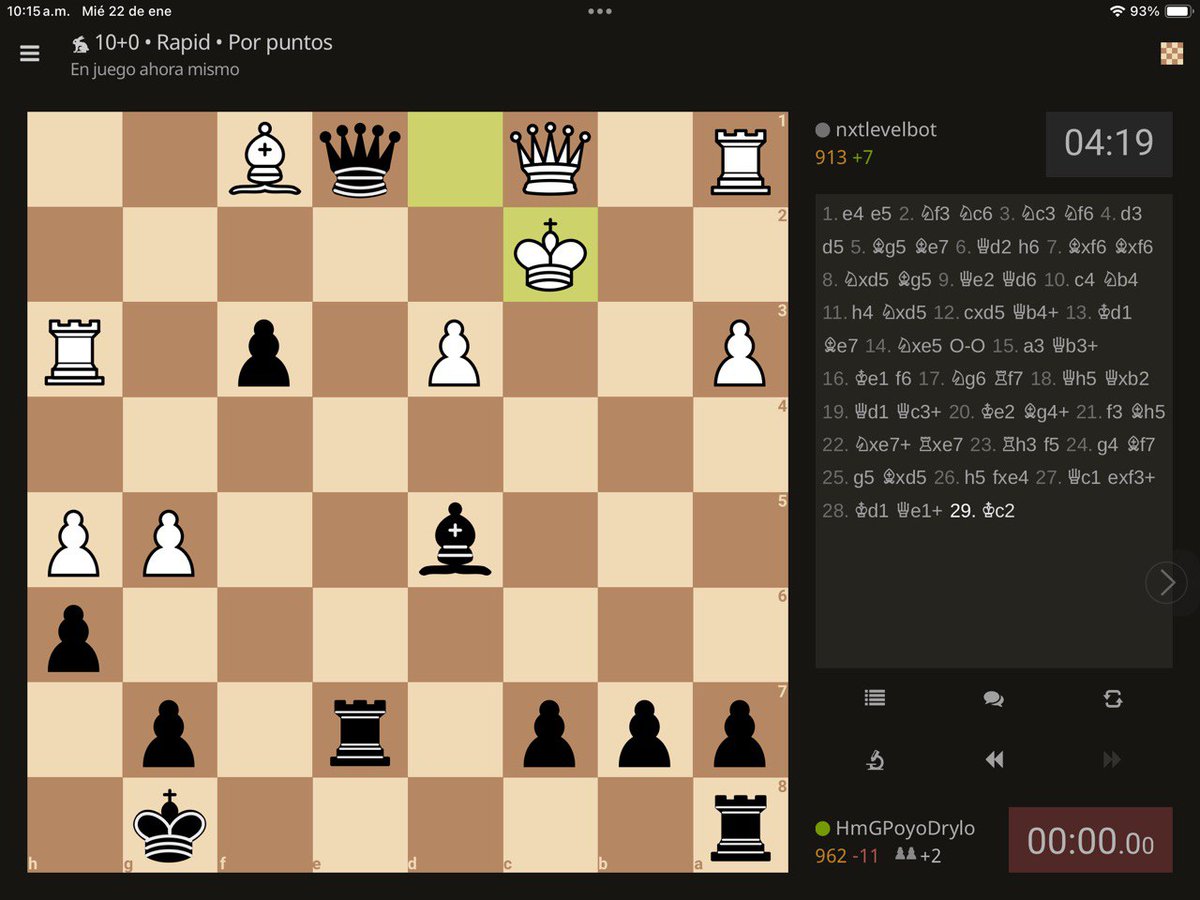
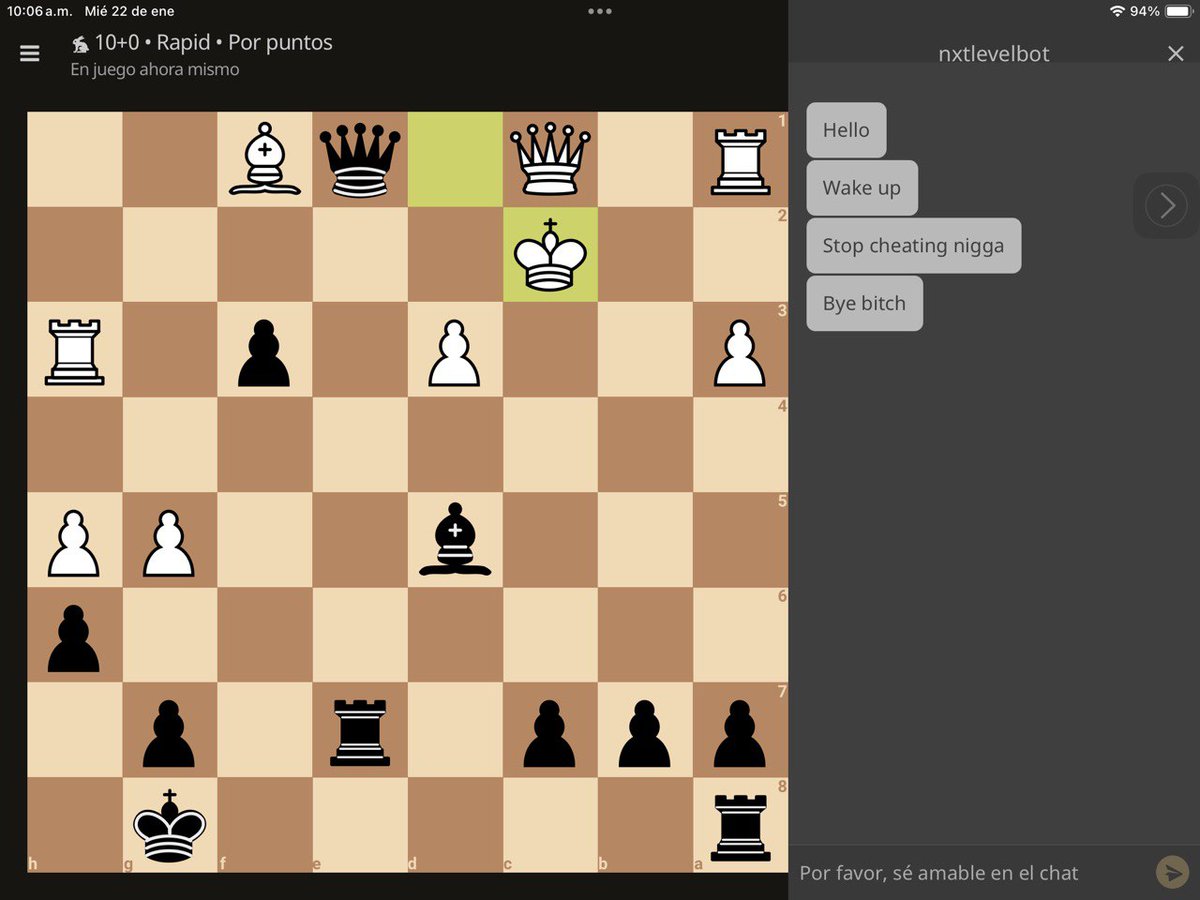
@lichess Jugaba una partida está mañana, y sucedió lo siguiente. Algunos miembros de su comunidad no realizan "fair play" ¿Cómo reporto a este usuario: nxtlevelbot?
@Walter_Riso Dr, en su libro "Amores altamente peligrosos" señala que algunos rasgos de personalidad coinciden o "encajan" con los rasgos "patológicos" de a quien se tiene como pareja, ¿Como pueden ser libres, sin apegos, ni control este tipo de amores?
@ComunicaJunior@Ben_escrito ¿Significa que se puede tomar una parte del curso, o se puede tener el curso completo, pero si necesitas certificado necesitas comprarlo?
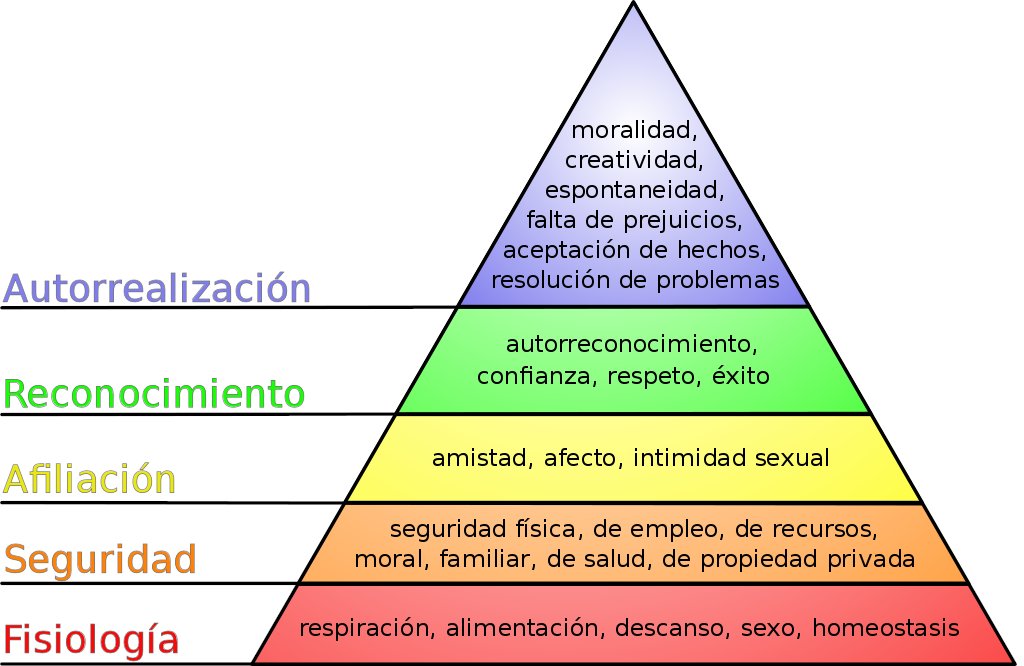
#UNAM La teoría más conocida sobre la motivación es la de la jerarquía de las necesidades, de Abraham Maslow (1943), quien planteó que cada ser humano tiene una jerarquía de cinco necesidades:
Regístrate en: https://t.co/hP2ynuzIXS
Fuente: https://t.co/lPLJR0VeER