#BNMRZ Symposium 2025 🔬
Ultra-Highfield NMR and 4D Structural Biology – From Mechanisms to Therapies
🤩How do molecules breathe, and what does the fourth dimension in 4D structural biology refer to?
👉 These questions and more fascinating insights about ultra-highfield #NMR will be discussed by world-leading experts in Munich November 6-7, 2025!
When & where:
📅 Thursday & Friday, November 6–7, 2025
💻 Online attendance: Registration for on-site participation is closed, but you can still join via webinar – simply fill in the online participation form: 👉https://t.co/QI7iwYFaKf
Prof. Michael Sattler, Dr. Reid Alderson, Prof. Steffen Glaser, Prof. Franz Hagn, Prof. Bernd Reif, and Prof. Anne Schütz are looking forward to sharing this exciting journey into the future of biomolecular NMR and structural biology!
The #symposium is hosted by #HelmholtzMunich and the Technical University Munich.
Check out what Michael Sattler is already revealing about the conference:
📽️Watch the video below! ⬇️
👉 Further information: https://t.co/6ReqliUB2w
@TU_Muenchen
#StructuralBiology #CryoEM #AI #TherapeuticInnovations
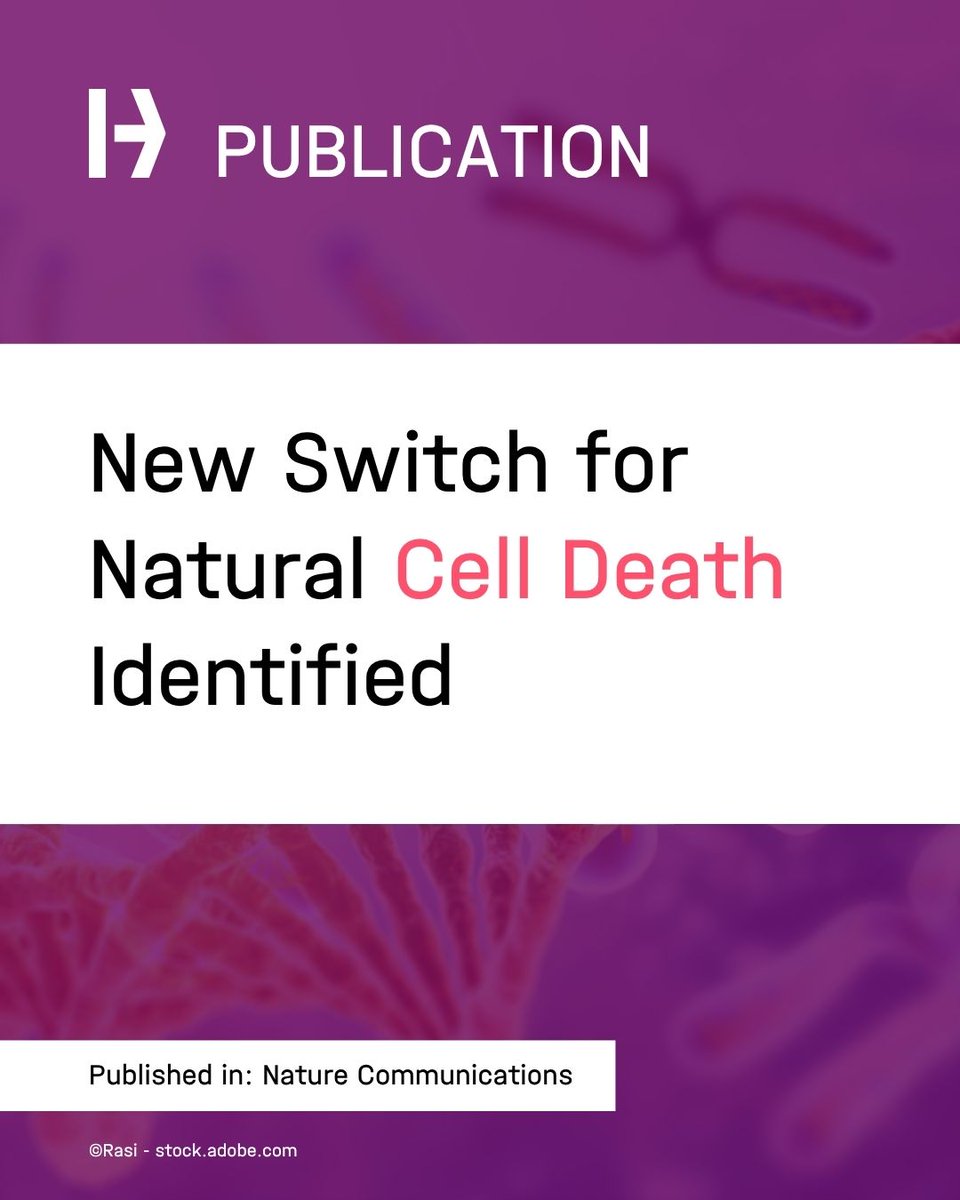
New Switch for Natural Cell Death Identified 🧬
👉 https://t.co/mvl1vTlYpV
Programmed cell death (#apoptosis) is a vital protective mechanism, but cancer cells often bypass it. A team at #HelmholtzMunich and the Technical University of Munich, led by Prof. Franz Hagn, has now uncovered a new molecular switch in this process.
💡 Their study shows that the mitochondrial protein VDAC1 can override the apoptosis inhibitor Bcl-xL under cellular stress, effectively activating cell death. Using cutting-edge techniques like NMR, X-ray crystallography, and cryo-EM, the researchers revealed exactly how this interaction works.
This discovery opens the door to potential therapeutic strategies:
💠 Cancer: Enhance VDAC1 to drive tumor cells to die.
💠 Neurodegenerative diseases: Inhibit VDAC1 to protect neurons.
💠 Heart disease: Modulate apoptosis to prevent tissue damage.
🌟 While clinical applications are still in the future, this work provides critical insights into nature’s own cell death regulation.
🔗To the original publication: https://t.co/cXDT0w6zUs
@TU_Muenchen@NaturePortfolio
#CellDeath #CancerResearch #Alzheimer #Parkinson #Neurodegeneration #PrecisionMedicine #HeartDisease #BNMRZ
The 2024 #NobelPrize laureates in chemistry Demis Hassabis and John Jumper have successfully utilised artificial intelligence to predict the structure of almost all known proteins.
In 2020, Hassabis and Jumper presented an AI model called AlphaFold2. With its help, they have been able to predict the structure of virtually all the 200 million proteins that researchers have identified. Since their breakthrough, AlphaFold2 has been used by more than two million people from 190 countries. Among a myriad of scientific applications, researchers can now better understand antibiotic resistance and create images of enzymes that can decompose plastic.
Read more about their story: https://t.co/nWxcZs6wqC
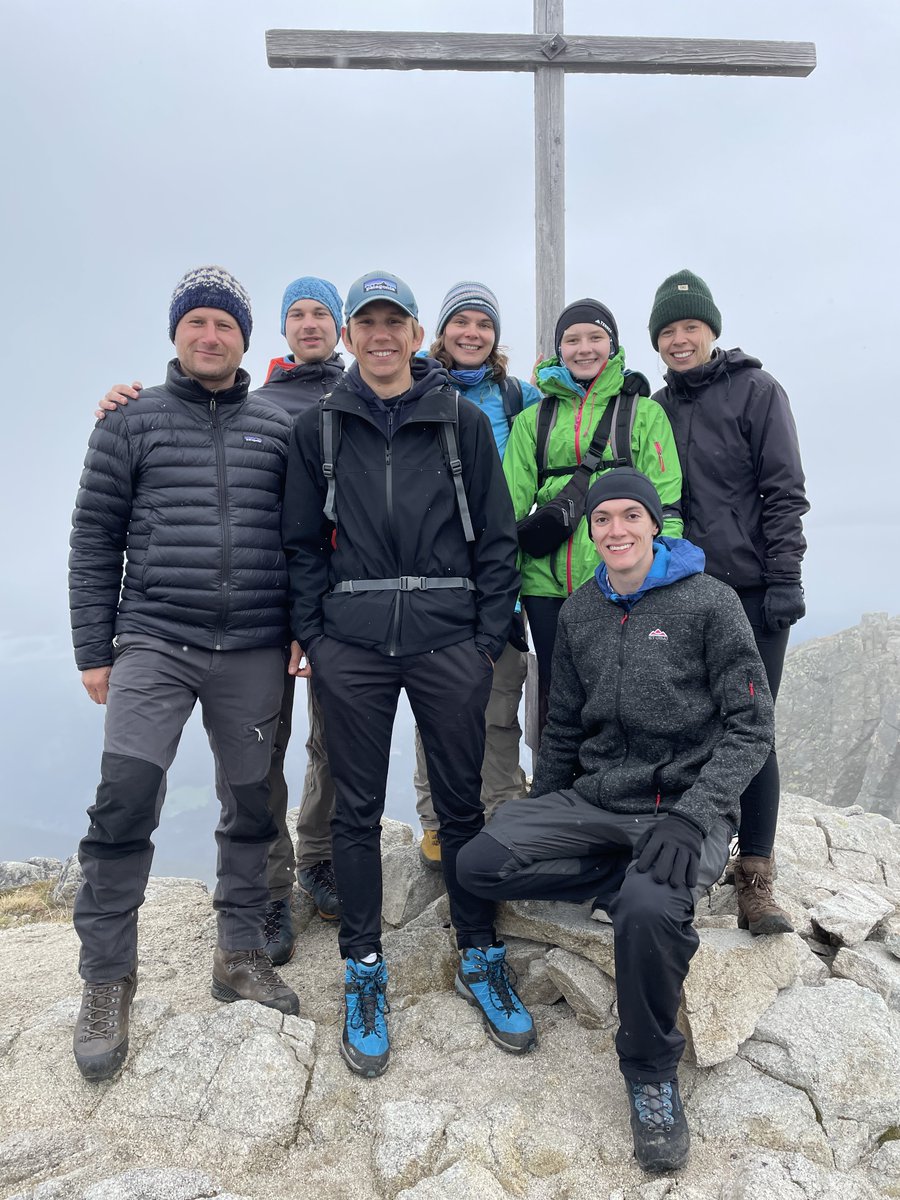
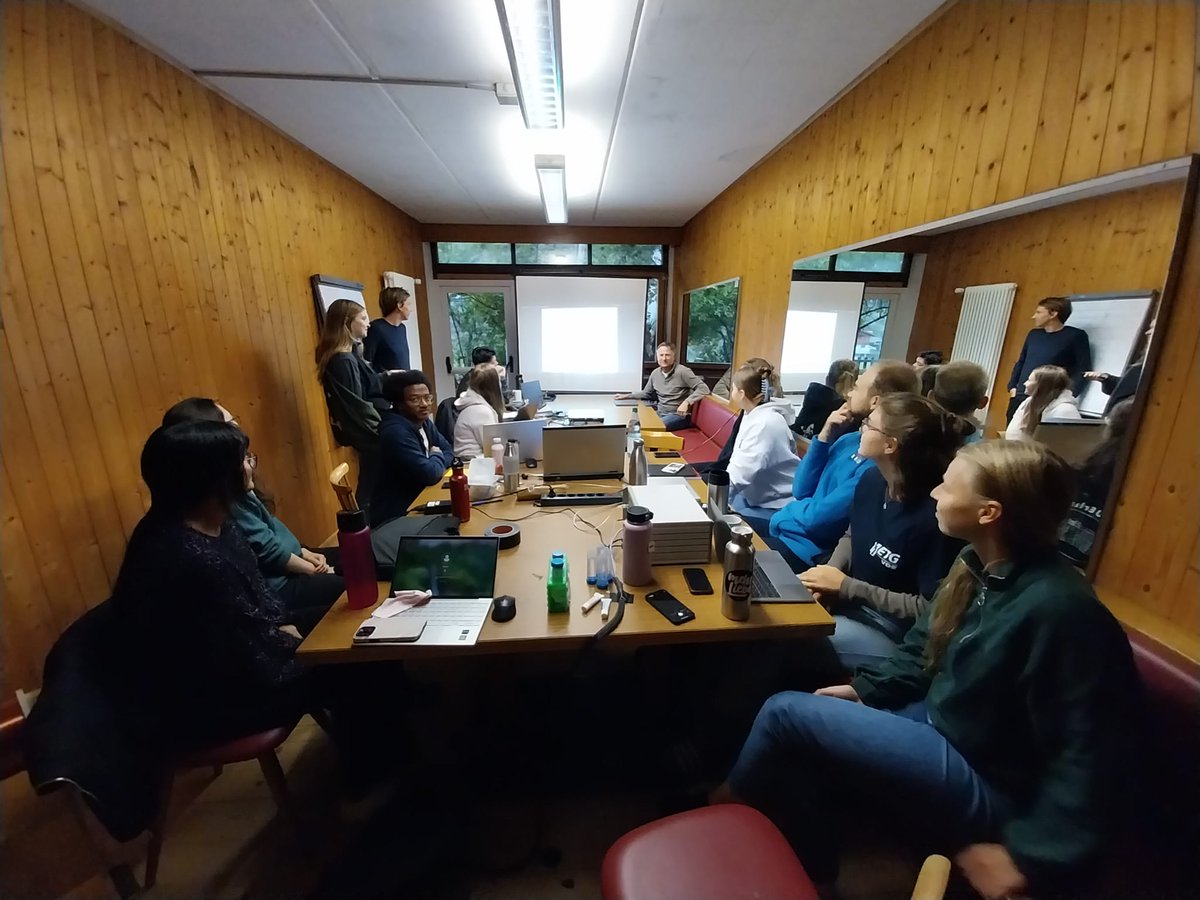
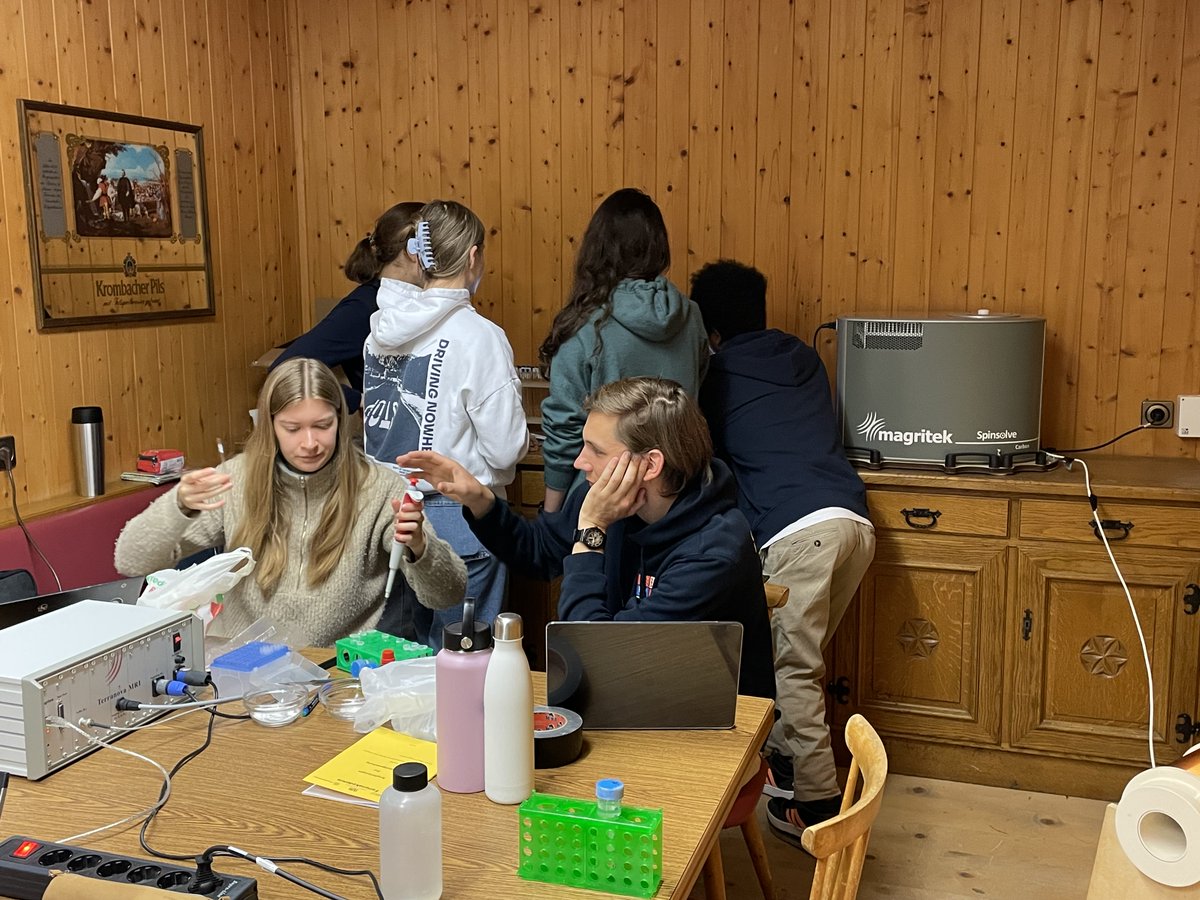
Happy and proud to have been part of the Ferienakademie of the @TU_Muenchen@UniFAU and @Uni_Stuttgart in the beautiful Sarntal valley in South Tyrol, Italy. Two weeks of hands-on #NMR and #MRI with 12 excellent students and @Bucherlab.
Last day of our summer school in Sarntal in South Tyrol with hands-on NMR experiments. It was a pleasure for Dominik to work with 12 motivated students in the Alps with a benchtop NMR device to probe water, healthcare, and food samples. @magritek@HagnLab https://t.co/BBRRz6lRqq
Our recent work on the mechanistic basis of Bcl2 protein inhibition at the #mitochondria which governs #apoptosis, just published in @CellReports
Big thanks to Kira Leitl and Laura Sperl and @TU_Muenchen@HelmholtzMunich for support.
https://t.co/nygoXPGP4z
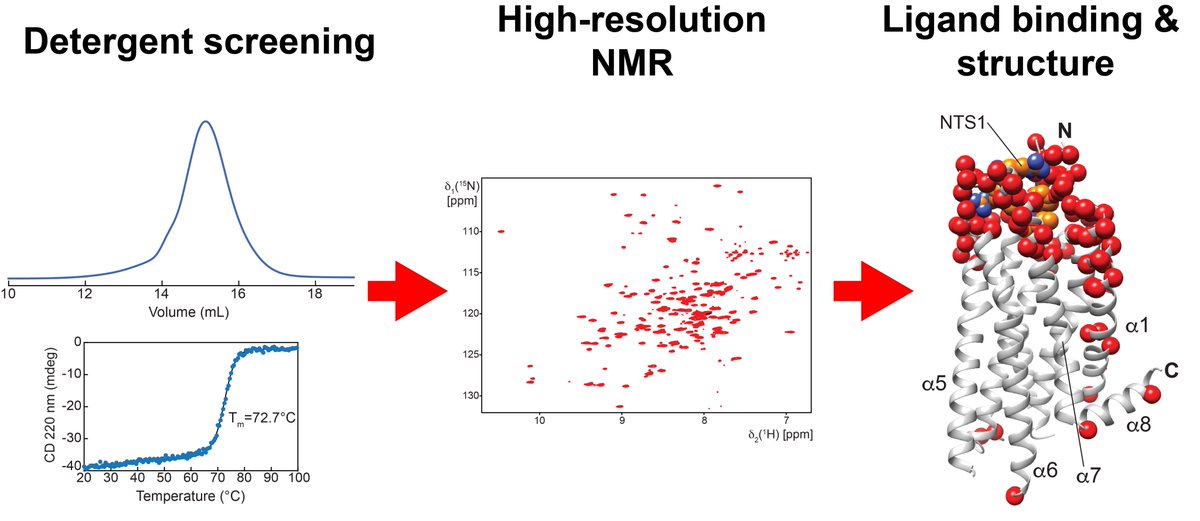
Check out our new paper on using intein ligation for segmental isotope labeling of integral #membrane#proteins to boost #nmr studies, just published in @J_A_C_S. Thanks to Melina Daniilidis and the @TU_Muenchen and
@HelmholtzMunich crew. Great job, folks!
https://t.co/LvKn4q3qAr
BREAKING NEWS
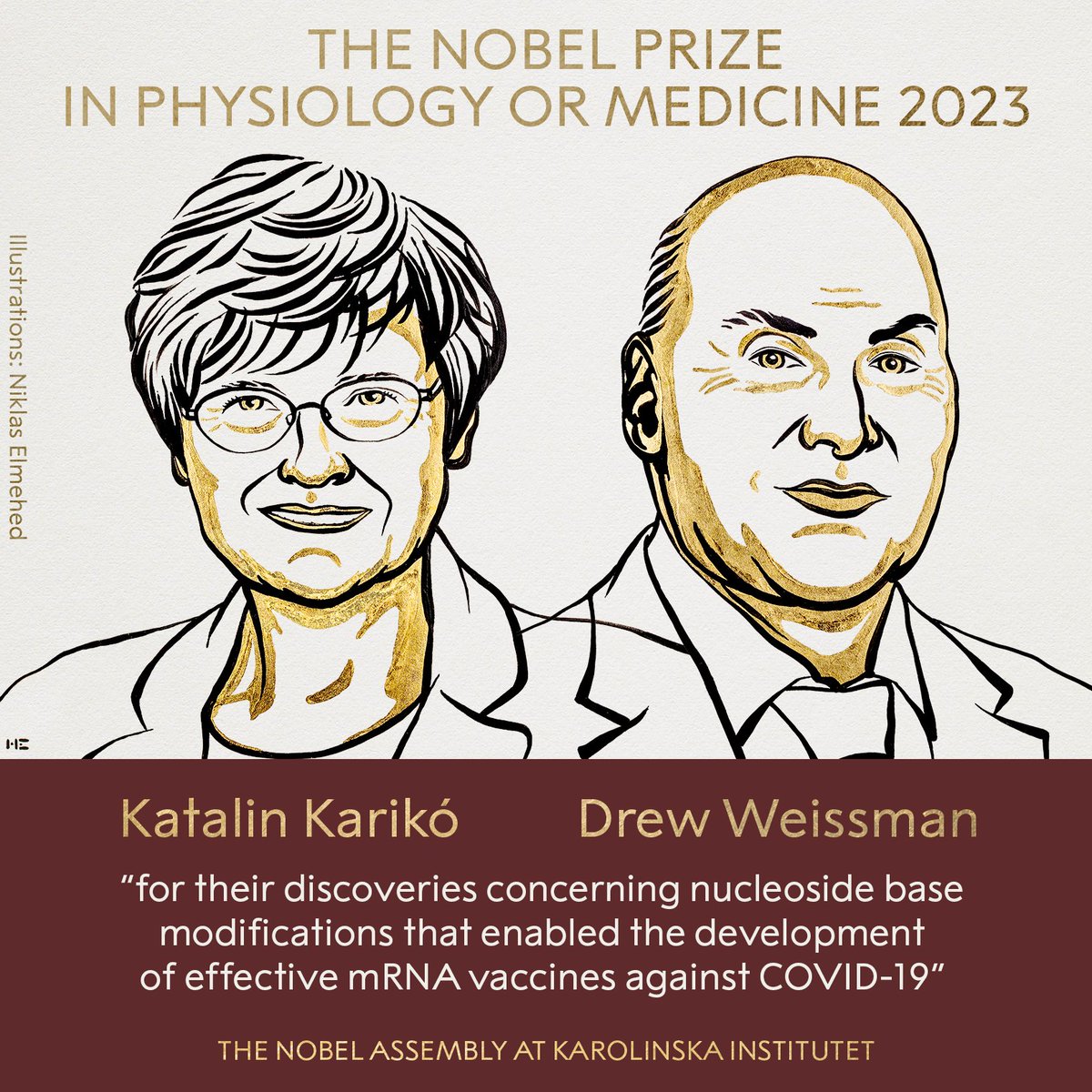
The 2023 #NobelPrize in Physiology or Medicine has been awarded to Katalin Karikó and Drew Weissman for their discoveries concerning nucleoside base modifications that enabled the development of effective mRNA vaccines against COVID-19.
The Nobel Prize in Physiology or Medicine has been awarded to biochemist Katalin Karikó and immunologist Drew Weissman for discoveries that enabled the development of mRNA vaccines against COVID-19.
https://t.co/PKLDDqoGi9
BNMRZ Symposium on Future Perspectives of Biomolecular NMR (1.2 GHz NMR Symposium) TUM Institute for Advanced Study and Bavarian NMR Center, Garching, Friday, October 13, 2023. Free to attend, registration is required https://t.co/kD9XePa7j0 #NMRevents#NMRchat#NMR
Günsel et al. unravel the properties of OEP21, a channel in the chloroplast outer envelope, and show that it utilizes a promiscuous mechanism to control the passage of substrates.
@HagnLab, @TU_Muenchen, @HelmholtzMunich, @LMU_Muenchen
https://t.co/3W2bNhpoyv
📝#PaperAlert:
💡A team of researchers led by Prof Franz Hagn at #HelmholtzMunich unravels the structural & functional properties of the #chloroplast outer envelope protein OEP21.
👉Read more about the channel #protein#structure resolved by #NMR
🔗https://t.co/HjqOrfjjI9
@MatthewEddyLab@JStructBiol@dfg_public@TU_Muenchen@HelmholtzMunich Thanks. We (and the community) are aware that you used uniformly labeled A2AAR. However, since you specifically analysed Gly and Trp resonances we cited your paper when mentioning amino acid selective studies. Apologies for this inaccuracy.