Helping men take back control of their hair 💪 | Years of experience in hair loss prevention | Practical tips on nutrition, DHT blockers & proven routines 🧴
In the USSR, ugliness especially in the form of public art and architecture was a tool of demoralisation and specifically de-individualisation, to subordinate the individual to the collective. I believe Zendaya's face serves a similar role today in our society.
@DrewVento They will look at you with a straight face and say "see my kids turned out fine"
Meanwhile they have allergies, auto-immune, stunted growth, learning developments etc
if sugar is so bad for you
why did the strongest man in the world, eddie hall, drink 60-100 ounces of full sugar cranberry in the gym for 20+ years?
lesson in there.
cold showers sound like bro science torture until you see what happens to your norepinephrine levels. then it sounds like a legal performance enhancing drug
a single 2 to 3 minute cold exposure at 14°C increases norepinephrine by 200-300%. thats the same neurotransmitter that adderall and ritalin target. you're getting a pharmaceutical grade focus and alertness boost from water
the mechanism is straightforward. cold hits your skin, your thermoreceptors fire, and your brain releases a massive norepinephrine surge to mobilize energy and sharpen attention. the spike lasts for hours after you get out
- 200-300% norepinephrine increase from just 2 to 3 minutes of cold water. a study in the European Journal of Applied Physiology confirmed this
- increases metabolic rate by activating brown adipose tissue which burns calories to generate heat
- reduces inflammation systemically. cold water immersion is used by every professional sports team on earth for a reason
- improves mood through the same dopamine pathways that antidepressants target but without the side effects or the prescription
- repeated exposure trains your vagus nerve which improves stress resilience over time. you literally become harder to rattle
you dont need a $5,000 cold plunge. turn your shower to cold for the last 2-3 minutes. thats it. the norepinephrine spike doesnt care how expensive your setup is
most people pay $200/month for adderall. this costs nothing and hits the same neurotransmitter
Everyone’s obsessed with hair regrowth. The smarter move is stopping the shedding before the follicle gives up.
3 things with human trials behind them:
• Resveratrol: in a randomised, double-blind, placebo-controlled trial, the resveratrol arm cut daily hair shedding by 61% over 12 weeks. It pushes follicles out of the resting phase and back into active growth.
• Caffeine: penetrates the follicle within 2 minutes of topical contact, and it’s the only fast route in; the rest of the skin barrier is too slow to matter in the first 20. In a head-to-head trial of 210 men, 0.2% caffeine came back non-inferior to 5% minoxidil at six months. No minoxidil, no finasteride, none of the systemic baggage/chemical castration.
• GHK-Cu: the copper signalling peptide follicles depend on, and it falls roughly 60% from your 20s to your 60s. It rebuilds the collagen scaffold the hair anchors to, drives the blood supply that feeds the root, and switches dormant follicles back on through Wnt/β-catenin.
When the signalling decays, the shedding outpaces the growth, and the molecules that fix it can’t survive a normal serum to reach the root.
That last part is the entire problem worth solving — and it’s the one we built Aurabiōm around :) 💙
Copper peptide is the most overlooked hair molecule on earth and it’s not even close.
It wakes follicles without touching your hormones.
Let me tell you all about it
There’s a paper getting passed around right now (Liu et al., Bioactive Materials, 2024) that’s worth understanding properly, because the mechanism is the whole story.
Copper peptide (GHK-Cu) is a tiny molecule your body already makes. It sits at the centre of how skin and follicles repair themselves.
The problem: levels drop roughly 60% from your twenties to your sixties. The follicle still wants to grow. The signal just gets worse.
When GHK-Cu actually reaches the follicle, here’s what the research shows it does:
• activates Wnt/β-catenin: the master switch that holds follicles in their growth phase
• upregulates VEGF: building the blood supply that feeds the root
• rebuilds the collagen scaffold the follicle anchors into
And the part that matters most: it does all of this without altering androgens. No hormonal trade-off. That’s the line that separates copper peptide from the drug everyone defaults to.
But here’s what the headlines skip. In that 2024 study, GHK-Cu only worked because it was wrapped in a delivery system engineered to get it through the skin — about 3x more penetration. On its own, copper peptide is fragile and most of it never gets where it needs to go.
That’s the entire reason my Aurabiōm’s Legacy Youth Elixir exists. We microencapsulate GHK-Cu so it survives the journey and releases at the follicle; not on the surface where it evaporates.
Five of our eight actives have peer-reviewed evidence for follicle health, hitting six separate growth pathways.
Most treatments touch one.
Copper peptide isn’t new. Getting it where it belongs is the hard part and the only part that counts.
Aurabiōm is already getting as many hair regrowth / rejuvenation stories as wrinkle reduction / skin improvement ones.
Copper peptide is the most overlooked hair molecule on earth and it’s not even close.
It wakes follicles without touching your hormones.
Let me tell you all about it
There’s a paper getting passed around right now (Liu et al., Bioactive Materials, 2024) that’s worth understanding properly, because the mechanism is the whole story.
Copper peptide (GHK-Cu) is a tiny molecule your body already makes. It sits at the centre of how skin and follicles repair themselves.
The problem: levels drop roughly 60% from your twenties to your sixties. The follicle still wants to grow. The signal just gets worse.
When GHK-Cu actually reaches the follicle, here’s what the research shows it does:
• activates Wnt/β-catenin: the master switch that holds follicles in their growth phase
• upregulates VEGF: building the blood supply that feeds the root
• rebuilds the collagen scaffold the follicle anchors into
And the part that matters most: it does all of this without altering androgens. No hormonal trade-off. That’s the line that separates copper peptide from the drug everyone defaults to.
But here’s what the headlines skip. In that 2024 study, GHK-Cu only worked because it was wrapped in a delivery system engineered to get it through the skin — about 3x more penetration. On its own, copper peptide is fragile and most of it never gets where it needs to go.
That’s the entire reason my Aurabiōm’s Legacy Youth Elixir exists. We microencapsulate GHK-Cu so it survives the journey and releases at the follicle; not on the surface where it evaporates.
Five of our eight actives have peer-reviewed evidence for follicle health, hitting six separate growth pathways.
Most treatments touch one.
Copper peptide isn’t new. Getting it where it belongs is the hard part and the only part that counts.
Aurabiōm is already getting as many hair regrowth / rejuvenation stories as wrinkle reduction / skin improvement ones.
throw away your toxic shampoo!
if it has: Parabens, Synthetic fragrances, silicones, benzoate derivatives, they are toxic to your scalp and will cause hair loss in the long term.
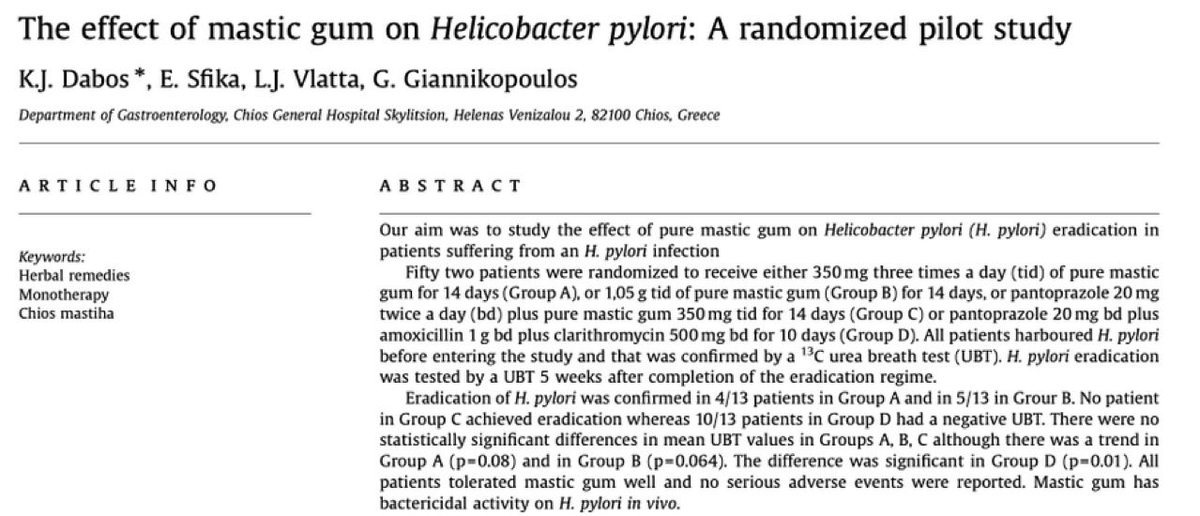
Mastic gum ERADICATED H. pylori bacteria IN 14 DAYS. (study screenshot below)
That bloating after every meal? The acid reflux? The fatigue?
Nearly HALF the global population carries this bacteria right now — and most don’t know what it’s doing:
→ 5.9x increased risk of gastric cancer
→ 11% develop peptic ulcers within 10 years
→ 80% of ulcers come BACK if the bacteria isn’t killed
→ Persists for LIFE if untreated
All upstream of an H. pylori infection no doctor tested you for.
And the damage doesn’t stop there…
If you’ve had unexplained bloating, reflux, or stomach issues for years and nothing has worked — keep reading below.
Believe it or not, when I was telling people to get those 3% loans while they lasted, all of the reply guys were claiming housing was in a bubble and was going to crash.
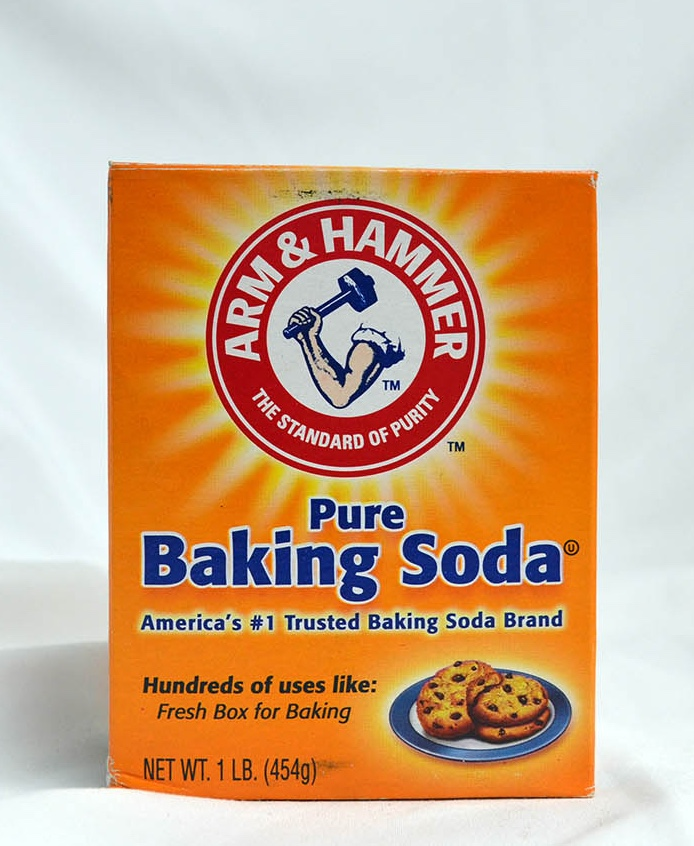
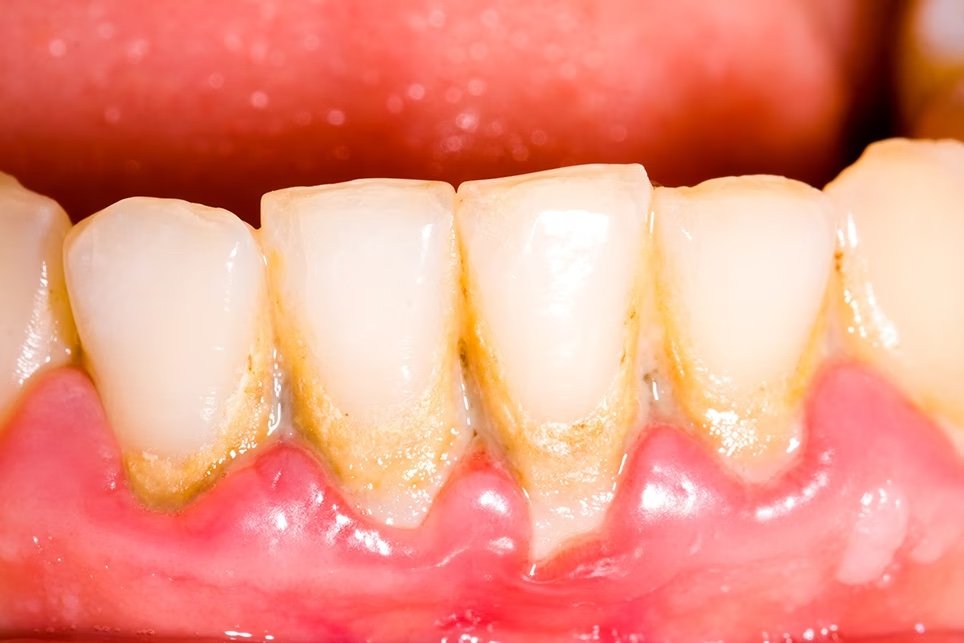
Brushing with baking soda removes dental plaques, often by ~85%, according to a meta analysis.
A more recent study showed that baking soda outperformed conventional fluoride toothpaste for plaques and gingivitis.
Potentially by:
1. Physical displacement of plaques
2. Reducing viscosity of plaque matrix
3. Improving plaque penetration by the brush
4. Antimicrobial effects
This paper was published last year, comparing:
➥ A baking soda toothpaste with some (0.31%) fluoride
to
➥ A high fluoride (0.73%) toothpaste
People in the study had confirmed plaque + gingivitis.
1 minute of brushing, twice daily.
Within 3 weeks, baking soda reduced the number of bleeding sites by 2.4.
The high fluoride toothpaste increased the number of bleeding lesions.
In 3 months, baking soda reduced them by over 4.
fluoride increased them by >2.
The bleeding index only decreased with baking soda.
Baking soda also reduced gum inflammation.
Both products had an effect, but at every time point, baking soda was superior.
Baking soda reduced dental plaques, too.
Once again it outperformed the conventional high fluoride toothpaste.
It's important to note that not only does baking soda outperform fluoride in these studies, it's much safer, considering fluoride is a toxin.
Studies:
PMID: 19278079
PMID: 40482904
2024:
- Chubby
- Full of cortisol
- Gym 7x a week
- Avoided sugars
- Ate protein bars
- Lived in Michigan (no sun)
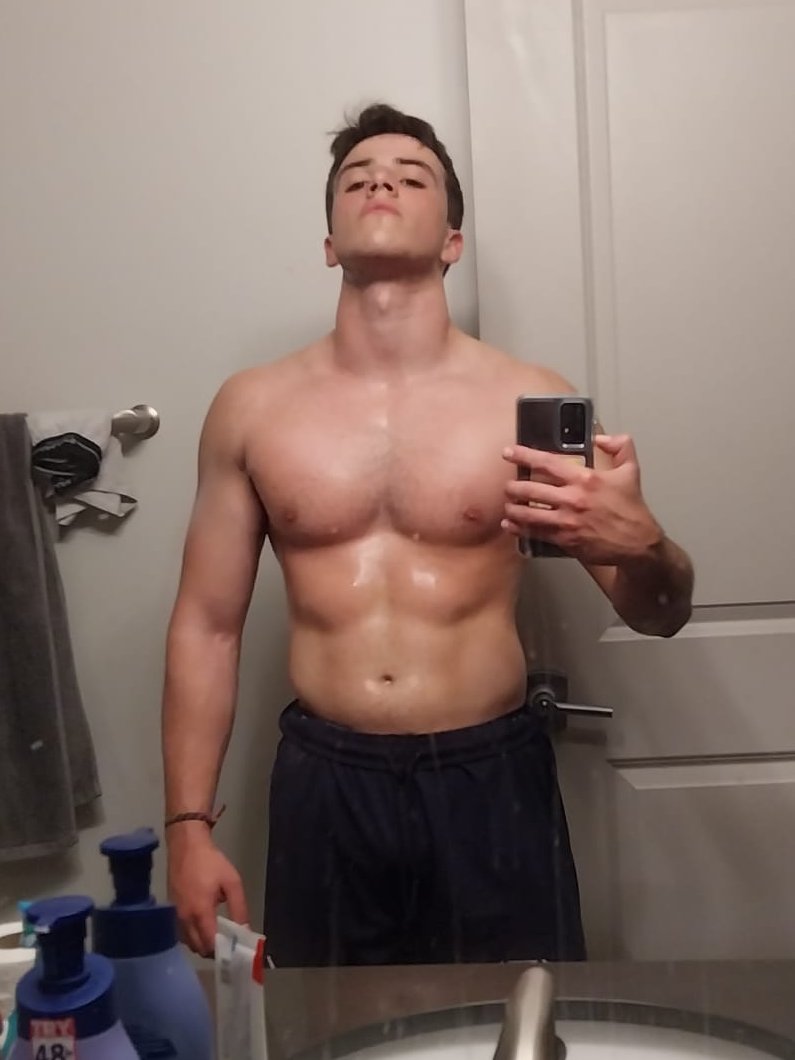
2026:
- Lean
- No cortisol
- Gym 4x a week
- Thrive on sugars
- Eat red meat, eggs and dairy
- Live in the Mediterranean (sun every day)
Zinc increases weight loss by 3X and hip circumference decrease by 10X (!) in trial.
This study put people on weight loss diets of roughly ~300 calories fewer than baseline.
Those taking 30 mg of zinc:
➟ Lost ~10 lb (placebo lost <3)
➟ Lost ~2 inches off their waist (placebo 0.6)
➟ Lost ~1.9 inches off their hips (placebo 0.19)
They also showed better insulin, blood sugar, and inflammatory markers.
Thought to be due to zinc's ability to regulate the central melanocortin system.